Origin Story
The family Felidae originated millions of years ago, evolving from early carnivorous mammals that adapted to a predatory lifestyle. Felids first appeared in the fossil record during the late Eocene to early Oligocene epochs, gradually diversifying across continents. Their evolutionary journey reflects adaptations to various habitats, from dense forests to open savannas, shaping the wide range of species we recognize today.
Classification
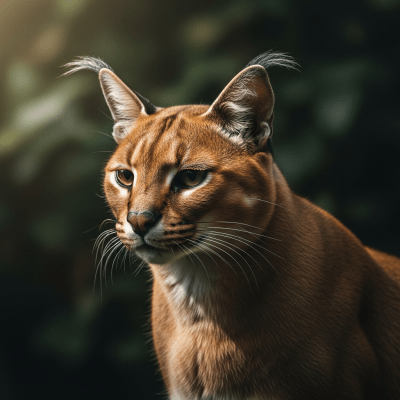
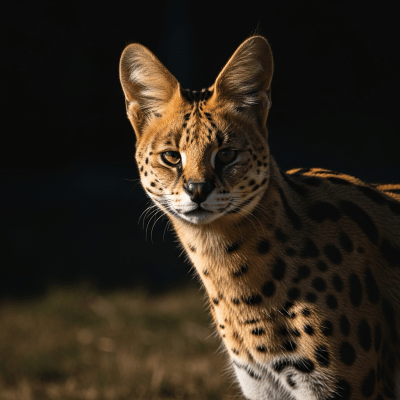
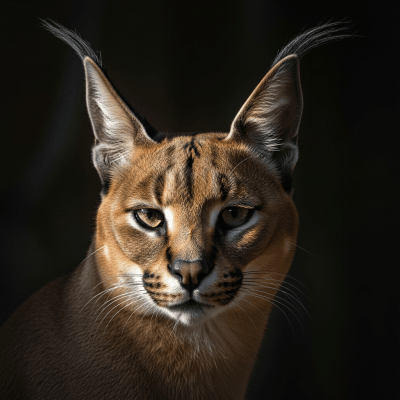
Felines are classified within the family Felidae, which is divided primarily into two subfamilies: Pantherinae, comprising the large 'big cats' such as lions, tigers, leopards, and jaguars; and Felinae, which includes smaller and medium-sized cats like domestic cats, lynxes, servals, and caracals. This taxonomic framework is based on morphological traits and increasingly refined by genetic studies, organizing felines into genera and species that reflect their evolutionary relationships.
Appearance or Form
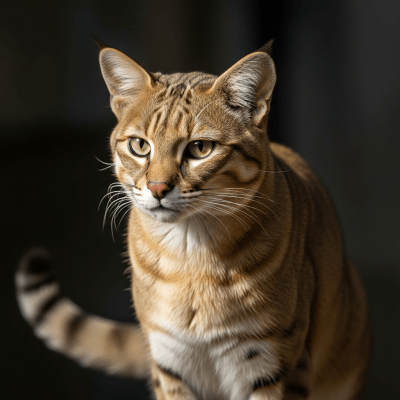
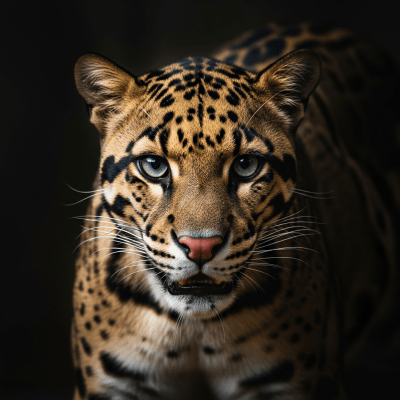
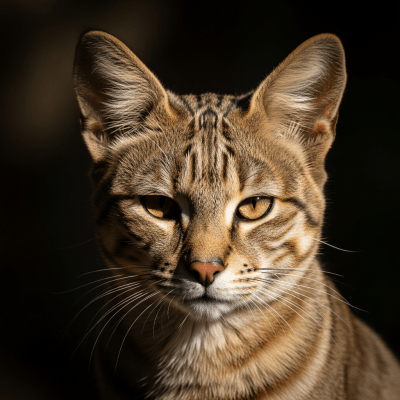
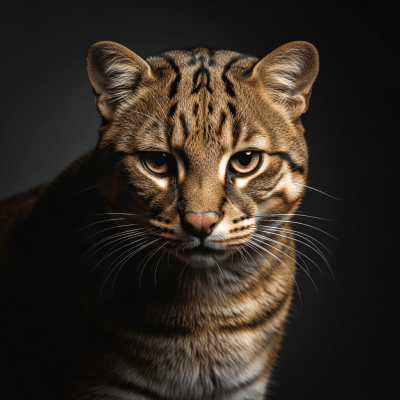
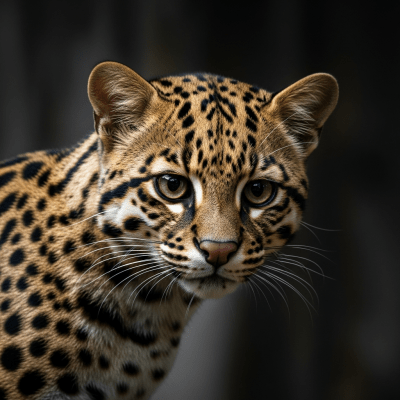
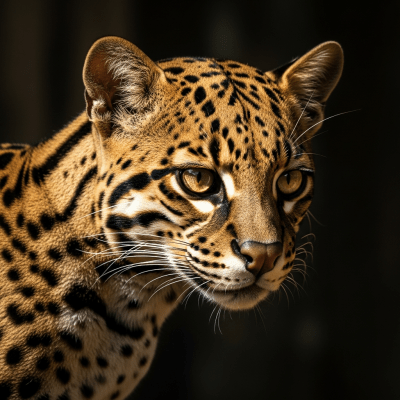
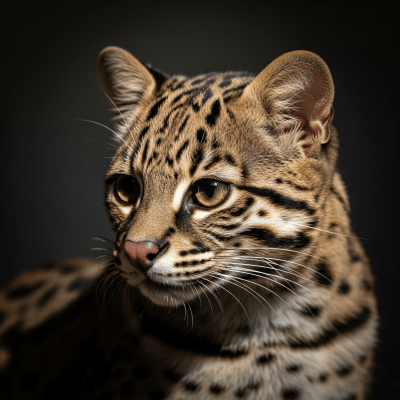
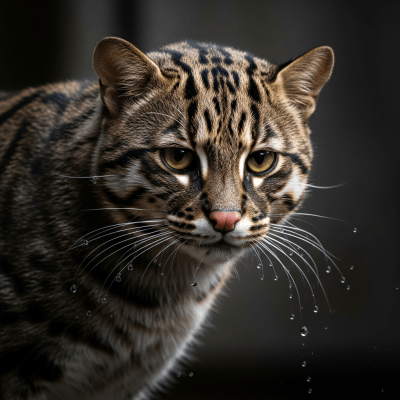
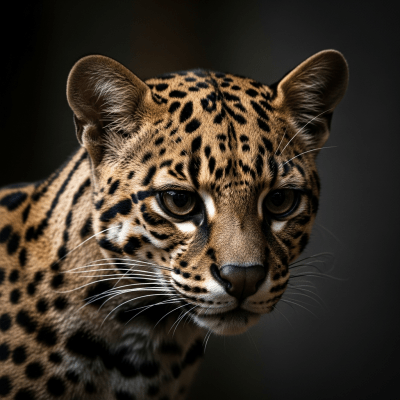
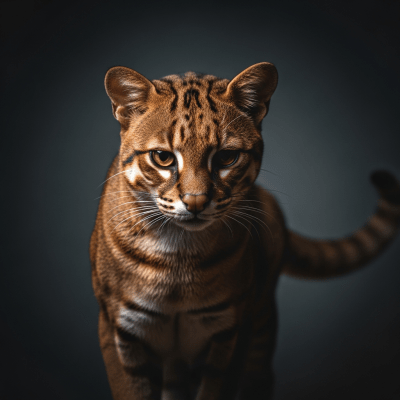
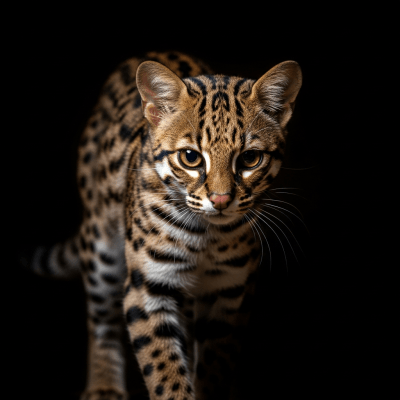
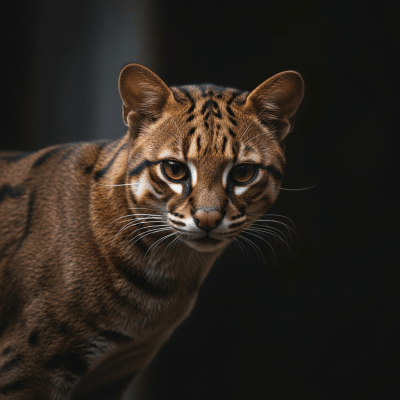
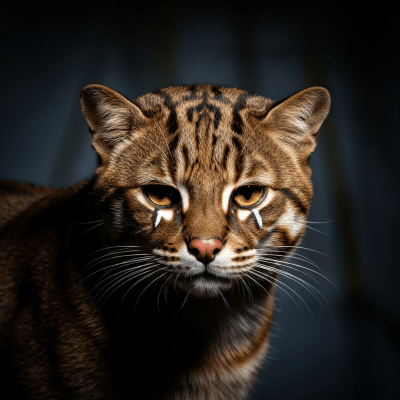
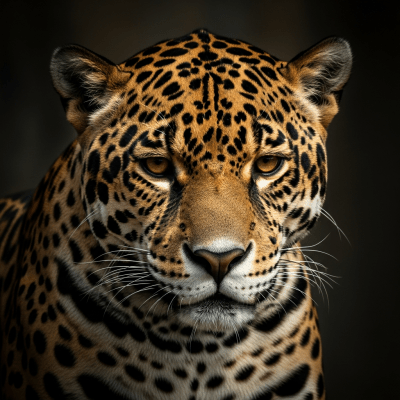
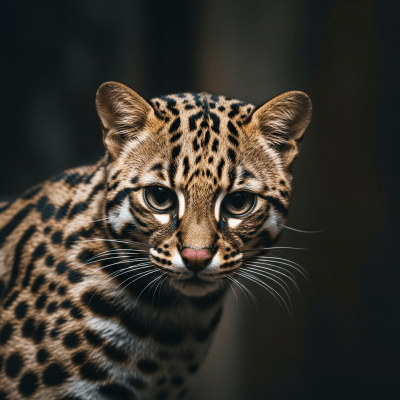
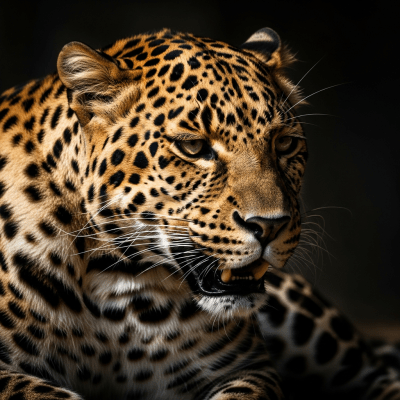
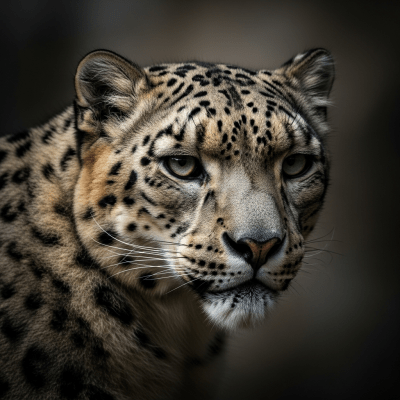
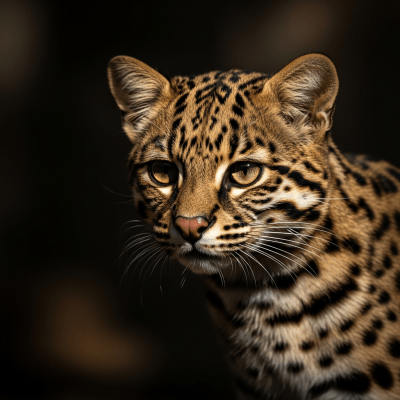
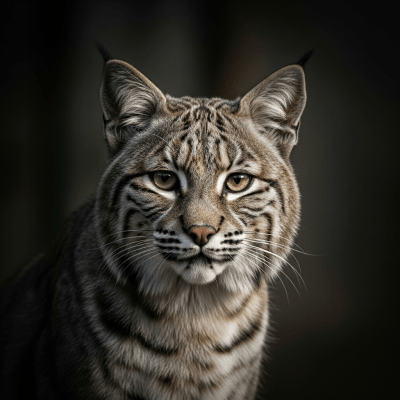
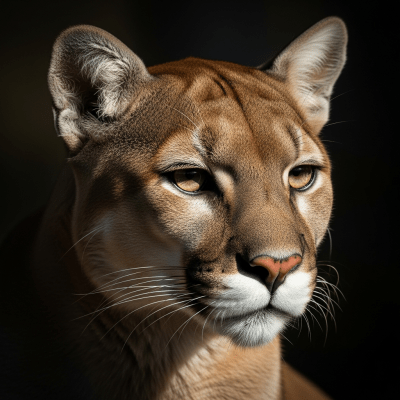
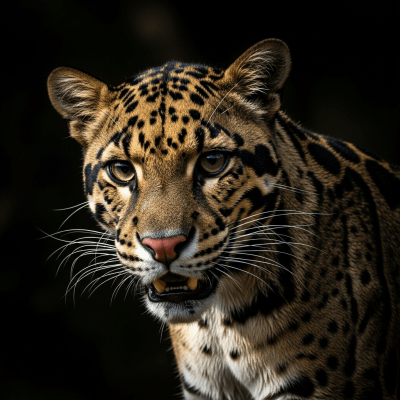
Felines exhibit a wide range of physical forms, but share common traits such as sharp retractable claws, muscular bodies, and keen sensory organs. Large cats possess powerful builds and distinctive rosettes or stripes, while smaller felines often display more subtle patterns and agile frames. Their eyes are adapted for low-light hunting, and their flexible bodies enable stealth and swift movement, making them effective predators in diverse environments.
Behavior or Usage
Felines are primarily solitary hunters, relying on stealth, acute senses, and precise movements to capture prey. While many wild cats maintain territories and hunt alone, some species like lions exhibit social structures. Humans have long interacted with felines, domesticating the small cat species for companionship and pest control, while wild felines inspire conservation efforts and ecological studies due to their roles as apex predators and indicators of ecosystem health.