St. Bernard
The St. Bernard is a giant working dog breed famed for its legendary role as a rescue dog in the Swiss Alps, admired for its immense size, gentle nature, and iconic presence.
The St. Bernard is a giant working dog breed famed for its legendary role as a rescue dog in the Swiss Alps, admired for its immense size, gentle nature, and iconic presence.
Originating in the Western Alps of Switzerland, the St. Bernard was developed at the hospice of the Great St. Bernard Pass by monks in the 17th century. By crossing native Alpine dogs with Mastiff-type breeds from elsewhere in Europe, they created a dog with remarkable strength and endurance, perfectly suited for rescue work in harsh mountain conditions. The breed’s formal recognition began in the late 19th century, notably by the Swiss Kennel Club, cementing its reputation as an alpine lifesaver.
The St. Bernard belongs to the Canidae family, classified under the genus Canis and species Canis lupus familiaris. It is grouped among working breeds by major kennel clubs, reflecting its historical function in rescue and utility roles. Its lineage is closely tied to Mastiff-type dogs, with breed standards recognized internationally.
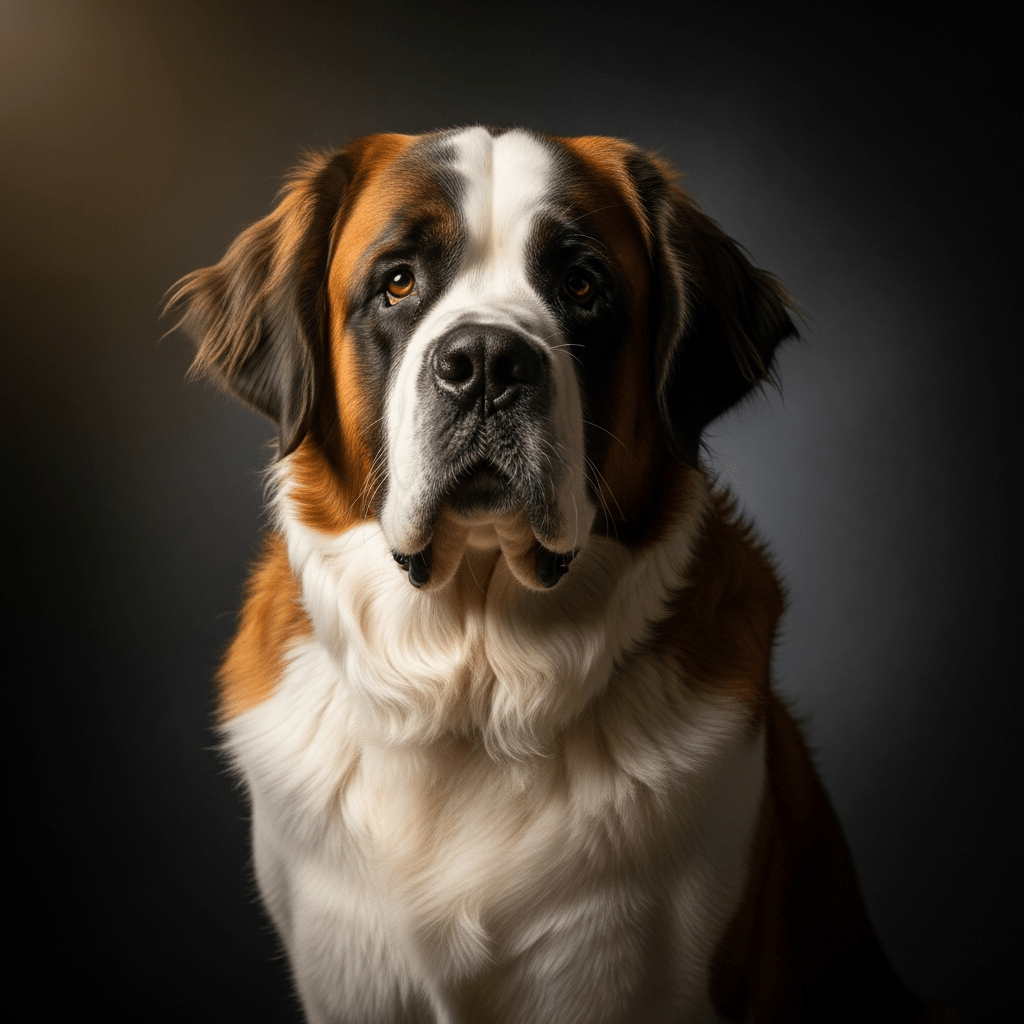
St. Bernards are imposing, with a massive, muscular build and a broad, expressive head. Their short muzzle and deep-set eyes give a gentle, soulful look. The breed features both short-haired (smooth) and long-haired (rough) coats, always thick and dense for insulation against cold. Typical coloring is white with striking red, orange, or brindle markings, and their slow maturation means they reach full adult size only after about three years.
Historically, St. Bernards were bred for alpine rescue, locating and aiding lost travelers in snowbound passes. Their strength, stamina, and keen sense of direction made them invaluable to the monks of the Great St. Bernard hospice. Today, they are cherished as gentle companions, therapy dogs, and show animals, renowned for their patience and loyalty in family settings.
Bring this kind into your world illustrated posters, mugs, and shirts.
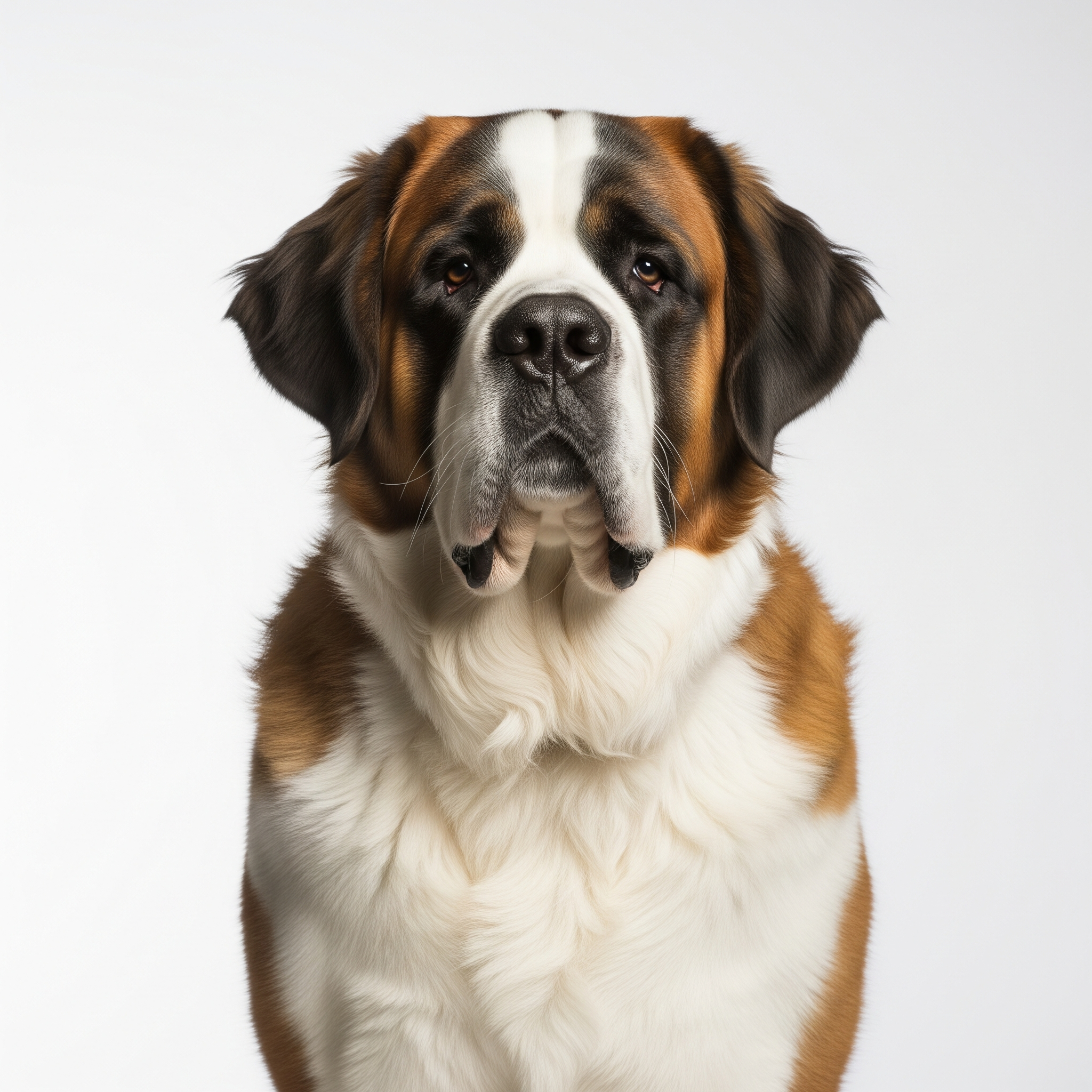
Archival print, museum-grade paper
Buy Poster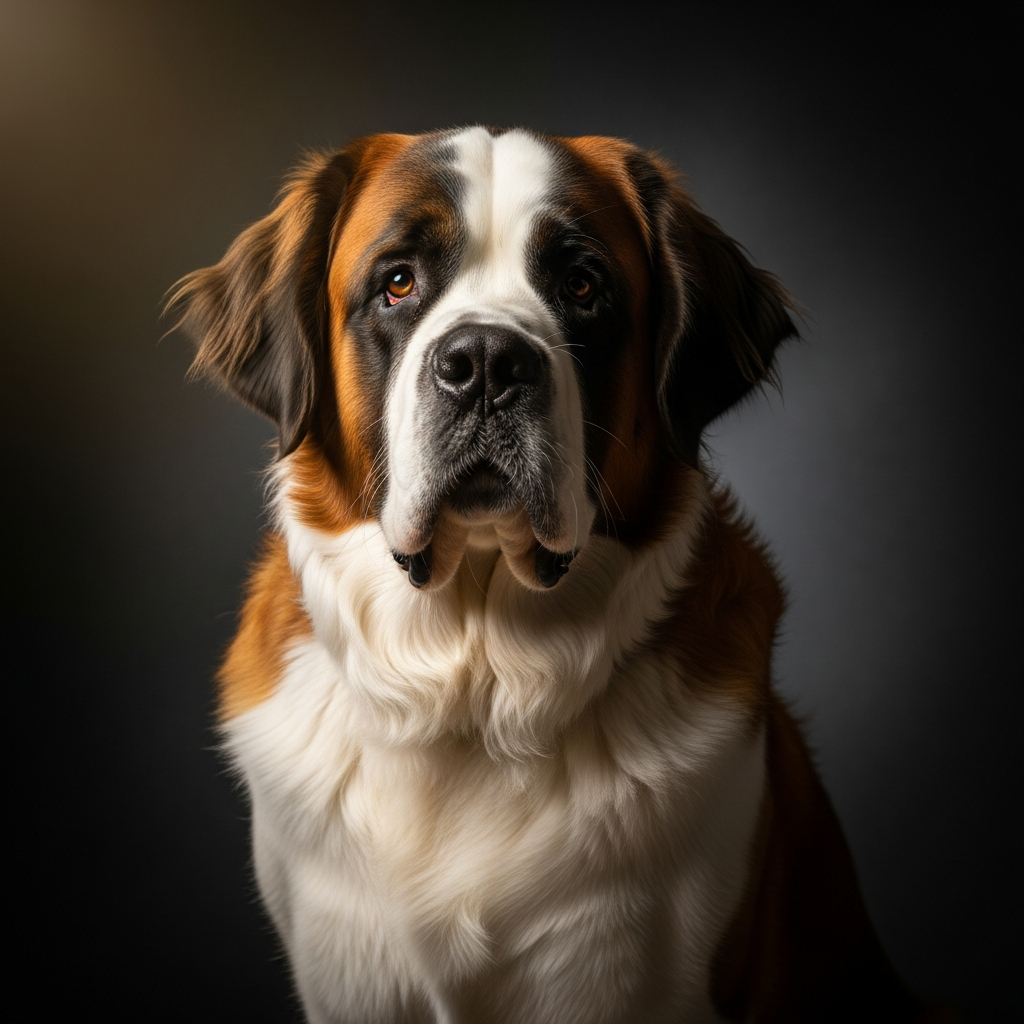
Stoneware mug, dishwasher safe
Buy Mug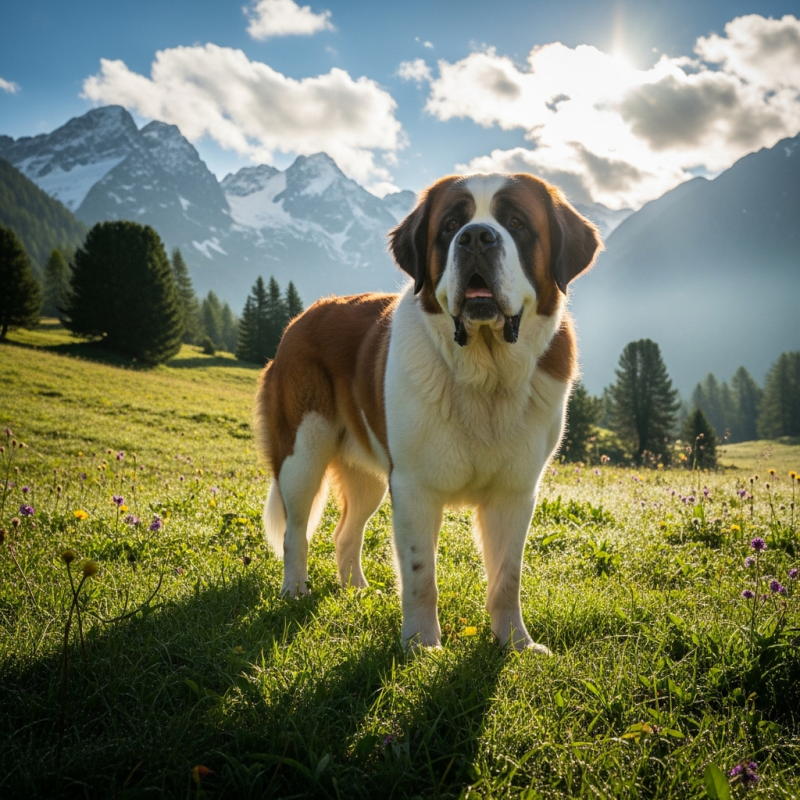
Soft cotton tee, unisex sizes
Buy ShirtThe St. Bernard is a symbol of heroism and rescue, immortalized in stories, art, and media as the quintessential lifesaving dog. Its image—often depicted with a small barrel around the neck—has become an emblem of alpine safety and compassion. The breed’s legacy is celebrated in branding, literature, and film, where it represents strength, kindness, and reliability.
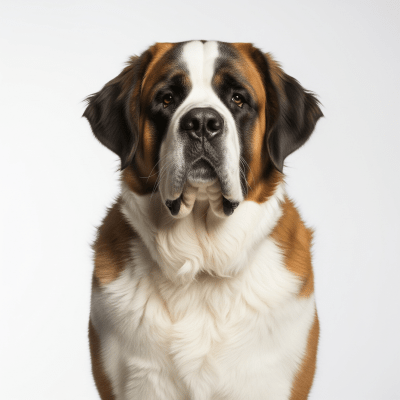


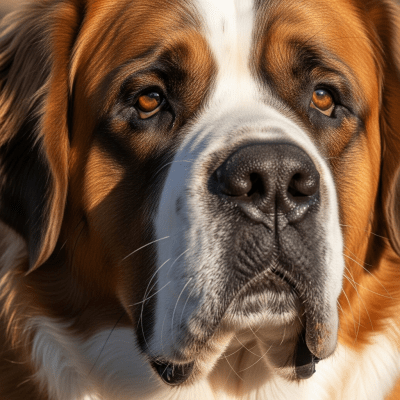
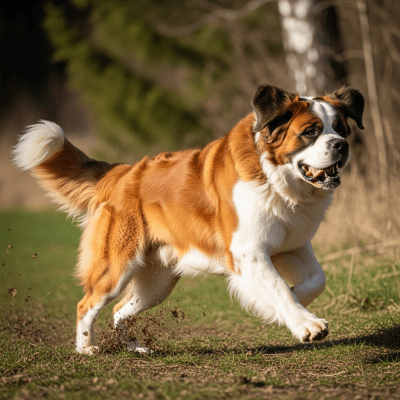

St. Bernards are classified as a giant breed. Males stand 71–76 cm at the shoulder and weigh 64–82 kg, while females are slightly smaller. Their robust frame and substantial weight set them apart as one of the largest dog breeds.
The breed features both short-haired (smooth) and long-haired (rough) coats, always thick and dense for warmth. Common color patterns are white with red, orange, or brindle markings, creating a striking and recognizable appearance.
St. Bernards are gentle, patient, and loyal, making them ideal for families and children. They are generally trainable and eager to please, though their slow maturation means training should be consistent and gentle.
Typical lifespan ranges from 8 to 10 years. Common health concerns include hip dysplasia, bloat, and heart conditions. Regular veterinary care and attention to diet and exercise are important for maintaining their well-being.
St. Bernards have a storied history as alpine rescue dogs, famed for saving lives in snowy mountain passes. Today, they serve as beloved companions, therapy dogs, and show animals, with their image often used in branding and media to evoke heroism and reliability.
The primary distinction among St. Bernards lies in coat type: short-haired (smooth) and long-haired (rough) varieties are both recognized. Regional naming differences exist, such as Bernhardiner in German-speaking areas, but significant subtypes are minimal.