
Rhodesian Ridgeback
The Rhodesian Ridgeback is a large, athletic hound breed renowned for the distinctive ridge of hair running along its spine in the opposite direction to the rest of its coat.
The Rhodesian Ridgeback is a large, athletic hound breed renowned for the distinctive ridge of hair running along its spine in the opposite direction to the rest of its coat.
Originating in southern Africa—specifically Zimbabwe (formerly Rhodesia)—the Rhodesian Ridgeback was developed in the late 19th and early 20th centuries. Settlers crossed native Khoikhoi dogs, known for their unique ridge, with European breeds such as Greyhounds, Bloodhounds, and terriers to create a versatile hunting and guarding dog. The breed was formally standardized in 1922 by F.R. Barnes in Bulawayo, Rhodesia, laying the foundation for its global recognition.
The Rhodesian Ridgeback belongs to the hound group, classified within the species Canis lupus familiaris. It is recognized as a distinct breed by major authorities such as the American Kennel Club (AKC), Fédération Cynologique Internationale (FCI), and The Kennel Club (UK), and is grouped among large, athletic hunting dogs noted for their endurance and tracking abilities.
This breed presents a muscular, symmetrical build with a balanced, athletic silhouette. Its hallmark is the ridge—a strip of hair along the spine growing in reverse direction, formed by two whorls (crowns). The coat is short and dense, typically ranging from light wheaten to red wheaten, sometimes featuring small white markings on the chest and toes. The Ridgeback’s dignified posture and keen expression reflect its heritage as a working and hunting dog.
Originally bred for hunting and guarding, the Rhodesian Ridgeback is famed for its stamina, intelligence, and independence. Historically, it was used to track and bay lions, earning the nickname "African Lion Hound." Today, Ridgebacks serve as loyal family guardians, excel in obedience and agility sports, and are valued for their versatility and resilience in challenging environments.
Bring this kind into your world illustrated posters, mugs, and shirts.

Archival print, museum-grade paper
Buy Poster
Stoneware mug, dishwasher safe
Buy Mug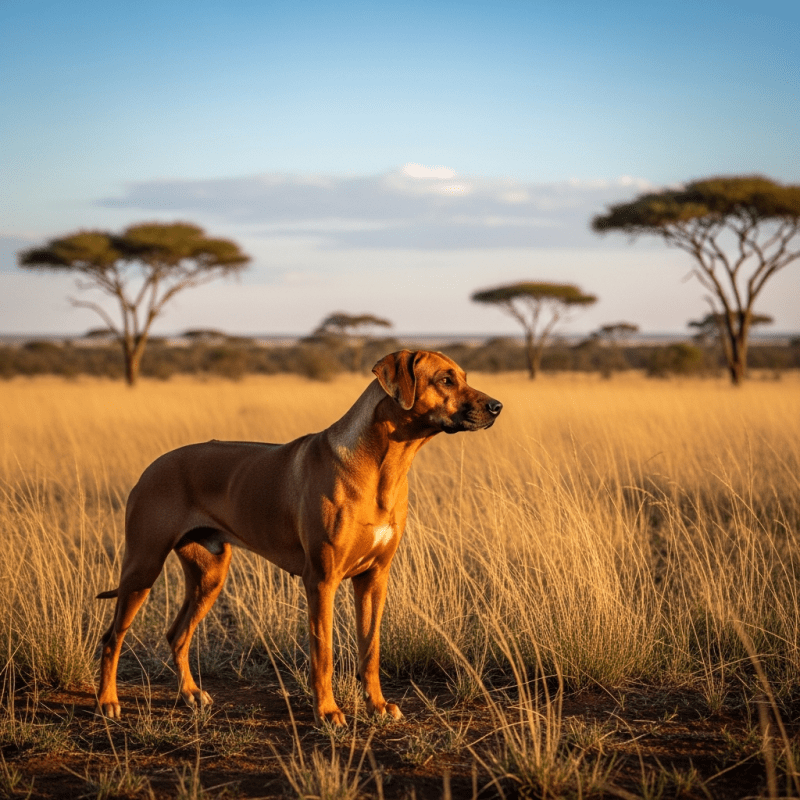
Soft cotton tee, unisex sizes
Buy ShirtThe Rhodesian Ridgeback holds a storied place in southern African history, symbolizing courage and adaptability. Its reputation as a "Lion Dog" has made it an icon among hunting breeds. In modern culture, the Ridgeback is celebrated for its unique appearance and loyal temperament, often featured in dog shows and admired by enthusiasts worldwide.

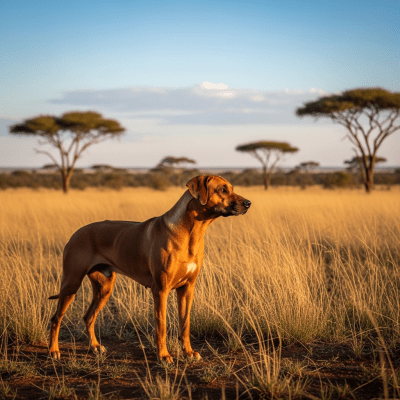




The Rhodesian Ridgeback is classified as a large breed, typically standing 61–69 cm (24–27 inches) at the shoulder and weighing between 32–39 kg (70–85 pounds). Its powerful, athletic build supports remarkable stamina and agility.
The breed’s coat is short and dense, offering protection in hot climates. Common colors range from light wheaten to red wheaten, sometimes accented by small white markings on the chest and toes. The most distinctive feature is the ridge of reversed hair along the spine.
Rhodesian Ridgebacks are dignified, intelligent, and loyal, with a strong prey drive and independent nature. While highly trainable and excelling in obedience and agility, they require experienced owners who can provide firm, consistent leadership. Their resilience and adaptability make them excellent companions for active households.
Generally robust, Rhodesian Ridgebacks are prone to certain hereditary conditions such as dermoid sinus and hip dysplasia. With proper care, they are known for their hardiness and can enjoy a long, healthy life, though specific lifespan figures are variable.
The Rhodesian Ridgeback breed standard is closely adhered to worldwide, resulting in minimal regional variants. While local nicknames such as "Lion Dog" may be used in southern Africa, the breed’s physical and behavioral traits remain consistent across recognized lines.