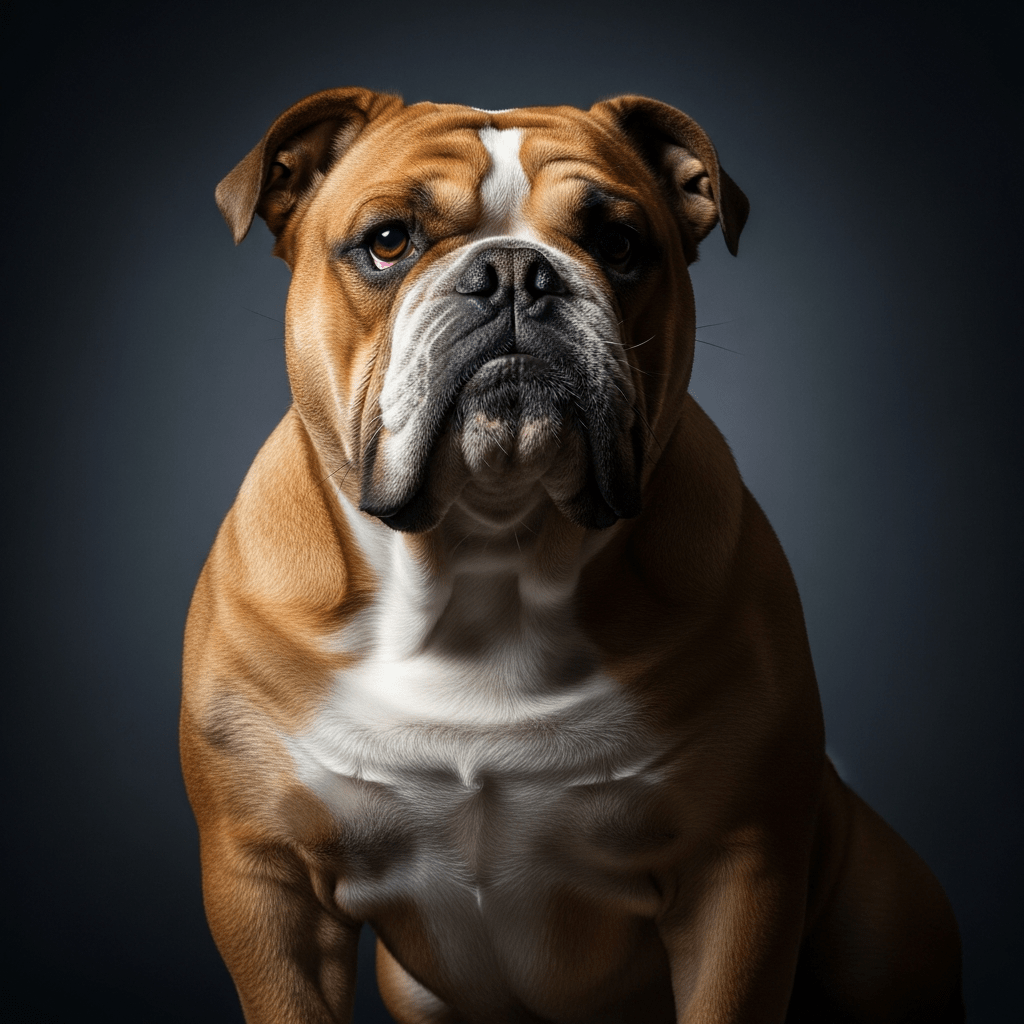
Bulldog
The Bulldog is a medium-sized, muscular dog breed instantly recognizable for its wrinkled face, pushed-in nose, and gentle, affectionate temperament.
The Bulldog is a medium-sized, muscular dog breed instantly recognizable for its wrinkled face, pushed-in nose, and gentle, affectionate temperament.
Originating in England during the 16th century, the Bulldog was initially bred for the brutal sport of bull-baiting. As attitudes shifted, breeders in the 19th century refined the Bulldog to emphasize docility and companionship, transforming it from a fierce working dog into a beloved family pet. The modern Bulldog descends from these selectively bred lines, with formal breed standards established by The Kennel Club (UK) in 1873 and the American Kennel Club in 1886.
The Bulldog belongs to the Canidae family, classified as Canis lupus familiaris. Within major kennel clubs, it is grouped as a non-sporting breed, distinct from its relatives like the French Bulldog and American Bulldog. Its lineage is rooted in the broader taxonomy of domesticated dogs, with breed-specific standards recognized internationally.
Bulldogs have a broad, stocky build with loose, folded skin and a pronounced wrinkled face. Their signature brachycephalic (pushed-in) nose gives them a unique profile, while their short, smooth coat comes in colors such as brindle, white, red, fawn, and piebald. The breed stands 35–38 cm at the shoulder and weighs 18–23 kg, exuding both strength and charm in its compact form.
Known for their calm and gentle demeanor, Bulldogs are cherished companion animals. They thrive in indoor environments and require only moderate exercise, making them ideal for families, seniors, and urban dwellers. Bulldogs form strong bonds with their humans and are often chosen for their affectionate nature and low activity level.
Bring this kind into your world illustrated posters, mugs, and shirts.
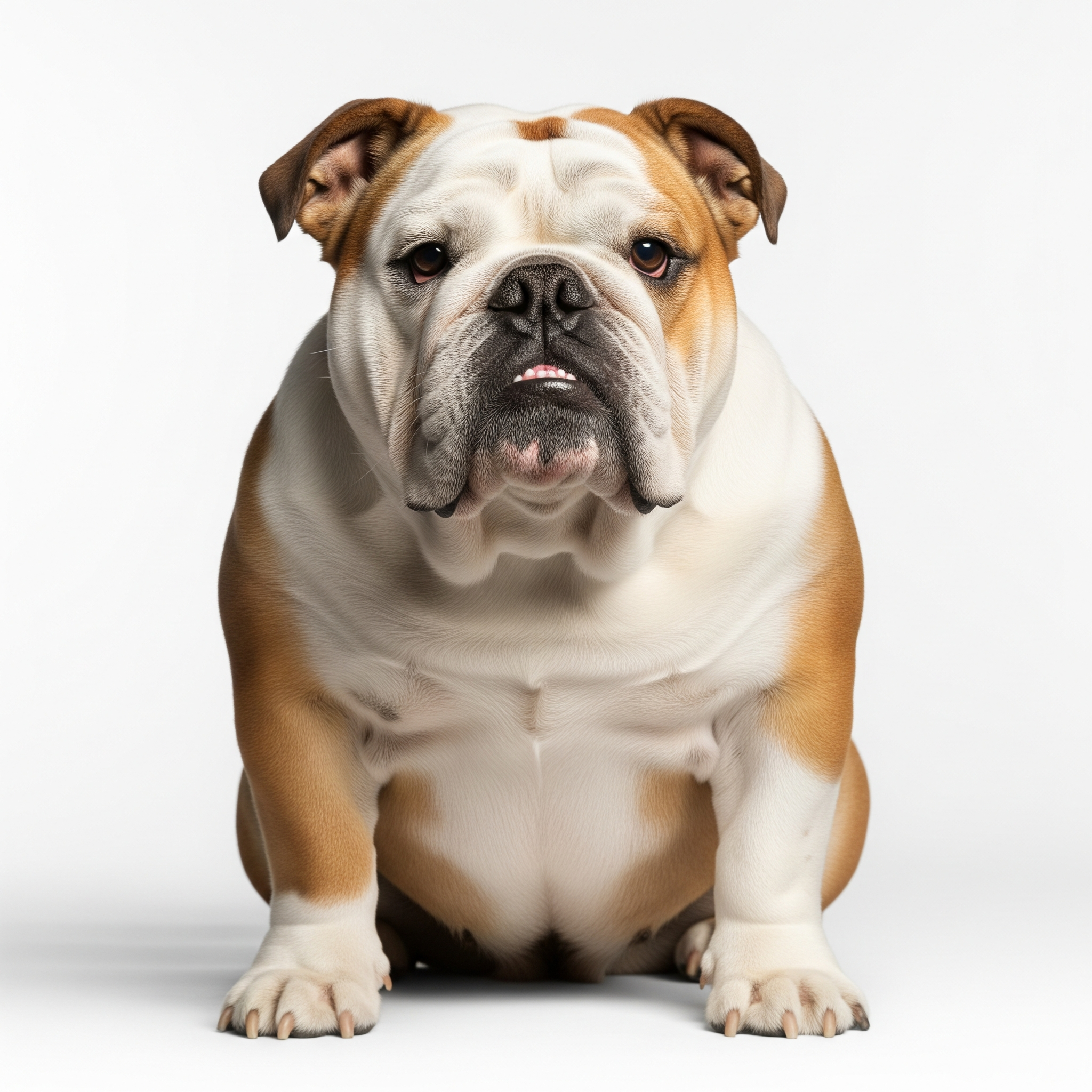
Archival print, museum-grade paper
Buy Poster
Stoneware mug, dishwasher safe
Buy Mug
Soft cotton tee, unisex sizes
Buy ShirtThe Bulldog is a symbol of tenacity and courage, frequently appearing as a mascot for sports teams, universities, and organizations. Its iconic appearance and resolute spirit have made it a fixture in British culture and beyond, representing steadfastness in art, media, and popular imagination.
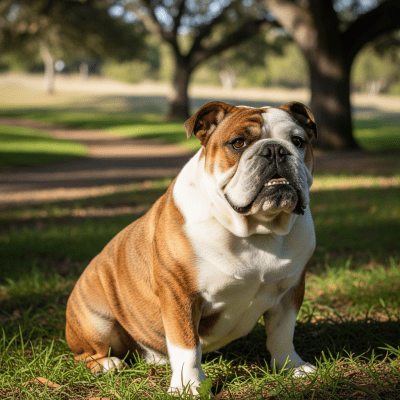

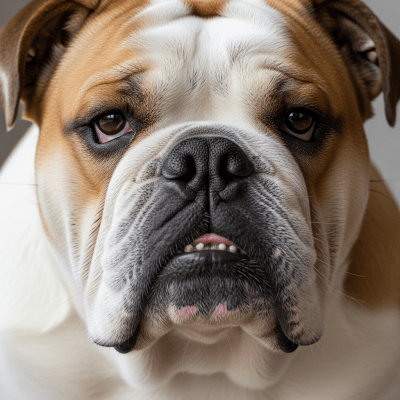
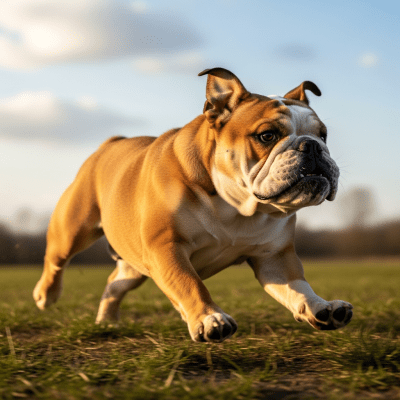
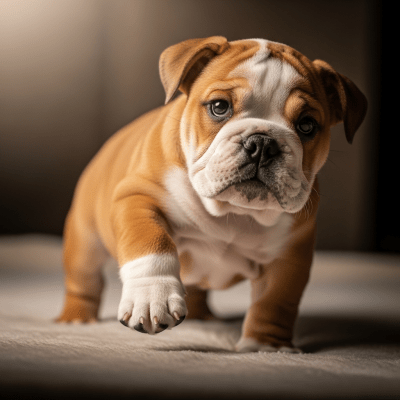
In some regions, "Bulldog" specifically refers to the English variety to distinguish it from related breeds.
The Bulldog is a medium-sized breed, typically standing 35–38 cm (14–15 inches) at the shoulder and weighing 18–23 kg (40–50 pounds). Its muscular, compact body and broad stance contribute to its robust appearance.
Bulldogs have a short, smooth coat that is easy to maintain. Common colors include brindle, white, red, fawn, and piebald, often with distinctive patterns and markings.
Bulldogs are celebrated for their gentle, calm, and affectionate temperament. They are generally easy to train due to their docile nature, though occasional stubbornness may require patience and positive reinforcement.
The average Bulldog lives 8–10 years. Common health issues include respiratory difficulties (due to their brachycephalic features), hip dysplasia, and skin infections. Regular veterinary care and mindful breeding practices are important for their well-being.
Bulldogs are primarily cherished as companion animals and family pets. Their gentle disposition makes them suitable for households of all ages. Additionally, Bulldogs often serve as mascots, embodying qualities of courage and perseverance for sports teams and organizations.
While "Bulldog" typically refers to the English or British Bulldog, related breeds such as the French Bulldog and American Bulldog exist, each with distinct characteristics. However, the classic Bulldog remains the most recognized and standardized variant globally.