Norwegian Elkhound
The Norwegian Elkhound is a robust, medium-sized spitz-type dog from Scandinavia, celebrated for its endurance, intelligence, and versatility as both a hunting companion and loyal family pet.
The Norwegian Elkhound is a robust, medium-sized spitz-type dog from Scandinavia, celebrated for its endurance, intelligence, and versatility as both a hunting companion and loyal family pet.
Originating in Norway, the Norwegian Elkhound descends from ancient Scandinavian spitz-type dogs, with archaeological evidence tracing its roots back over 6,000 years. Traditionally bred by Norwegian hunters and farmers, the breed was developed to track and hold large game—especially moose—in the country's rugged terrain. Formal breed recognition began with the Norwegian Kennel Club in the late 19th century, followed by international acknowledgment in the early 20th century.
The Norwegian Elkhound belongs to the Canidae family and is classified as a spitz-type breed within the domestic dog species (Canis lupus familiaris). It is typically grouped as a hound or working dog by major kennel clubs, recognized for its hunting prowess and adaptability to harsh northern climates.
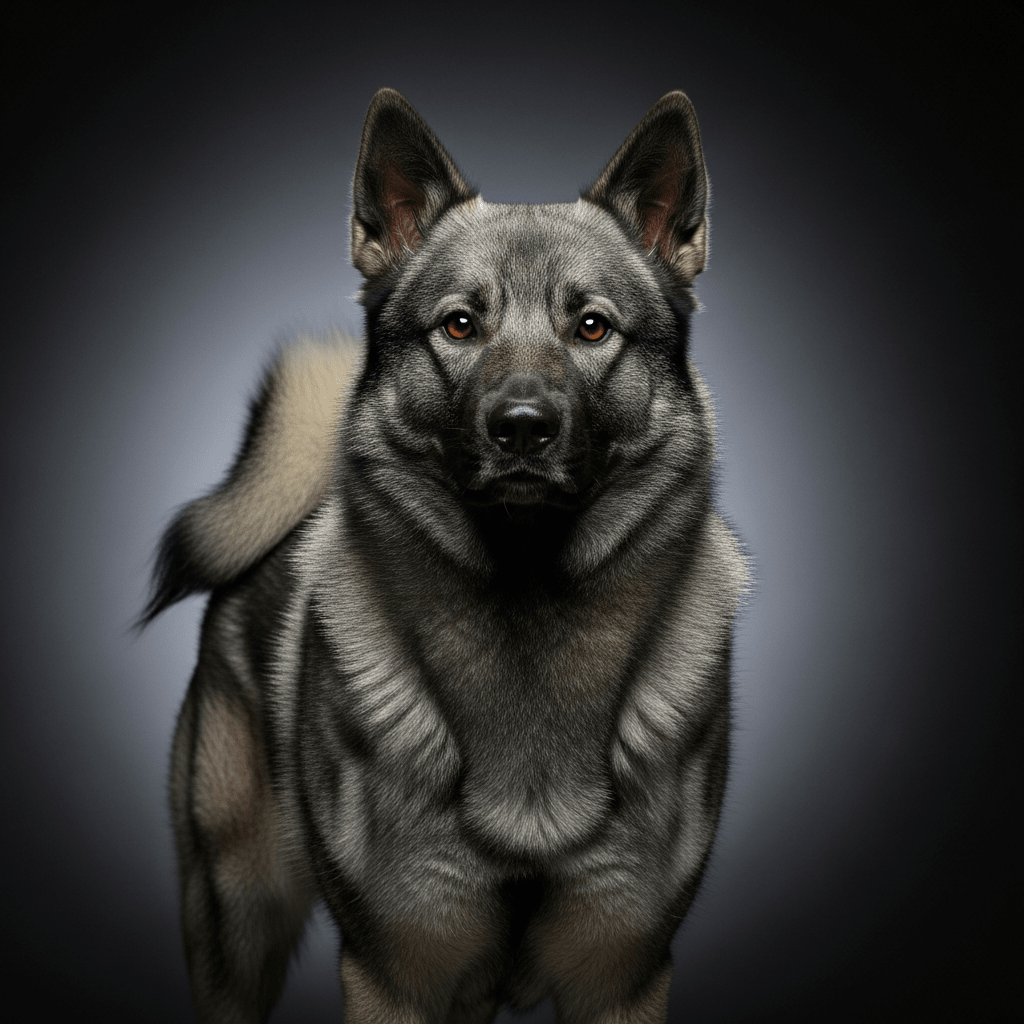
This breed is instantly recognizable for its sturdy, square build, erect pointed ears, and a tightly curled tail carried over the back. Its dense double coat features a striking silver-gray outer layer with black-tipped guard hairs and a soft, insulating undercoat. Dark, oval eyes convey alertness and intelligence, while its overall form radiates strength and agility, suited for navigating rugged landscapes.
The Norwegian Elkhound excels as a hunting companion, renowned for tracking, baying, and holding large game such as moose and bear. Its keen senses, stamina, and resilience make it an effective watchdog and a reliable partner in dog sports like agility, obedience, and search and rescue. In the home, Elkhounds are loyal, protective, and thrive in active households, forming strong bonds with their families.
Bring this kind into your world illustrated posters, mugs, and shirts.
Archival print, museum-grade paper
Buy Poster
Stoneware mug, dishwasher safe
Buy Mug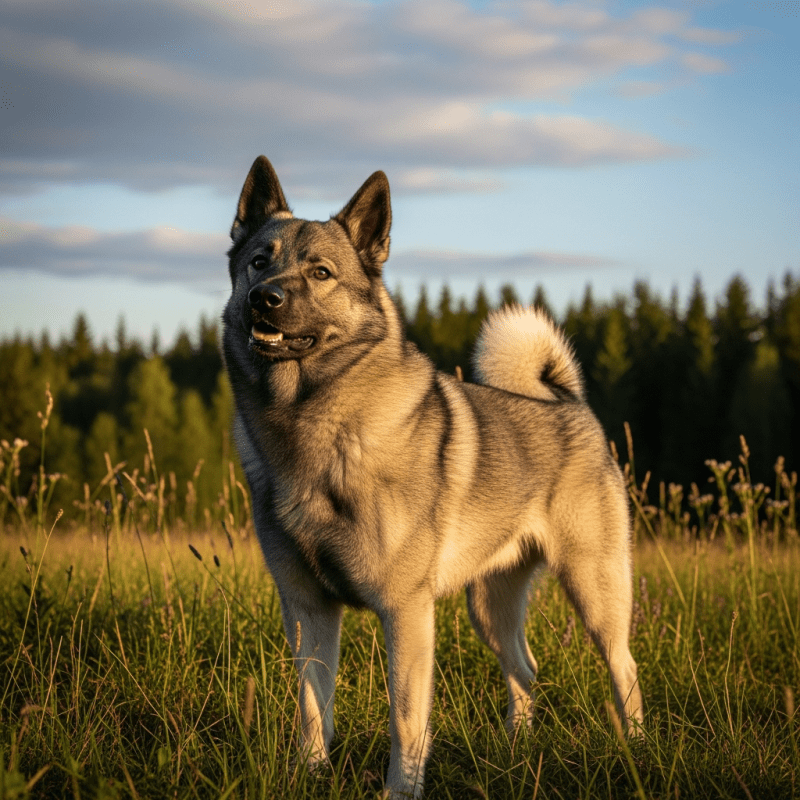
Soft cotton tee, unisex sizes
Buy ShirtDeeply woven into Norwegian heritage, the Elkhound has long symbolized the rugged spirit and resourcefulness of Scandinavian hunters. Its image appears in folklore and art as a steadfast companion in the wild. Today, the breed is celebrated not only for its historic role in hunting but also as an emblem of national pride and a cherished family dog in Norway and beyond.
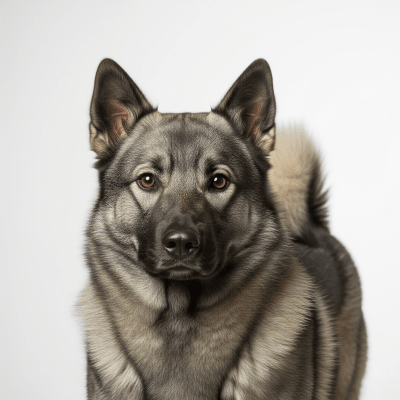
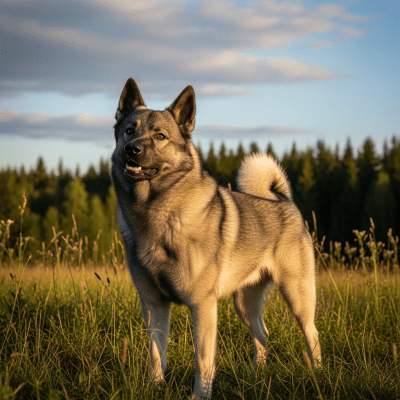

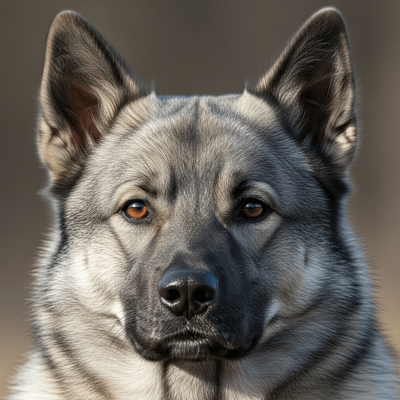
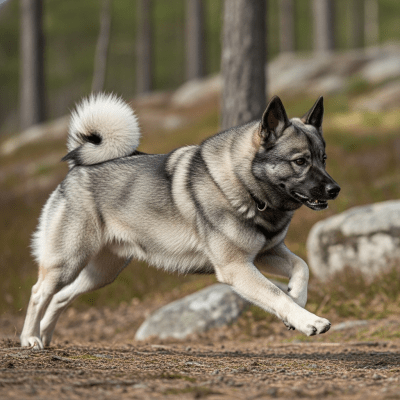
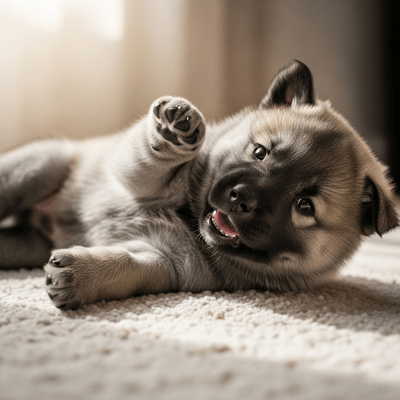
The Norwegian Elkhound is a medium-sized breed, standing 47–52 cm (19.5–20.5 inches) at the shoulder and weighing between 21.8–25 kg (48–55 pounds). Its sturdy, square build is designed for endurance and agility.
The breed sports a thick, weather-resistant double coat. The outer layer is silver-gray with distinctive black-tipped guard hairs, while the undercoat is soft and dense, providing insulation against cold climates. Seasonal shedding is substantial and regular grooming is recommended.
Norwegian Elkhounds are enduring, loyal, and highly intelligent. They are eager to work and respond well to consistent, positive training, though their independent streak may require patience. Their adaptability and agility make them excellent companions for both work and play.
This breed typically enjoys a long lifespan of 12–15 years. Owners should be mindful of hereditary health issues such as hip dysplasia and progressive retinal atrophy. Regular veterinary care and an active lifestyle help maintain their overall well-being.
The Norwegian Elkhound exhibits minimal regional variation, with breed standards remaining closely aligned across Norway, North America, and the UK. No significant subtypes or local lines are recognized.