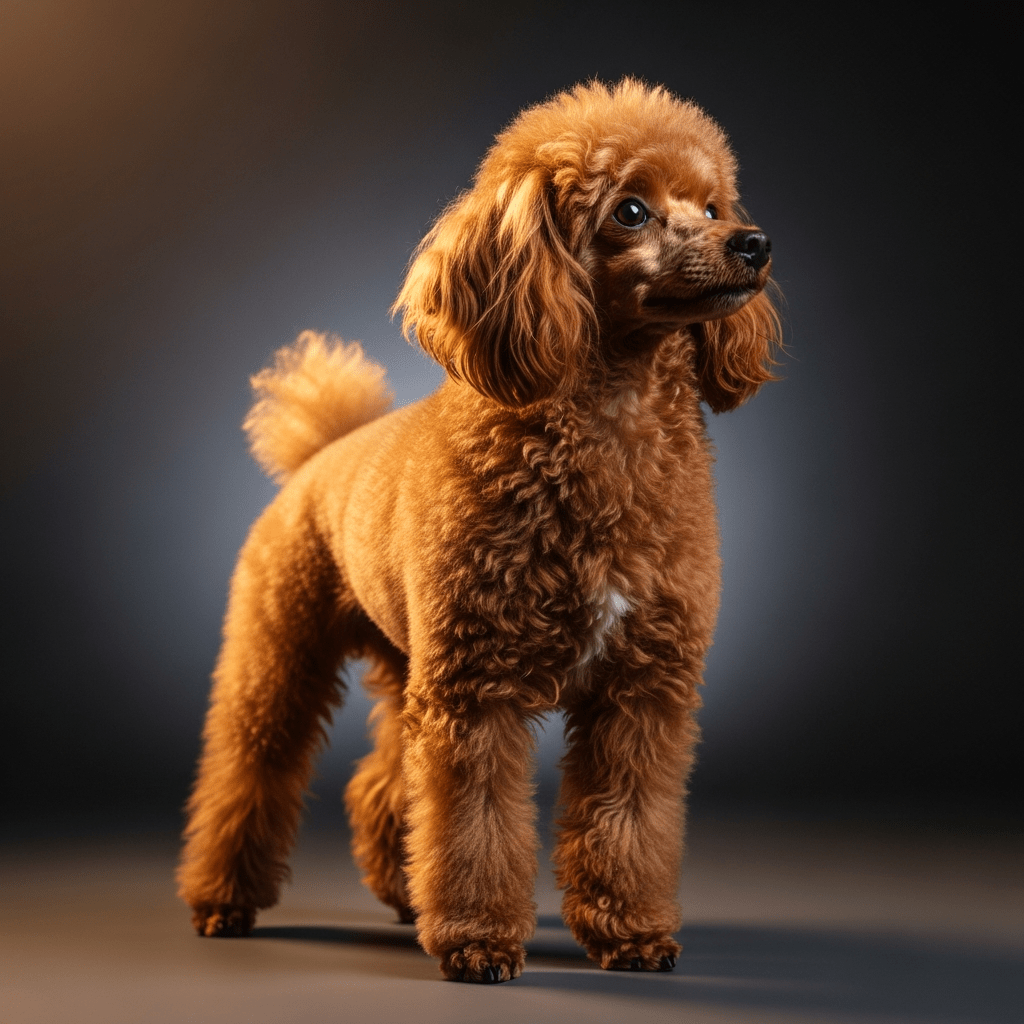
Toy Poodle
The Toy Poodle is a diminutive, highly intelligent breed renowned for its hypoallergenic curly coat and lively companionship, making it a favorite among urban dwellers and families worldwide.
The Toy Poodle is a diminutive, highly intelligent breed renowned for its hypoallergenic curly coat and lively companionship, making it a favorite among urban dwellers and families worldwide.
Originating in France, the Toy Poodle was developed from the Standard Poodle through selective breeding in the 18th and 19th centuries. European breeders, particularly in France and Germany, refined the Toy variety for nobility seeking elegant lap dogs. Unlike crossbreeds, the Toy Poodle is a recognized size variant within the Poodle lineage, prized for its petite stature and charming presence.
The Toy Poodle belongs to the Canis lupus familiaris species and is classified within the Poodle breed, which is divided into Standard, Miniature, and Toy varieties. It is grouped in the 'Toy' category by major kennel clubs, reflecting its small size and primary role as a companion animal. The breed is officially recognized by authorities such as the American Kennel Club, Fédération Cynologique Internationale, and The Kennel Club.
Toy Poodles are instantly recognizable by their compact, square build and fine bone structure. Standing under 25 cm (10 inches) at the shoulder and weighing just 1.8–2.7 kg (4–6 pounds), they carry themselves with elegance and agility. Their dense, curly, single-layer coat is both hypoallergenic and visually striking, available in a spectrum of solid colors including black, white, apricot, red, brown, silver, and blue. The breed’s expressive eyes and proud carriage add to its refined appearance.
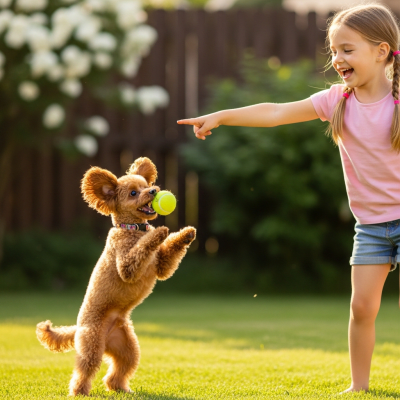
Renowned for their intelligence and adaptability, Toy Poodles excel as companion animals. They are lively, affectionate, and thrive on human interaction, making them suitable for families, singles, and seniors alike. Their trainability is exceptional, with many excelling in obedience, agility, and therapy work. Regular mental stimulation and exercise are essential to keep these energetic dogs content and well-behaved.
Bring this kind into your world illustrated posters, mugs, and shirts.

Archival print, museum-grade paper
Buy Poster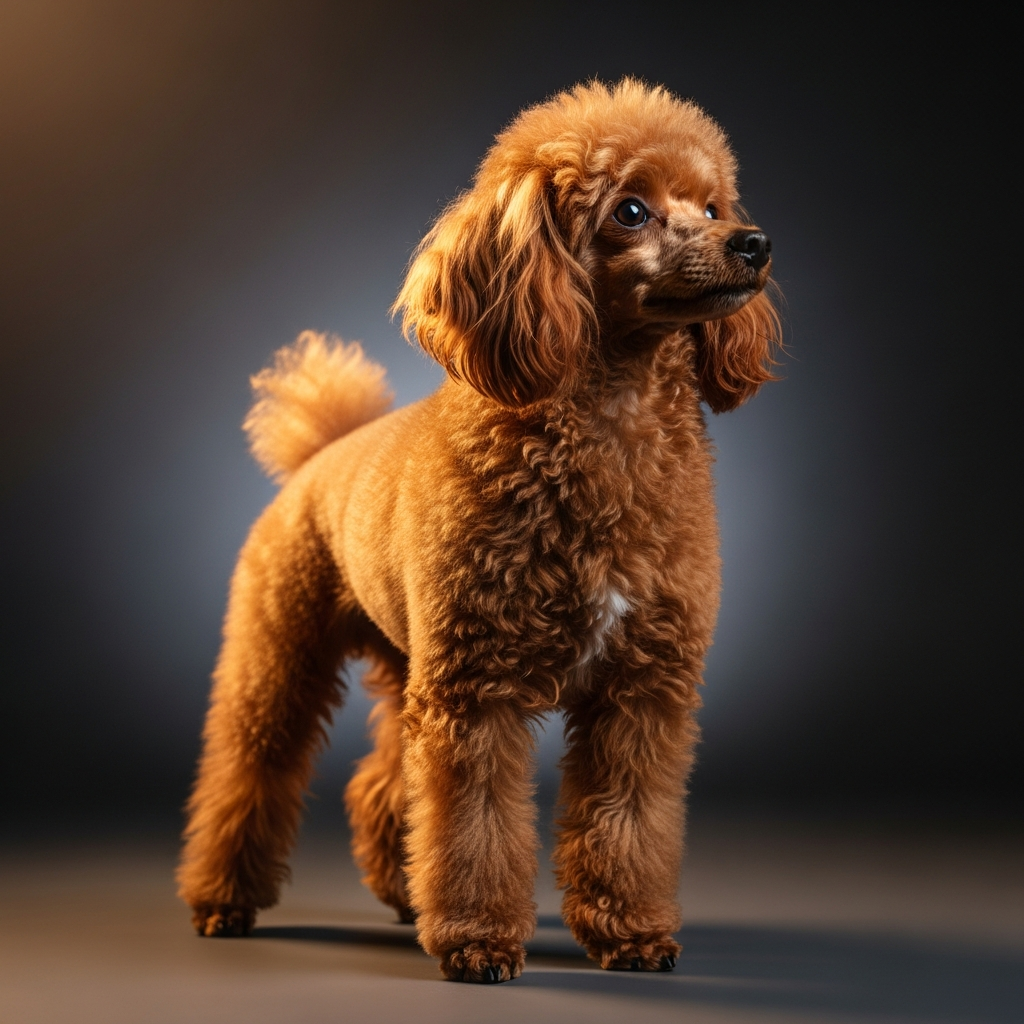
Stoneware mug, dishwasher safe
Buy Mug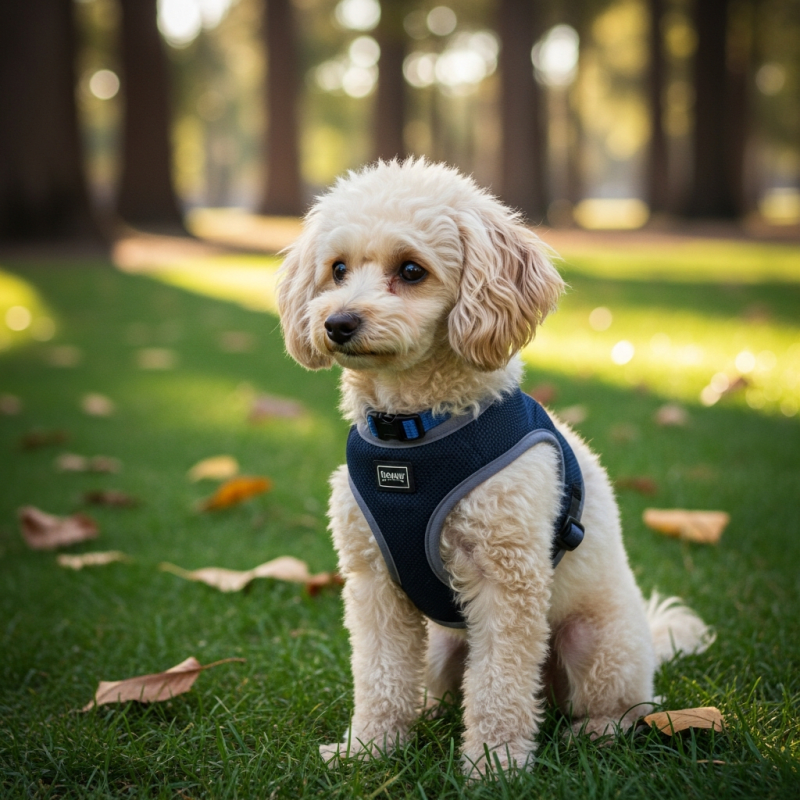
Soft cotton tee, unisex sizes
Buy ShirtToy Poodles have long been associated with luxury, fashion, and aristocratic circles, often depicted as pampered lap dogs in art and media. Their presence in dog shows and popular culture underscores their reputation for elegance and sophistication. The breed’s hypoallergenic qualities and manageable size have further cemented its status as a symbol of refined urban living.
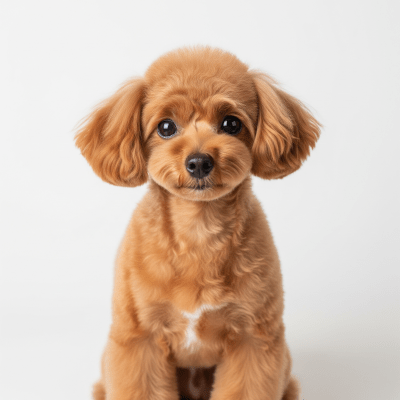
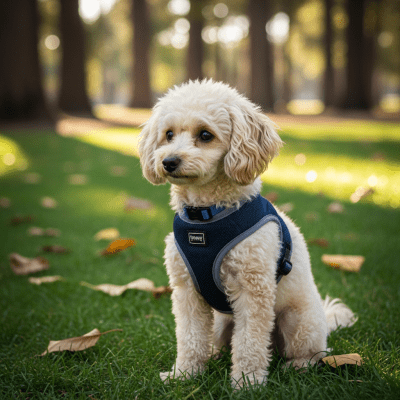



Toy Poodles are classified as a small breed, standing under 25 cm (10 inches) at the shoulder and weighing between 1.8–2.7 kg (4–6 pounds). Their fine bone structure and compact build contribute to their elegant appearance and agility.
The breed sports a dense, curly, single-layer coat that is hypoallergenic and low-shedding. Toy Poodles come in a wide range of solid colors, including black, white, apricot, red, brown, silver, and blue. Their coat requires regular grooming and can be styled in various clips, such as the puppy or continental clip, especially for shows.
Toy Poodles are celebrated for their lively, affectionate, and highly intelligent nature. They are eager to learn, quick to pick up commands, and excel in obedience and agility. Their adaptability makes them suitable for a variety of households, but they thrive best with regular mental stimulation and positive interaction.
Toy Poodles are generally robust but may be prone to certain health issues, including dental problems, patellar luxation, and progressive retinal atrophy. With attentive care and routine veterinary checkups, they often enjoy a long lifespan, frequently living well into their teens.
Toy Poodles are primarily cherished as companion animals, valued for their affectionate nature and intelligence. They also excel in obedience and agility competitions, and are increasingly sought after for therapy work due to their gentle temperament and responsiveness.
While the Toy Poodle’s core characteristics remain consistent worldwide, regional differences can be seen in preferred coat colors and grooming styles. In France, the breed is known as Caniche Toy, and show settings may feature distinctive clips such as the puppy or continental clip. These stylistic choices reflect local traditions and aesthetic preferences rather than fundamental breed differences.