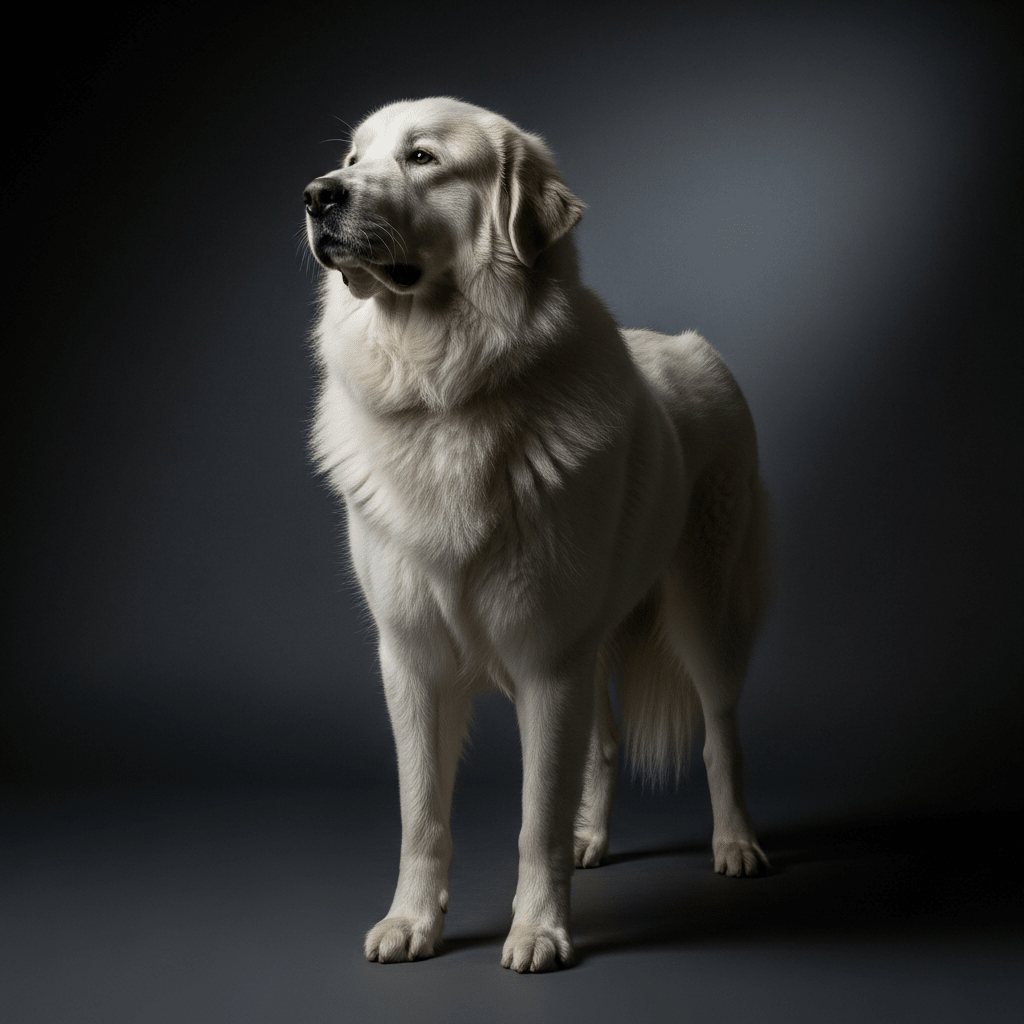
Great Pyrenees
The Great Pyrenees is a giant, majestic livestock guardian dog breed renowned for its thick white coat, calm temperament, and steadfast protective instincts.
The Great Pyrenees is a giant, majestic livestock guardian dog breed renowned for its thick white coat, calm temperament, and steadfast protective instincts.
Originating in the rugged Pyrenees mountains that span France and Spain, the Great Pyrenees was developed by shepherds and rural communities as a guardian for flocks. Its lineage dates back to at least 3000 BC, with ancestry rooted in ancient large white mountain dogs found throughout Europe. The breed evolved in harsh, mountainous terrain, shaping its endurance, resilience, and iconic appearance.
The Great Pyrenees belongs to the Canis lupus familiaris species and is classified within the working group by major kennel clubs. It is recognized as a livestock guardian breed, part of a broader family of mountain dogs bred for protection and endurance in challenging environments.
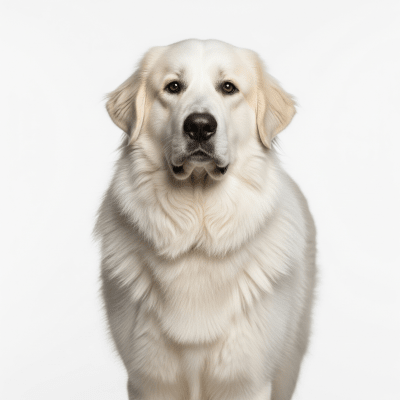
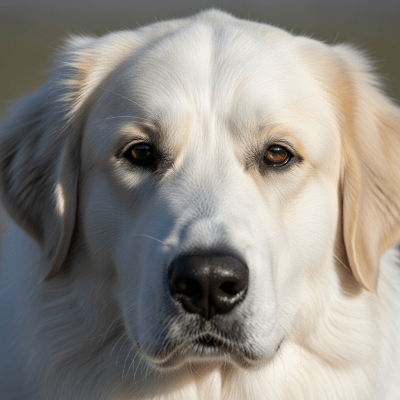
This breed is imposing and elegant, with males standing 69–81 cm at the shoulder and weighing 45–73 kg. Its dense, weather-resistant double coat is predominantly white, sometimes adorned with subtle gray, tan, or badger markings. The head is broad and gentle, the body robust and muscular, and the overall impression is one of strength, grace, and tranquility.
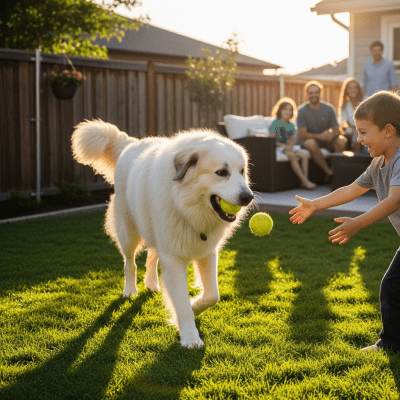
The Great Pyrenees is famed for its vigilant guardianship of livestock, displaying unwavering loyalty and calmness with its family. It is gentle with children, reserved with strangers, and possesses strong protective instincts. Beyond its traditional role, the breed excels as a companion, therapy dog, and participant in search-and-rescue operations.
Bring this kind into your world illustrated posters, mugs, and shirts.
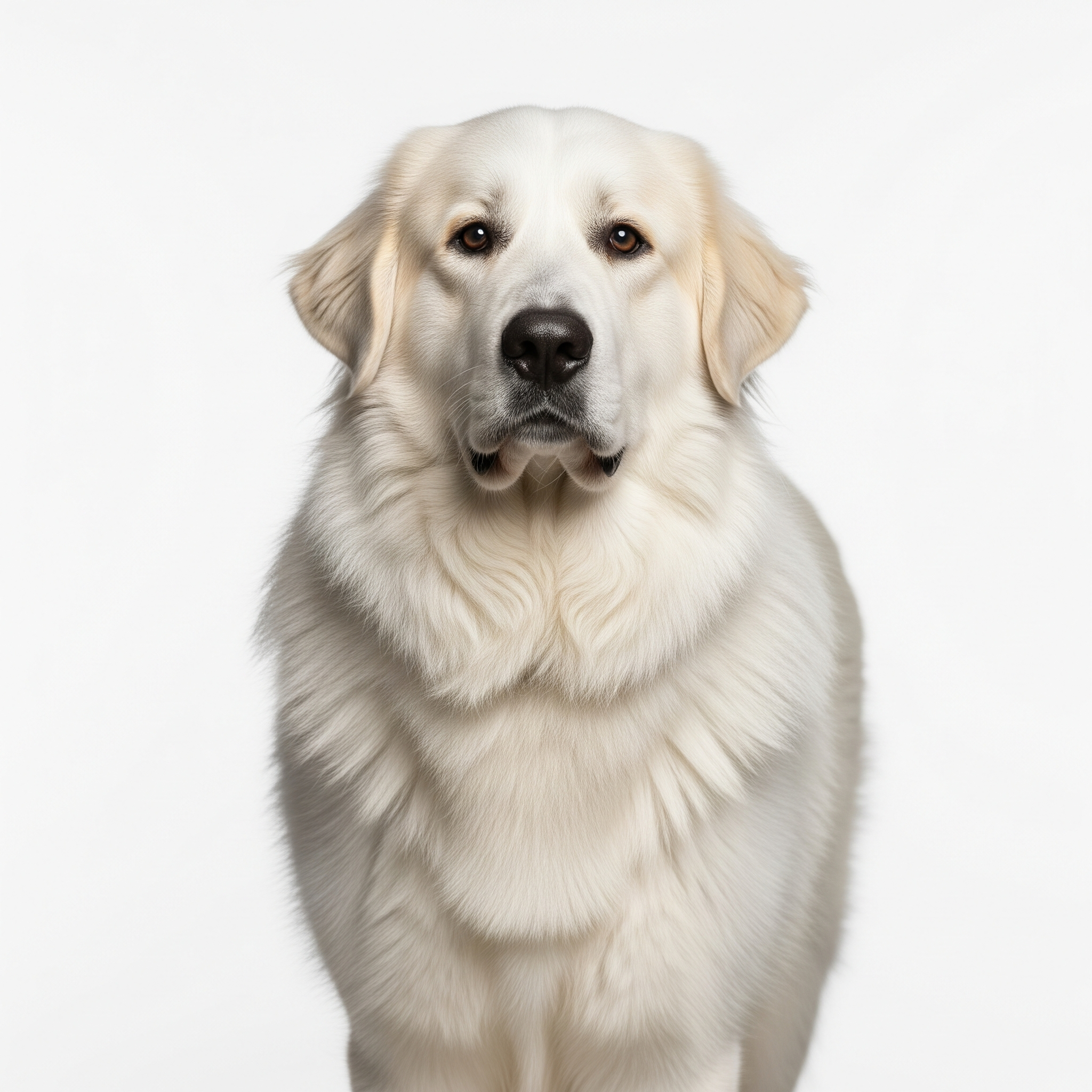
Archival print, museum-grade paper
Buy Poster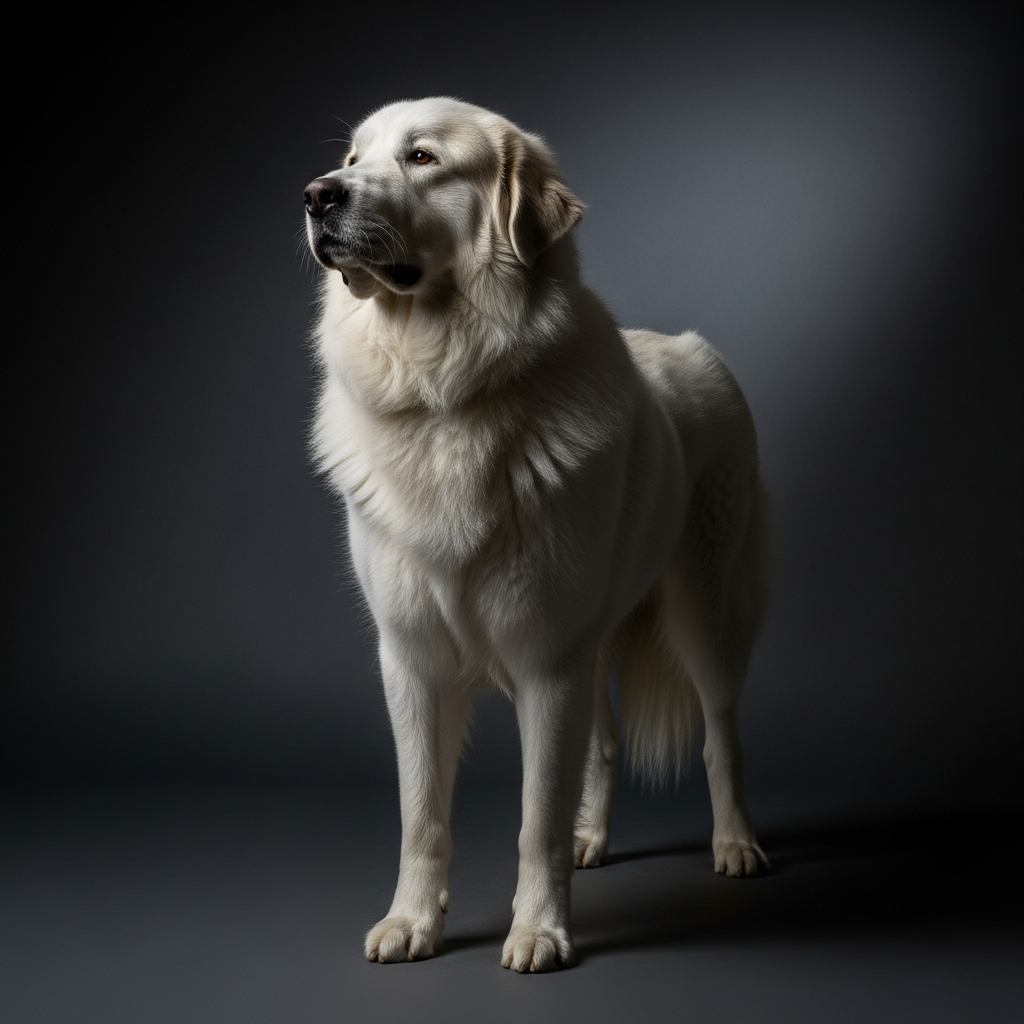
Stoneware mug, dishwasher safe
Buy Mug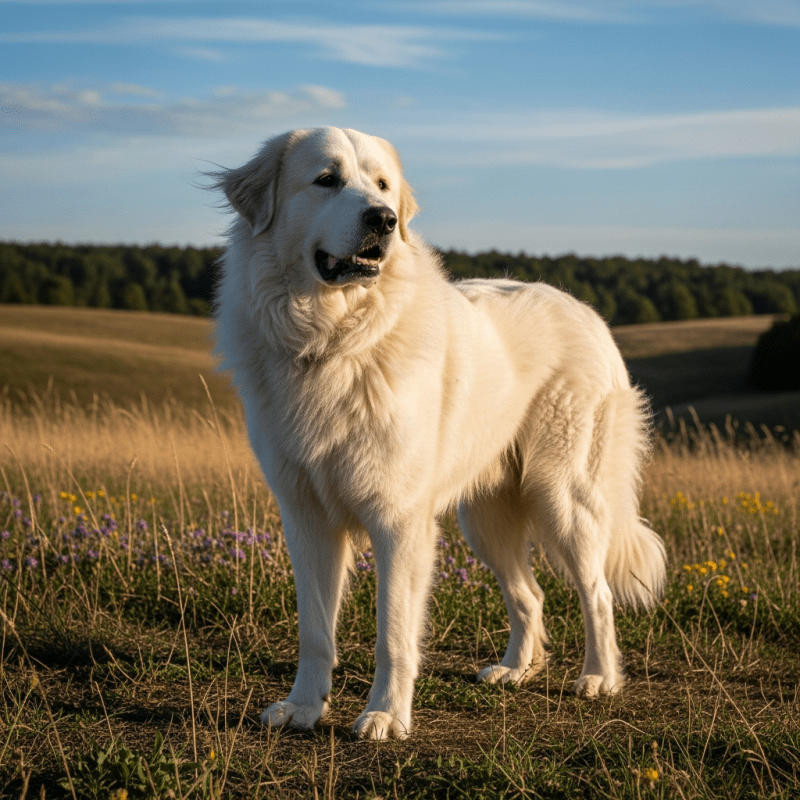
Soft cotton tee, unisex sizes
Buy ShirtThroughout history, the Great Pyrenees has been celebrated in rural folklore and art as the quintessential flock guardian. Its noble bearing and serene presence have made it a symbol of steadfast protection in European pastoral culture. Today, it is admired worldwide in dog shows and as a beloved family companion, embodying both tradition and elegance.
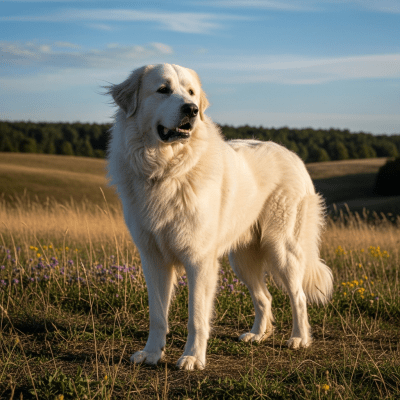
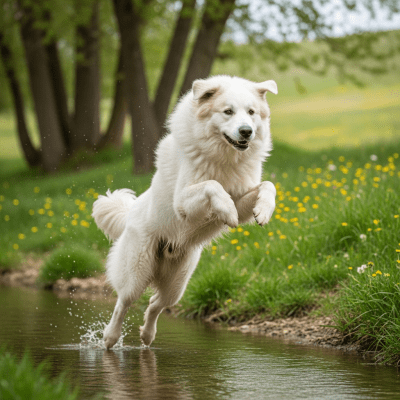

The Great Pyrenees is a giant breed, with males typically measuring 69–81 cm at the shoulder and weighing 45–73 kg. Females are slightly smaller, but all exhibit a robust, muscular build suited for endurance and strength.
This breed sports a dense, weather-resistant double coat that is thick and long. Most Great Pyrenees are pure white, though some display gray, tan, or badger markings, especially on the head and body.
Calm, gentle, and loyal, the Great Pyrenees is known for strong protective instincts and a reserved demeanor with strangers. It is intelligent but independent, requiring patient, consistent training to harness its natural abilities.
The typical lifespan for a Great Pyrenees is 10–12 years. Common health concerns include hip dysplasia, orthopedic issues, and susceptibility to heat stress, making regular veterinary care and appropriate living conditions essential.
Minor regional variants exist, primarily in coloration and working style, but the breed standard remains consistent across major authorities. In Spain, the Mastín del Pirineo is a related but distinct breed, while the Pyrenean Mountain Dog and Chien de Montagne des Pyrénées are alternate names used in the UK and France, respectively.