
Beagle
The Beagle is a small to medium-sized hound breed celebrated for its keen sense of smell, friendly nature, and versatility as both a companion and working dog.
The Beagle is a small to medium-sized hound breed celebrated for its keen sense of smell, friendly nature, and versatility as both a companion and working dog.
Originating in England during the 16th century, the Beagle was developed by selectively breeding various small English hounds for the purpose of hunting hare—a practice known as beagling. The breed’s evolution was shaped by English country gentry, and its modern standard was formalized in the late 19th century. The Beagle Club (UK) was founded in 1890, and the American Kennel Club officially recognized the breed in 1885.
The Beagle belongs to the hound group, specifically classified as a scent hound. Within the broader taxonomy of dogs, it is part of the Canidae family, genus Canis, and species Canis lupus familiaris. The breed is grouped with other scent hounds known for their tracking abilities and is recognized by major kennel clubs worldwide.
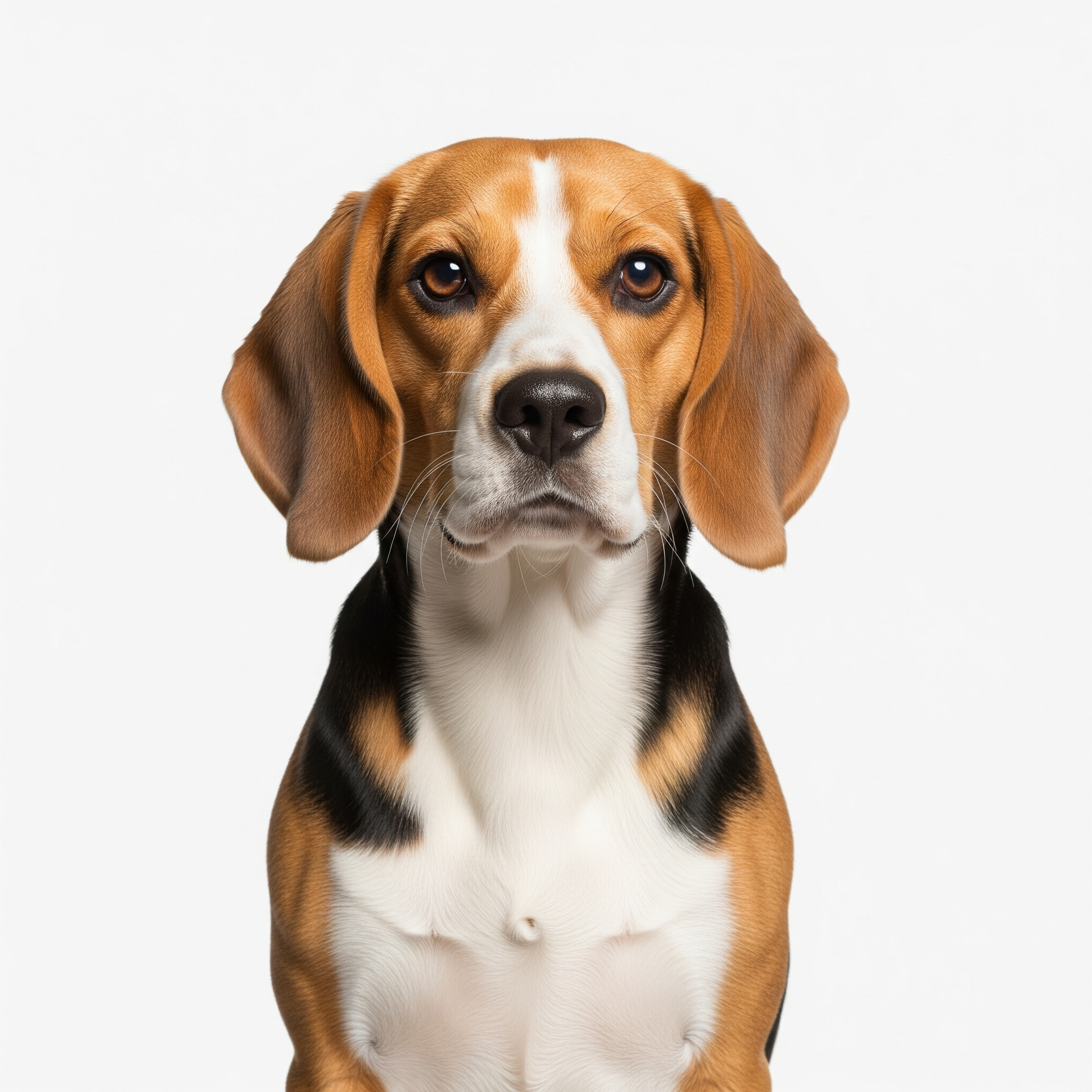
Beagles are compact, muscular dogs with a sturdy build. They feature a short, dense, weather-resistant coat that is most commonly tricolor (black, white, tan) or bicolor (lemon, red, or brown with white). Their long, drooping ears, broad head, and expressive brown or hazel eyes give them a gentle, inquisitive look. The overall impression is one of agility and alertness, with a tail often carried high.
Beagles are energetic, sociable, and intelligent, thriving on companionship and activity. Their strong scenting instinct makes them exceptional trackers, which has led to their widespread use in detection roles for customs, agriculture, and medical fields. As family pets, they are affectionate and playful, but their curiosity and tendency to follow scents require secure containment and regular exercise.
Bring this kind into your world illustrated posters, mugs, and shirts.
Archival print, museum-grade paper
Buy Poster
Stoneware mug, dishwasher safe
Buy Mug
Soft cotton tee, unisex sizes
Buy ShirtThe Beagle’s friendly demeanor and distinctive appearance have made it a beloved figure in popular culture, frequently featured in media, advertising, and literature. Iconic Beagles such as Snoopy have cemented the breed’s status as a symbol of loyalty and playfulness. Historically, Beagles were central to rural hunting traditions, and today they remain emblematic of both companionship and working excellence.


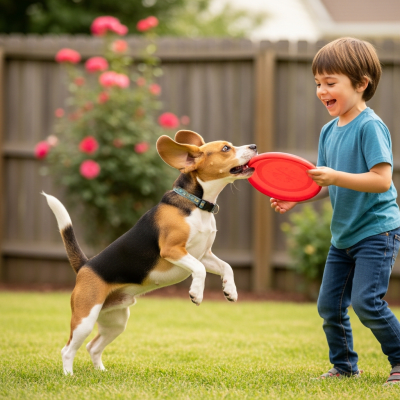

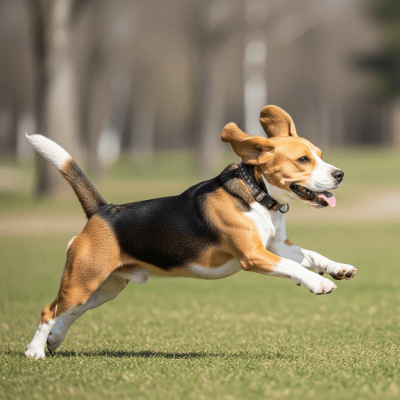

Beagles are classified as medium-sized dogs, typically standing 33–38 cm (13–15 inches) at the shoulder and weighing between 9–13.5 kg (20–30 pounds). Their compact, muscular build supports their agility and endurance.
The Beagle’s coat is short, dense, and weather-resistant, offering protection in varied climates. Common color patterns include tricolor (black, white, tan) and several bicolor combinations such as lemon and white, red and white, or brown and white.
Beagles are highly energetic, sociable, and intelligent, with a strong instinct to follow scents. While they are eager and responsive to positive reinforcement, their independent streak and distraction by interesting smells can pose challenges during training. Patience and consistency are key to successful training.
Beagles are generally robust and long-lived, with an average lifespan of 12–15 years. Common health concerns include obesity, ear infections, epilepsy, and hypothyroidism. Regular exercise, a balanced diet, and routine veterinary care help ensure their well-being.
Notable regional variants include the American Beagle, which tends to differ slightly in size and appearance from the English Beagle. The historical Pocket Beagle, now extinct, was a miniature version favored by English nobility. Today, both American and English standards are recognized by major kennel clubs, with subtle distinctions in physical traits and breed presentation.