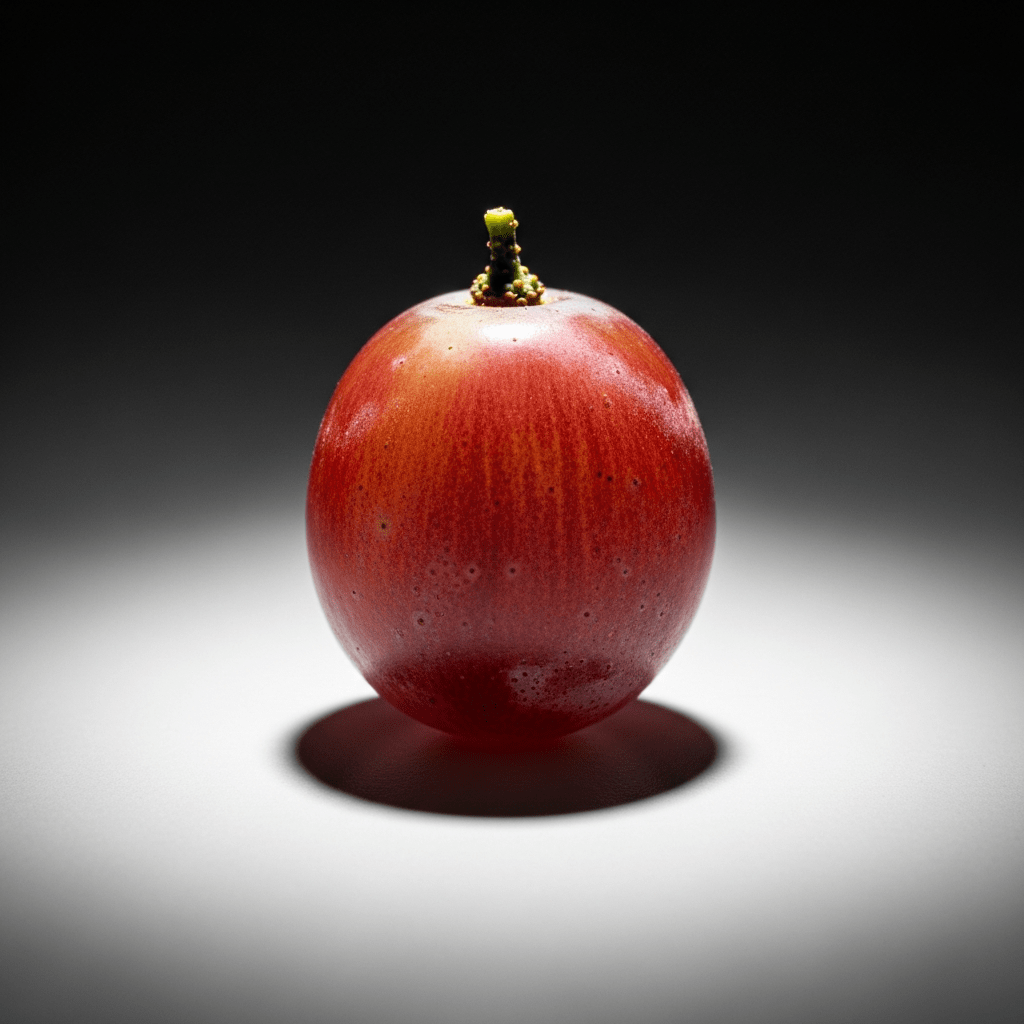
Grape
The grape is a true berry, celebrated worldwide for its versatility in fresh, dried, and processed forms, and stands among the most economically and culturally significant fruits.
The grape is a true berry, celebrated worldwide for its versatility in fresh, dried, and processed forms, and stands among the most economically and culturally significant fruits.
Domesticated grapes (Vitis vinifera) trace their roots to the Near East, with evidence of cultivation dating back over 6,000 years. Ancient civilizations—including Egyptians, Greeks, and Romans—played pivotal roles in selecting and breeding grapes, shaping the diversity seen today. Modern grape varieties also reflect centuries of innovation, with breeding institutions and interspecific hybridization (notably with American species) expanding their adaptability and resilience.
Botanically, grapes belong to the family Vitaceae and are classified as true berries—fleshy fruits developing from a single ovary. The primary species, Vitis vinifera, anchors global viticulture, while related species and hybrids contribute to regional diversity, disease resistance, and specialized uses. Grapes are central to both botanical and culinary definitions of "berry," exemplifying the overlap between scientific taxonomy and food traditions.
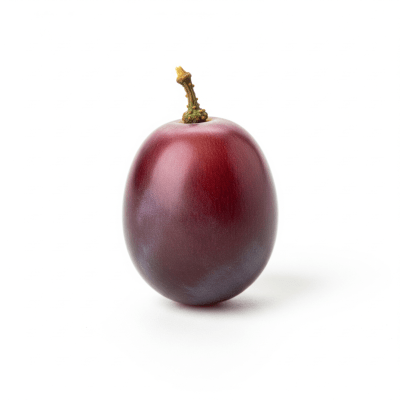
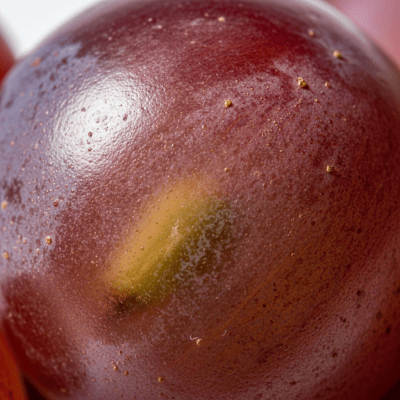
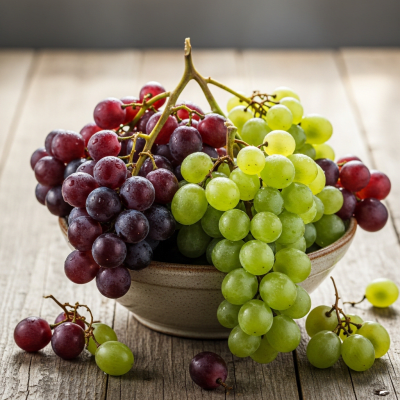
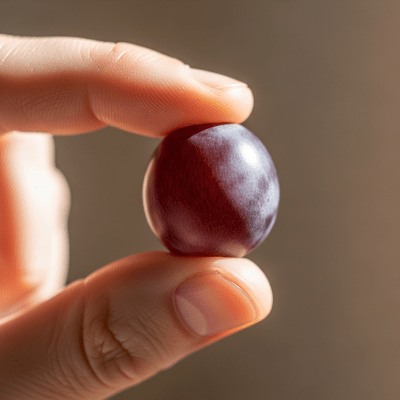
Grape berries are small (1–3 cm), round to oval, and grow in tight clusters that can contain from a handful to hundreds of berries. Their skin color spans green, yellow, red, purple, blue-black, and pink, depending on the cultivar. The flesh is juicy and sweet, with seeded types containing up to four seeds, though seedless varieties are common for fresh eating and drying. The vine itself is a perennial, climbing liana, typically trained on trellises for support.
Grapes are enjoyed fresh as table fruit, dried into raisins, sultanas, and currants, and processed into wine, juice, jelly, and vinegar. Their leaves are also edible, featured in dishes such as dolma. Grapes interact with their environment as vigorous climbers, requiring human intervention for cultivation and harvest. Their utility spans nutrition, culinary arts, and industrial processing, making them integral to global food systems.
Bring this kind into your world illustrated posters, mugs, and shirts.
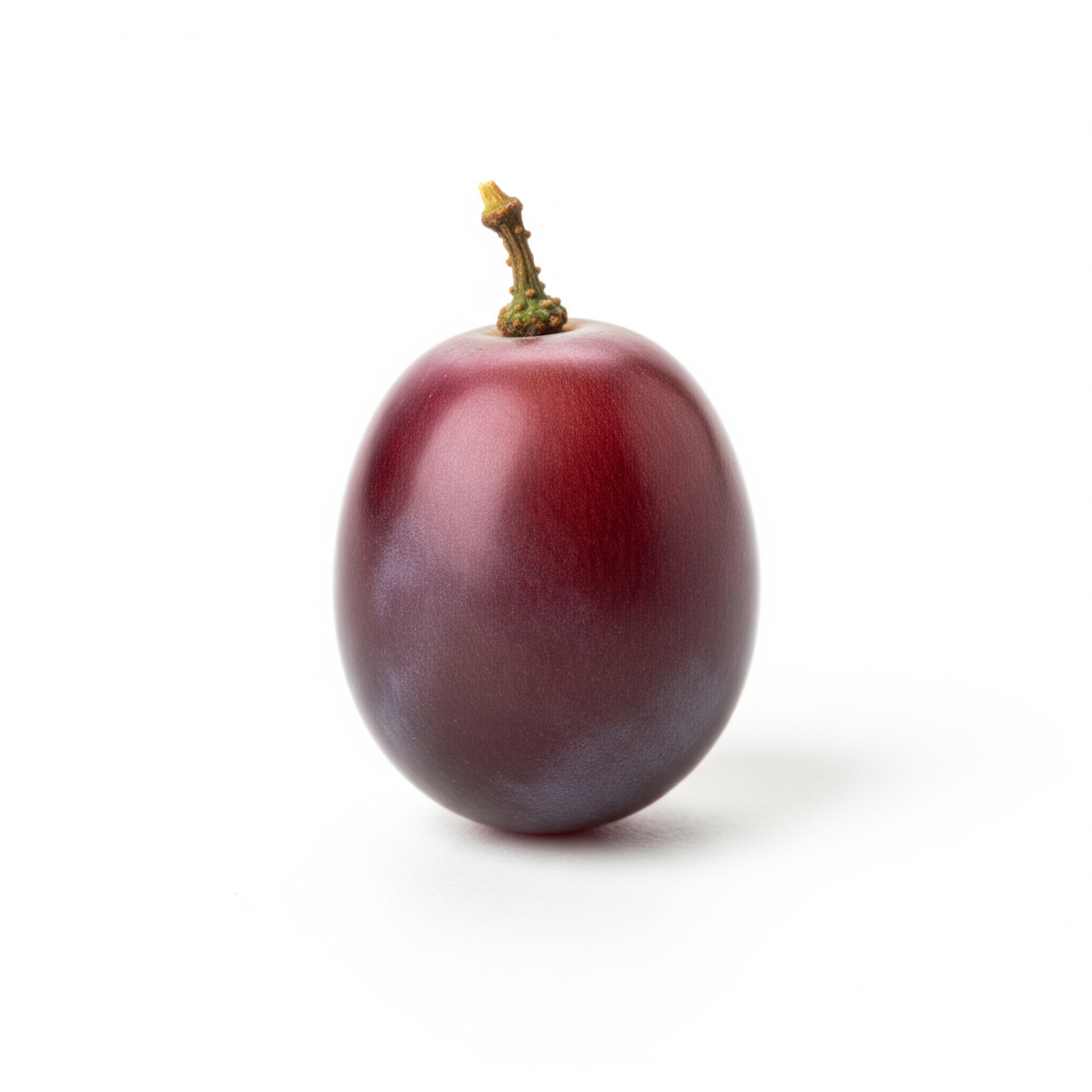
Archival print, museum-grade paper
Buy Poster
Stoneware mug, dishwasher safe
Buy Mug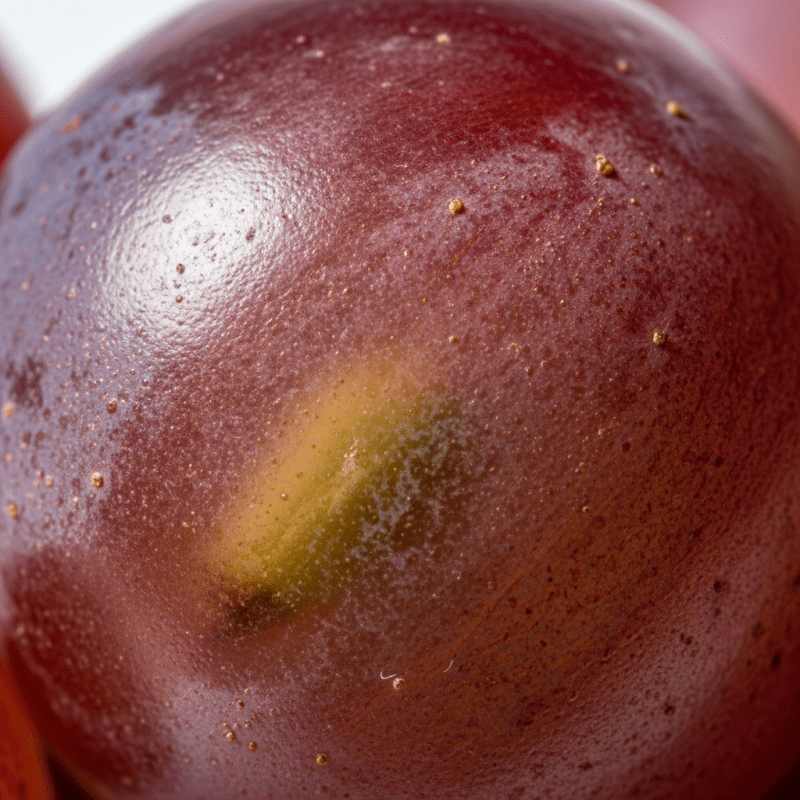
Soft cotton tee, unisex sizes
Buy ShirtFew fruits rival the grape’s cultural resonance. Grapes are deeply woven into mythology, symbolism, and ritual—from ancient Greek and Roman wine gods to their role in religious ceremonies and art. Wine production, in particular, has shaped economies, landscapes, and social customs across continents. Grapes feature prominently in Mediterranean and Middle Eastern cuisines, and their imagery often represents abundance, celebration, and transformation.
Grapes are perennial, deciduous woody vines (lianas) that climb and require support. Their berries are small, round to oval, and grow in clusters ranging from 10 to over 300 fruits. Skin color varies widely, and the flesh is juicy, with both seeded and seedless types. Grapes are sensitive to fungal diseases and pests, but some hybrids offer improved resistance and cold hardiness.


Grapes thrive in temperate and Mediterranean climates, requiring trellising for optimal growth and yield. Yields vary by cultivar and management, typically ranging from 5 to over 20 tons per hectare. Disease management is crucial, as grapes are susceptible to powdery mildew, downy mildew, Botrytis, phylloxera, and viruses. American species and hybrids are valued for their disease resistance and cold tolerance. Table grapes are stored under refrigeration for extended shelf life, while wine grapes are processed promptly after harvest.
Grapes are a major global commodity, with leading producers including China, Italy, the USA, Spain, and Turkey. Wine grapes dominate the industry, driving viticulture and international trade. Table grapes and dried grapes are also significant in global markets, with consumer demand supporting a vast array of cultivars and processed products. Market trends reflect ongoing innovation in breeding, disease resistance, and post-harvest handling.
Grapes are susceptible to fungal diseases (powdery mildew, downy mildew, Botrytis), phylloxera, and viruses. Some American species and hybrids offer notable resistance and cold hardiness. Table grapes can be stored under refrigeration for several weeks, while wine grapes are typically processed soon after harvest to preserve quality.