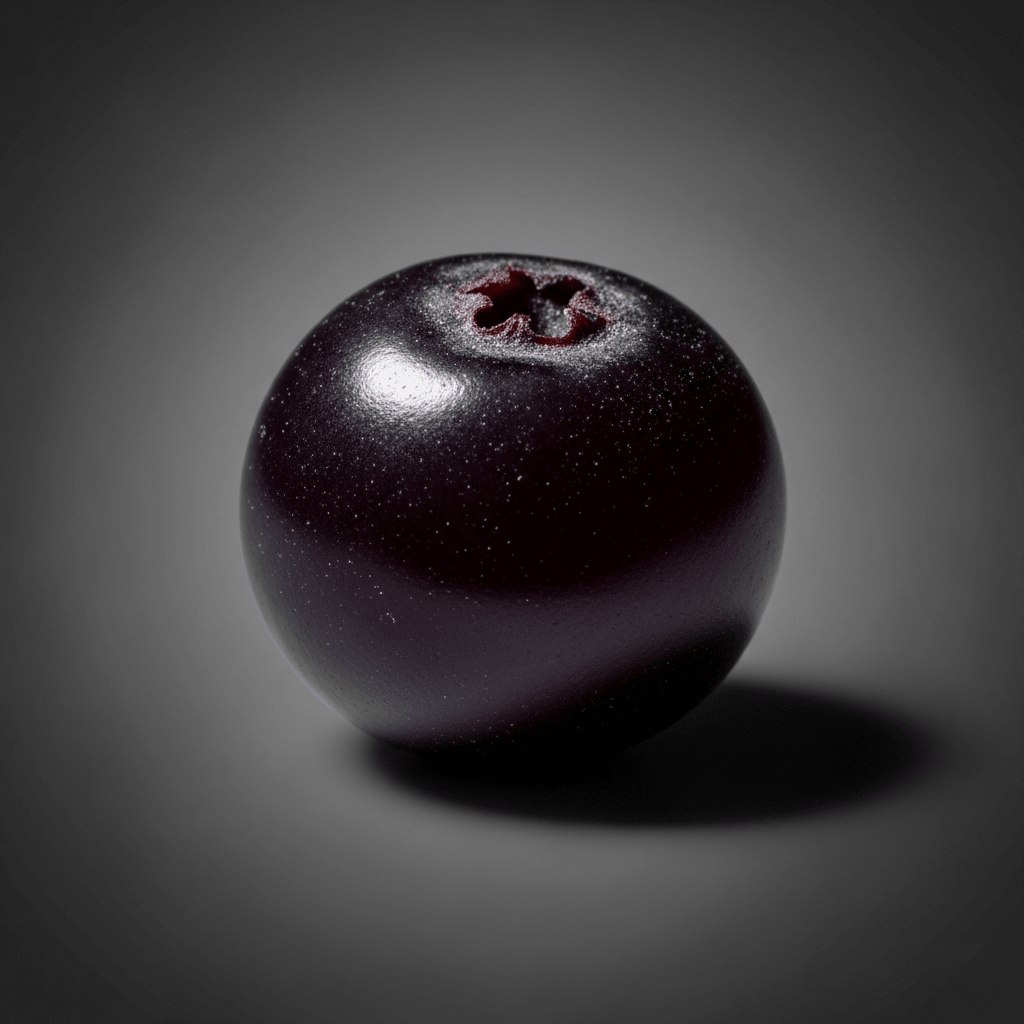
Farkleberry
Farkleberry (Vaccinium arboreum) is a resilient wild berry native to the southeastern United States, known for its small, dark fruits and ecological importance in woodland habitats.
Farkleberry (Vaccinium arboreum) is a resilient wild berry native to the southeastern United States, known for its small, dark fruits and ecological importance in woodland habitats.
First described scientifically in 1785, farkleberry is a naturally occurring species found throughout the southeastern U.S., including states like Alabama, Georgia, Mississippi, and Texas. Unlike many cultivated berries, it has no known breeder or cultivar lineage and thrives in rocky uplands and forest edges, reflecting its deep roots in North American landscapes.
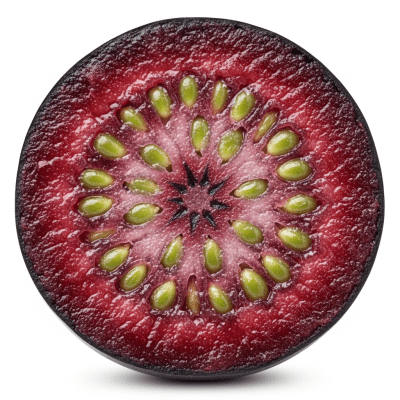
Farkleberry belongs to the genus Vaccinium in the family Ericaceae, a group that also includes blueberries and huckleberries. It is classified as a true botanical berry, meaning its fruit develops from a single ovary and contains seeds within a fleshy interior. This sets it apart from aggregate fruits like raspberries and strawberries, which are grouped as berries in culinary contexts but differ botanically.
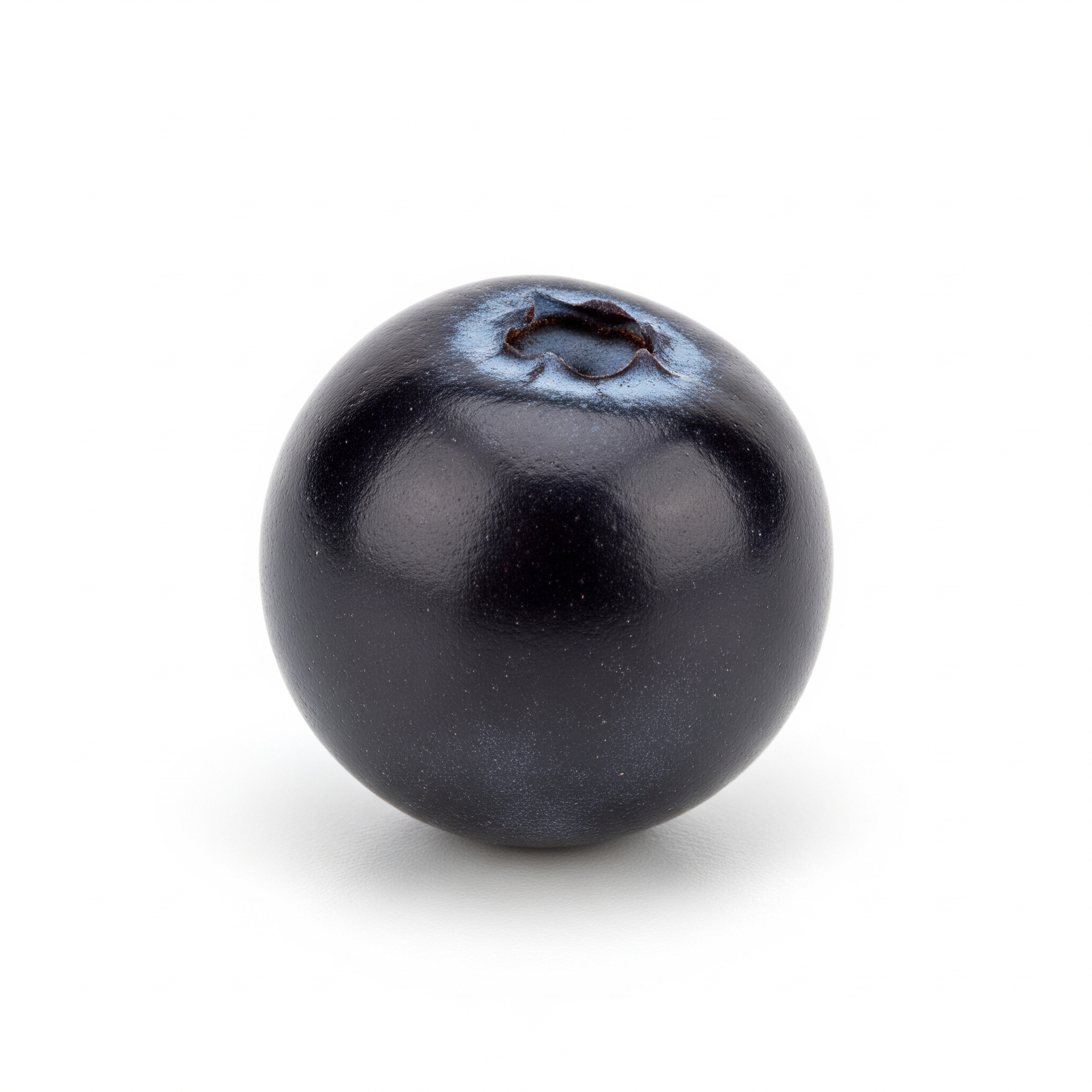
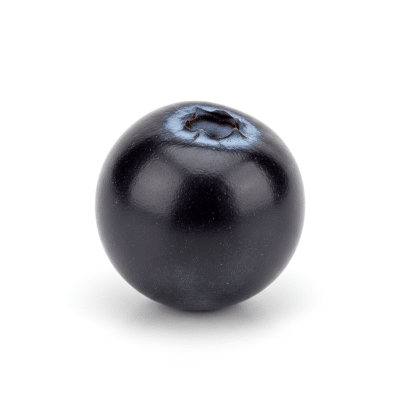
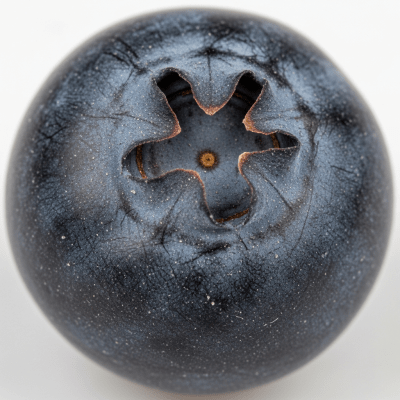
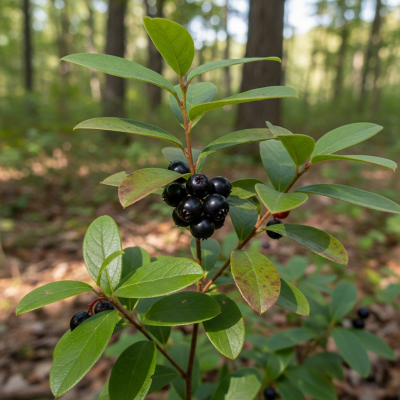
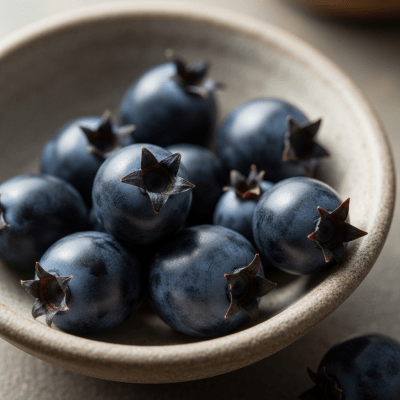
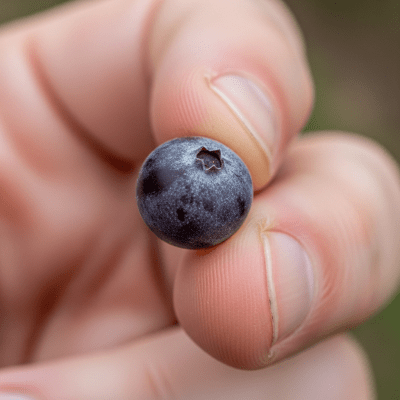
The farkleberry plant is a deciduous shrub or small tree, reaching heights of 3–10 meters (10–33 feet). Its leaves are glossy, leathery, and alternately arranged, while spring brings small, white, bell-shaped flowers. The berries themselves are round, firm, and measure 6–10 mm in diameter, ripening to a deep blue or black in late summer to fall. Their tough skin and slightly sweet to astringent flavor are distinctive among wild berries.
Farkleberry plays a vital ecological role, providing food for birds and small mammals in its native habitats. For humans, its use is mostly limited to local foraging and small-scale culinary applications, such as jams and preserves. Its resilience to poor, acidic soils and drought makes it a common sight in challenging environments, though its slow growth and sparse fruiting limit broader agricultural use.
Bring this kind into your world illustrated posters, mugs, and shirts.
Archival print, museum-grade paper
Buy Poster
Stoneware mug, dishwasher safe
Buy Mug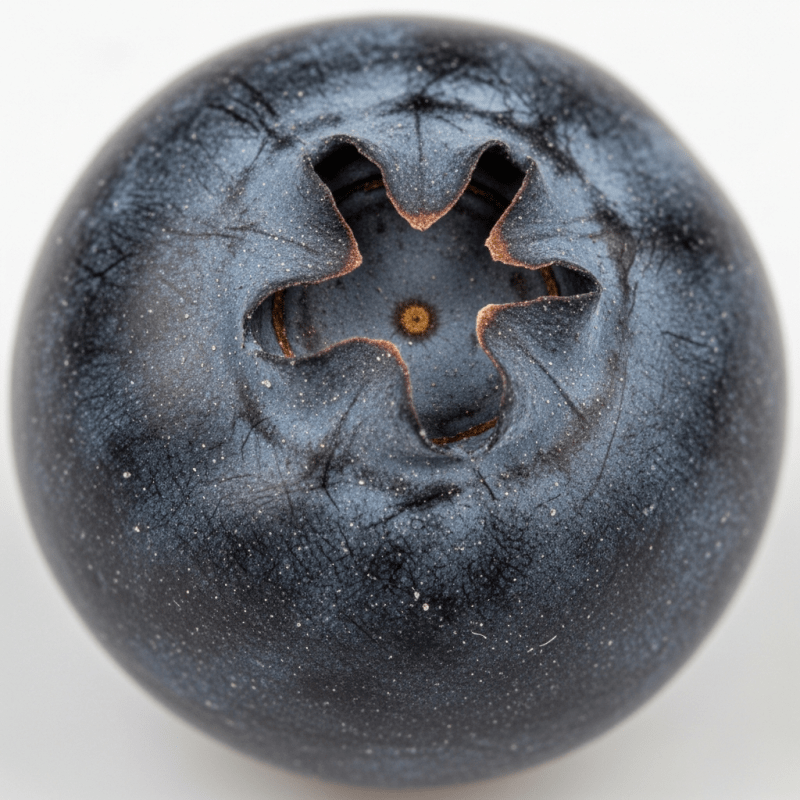
Soft cotton tee, unisex sizes
Buy ShirtWhile not a staple in mainstream cuisine, farkleberry holds a place in rural traditions of the southeastern United States. Regional names like "sparkleberry" and "tree huckleberry" reflect its local familiarity, and its presence in folklore and wild food culture underscores its enduring connection to southern woodlands and communities.
Farkleberry is a deciduous shrub or small tree with glossy, leathery leaves and small, white, bell-shaped flowers. Its fruit is a firm, round berry, 6–10 mm in diameter, ripening to dark blue or black. The species is highly drought-tolerant and thrives in acidic, rocky soils, showing resistance to many common pests and diseases affecting other Vaccinium species.
Farkleberry is not grown commercially due to its slow growth, sparse fruiting, and low yields compared to cultivated blueberries. It excels in poor, acidic soils and withstands drought, making it suitable for wild or naturalized landscapes. Disease resistance is strong, but its berries must be consumed or processed soon after harvest, as they do not store well.
Though not a common ingredient, farkleberry is sometimes used locally in jams, preserves, and as a wild foraged food. Its tough skin and astringent flavor mean it is rarely eaten fresh, but it can add distinctive character to homemade preserves in rural southern communities.
Farkleberry has no significant commercial presence. It is not cultivated or traded on a large scale, and there are no major producers or market trends associated with the species. Its primary importance lies in its ecological role and occasional use in local foraging.
There are no named cultivars or heritage selections for farkleberry. It remains a wild species with no history of selective breeding or commercial variety development.
Farkleberry is notably resistant to many pests and diseases that affect other Vaccinium species. However, its berries do not store well and should be consumed fresh or processed soon after harvest to preserve quality.