
Tomato
The tomato (Solanum lycopersicum) is a globally cultivated fruit botanically classified as a true berry, prized for its culinary versatility and economic significance.
The tomato (Solanum lycopersicum) is a globally cultivated fruit botanically classified as a true berry, prized for its culinary versatility and economic significance.
Originating in the Andean regions of western South America, the tomato was first domesticated in Mexico by indigenous peoples before the arrival of Europeans. After the Columbian Exchange in the 16th century, tomatoes were introduced to Europe, where they quickly spread and became integral to many cuisines. The modern tomato arose through hybridization and selection from wild Solanum species, with centuries of global breeding yielding thousands of cultivars.
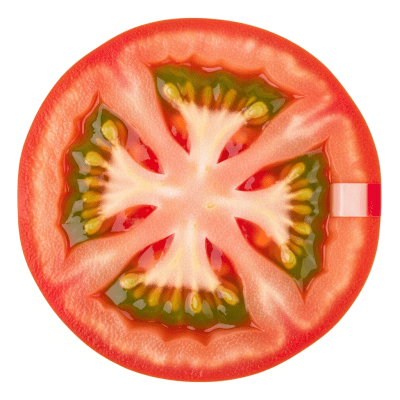
Botanically, the tomato is a true berry—defined as a fleshy fruit developing from a single ovary and containing seeds. It belongs to the family Solanaceae, genus Solanum, species lycopersicum. While scientifically a berry, it is commonly treated as a vegetable in culinary and legal contexts, illustrating the distinction between botanical and popular classifications.
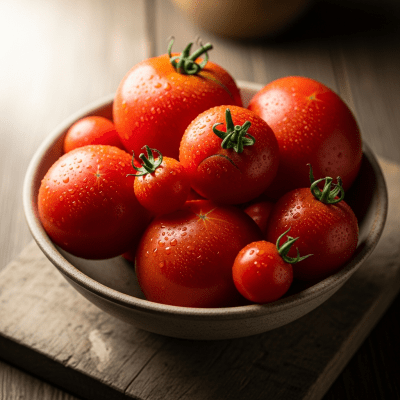
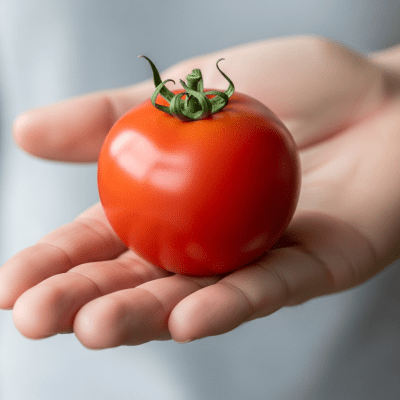
Tomatoes display remarkable diversity in size, shape, and color. Fruits range from tiny cherry types (1–2 cm diameter) to hefty beefsteaks (>10 cm diameter), with forms that may be round, oblong, or ribbed. Their skin and flesh span a vibrant palette—red, orange, yellow, green, purple, striped, or even black. The texture is juicy and fleshy, enclosing multiple seeds within soft chambers.
Tomatoes are cultivated for their edible fruit, which is consumed raw, cooked, dried, juiced, or processed. Their adaptability makes them a staple in salads, sauces, soups, and countless dishes worldwide. Tomato plants are annuals or short-lived perennials, thriving in warm, sunny environments and requiring well-drained soil. In agriculture, they are grown both for fresh consumption and industrial processing.
Bring this kind into your world illustrated posters, mugs, and shirts.
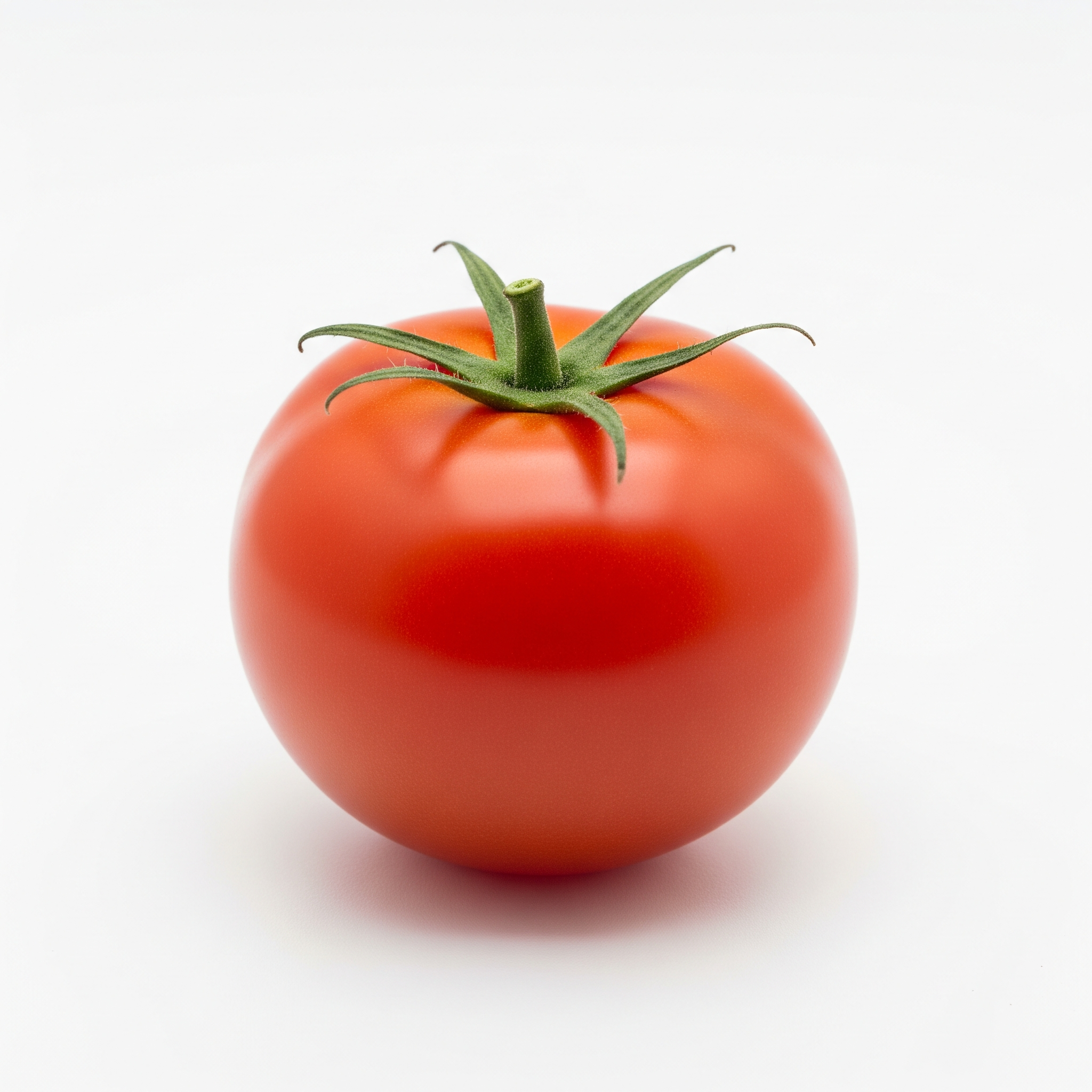
Archival print, museum-grade paper
Buy Poster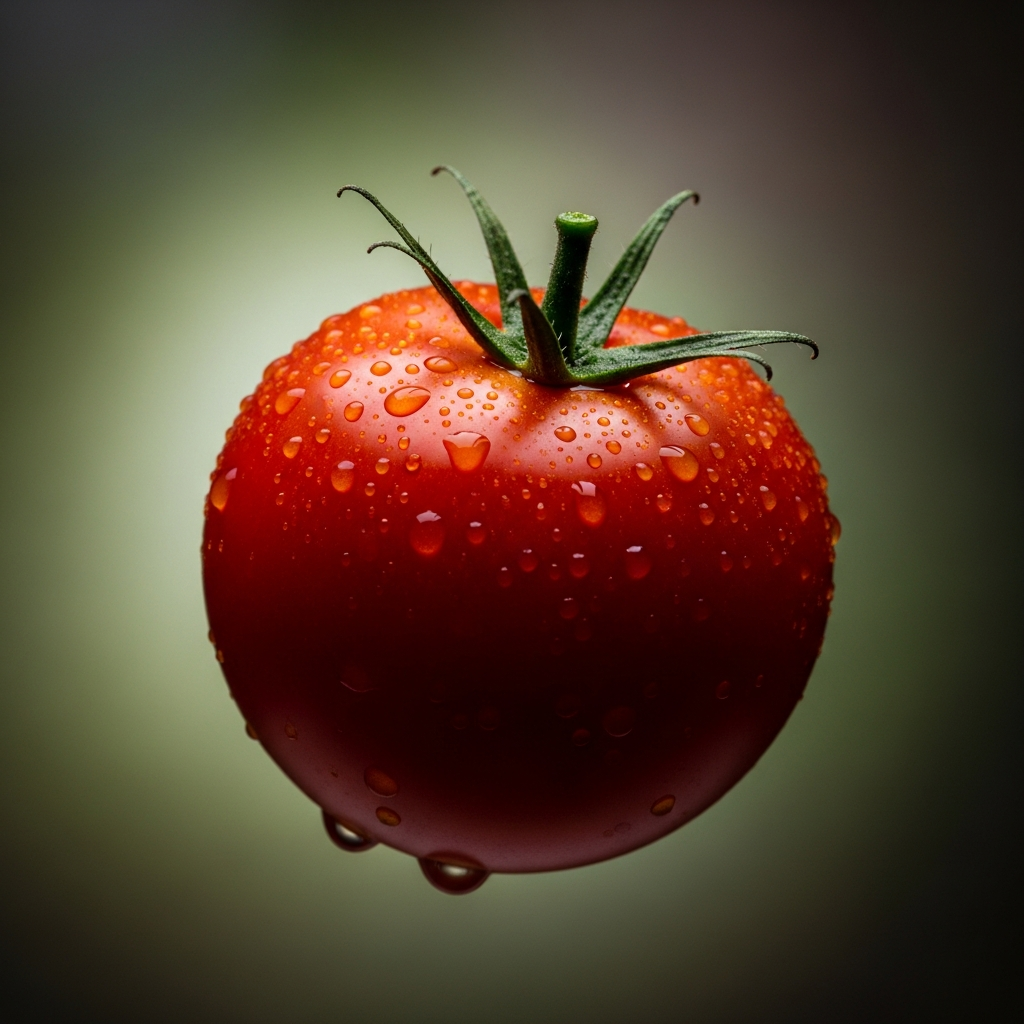
Stoneware mug, dishwasher safe
Buy Mug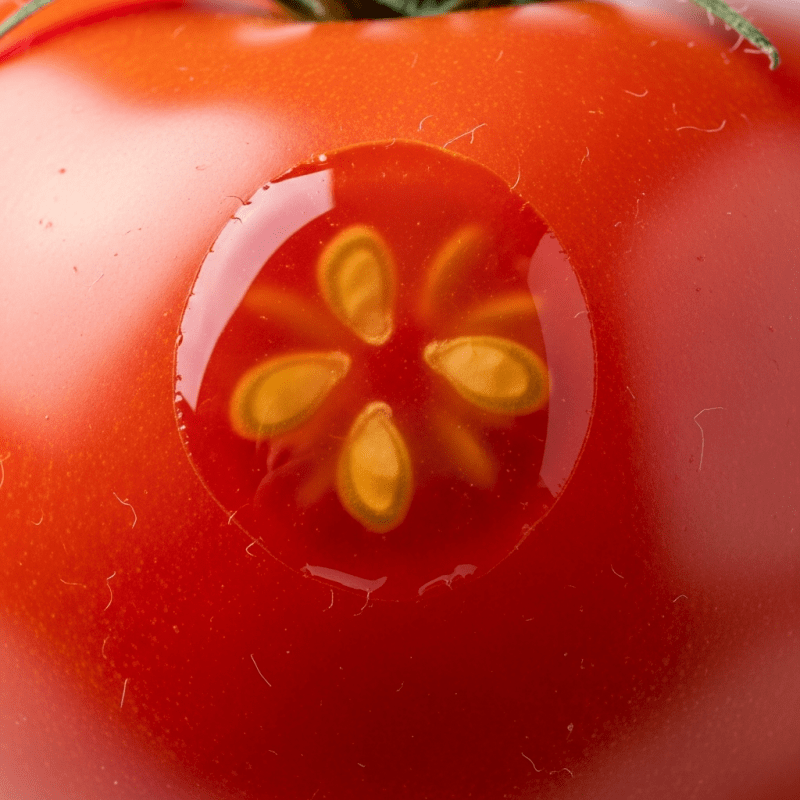
Soft cotton tee, unisex sizes
Buy ShirtFew fruits have shaped global cuisine and culture as profoundly as the tomato. Its journey from the Americas to Europe transformed Mediterranean and world gastronomy, inspiring iconic dishes like Italian pasta sauces and Spanish gazpacho. The tomato is celebrated in festivals, protected by regional designations (such as Italy's San Marzano), and has even been the subject of legal debates over its classification. Its influence extends into art, literature, and folklore, symbolizing abundance and culinary creativity.
Tomato plants are herbaceous annuals or short-lived perennials, typically reaching 1–3 meters in height. They feature hairy stems, compound leaves, and produce fleshy, multi-seeded berries. Fruit size and color vary widely, with cultivars adapted for diverse climates and uses. The tomato's botanical status as a true berry sets it apart from many fruits commonly called berries in culinary contexts.


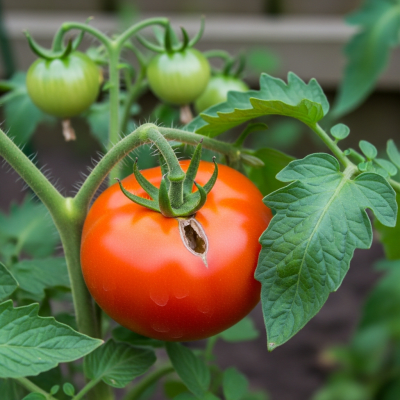
Tomatoes thrive in warm temperatures (optimal 20–27°C), full sunlight, and well-drained soils. Sensitive to frost, they require careful timing for planting. Yield per plant ranges from 2–10 kg, depending on cultivar and conditions. Modern breeding has enhanced disease resistance, shelf life, and productivity. Growers must manage risks from pests and diseases such as late blight, mosaic virus, and nematodes, with integrated practices and resistant varieties improving outcomes.
Tomatoes are among the most widely grown and traded fruits worldwide, with major producers including China, India, the United States, Turkey, and Egypt. The market encompasses fresh table tomatoes, processing types for industry, and specialty varieties such as cherry, grape, plum (Roma), and heirlooms. Their economic impact spans agriculture, retail, and food processing, making them a cornerstone of the global produce market.
Tomatoes are vulnerable to diseases such as late blight, tomato mosaic virus, and nematodes, but modern cultivars often possess enhanced resistance. Post-harvest, tomatoes typically keep for 1–3 weeks at room temperature; refrigeration extends shelf life but may compromise flavor and texture. Proper handling and storage are essential to maintain quality and reduce spoilage.