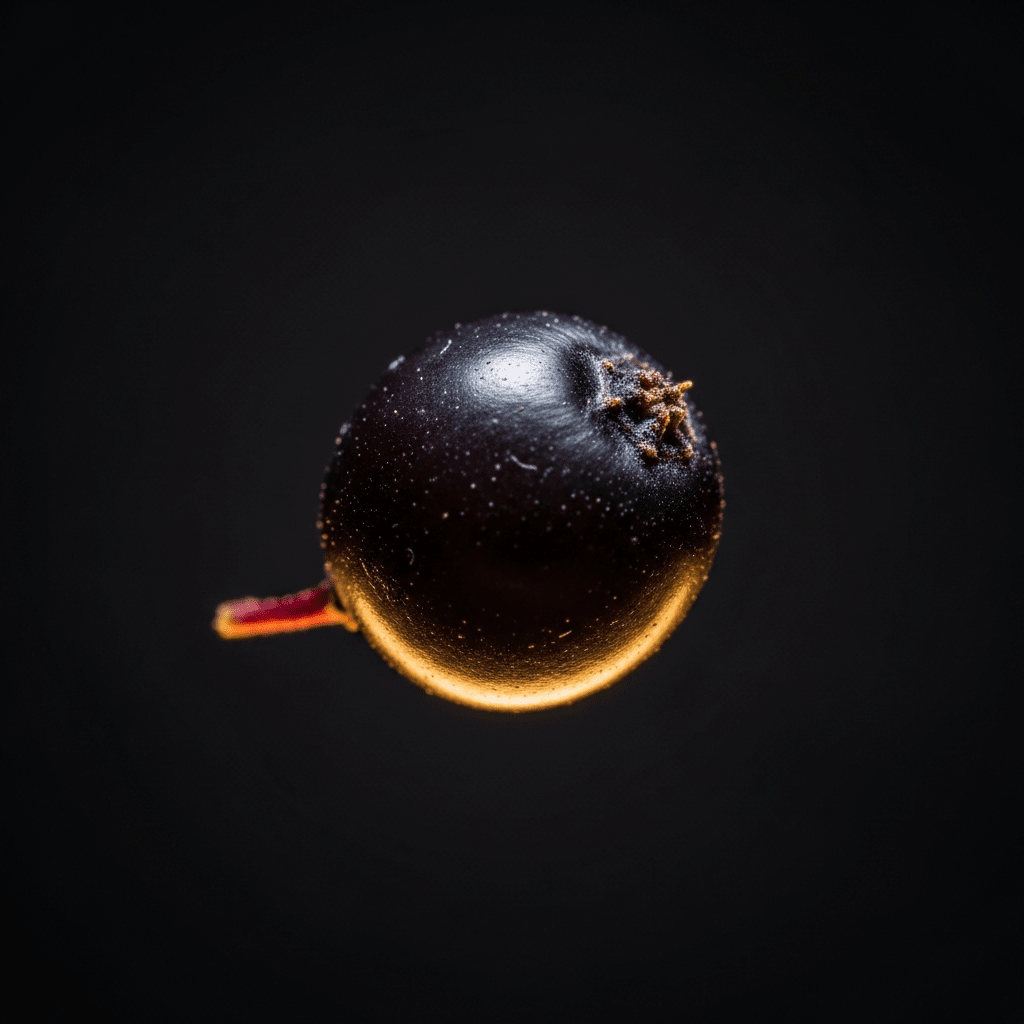
Elderberry
Elderberry is the small, dark purple-black fruit of the Sambucus genus, prized for its culinary versatility, medicinal history, and vibrant antioxidant-rich profile.
Elderberry is the small, dark purple-black fruit of the Sambucus genus, prized for its culinary versatility, medicinal history, and vibrant antioxidant-rich profile.
Elderberry’s roots trace to temperate and subtropical regions of the Northern Hemisphere, with Sambucus nigra native to Europe and western Asia, and Sambucus canadensis originating in eastern North America. Wild elderberries have been foraged since prehistoric times, with formal botanical recognition by Carl Linnaeus in 1753. Over centuries, the berry transitioned from wild harvest to cultivated crop, with modern varieties refined by agricultural institutions for improved yield and disease resistance.
Elderberry belongs to the genus Sambucus within the family Adoxaceae. While botanically classified as a berry, elderberry is also recognized in culinary and agricultural contexts for its edible fruit and flowers. Notable species include Sambucus nigra (European elderberry), Sambucus canadensis (American elderberry), and Sambucus cerulea (blue elderberry), each with distinct regional prominence.
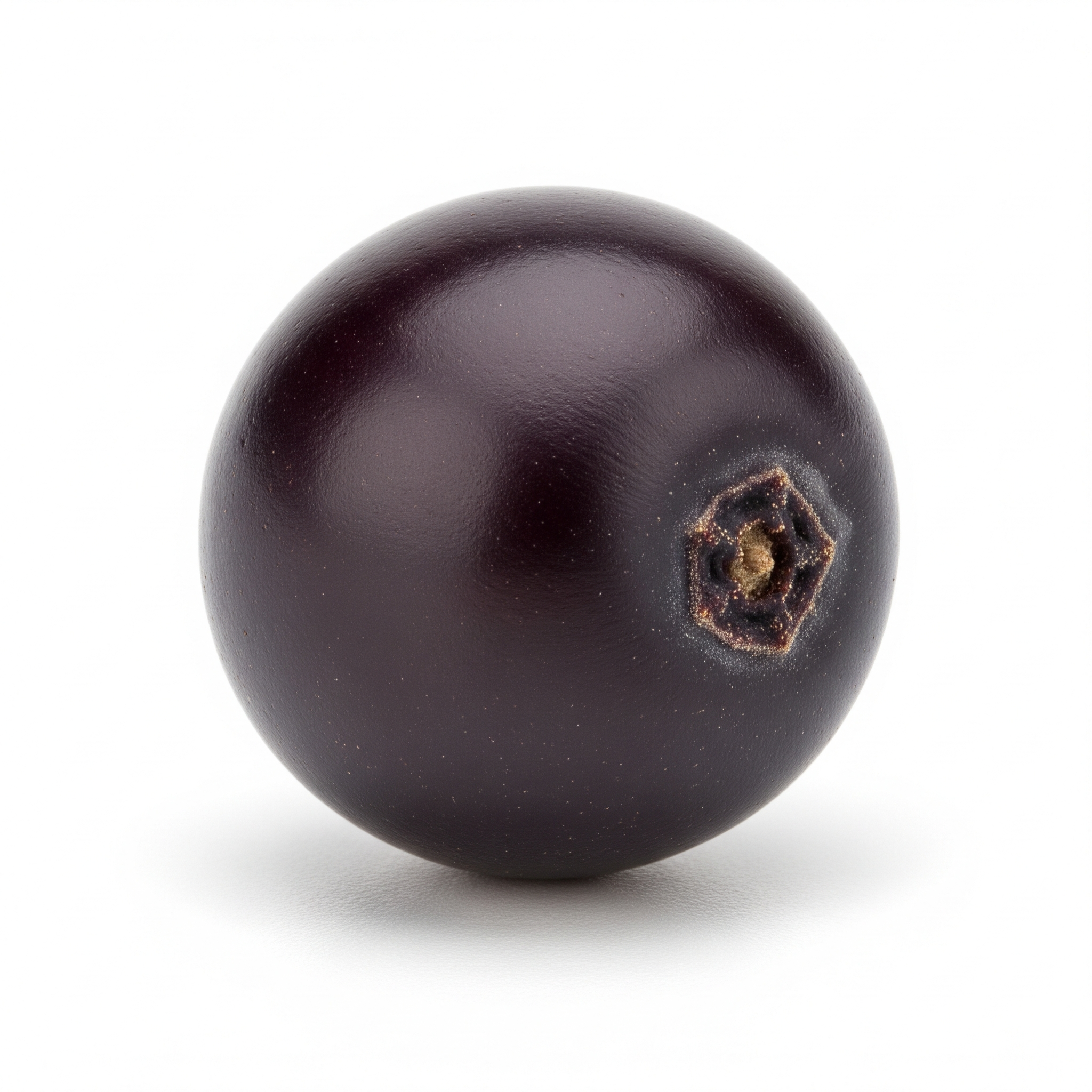
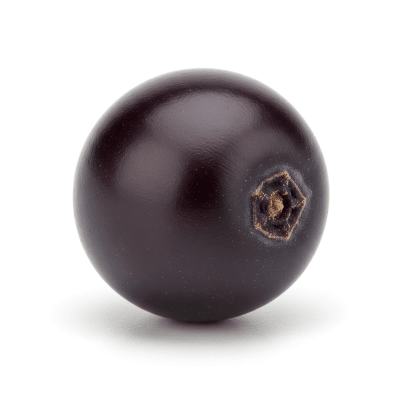
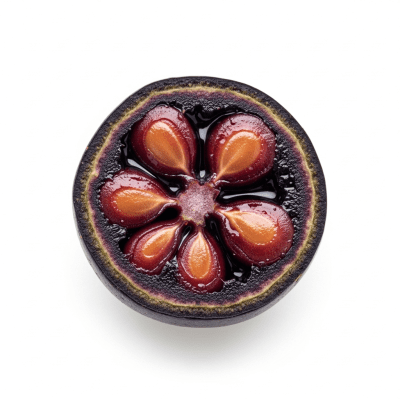
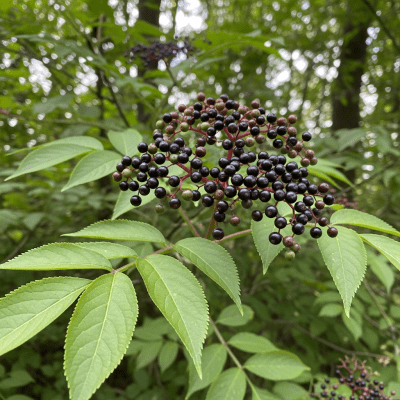
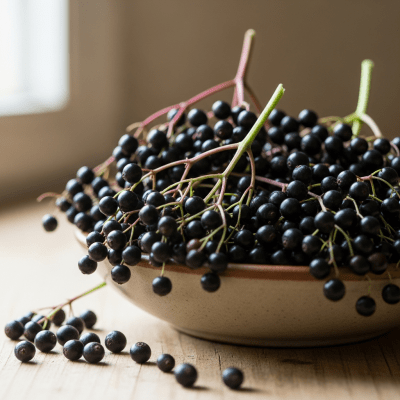
Elderberry plants are deciduous shrubs or small trees, typically 2–6 meters tall. Their leaves are pinnately compound with serrated edges, and in summer, they display flat-topped clusters of small, fragrant, white flowers. The fruit forms as dense clusters of tiny, round berries—each 5–6 mm in diameter—ripening to a deep purple-black hue. The berries’ glossy skin and rich color signal their tart, robust flavor and nutritional potency.
Elderberries are rarely eaten raw due to naturally occurring cyanogenic glycosides, but become safe and delicious when cooked or processed. They are transformed into syrups, jams, jellies, wines, cordials, and pie fillings. Elderflowers, the plant’s blossoms, are also harvested for cordials and liqueurs. In the wild, elderberry shrubs provide habitat and food for birds and insects, while in cultivation, they are managed for fruit yield and disease resistance.
Bring this kind into your world illustrated posters, mugs, and shirts.
Archival print, museum-grade paper
Buy Poster
Stoneware mug, dishwasher safe
Buy Mug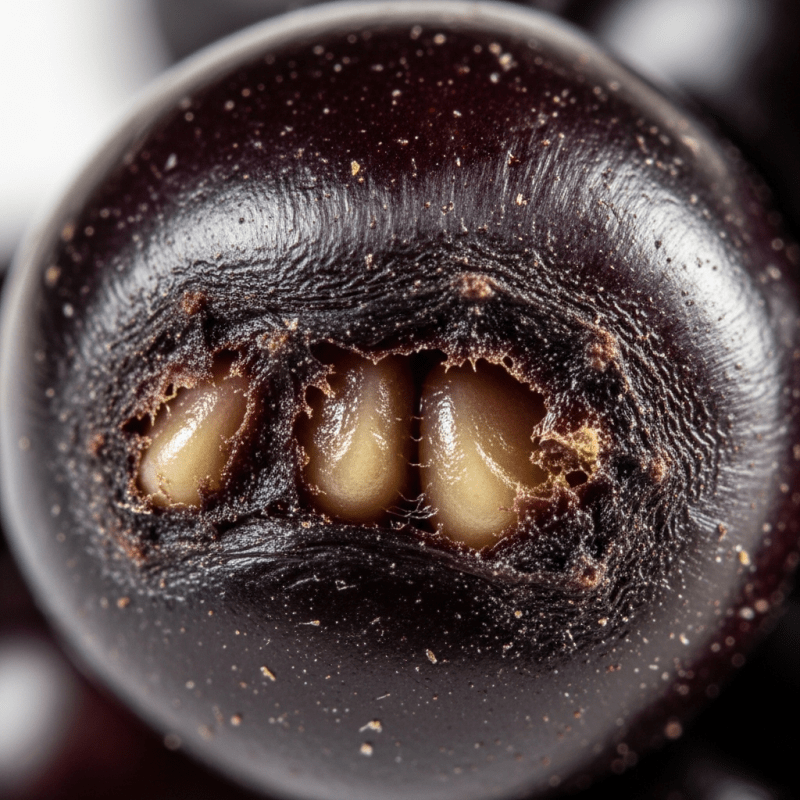
Soft cotton tee, unisex sizes
Buy ShirtElderberry has deep roots in folklore and traditional medicine, often celebrated as a remedy for colds and flu in European and North American cultures. The elder tree features in myth and legend, symbolizing protection and healing. Elderflowers are integral to classic cordials and festive drinks, while elderberry wine and preserves are staples in regional cuisines. Its reputation as a ‘superfruit’ has grown in modern wellness circles, fueling renewed interest in its health benefits.
Elderberry plants are vigorous, deciduous shrubs or small trees with rapid annual shoot growth and root suckering. Leaves are pinnately compound and serrated. The inflorescence is a flat-topped cyme of small, fragrant, white flowers, followed by clusters of round, dark purple-black berries (5–6 mm diameter) that ripen in late summer to early autumn. The plant tolerates cold and moderate drought, but is susceptible to canker, powdery mildew, and fruit-eating birds.

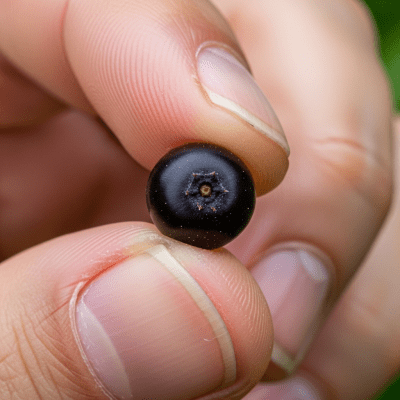
Elderberries are grown in temperate climates, thriving in moist, well-drained soils and full sun. Plants yield 3–12 kg of fruit per mature shrub annually, depending on cultivar and management. Rapid growth and suckering allow for dense plantings, but regular pruning is needed. While tolerant of cold and moderate drought, elderberries require protection from common diseases like canker and powdery mildew, and from birds that feed on the fruit. Fresh berries are highly perishable and typically processed soon after harvest.
Cooking is essential to make elderberries safe and palatable, unlocking their tart flavor and deep color.
Elderberry’s commercial relevance is rising, driven by demand for immune-boosting supplements and natural food products. The fruit is sold fresh (seasonally), frozen, dried, and as extracts or concentrates. Major producers include Europe, North America, and New Zealand. Market trends favor processed elderberry goods, with elderflower cordials and dietary supplements gaining popularity in health-conscious markets.
These cultivars are widely grown in commercial and home gardens for their improved traits.
Elderberry exhibits good tolerance to cold and moderate drought, with some cultivars bred for enhanced disease resistance. However, the plant is vulnerable to canker, powdery mildew, and fruit-eating birds. Fresh elderberries are highly perishable, necessitating immediate processing or preservation to extend shelf life.
Regional variants include blue elderberry in western North America and wild foraged types across Europe and the Americas.