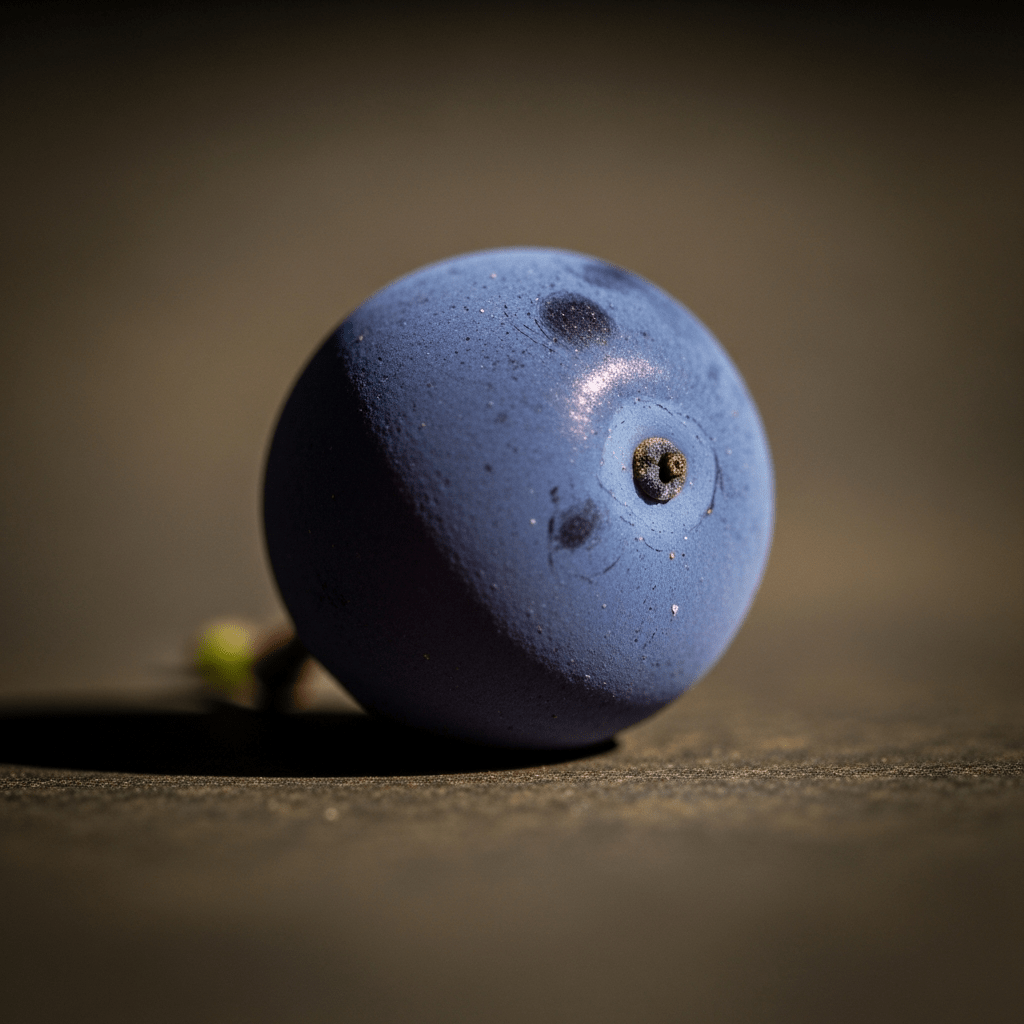
Oregon Grape
Oregon grape is a perennial evergreen shrub native to western North America, prized for its clusters of tart, deep blue berries and distinctive holly-like foliage.
Oregon grape is a perennial evergreen shrub native to western North America, prized for its clusters of tart, deep blue berries and distinctive holly-like foliage.
First described by botanist Thomas Nuttall in 1818, Oregon grape originates from the Pacific Northwest, stretching from British Columbia to northern California. As a wild species, its natural lineage has evolved without formal breeding, thriving in forests and open woodlands. Its accepted scientific name is Mahonia aquifolium, though it is sometimes classified as Berberis aquifolium due to ongoing taxonomic debate.
Oregon grape belongs to the family Berberidaceae and is classified under the genus Mahonia. Although commonly called a "berry," it is not related to true grapes (Vitis) and is considered a berry in both botanical and culinary contexts. Taxonomic revisions occasionally place it within the Berberis genus, reflecting its close relationship to barberries.
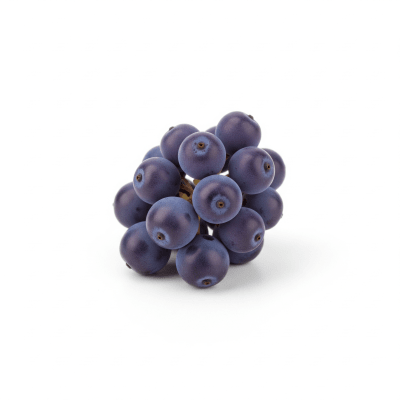
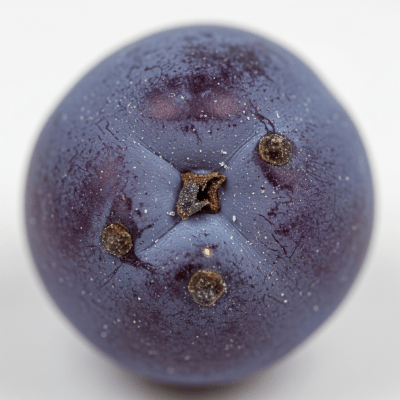
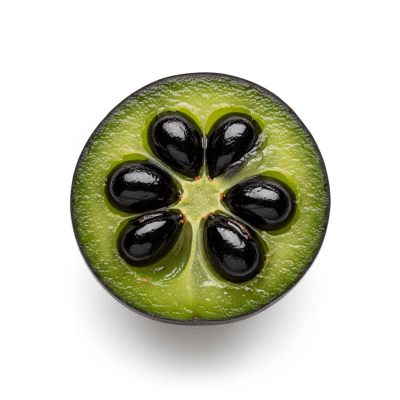
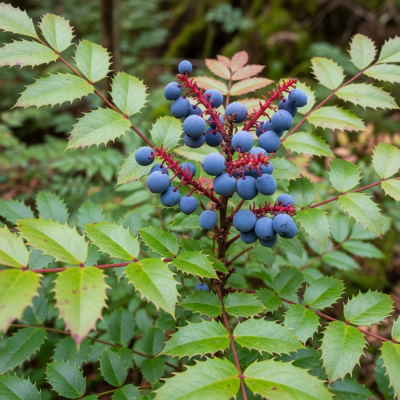
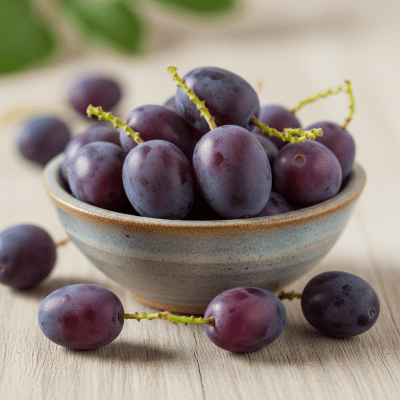
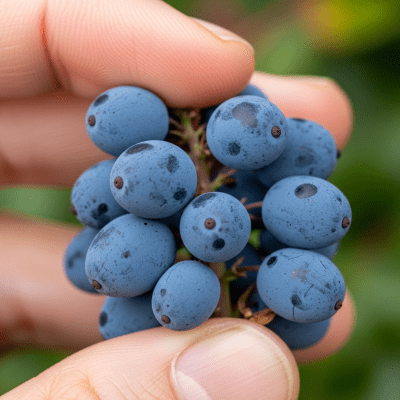
The plant forms dense, upright shrubs reaching 1–2 meters in height. Its leaves are pinnate, glossy, and sharply spined—resembling holly. In early spring, Oregon grape bursts into bright yellow flower clusters, which give way to round, blue-black berries about 1 cm in diameter. The berries grow in tight bunches and have a strikingly tart flavor, each containing several seeds.
Oregon grape serves multiple roles: as an ornamental shrub in landscaping, a source of edible berries for preserves, and a medicinal plant. Its evergreen foliage provides year-round visual interest and erosion control, while its berries are harvested for jams and jellies. The roots and bark are valued in herbal medicine for their berberine content, believed to have antimicrobial properties.
Bring this kind into your world illustrated posters, mugs, and shirts.
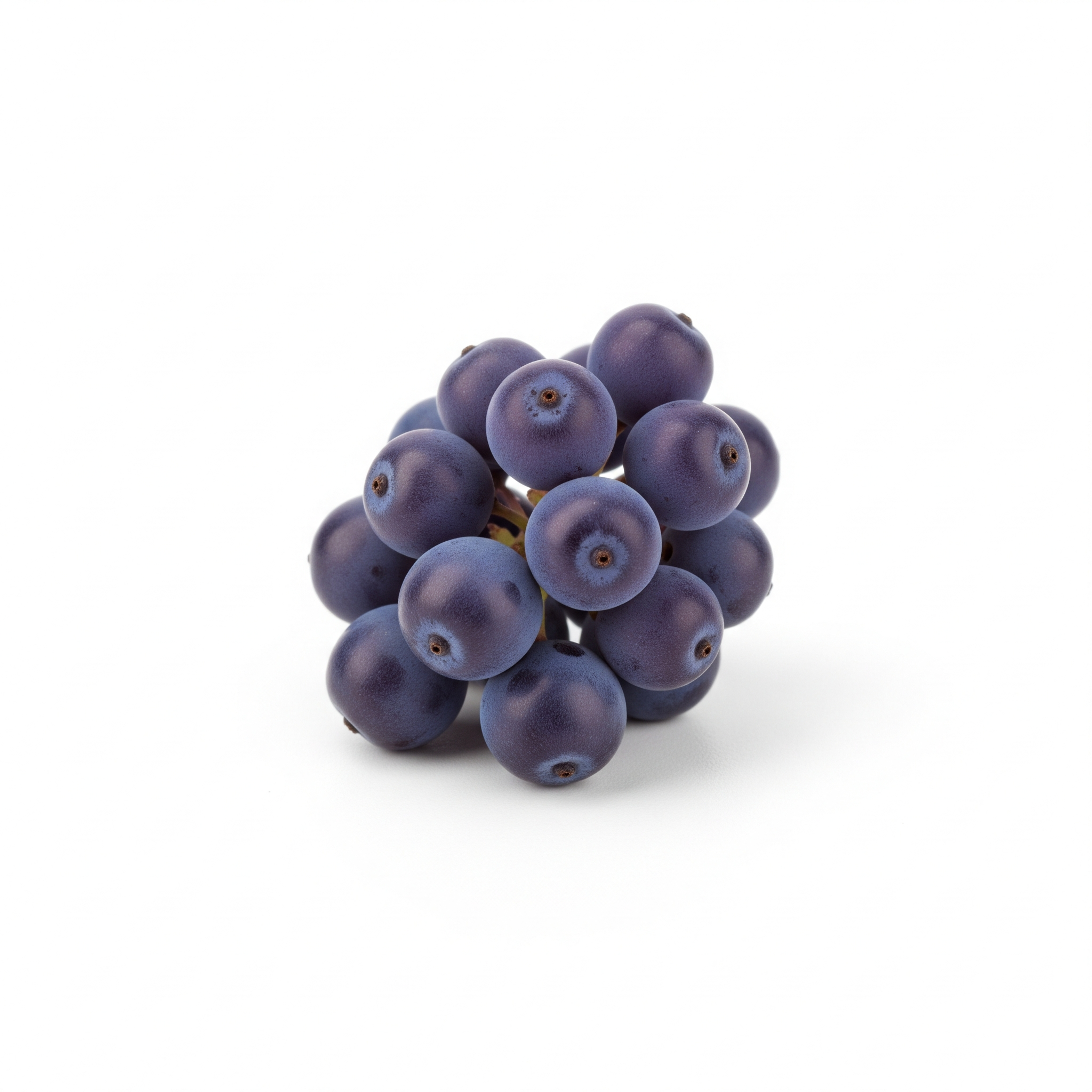
Archival print, museum-grade paper
Buy Poster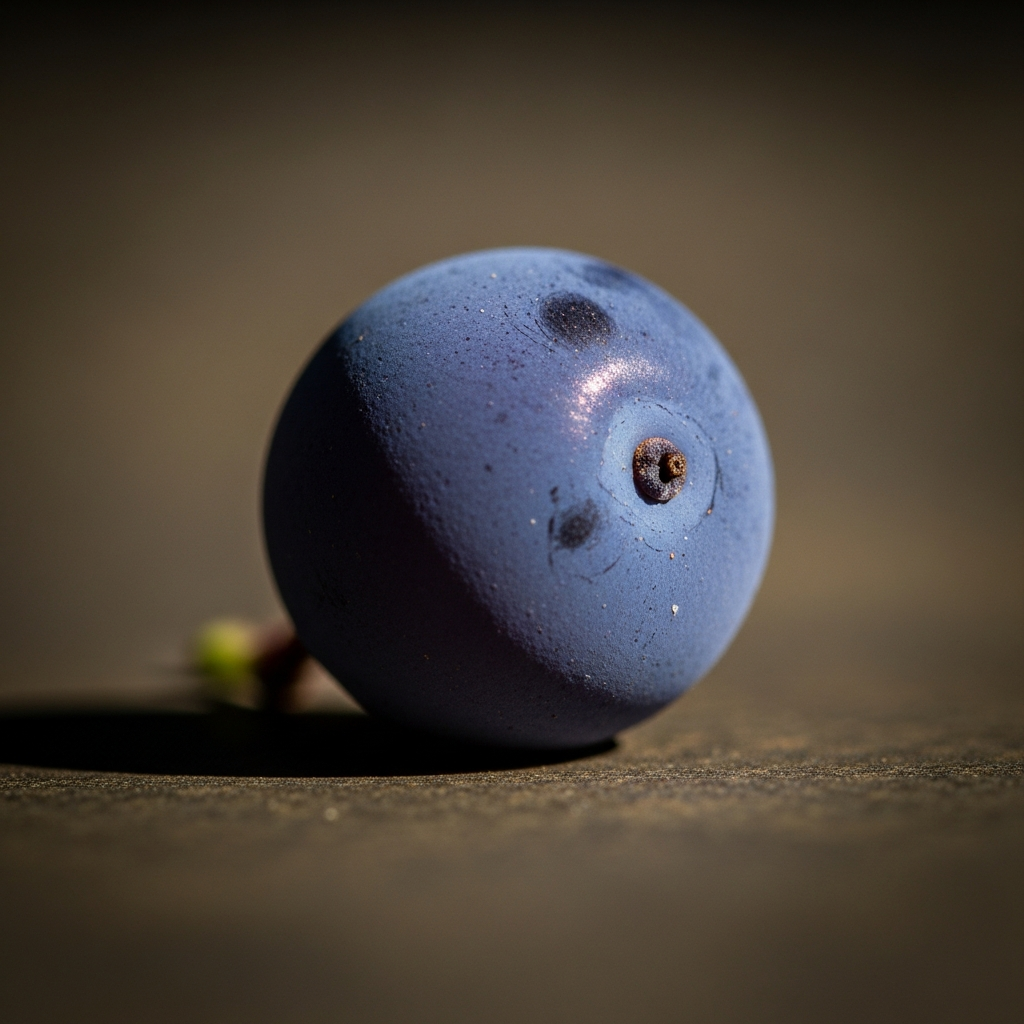
Stoneware mug, dishwasher safe
Buy Mug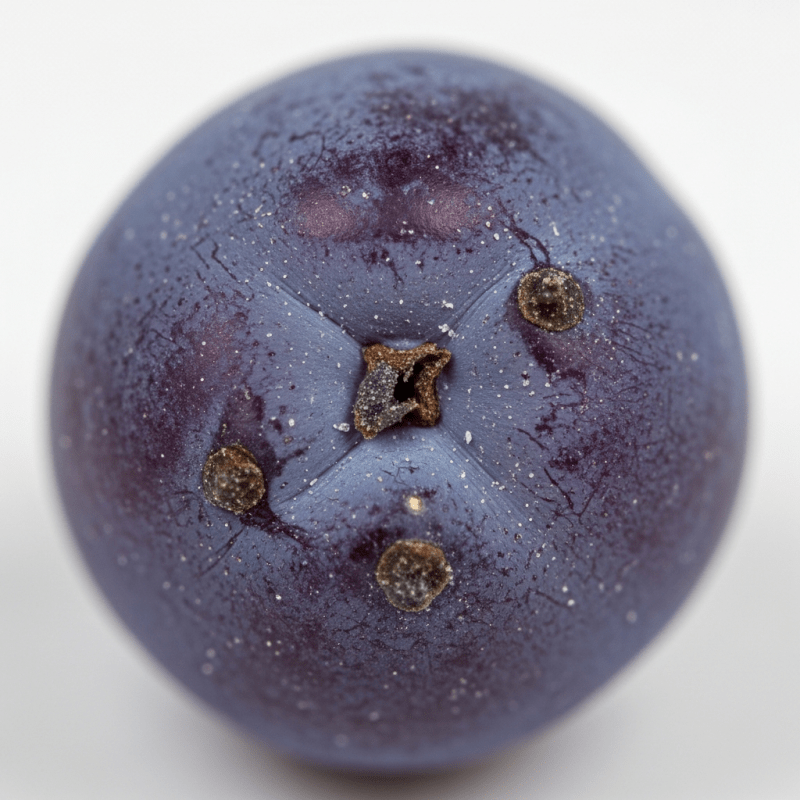
Soft cotton tee, unisex sizes
Buy ShirtOregon grape is deeply woven into the cultural fabric of the Pacific Northwest, honored as the state flower of Oregon. Its berries and roots have been used in Indigenous and folk medicine, and the plant frequently appears in local landscaping and ecological restoration projects. The holly-like leaves and vibrant yellow flowers have inspired decorative motifs in regional art and design.
Oregon grape is a perennial evergreen shrub with pinnate, holly-like leaves that are glossy and spiny-edged. It produces yellow flowers in early spring, followed by clusters of round, blue-black berries approximately 1 cm in diameter. The plant is shade-tolerant, drought-resistant, and adaptable to various soil types, with berries containing several seeds and a notably tart flavor.
This shrub thrives in partial shade and a wide range of soils, requiring little maintenance once established. Oregon grape is drought-resistant and suitable for erosion control. Mature plants yield several pounds of berries annually, with harvest occurring from late summer to early fall. The species is generally resistant to pests and diseases, though humid conditions may promote rusts and leaf spot.
Oregon grape is not widely cultivated commercially; most berries are harvested from wild or ornamental plantings. It is seldom found in mainstream produce markets but may appear in specialty stores or foraged food outlets. The plant's primary market value lies in landscaping, ecological restoration, and niche herbal products.
Oregon grape is generally resistant to most pests and diseases but can be susceptible to rusts and leaf spot in humid environments. Fresh berries have a short shelf life and are best preserved as jams or jellies for longer storage.