
Goji Berry
The goji berry is a small, vivid orange-red fruit from Asia, celebrated worldwide for its nutritional value and use in traditional medicine.
The goji berry is a small, vivid orange-red fruit from Asia, celebrated worldwide for its nutritional value and use in traditional medicine.
Native to Asia—especially the Ningxia and Xinjiang regions of China—the goji berry has been cultivated for thousands of years. Its earliest uses are documented in ancient Chinese herbal texts, where it was prized for its health-promoting properties. Over centuries, goji berries spread from their homeland, with modern cultivars now grown in China, the United States, and Europe. Despite its global reach, the berry’s domestication remains rooted in traditional Chinese agriculture, with heritage selections such as the Ningxia goji still regarded as benchmarks of quality.
Botanically, the goji berry belongs to the genus Lycium within the Solanaceae family, which also includes tomatoes and potatoes. The two primary species cultivated are Lycium barbarum and Lycium chinense. Goji berries are considered true berries in botanical terms, meeting the criteria of fleshy fruits developed from a single ovary. In culinary and commercial contexts, they are grouped with other soft fruits and marketed as a superfood, reflecting their broad appeal across scientific, nutritional, and popular domains.
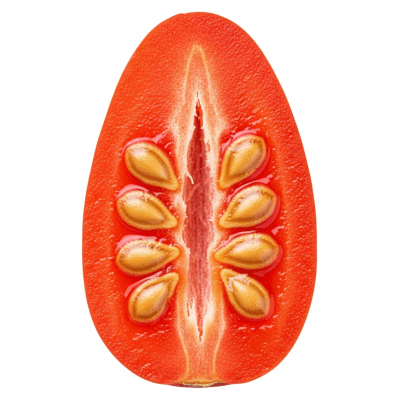
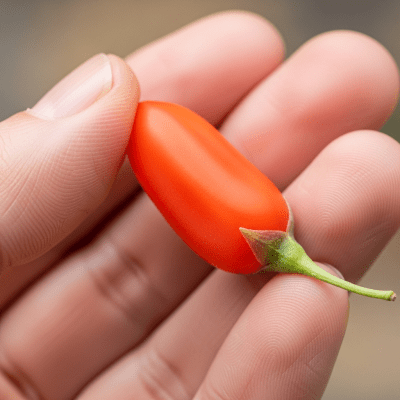
Goji berries are oblong and measure about 1–2 cm in length. Their striking orange-red hue signals ripeness, and the berries grow in clusters on leafy, deciduous shrubs reaching up to 3 meters tall. The fruit’s thin skin and delicate flesh make it prone to bruising, especially when fresh. When dried, goji berries become slightly chewy and take on a deeper, reddish color, making them visually distinctive whether fresh or processed.
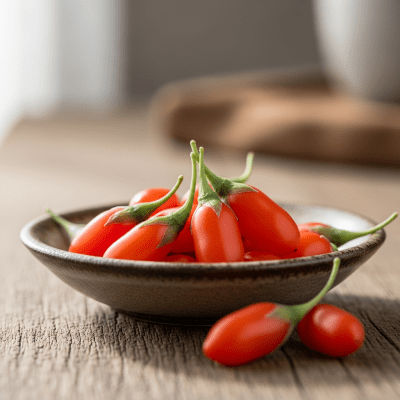
Goji berries are consumed in a variety of forms: fresh, dried, or processed into juices, teas, wines, and supplements. In Chinese cuisine, they are a staple addition to soups, porridges, and herbal teas. Their mild sweetness and chewy texture make dried goji berries popular in snacks, granola, and baked goods. Beyond food, goji berries are valued for their purported health benefits, driving their use in wellness products and nutritional supplements around the world.
Bring this kind into your world illustrated posters, mugs, and shirts.

Archival print, museum-grade paper
Buy Poster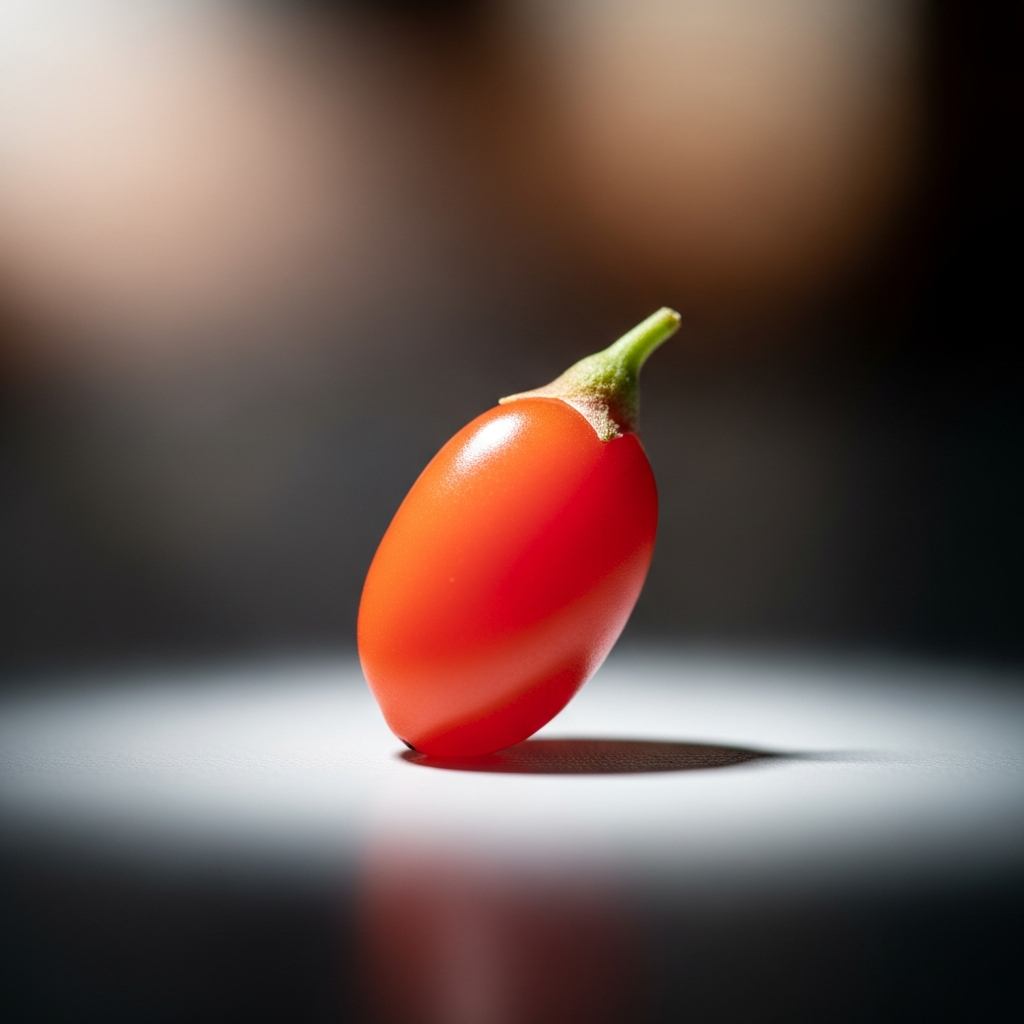
Stoneware mug, dishwasher safe
Buy Mug
Soft cotton tee, unisex sizes
Buy ShirtGoji berries hold a revered place in Chinese culture, symbolizing vitality and longevity. They are featured in traditional medicine, folklore, and culinary rituals, often associated with health and wellness. The berry’s reputation as a “superfood” has transcended its origins, influencing modern health trends and global food markets. In China, the Ningxia goji is especially esteemed, and the berry’s status is reinforced by its frequent appearance in art, literature, and celebrations of regional heritage.
Goji berries grow on deciduous, woody shrubs that reach 1–3 meters in height. The plants flower from June to September, with fruiting from July to October. The oblong berries are 1–2 cm long, ripening to a vivid orange-red. Goji shrubs are tolerant of drought, salinity, and a range of soils, but prefer well-drained, slightly alkaline conditions. The berries are delicate, making them susceptible to bruising and requiring careful handling during harvest and storage.


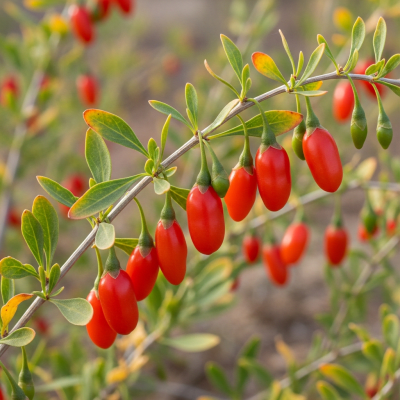
Goji berry cultivation favors well-drained, slightly alkaline soils and benefits from the plant’s drought and salinity tolerance. The shrubs can withstand temperatures from -15°C to 40°C, making them suitable for diverse climates. Yields typically range from 1–2 kg per plant annually under optimal conditions. While the plant is robust against environmental stress, it is susceptible to fungal diseases like powdery mildew and root rot. Because the berries are delicate, they are often dried immediately after harvest to facilitate storage and transport.
Goji berries have achieved global commercial prominence, driven by their reputation as a superfood rich in antioxidants. China dominates production, particularly in the Ningxia region, with exports reaching health food stores and supermarkets worldwide. Smaller-scale cultivation occurs in the United States, Canada, and Europe. Exported berries are subject to strict quality standards, especially regarding pesticide residues and moisture content, and are marketed under various names including goji berry and wolfberry.
Goji berry plants are tolerant of drought and salinity but susceptible to fungal diseases such as powdery mildew and root rot. The berries themselves are delicate and bruise easily, making fresh storage challenging. To extend shelf life, goji berries are often dried soon after harvest; dried berries are more durable and can be stored for extended periods without significant loss of quality.