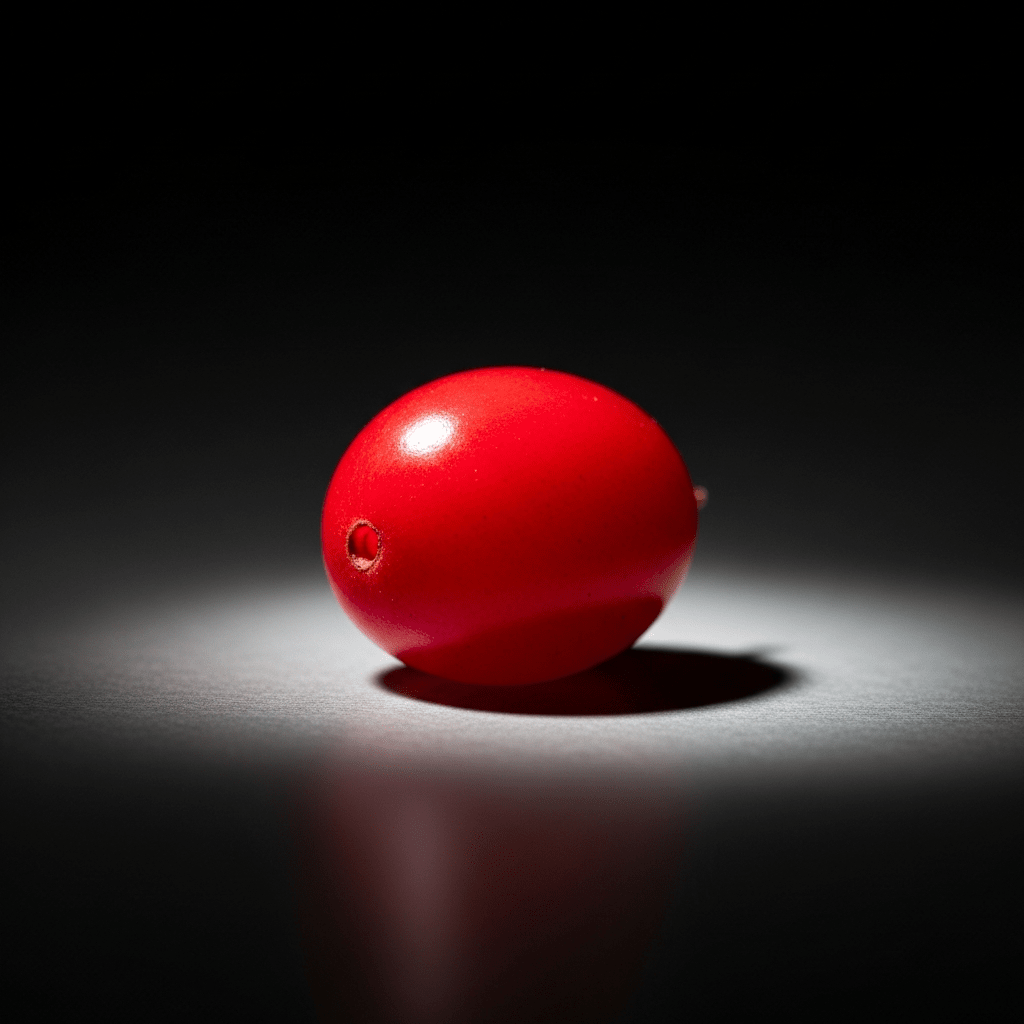
Miracle Berry
The Miracle Berry is a small, red fruit from West Africa famed for its ability to make sour foods taste sweet by temporarily altering human taste perception.
The Miracle Berry is a small, red fruit from West Africa famed for its ability to make sour foods taste sweet by temporarily altering human taste perception.
Native to tropical West Africa—especially Ghana, Nigeria, and Cameroon—the Miracle Berry (Synsepalum dulcificum) has been used by local populations for centuries. Though first described scientifically in 1919, its unique taste-modifying properties only gained wider attention in the mid-20th century when Western scientists and horticulturists introduced it to broader audiences. Traditionally propagated from seed or cuttings, the berry remains closely tied to its indigenous roots, with little formal breeding or cultivar development.
Botanically, the Miracle Berry belongs to the Sapotaceae family, genus Synsepalum, species dulcificum. While it is classified as a true berry in botanical terms, its culinary and agricultural status is unique due to its taste-altering effects rather than its flavor or nutritional profile. The berry is grouped within the broader taxonomy of berries, which encompasses both botanical and culinary definitions.
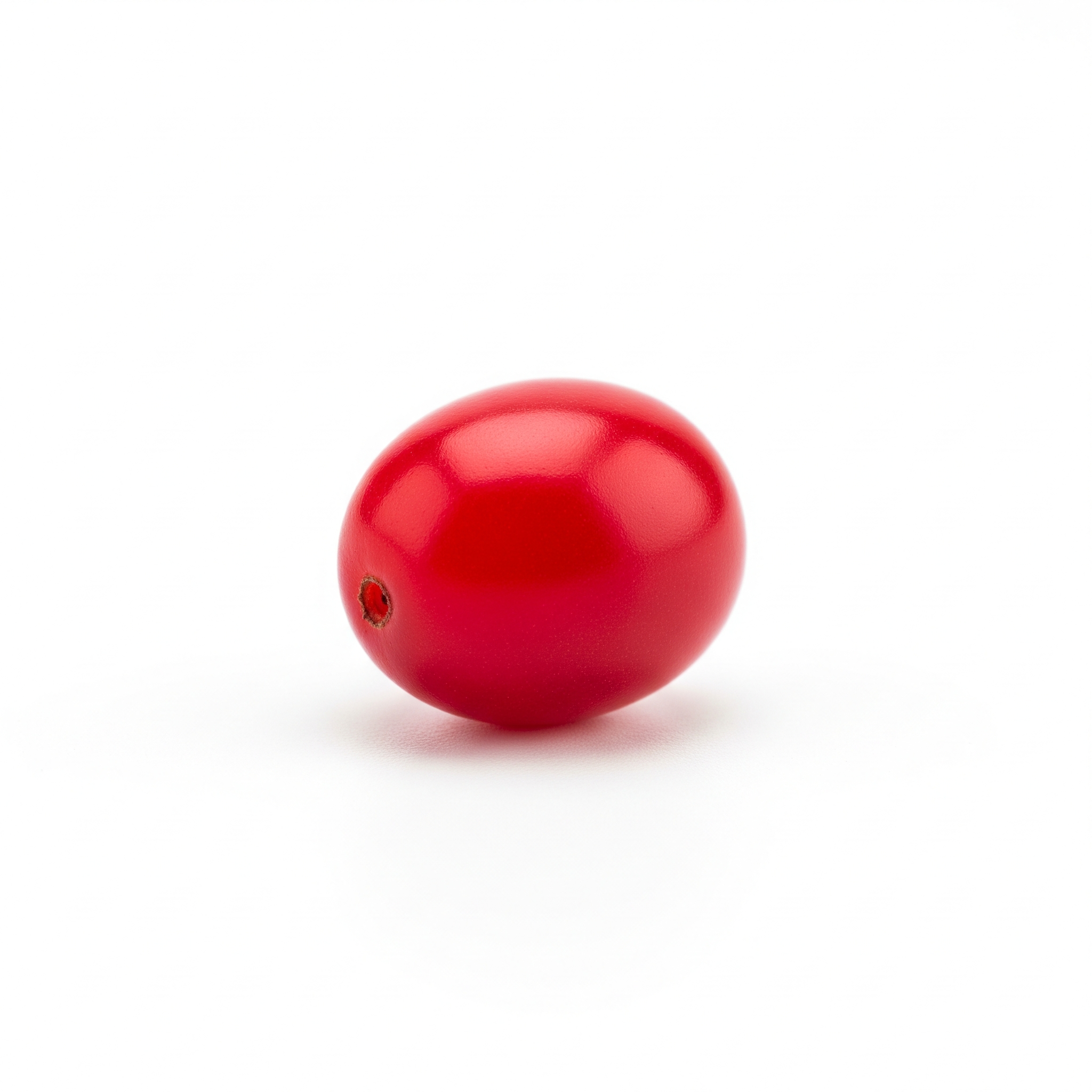
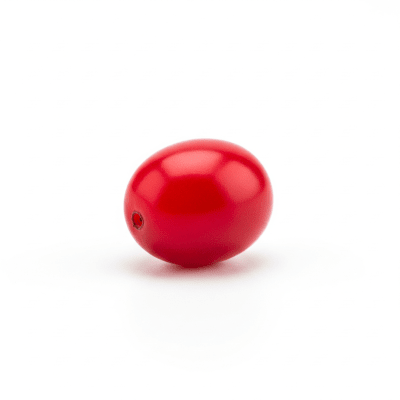
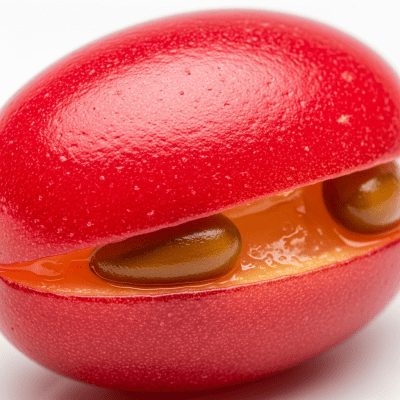
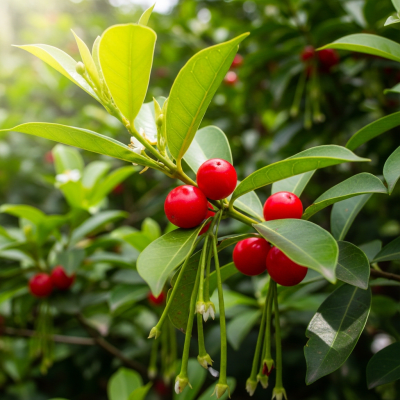
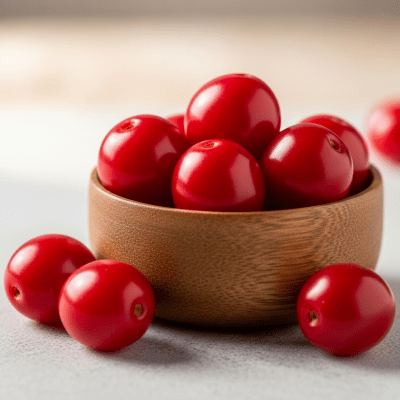
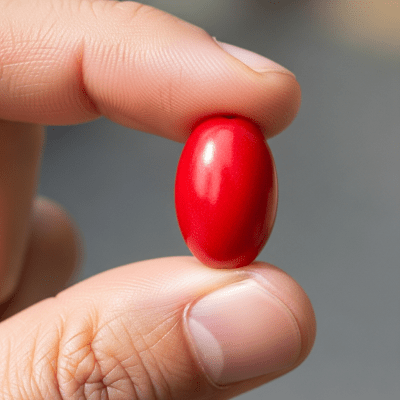
The Miracle Berry is a small, ellipsoid fruit measuring about 2–3 cm in length. Its skin is thin and bright red, encasing a single seed. The pulp is mildly flavored and not notably sweet or sour. The plant itself is an evergreen shrub or small tree, reaching heights of 1.5 to 6 meters, with glossy, oblong leaves that add to its lush, tropical appearance.
Miracle Berry’s defining trait is its ability to modify taste perception. The active compound, miraculin, binds to taste buds and temporarily transforms sour flavors into sweet ones. This effect lasts up to an hour, making the berry popular at "flavor-tripping" events and as a novelty in gastronomy. It is also explored as a sugar substitute for diabetics and those with dietary restrictions, though its use remains niche due to perishability and regulatory hurdles.
Bring this kind into your world illustrated posters, mugs, and shirts.
Archival print, museum-grade paper
Buy Poster
Stoneware mug, dishwasher safe
Buy Mug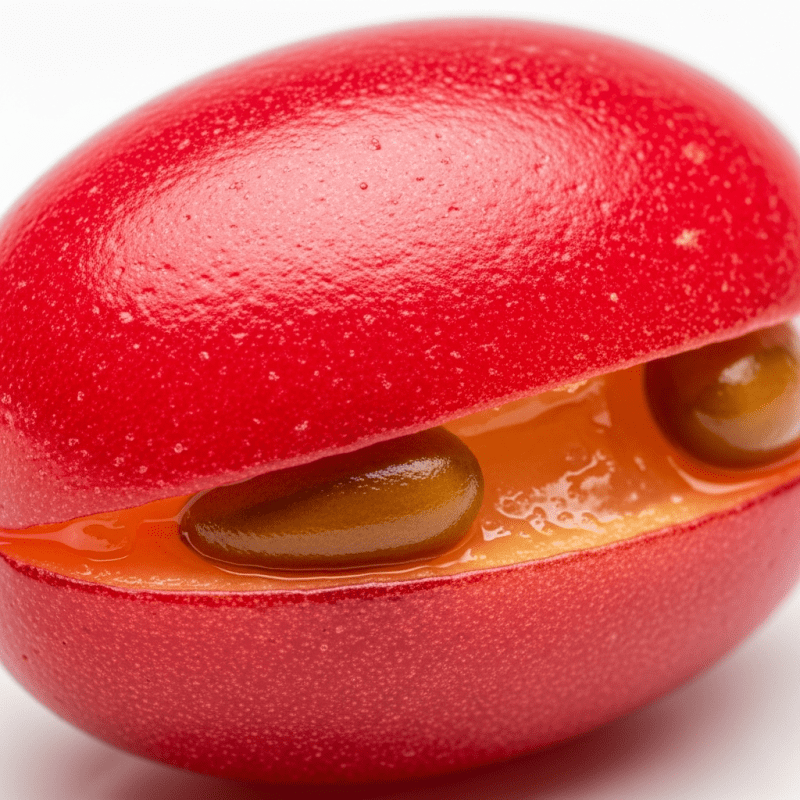
Soft cotton tee, unisex sizes
Buy ShirtWhile the Miracle Berry is not widely referenced in global folklore or art, it holds cultural importance in its native West African regions, where it has been used to sweeten sour foods for generations. In modern times, it has become an icon of experimental gastronomy and sensory science, inspiring "flavor-tripping" parties and culinary innovation. Its ability to challenge conventional taste boundaries has made it a subject of fascination among chefs, food scientists, and health advocates.
Synsepalum dulcificum is an evergreen shrub or small tree, growing 1.5–6 meters tall. Its leaves are simple, oblong, and glossy, measuring 5–15 cm. The fruit is a small, red, ellipsoid berry with a thin skin and a single seed. The plant prefers acidic, well-drained soils and thrives in humid, tropical climates. Flowering and fruiting can occur multiple times per year under optimal conditions.

Miracle Berry is best grown in acidic, well-drained soils within humid, tropical environments. It flourishes at temperatures between 20–30°C and is moderately tolerant to pests and diseases typical of tropical shrubs. The plant is sensitive to cold, drought, and alkaline soils, which limits its cultivation outside its native range. Yields are moderate, with each plant producing dozens to hundreds of berries annually. The fruit is highly perishable, making commercial distribution and large-scale farming challenging.
The Miracle Berry occupies a niche market, with products such as fresh berries, freeze-dried forms, and miraculin tablets sold primarily online or in specialty stores. Regulatory status varies: miraculin is not approved as a food additive by the FDA in the United States, but is permitted in some Japanese products. Commercial production is limited by the berry’s perishability and cultivation requirements, restricting its widespread availability.
No named cultivars or formal breeding programs are recognized for Miracle Berry. Most plants are propagated from seed or cuttings, maintaining genetic diversity but limiting standardized varieties.
Miracle Berry exhibits moderate tolerance to pests and diseases typical of tropical shrubs, but is sensitive to cold, drought, and alkaline soils. The fruit is highly perishable and does not store well, making post-harvest handling and long-distance transport difficult. This limits its commercial distribution and shelf life.