Marionberry
The Marionberry is a celebrated blackberry cultivar, prized for its rich flavor and high juice content, and is a signature fruit of Oregon's berry industry.
The Marionberry is a celebrated blackberry cultivar, prized for its rich flavor and high juice content, and is a signature fruit of Oregon's berry industry.
Developed in Oregon, USA, the Marionberry was bred by George F. Waldo at the USDA Agricultural Research Service and Oregon State University. Released in 1956, it is the result of crossing 'Chehalem' (itself a hybrid of Himalayan blackberry and loganberry) with 'Olallie' (blackberry × loganberry). This breeding program sought to create a berry with exceptional flavor, firmness, and productivity tailored to the Pacific Northwest's mild climate.
Botanically, the Marionberry belongs to the Rubus subgenus Rubus, within the aggregate fruit group commonly known as blackberries. While not a true berry in strict botanical terms, it is universally recognized as a 'berry' in culinary and commercial contexts, reflecting the broader ambiguity of berry classification across scientific and popular domains.
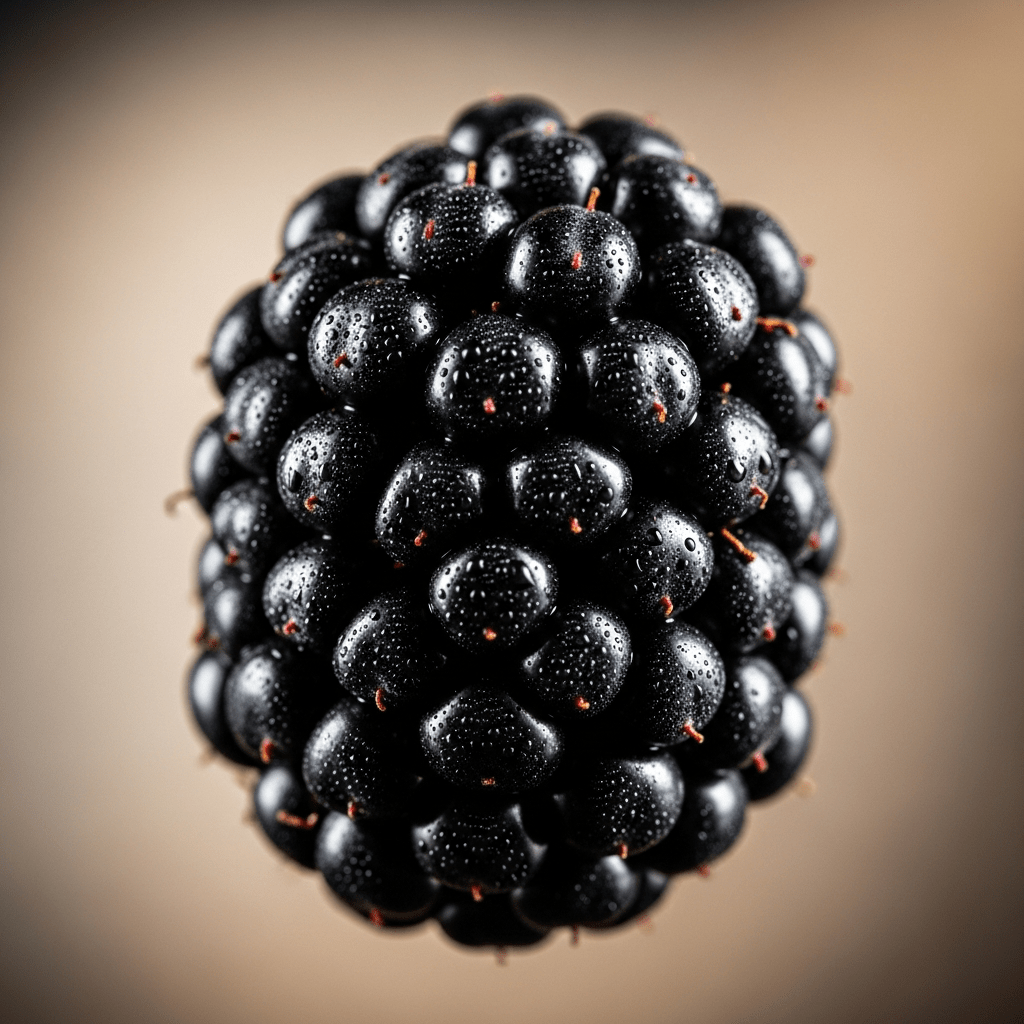
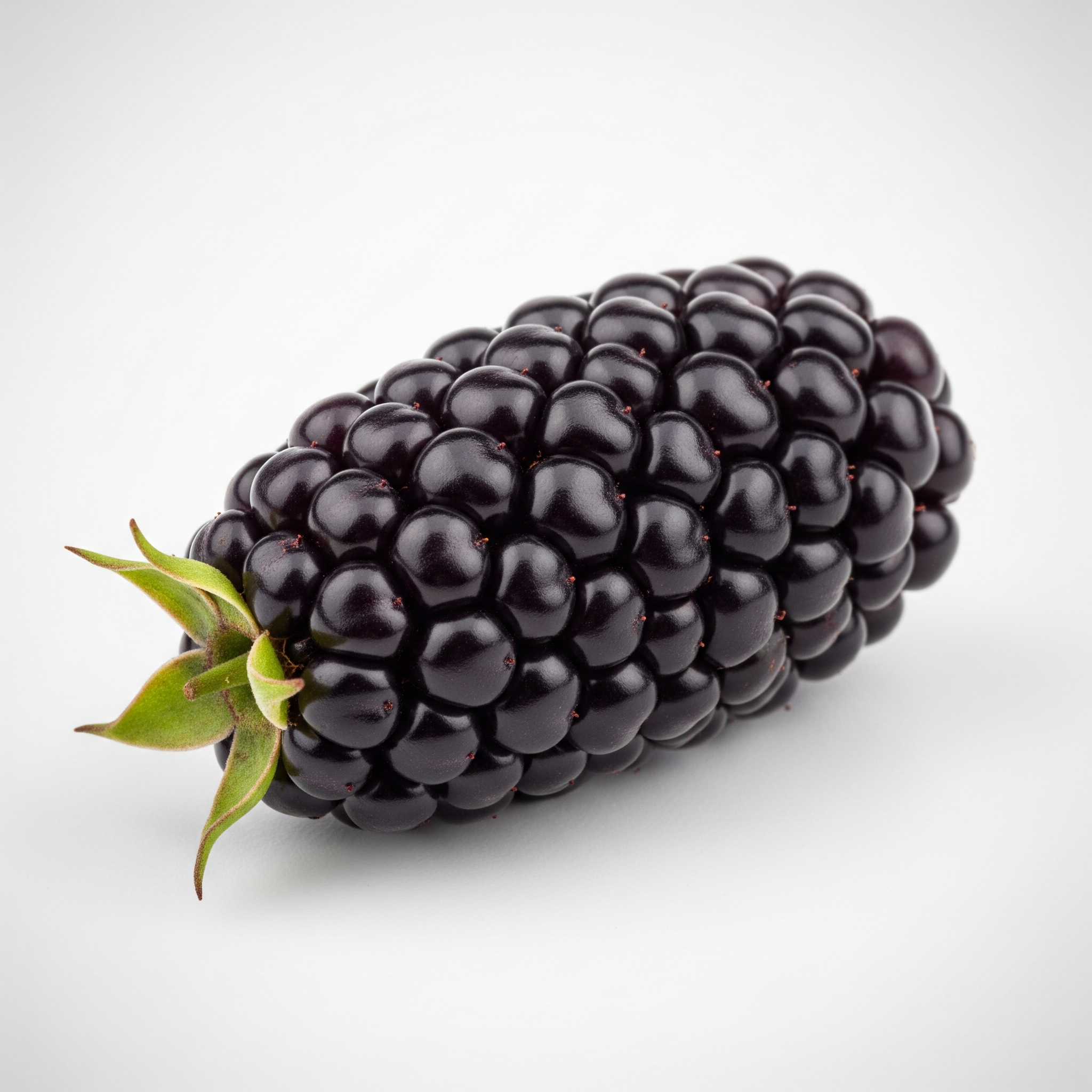
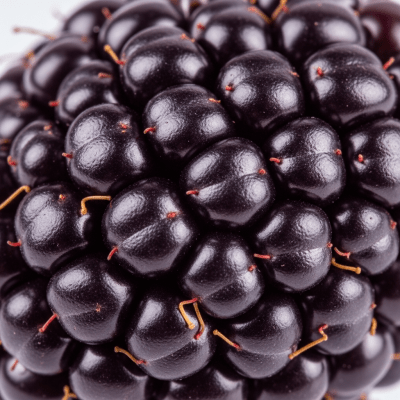
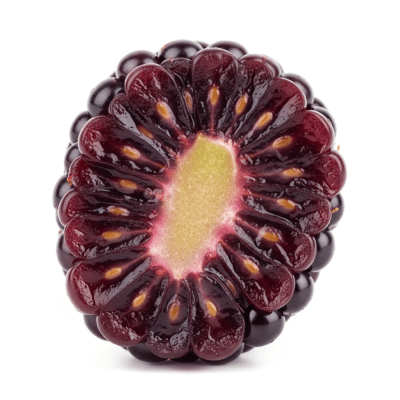
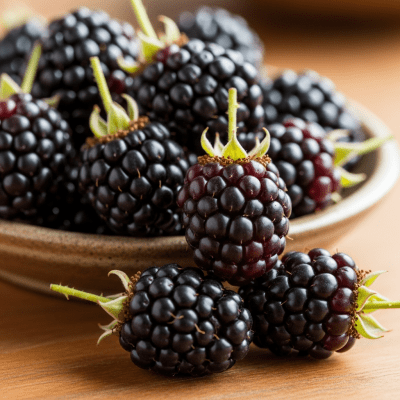
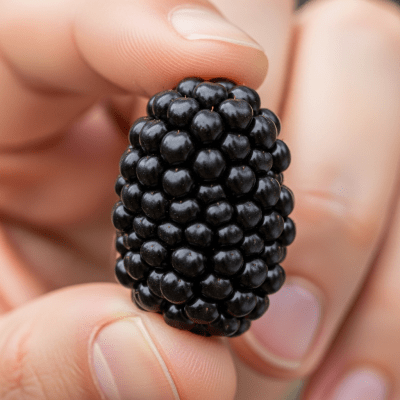
Marionberries are medium to large, typically 2–5 cm long, with a distinctive cylindrical shape. Their glossy skin ripens to a deep purple-black hue, and the berries are plump and juicy, often described as visually striking and inviting. The trailing bramble plants require trellising and produce fruit on biennial canes, adding to their unique form in the field.
Marionberries are enjoyed fresh but are most often processed into jams, jellies, syrups, baked goods, ice cream, and wine. Their delicate nature and short shelf life mean they are best suited for local consumption or freezing, making them a staple in Oregon's culinary landscape and a premium ingredient in regional recipes.
Bring this kind into your world illustrated posters, mugs, and shirts.
Archival print, museum-grade paper
Buy Poster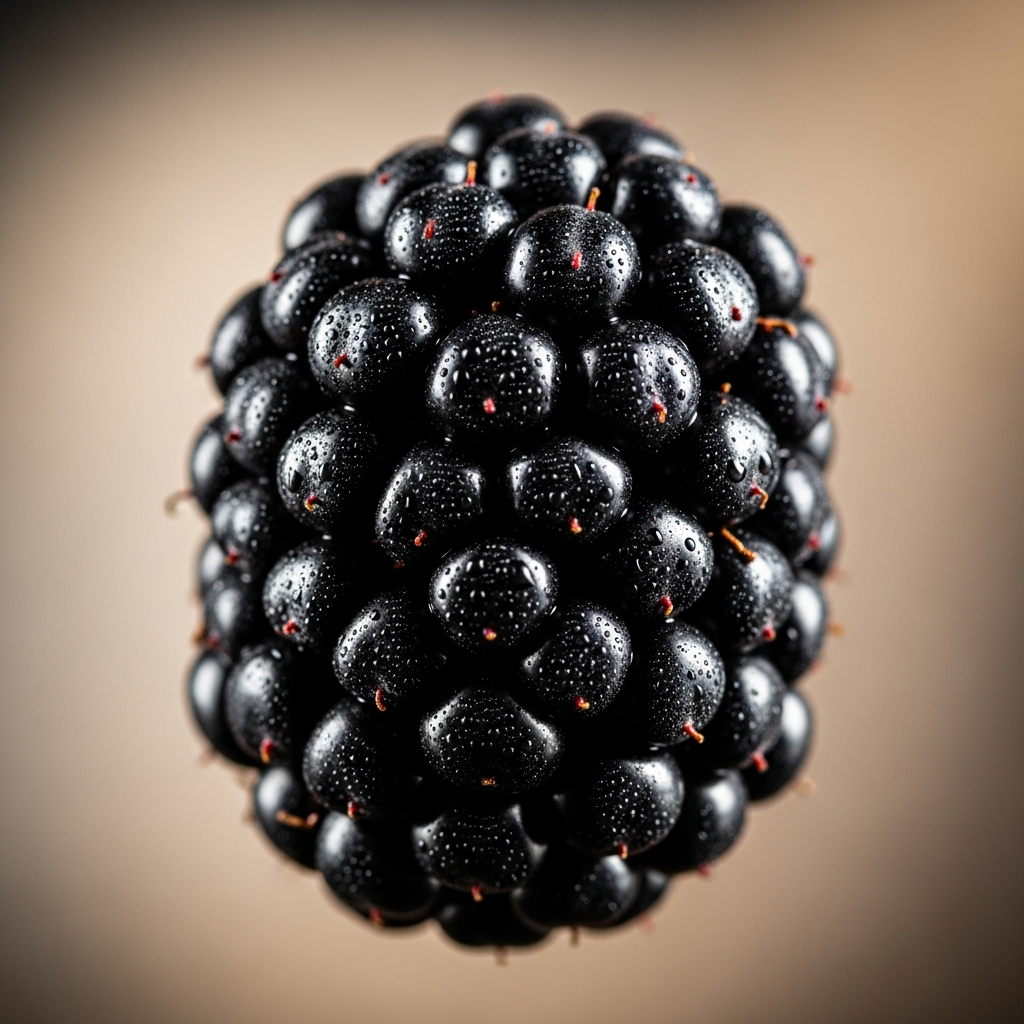
Stoneware mug, dishwasher safe
Buy Mug
Soft cotton tee, unisex sizes
Buy ShirtWidely regarded as the 'Cabernet of blackberries,' the Marionberry holds a special place in Oregon's food culture. It features prominently in local desserts, festivals, and branding, symbolizing the state's agricultural heritage and commitment to quality produce. Its reputation for exceptional flavor has made it a sought-after ingredient and a point of pride for the region.
Marionberry plants are trailing, perennial brambles with biennial fruiting canes (floricanes). The berries themselves are medium to large, cylindrical, and glossy, ripening to a deep purple-black. The cultivar is noted for high yields, but the fruit is delicate and sensitive to cold, thriving best in mild climates.
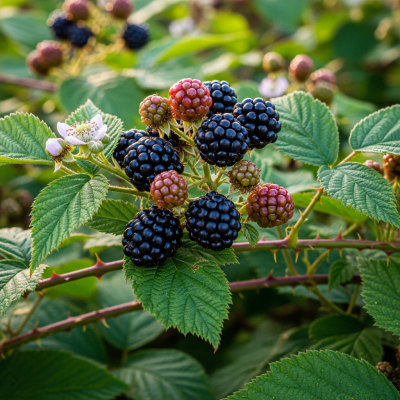
Marionberries require trellising due to their trailing growth habit and are best suited to regions with mild winters, such as Oregon. They yield abundantly—up to 6–8 tons per acre under optimal conditions. While moderately resistant to common blackberry diseases, they are susceptible to root rot and cane blight. Harvest typically spans early July to early August, and due to their delicate nature, the berries are primarily sold locally or processed soon after picking.
Marionberries are a signature ingredient in Oregon cuisine, celebrated for their balance of sweetness and tartness.
Marionberry dominates Oregon's blackberry market and is recognized as a premium product. Most fresh berries are sold locally due to their fragility, while frozen and processed forms reach broader markets. The berry's reputation for quality and flavor ensures strong demand, especially in specialty and regional food sectors.
Marionberry plants are moderately resistant to common blackberry diseases but can be affected by root rot and cane blight. The berries themselves have a short post-harvest shelf life and are best consumed or processed soon after picking. Their delicate skin makes them unsuitable for long-distance shipping, favoring local markets and frozen distribution.
While 'Marionberry' is the standard name, it is sometimes confused with other trailing blackberry cultivars such as 'Boysenberry' or 'Olallieberry.' The scientific designation is Rubus subgenus Rubus, cultivar 'Marion.'