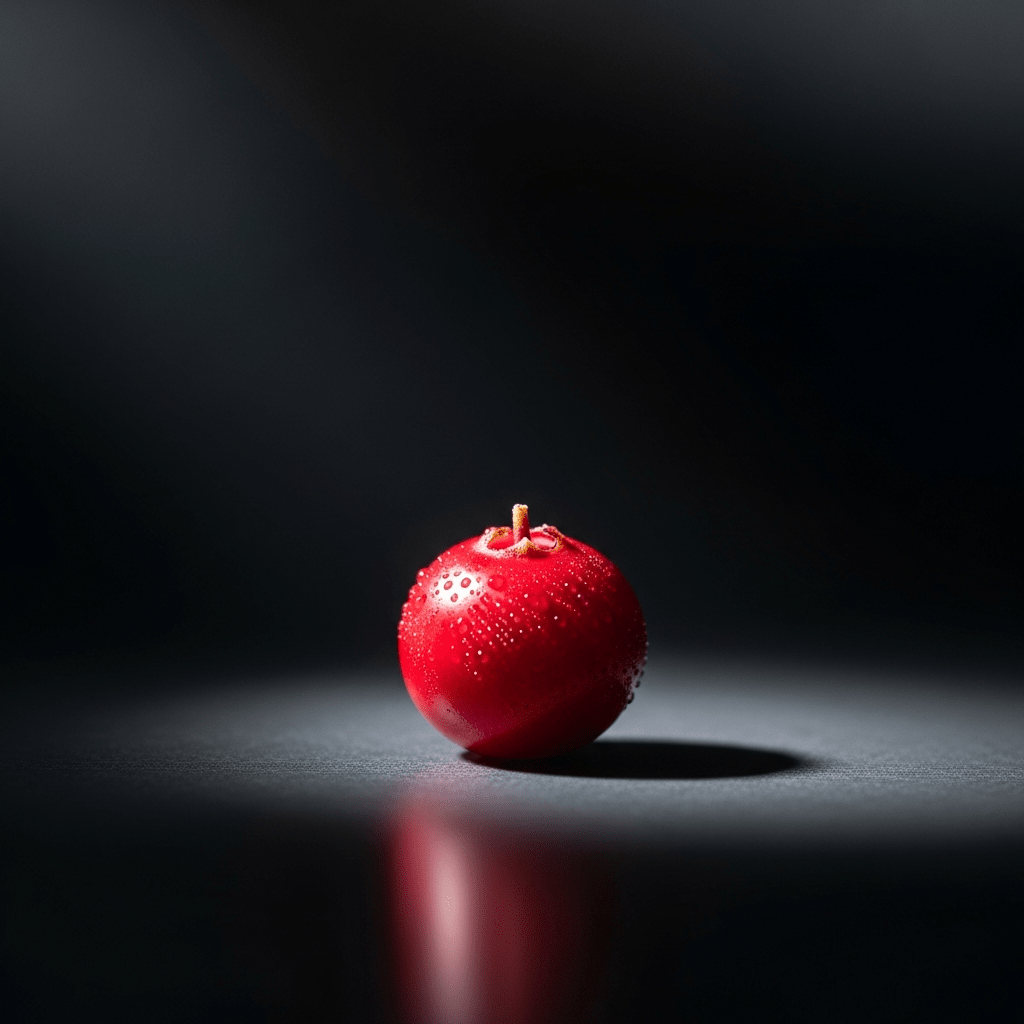
Lingonberry
The lingonberry (Vaccinium vitis-idaea) is a small, tart, red berry native to the cold forests and tundra of Northern Europe, Asia, and North America, celebrated for its resilience and culinary versatility.
The lingonberry (Vaccinium vitis-idaea) is a small, tart, red berry native to the cold forests and tundra of Northern Europe, Asia, and North America, celebrated for its resilience and culinary versatility.
Lingonberry has its roots in the boreal regions of Eurasia and North America, where it grows wild in acidic soils and harsh climates. First formally described by Carl Linnaeus in 1753, the species was not domesticated through breeding but has thrived naturally for centuries. While cultivation has expanded in Sweden, Finland, and Russia since the late 20th century, most lingonberries found in commerce are still wild-harvested, reflecting the berry’s deep connection to its native landscapes.
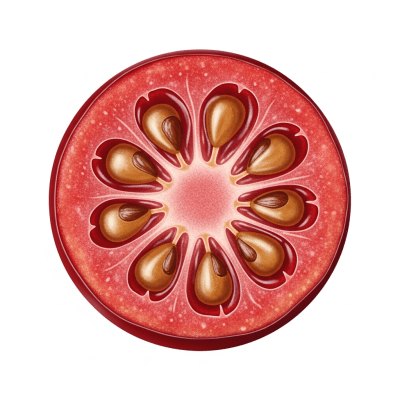
Lingonberry belongs to the family Ericaceae and is classified botanically as Vaccinium vitis-idaea. It is considered a true berry in botanical terms, sharing its genus with blueberries and cranberries. While its culinary use aligns it with other small, tart fruits, its evergreen shrub habit and berry morphology distinguish it within the broader berry taxonomy.
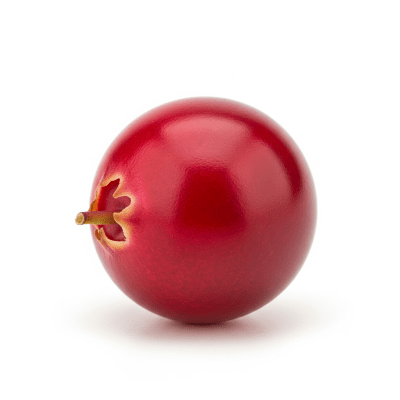
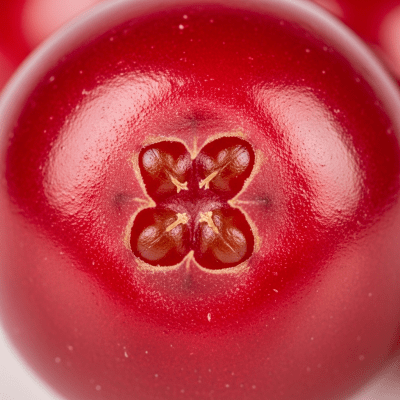
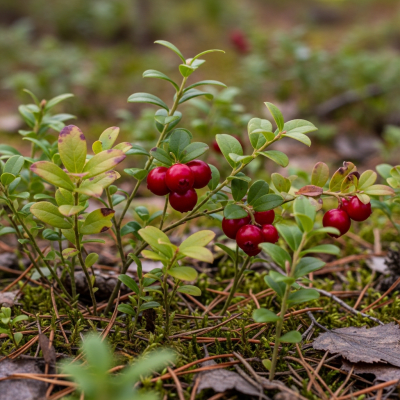
Lingonberries grow on low, evergreen shrubs, typically reaching 10–40 cm in height. The plants feature leathery, dark green leaves and clusters of delicate, bell-shaped flowers in white to pale pink. The berries themselves are round, bright red, and measure 5–10 mm across, with a glossy skin and a tart, slightly bitter flavor that is both refreshing and distinctive.
Lingonberry thrives in acidic, nutrient-poor soils and is highly frost-tolerant, surviving temperatures well below −40°C. The plant spreads by rhizomes, forming dense mats that help stabilize forest soils. For humans, lingonberries are harvested both wild and cultivated, serving as a staple ingredient in jams, sauces, and preserves, and are valued for their high pectin content and natural tartness.
Bring this kind into your world illustrated posters, mugs, and shirts.
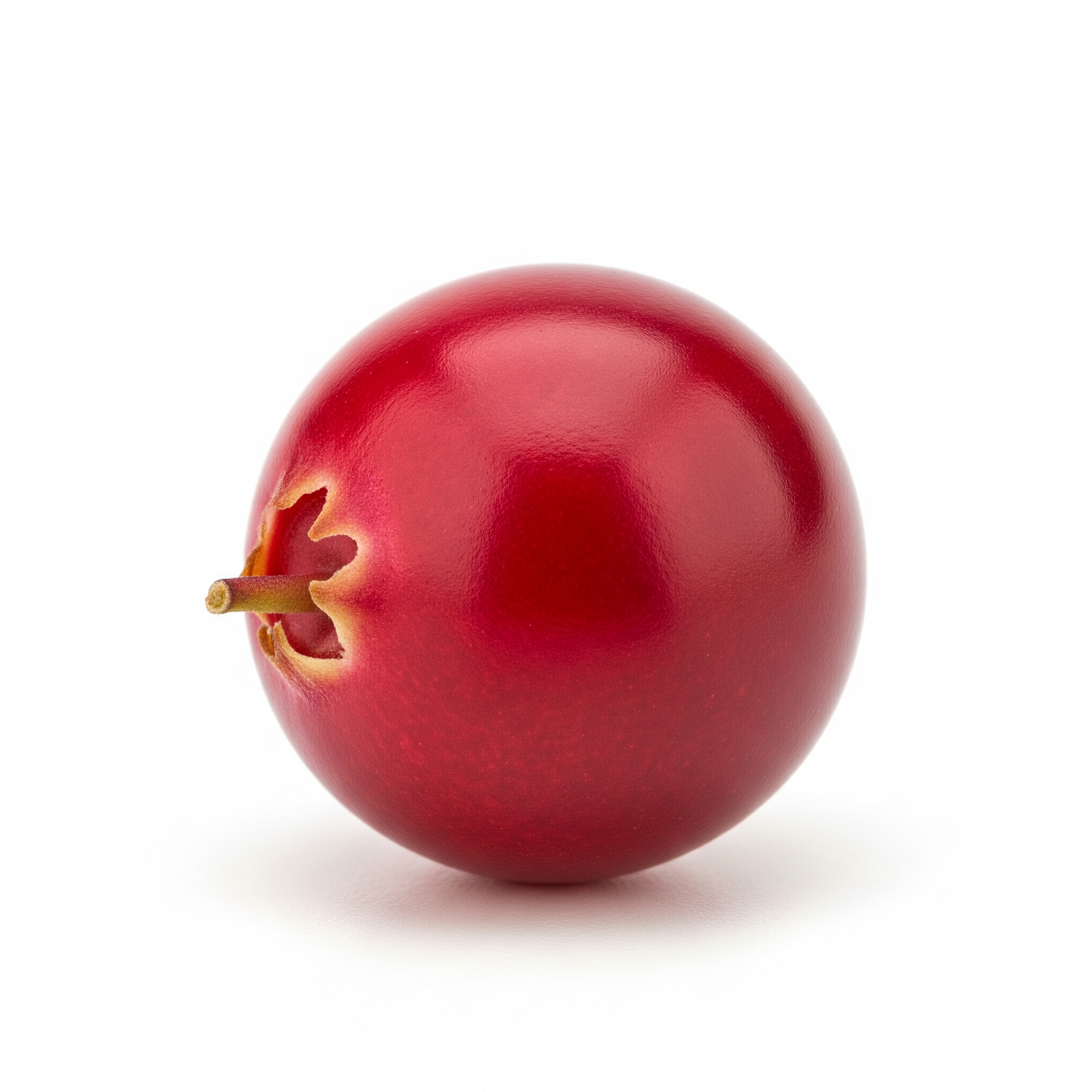
Archival print, museum-grade paper
Buy Poster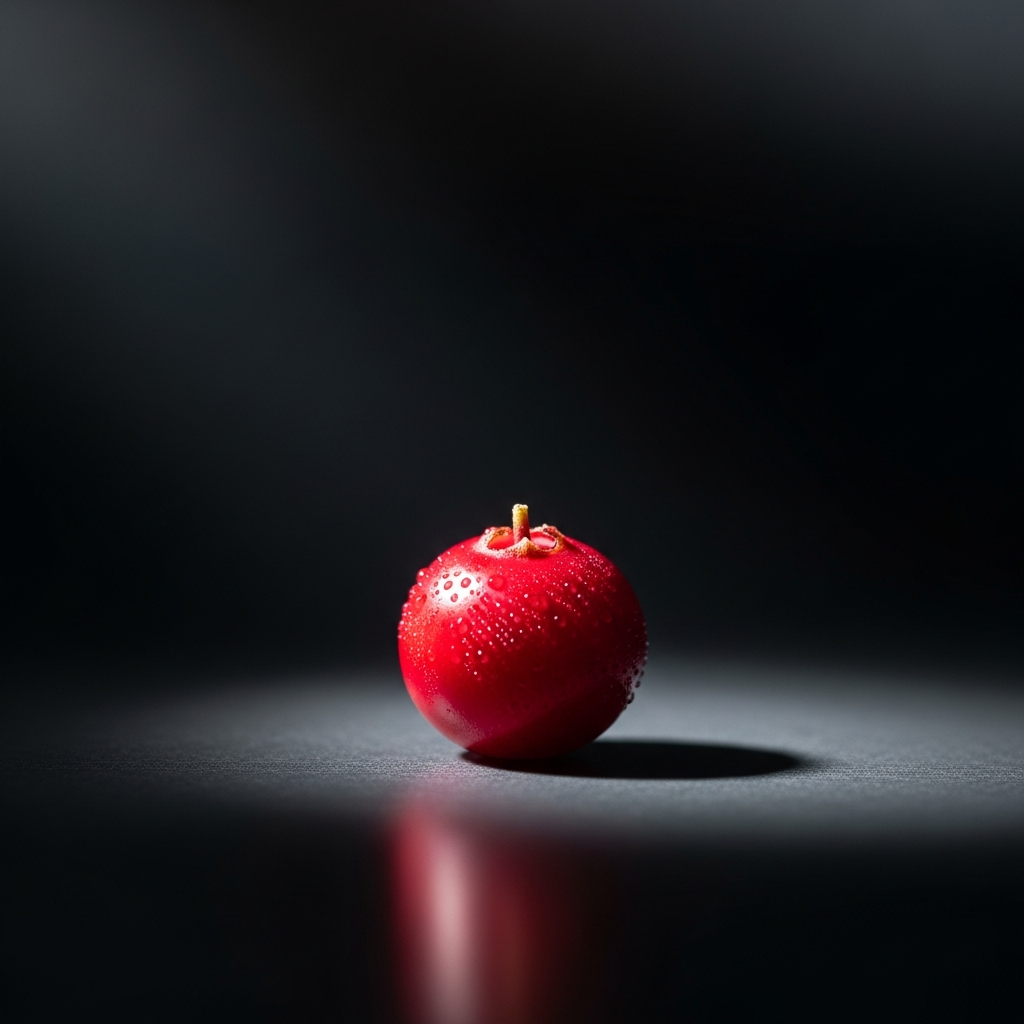
Stoneware mug, dishwasher safe
Buy Mug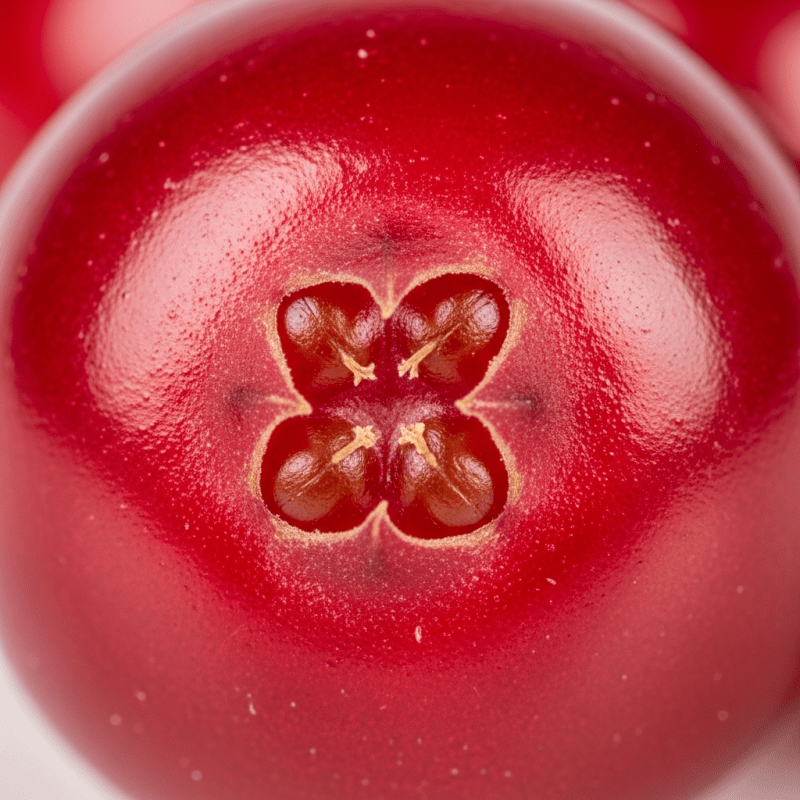
Soft cotton tee, unisex sizes
Buy ShirtLingonberry holds a cherished place in Scandinavian, Baltic, and Russian cultures. It is a traditional accompaniment to meat dishes, pancakes, and desserts, and features prominently in festive meals and folk remedies. The berry’s enduring presence in regional cuisine and folklore reflects its role as both a symbol of northern landscapes and a practical source of nutrition through long winters.
Lingonberry is a low-growing, evergreen shrub with leathery, dark green leaves and clusters of small, bell-shaped flowers. The plant forms dense mats via rhizome propagation and produces round, bright red berries with a tart, slightly bitter taste. Adapted to acidic, nutrient-poor soils, it is exceptionally frost-hardy and resistant to most pests and diseases, though susceptible to fungal pathogens in humid conditions.
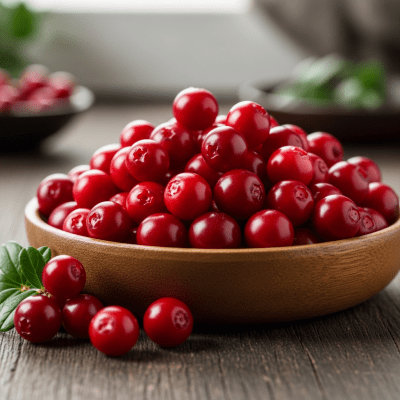
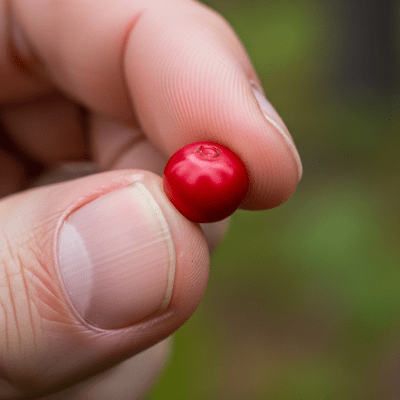
Lingonberries are cultivated in regions with cool climates and acidic soils, with commercial yields averaging 1–2 tonnes per hectare. While wild-harvesting remains dominant, cultivation is increasing in Sweden, Finland, and Russia. The plants require minimal inputs due to their natural hardiness and are managed for both fresh consumption and processing. Disease resistance is generally high, though fungal issues can arise in humid environments. Post-harvest, lingonberries store well when refrigerated and are often preserved as jams or compotes.
Lingonberries are commercially available as fresh, frozen, dried, or processed products, with jams and juices being the most prominent exports from Sweden and Finland. The berry’s popularity is rising globally, driven by its perceived health benefits and unique flavor. Most lingonberries in the market are wild-harvested, though cultivated supply is growing, especially in northern Europe and Russia.
Lingonberry is primarily harvested from wild populations, and standardized cultivars are rare. Regional subspecies such as Vaccinium vitis-idaea subsp. minus (North America) and subsp. vitis-idaea (Eurasia) are recognized, but named heritage selections are not widely documented.
Lingonberries are naturally resistant to most pests and diseases, though they can be affected by fungal pathogens in humid conditions. The berries store well when refrigerated and are traditionally preserved as jams or compotes, extending their shelf life and culinary utility.