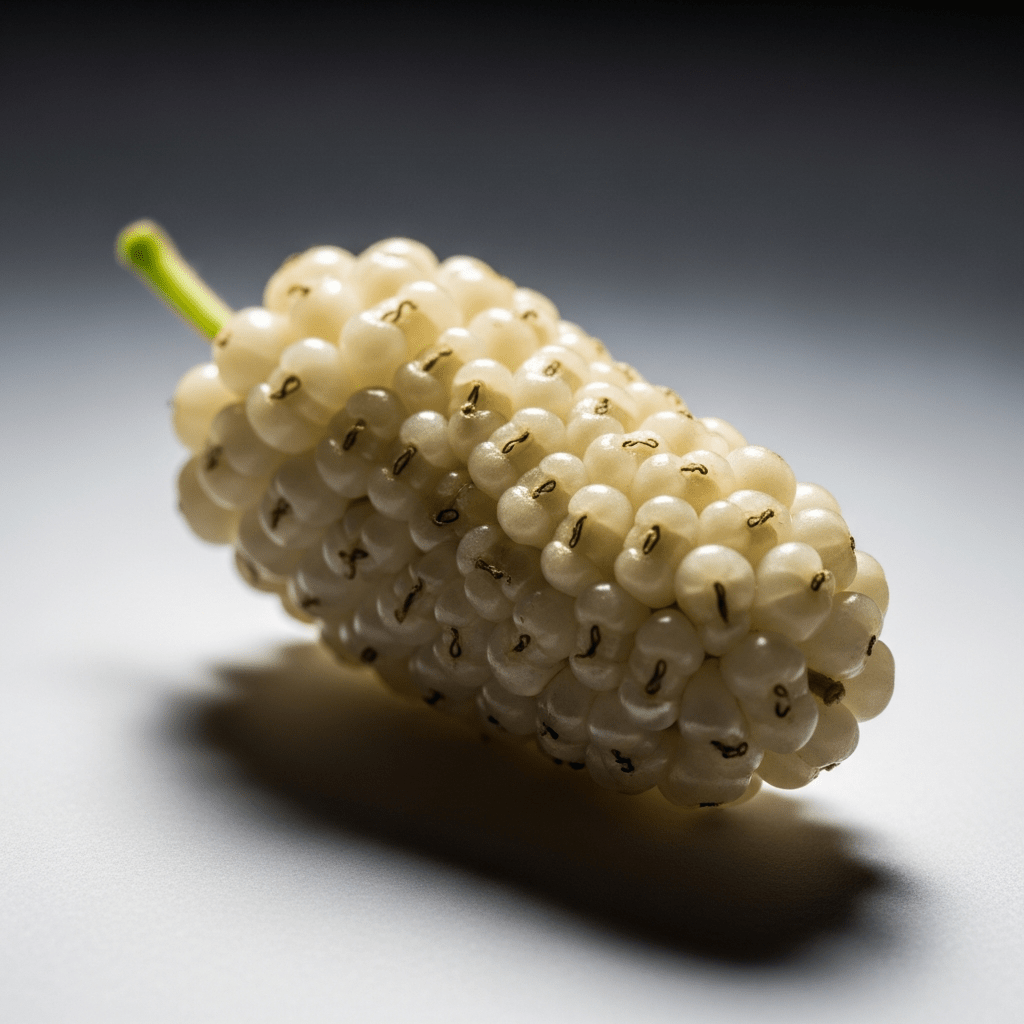
White Mulberry
The White Mulberry (Morus alba) is a fast-growing deciduous tree, renowned for its sweet, edible berries and its foundational role in silk production.
The White Mulberry (Morus alba) is a fast-growing deciduous tree, renowned for its sweet, edible berries and its foundational role in silk production.
Native to China, White Mulberry was domesticated over 4,000 years ago, primarily to support the ancient art of sericulture. Its leaves are the preferred food for silkworms (Bombyx mori), making the species essential to the development of the silk industry. Over centuries, White Mulberry spread to Europe and North America, introduced for both fruit cultivation and silk farming. Its lineage is complex, shaped by extensive hybridization among Morus species and adaptation to diverse climates.
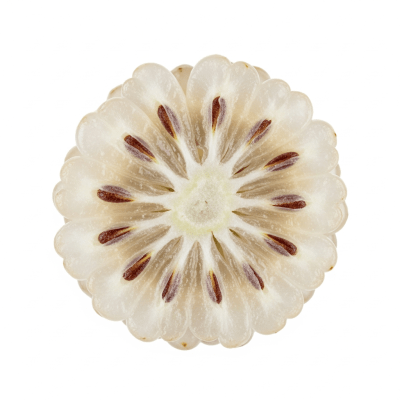
White Mulberry belongs to the Moraceae family and is scientifically known as Morus alba. Though its fruit is not a true berry botanically—instead classified as a compound, multiple fruit—it is commonly grouped with berries in culinary and agricultural contexts due to its appearance and usage. The species is part of a broader group of berry-like fruits that blur the lines between botanical and popular definitions.
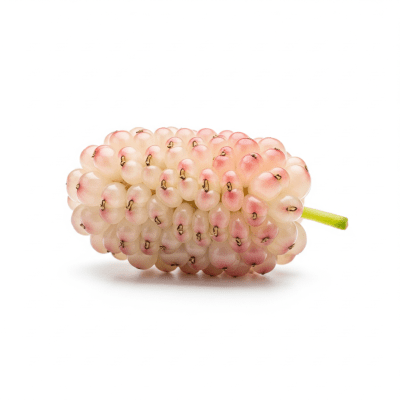
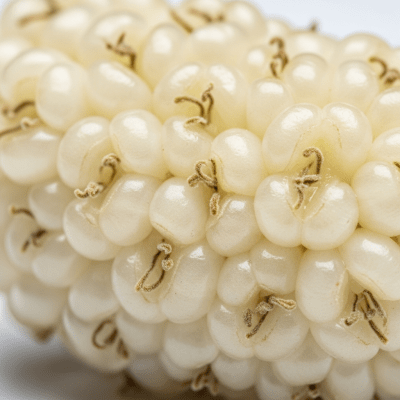
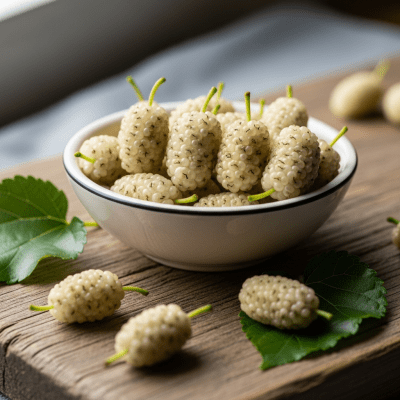
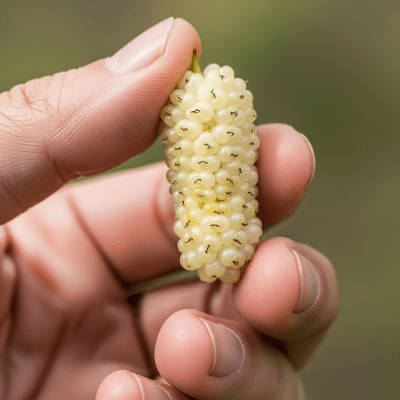
The White Mulberry tree can reach heights of 10–20 meters, featuring a broad, rounded crown and smooth, pale bark. Its leaves are alternate, simple, and highly variable—often lobed and ranging from 5 to 20 cm long. The fruit itself is small (1–2.5 cm), cylindrical to oblong, and ripens through a spectrum of colors: green, white, pink, and deep purple-black. When ripe, the berries are soft, juicy, and notably sweet, making them appealing for fresh consumption.
White Mulberry interacts with humans and its environment in multifaceted ways. Its leaves are indispensable for silkworm rearing, supporting silk production for millennia. The tree is valued for its rapid growth and adaptability, thriving in diverse soils and climates and tolerating drought and urban pollution. Its berries are enjoyed fresh, dried, or processed, while the tree itself is planted for shade, ornamental beauty, and erosion control.
Bring this kind into your world illustrated posters, mugs, and shirts.
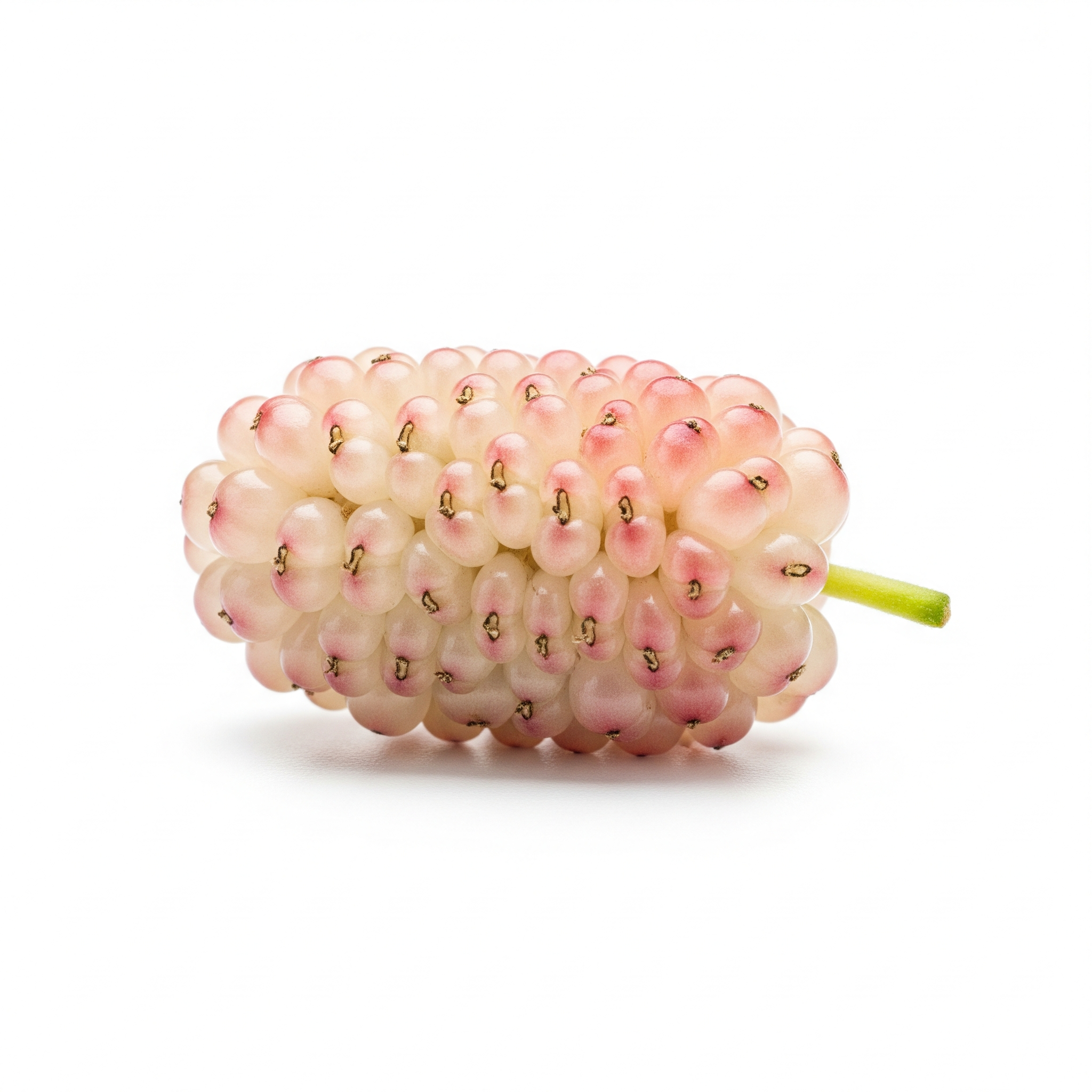
Archival print, museum-grade paper
Buy Poster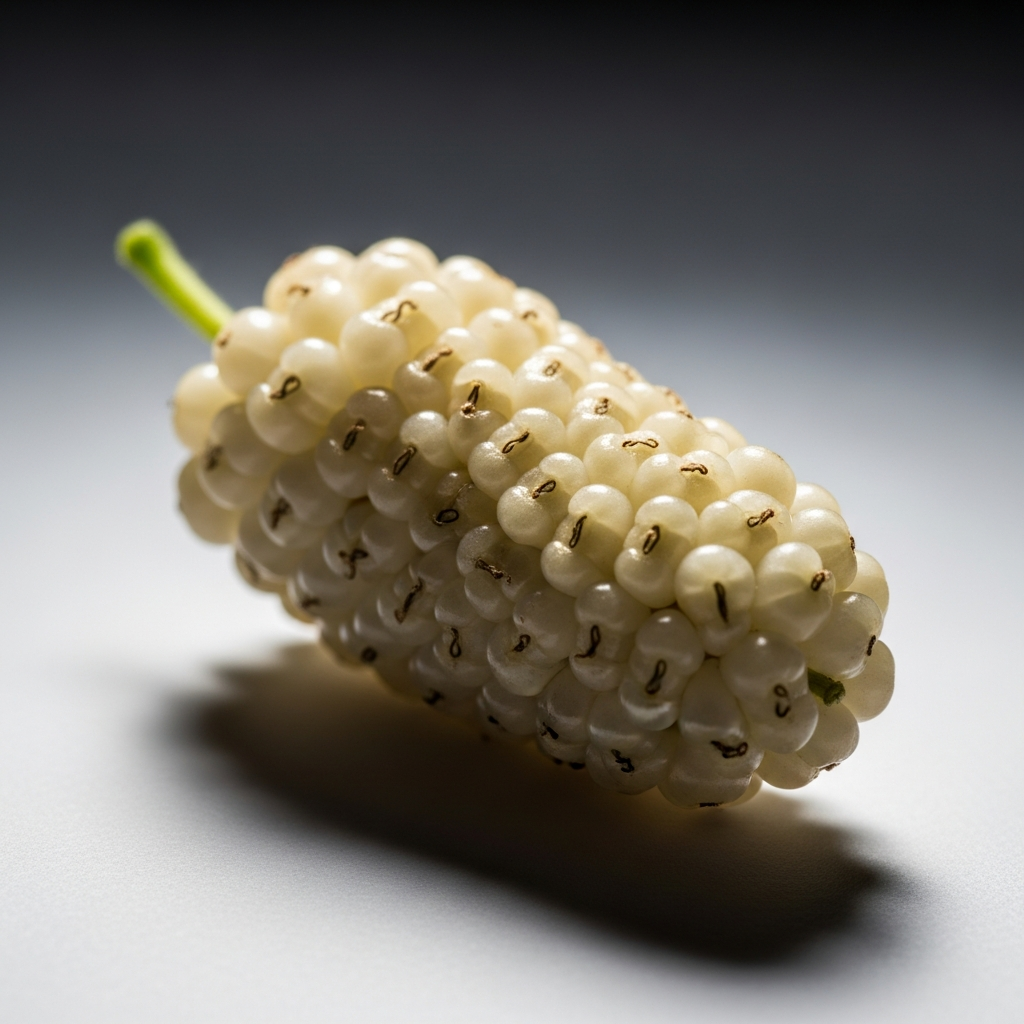
Stoneware mug, dishwasher safe
Buy Mug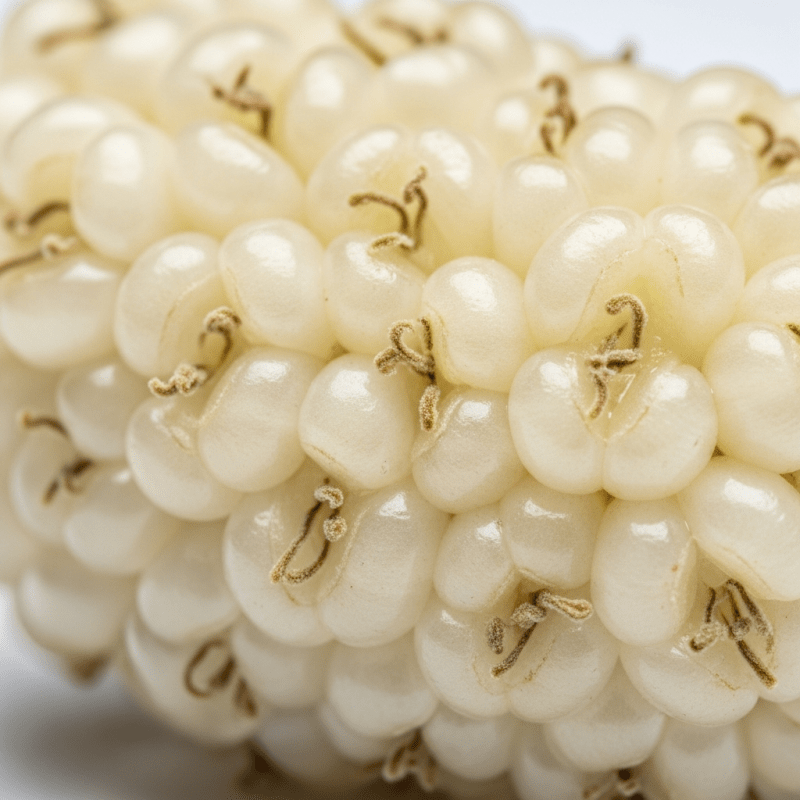
Soft cotton tee, unisex sizes
Buy ShirtWhite Mulberry is deeply woven into the cultural fabric of Asia, especially China, where it underpins the silk industry and appears in traditional medicine and folklore. Its presence in art and literature often symbolizes longevity and resilience. In Japan and other regions, it is celebrated for both its fruit and its role in sericulture. The tree’s adaptability and economic importance have led to its spread worldwide, sometimes even becoming an invasive species in new habitats.
White Mulberry is a deciduous tree reaching up to 20 meters, with a broad crown and pale bark. Its leaves are alternate, simple, and variable in shape—often lobed and 5–20 cm long. The fruit is a compound, multiple fruit (not a true berry), measuring 1–2.5 cm, ripening from green to white, pink, or purple-black. The species is notable for its rapid growth, drought tolerance, and ability to thrive in polluted urban environments.

White Mulberry thrives in a wide range of soils and climates, making it suitable for both rural and urban settings. It is propagated by seeds, cuttings, or grafting. Mature trees yield several kilograms of fruit annually, though yields vary by cultivar and region. The species is resilient to drought and pollution but can be susceptible to fungal diseases and root rot. Its adaptability and fast growth make it popular for shade, erosion control, and ornamental planting.
While White Mulberry fruit is less prominent in mainstream markets due to its delicate nature and short shelf life, dried mulberries have gained popularity as a health food. The tree is widely planted for its utility in silk production, shade, and landscaping. China remains the principal producer, with cultivation also found in Europe and North America. Market trends favor processed and dried forms over fresh berries.
Numerous wild and cultivated forms of White Mulberry exist, with extensive hybridization among Morus species. However, specific named cultivars are not widely documented or standardized, reflecting the species’ long history of informal selection and adaptation.
White Mulberry is tolerant to urban pollution and some pests but is susceptible to fungal diseases and root rot. Fresh berries have a short shelf life and spoil quickly, so they are often dried or processed to extend usability. Proper handling and prompt drying are essential for preserving quality.