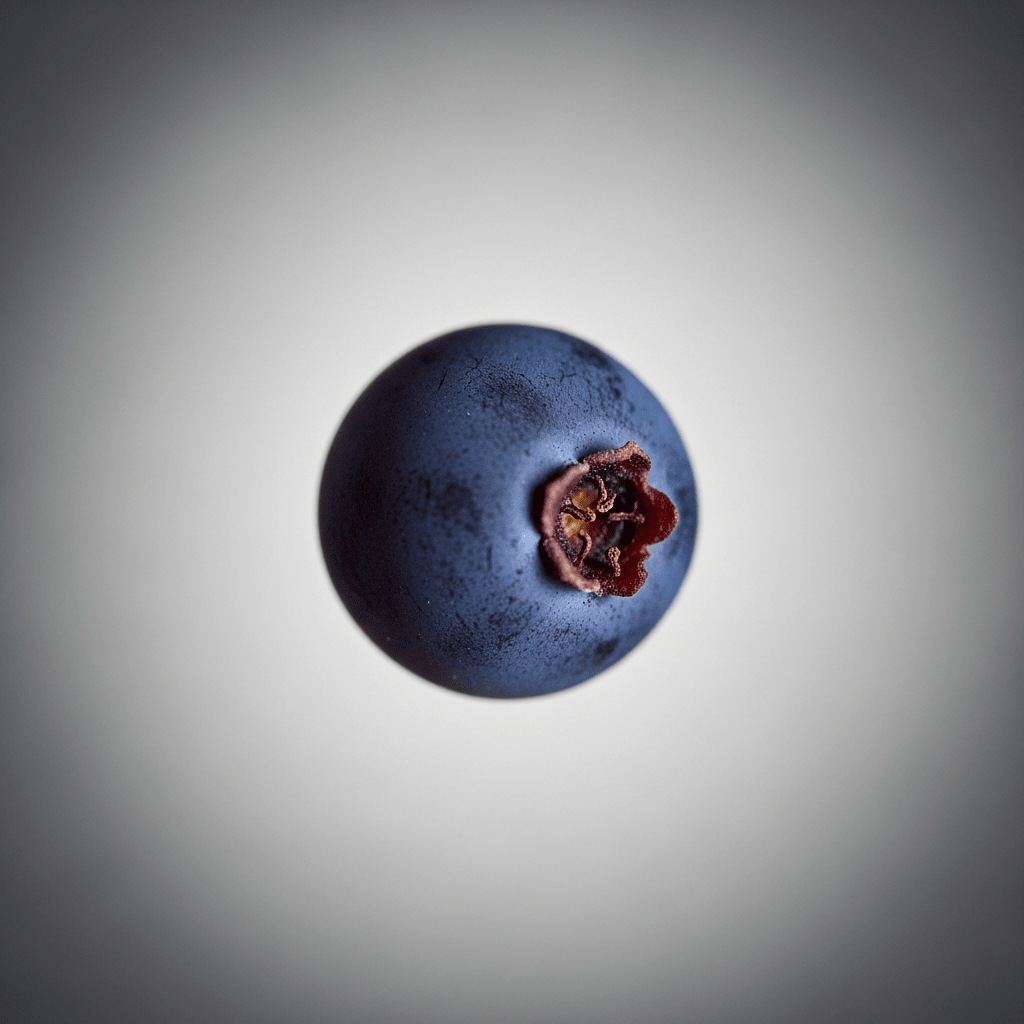
Serviceberry
The serviceberry is a sweet, edible fruit from the genus Amelanchier, prized for its blueberry-like flavor and valued in both wild and cultivated forms across North America and Eurasia.
The serviceberry is a sweet, edible fruit from the genus Amelanchier, prized for its blueberry-like flavor and valued in both wild and cultivated forms across North America and Eurasia.
Serviceberries originated in North America, with species such as Amelanchier alnifolia thriving in the Canadian Prairies and northern United States, and A. canadensis and A. laevis native to eastern regions. Indigenous peoples have harvested these berries for centuries, integrating them into traditional diets and practices. The 20th century saw the development of improved cultivars like 'Smoky', 'Northline', and 'Thiessen' in Canada, selected for larger fruit and higher yields, marking a transition from wild gathering to commercial cultivation.
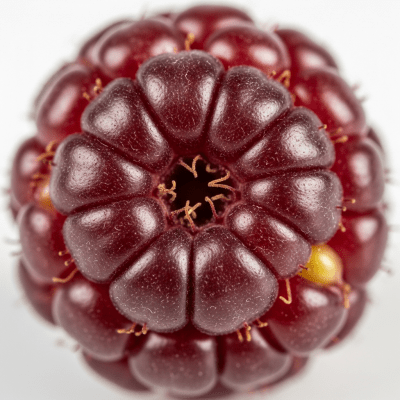
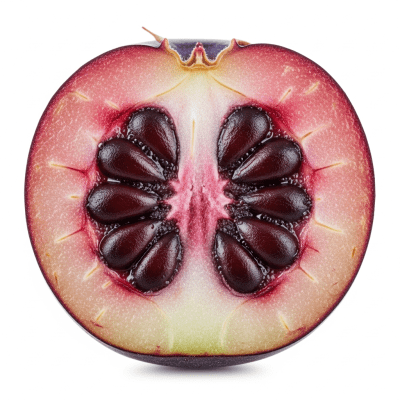
Serviceberry belongs to the Rosaceae family, within the genus Amelanchier. While its fruits are often called berries in culinary contexts, botanically they are classified as pomes. The group encompasses several species, including A. alnifolia, A. canadensis, and A. laevis, each adapted to different regions of North America. Serviceberry is closely related to other members of the Rosaceae, such as apples and pears, but stands out for its edible, small fruits and ornamental value.
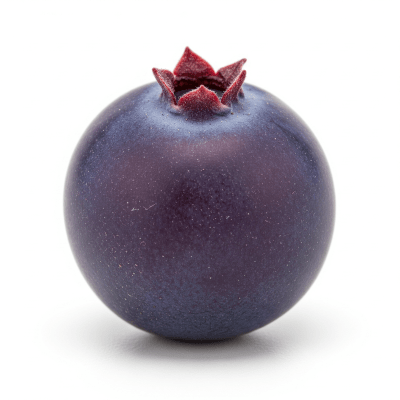
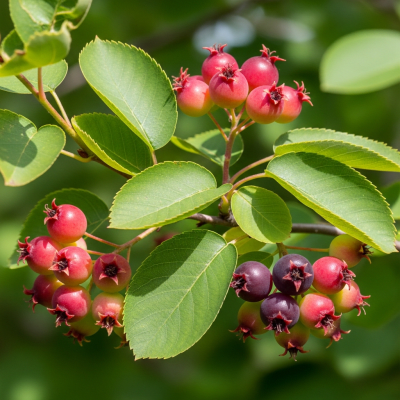
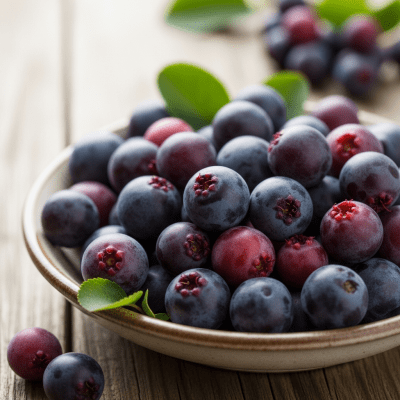
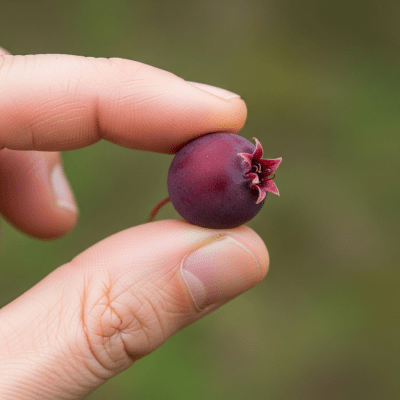
Serviceberry plants are deciduous shrubs or small trees, typically reaching 2–8 meters in height. They feature smooth gray bark and oval leaves that transform to vibrant red or yellow in autumn. In early spring, clusters of delicate white, five-petaled flowers emerge, followed by small, round berries that ripen to a deep purple or blue-black hue. The berries, measuring 7–15 mm across, resemble blueberries but often display a subtle bloom and a slightly firmer texture.
Serviceberries are enjoyed fresh, dried, or processed into jams, jellies, syrups, pies, and even wines. Their sweet flavor, with hints of almond, makes them a favorite in both traditional and modern recipes. In indigenous cultures, serviceberries were a staple, used in foods like pemmican. Today, the berries are cultivated for local and specialty markets, appreciated for their nutritional value and versatility. The shrubs also serve as ornamental plants in landscaping, attracting pollinators and wildlife.
Bring this kind into your world illustrated posters, mugs, and shirts.
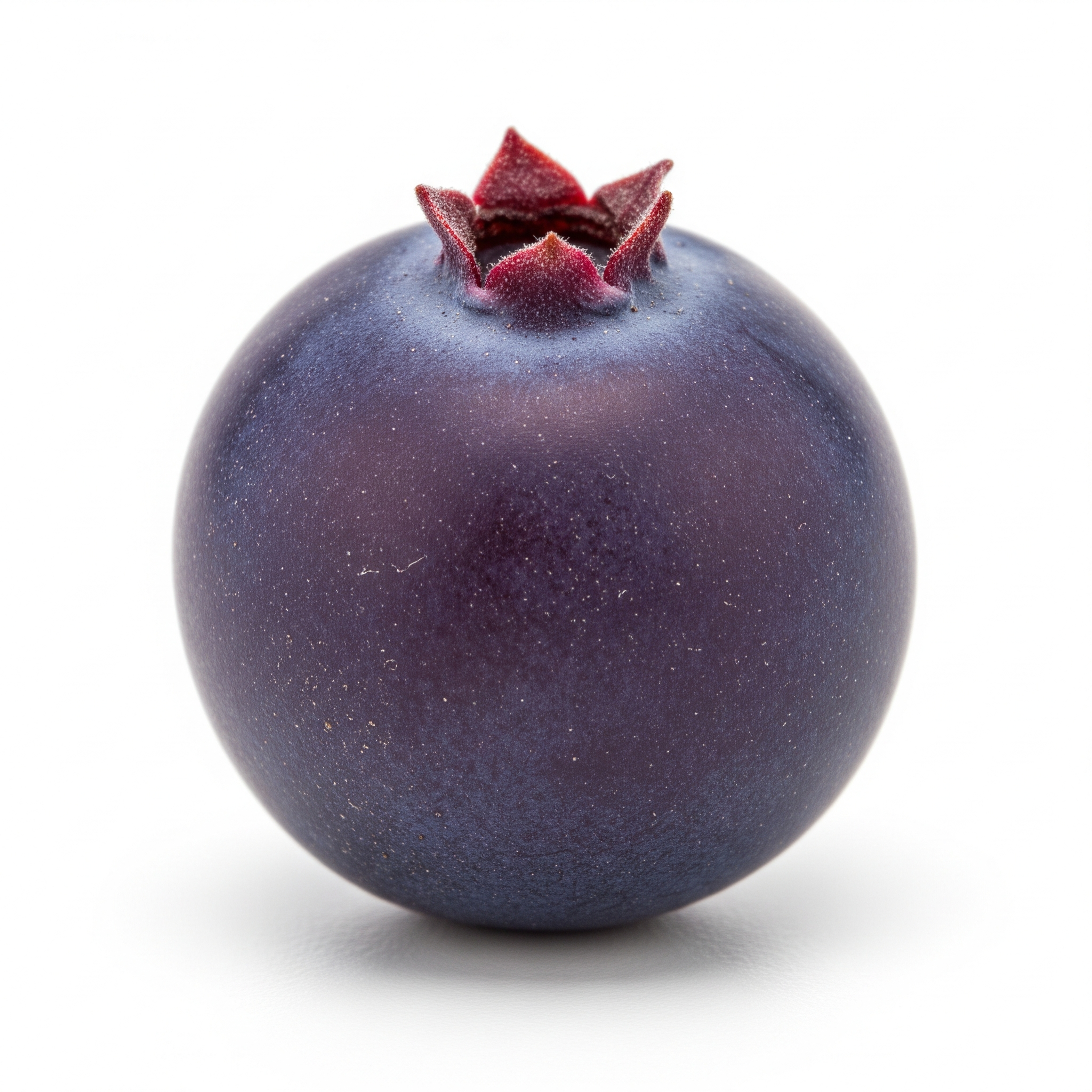
Archival print, museum-grade paper
Buy Poster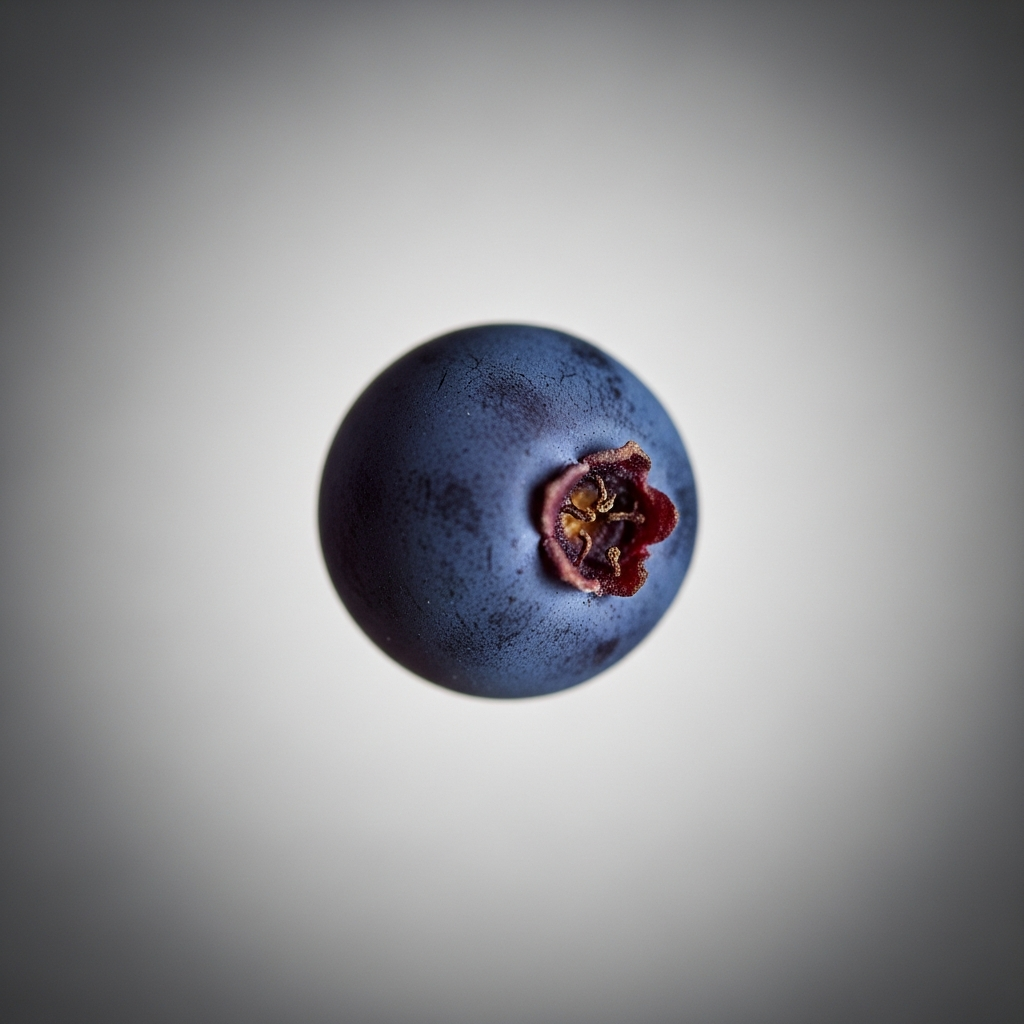
Stoneware mug, dishwasher safe
Buy Mug
Soft cotton tee, unisex sizes
Buy ShirtServiceberries hold deep roots in indigenous North American food traditions, where they were vital for nutrition and survival. The berries feature in the making of pemmican and other preserved foods. Their springtime flowering is linked to seasonal cycles, with names like "shadbush" referencing the shad fish migration. In Canada, the saskatoon berry is celebrated in festivals and local cuisine, while "juneberry" is a familiar term in the United States. Serviceberries also grace gardens and parks, valued for their beauty and ecological benefits.
Serviceberry plants are deciduous, forming shrubs or small trees with smooth gray bark and oval leaves that turn vivid colors in fall. They produce white, five-petaled flowers in early spring, followed by small, round pomes that mature to purple or blue-black in early summer. The fruit size ranges from 7–15 mm in diameter. Serviceberries are adapted to cold climates, moderately drought-tolerant, and thrive in a variety of soils.
Serviceberries are grown in regions with cold winters, suitable for USDA zones 2–7. They tolerate diverse soils and moderate drought, making them resilient in northern climates. Cultivated varieties yield 4–8 kg of fruit per bush annually. Disease management focuses on rust, fire blight, and leaf spot, with modern cultivars showing improved resistance. Plants require minimal pruning and benefit from well-drained soil and full sun for optimal fruit production.
Serviceberries are commercially cultivated in western Canada and the northern United States, especially as "saskatoon berries." They are sold fresh or frozen, mainly in regional and specialty markets. While not widely available internationally, their popularity is rising in local food movements and niche culinary circles, driven by their unique flavor and nutritional profile.
Serviceberry plants are susceptible to rust, fire blight, and leaf spot diseases, though modern cultivars offer improved resistance. The fruit is highly perishable, with a shelf life of just 3–7 days under refrigeration. Prompt harvesting and cool storage are essential to preserve quality and prevent spoilage.