
Cranberry
The cranberry is a small, tart, deep red berry from the genus Vaccinium, prized for its culinary versatility, nutritional value, and commercial prominence, especially in juices and sauces.
The cranberry is a small, tart, deep red berry from the genus Vaccinium, prized for its culinary versatility, nutritional value, and commercial prominence, especially in juices and sauces.
Native to northeastern North America, the American cranberry (Vaccinium macrocarpon) has thrived in wild bogs and wetlands for centuries. Commercial cultivation began in the early 19th century, with pioneers like Henry Hall developing innovative growing techniques in Massachusetts around 1816. The European cranberry (Vaccinium oxycoccos) originates from northern Europe and Asia. Today, both species are cultivated globally, with modern breeding programs led by institutions such as Rutgers University and the University of Wisconsin shaping the cranberry's lineage and diversity.
Cranberries belong to the genus Vaccinium within the family Ericaceae. While considered a berry in both botanical and culinary contexts, only some species meet the strict botanical definition. The American and European cranberries are true berries, characterized by their fleshy fruit formed from a single ovary. Cranberries are closely related to other members of Vaccinium, such as blueberries and lingonberries.
Cranberries are small (9–14 mm), round to oval berries that mature to a glossy, deep red hue. Their skin is firm and smooth, enclosing a tart, juicy flesh. The plants themselves are low-growing, woody vines with slender stems and evergreen leaves, producing delicate pink flowers with reflexed petals in spring.
Cranberries flourish in acidic, peat-rich soils, often cultivated in constructed bogs or marshes. Their tartness makes them a staple in processed forms—juices, sauces, jams, and dried snacks—rather than as a raw fruit. Cranberries are valued for their high acidity, antioxidant content, and reputed health benefits, particularly for urinary tract wellness. They play a vital role in both the food industry and dietary supplement markets.
Bring this kind into your world illustrated posters, mugs, and shirts.
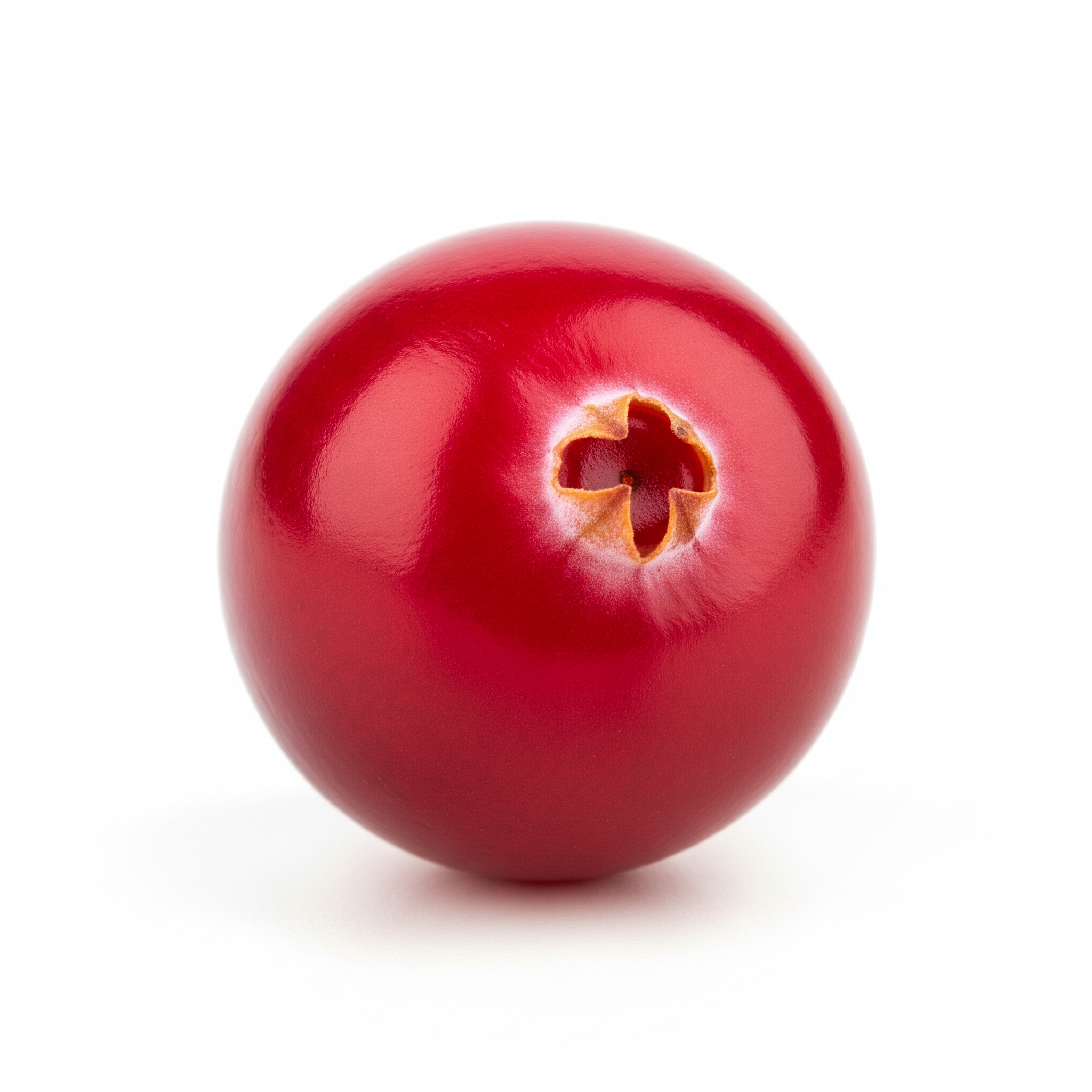
Archival print, museum-grade paper
Buy Poster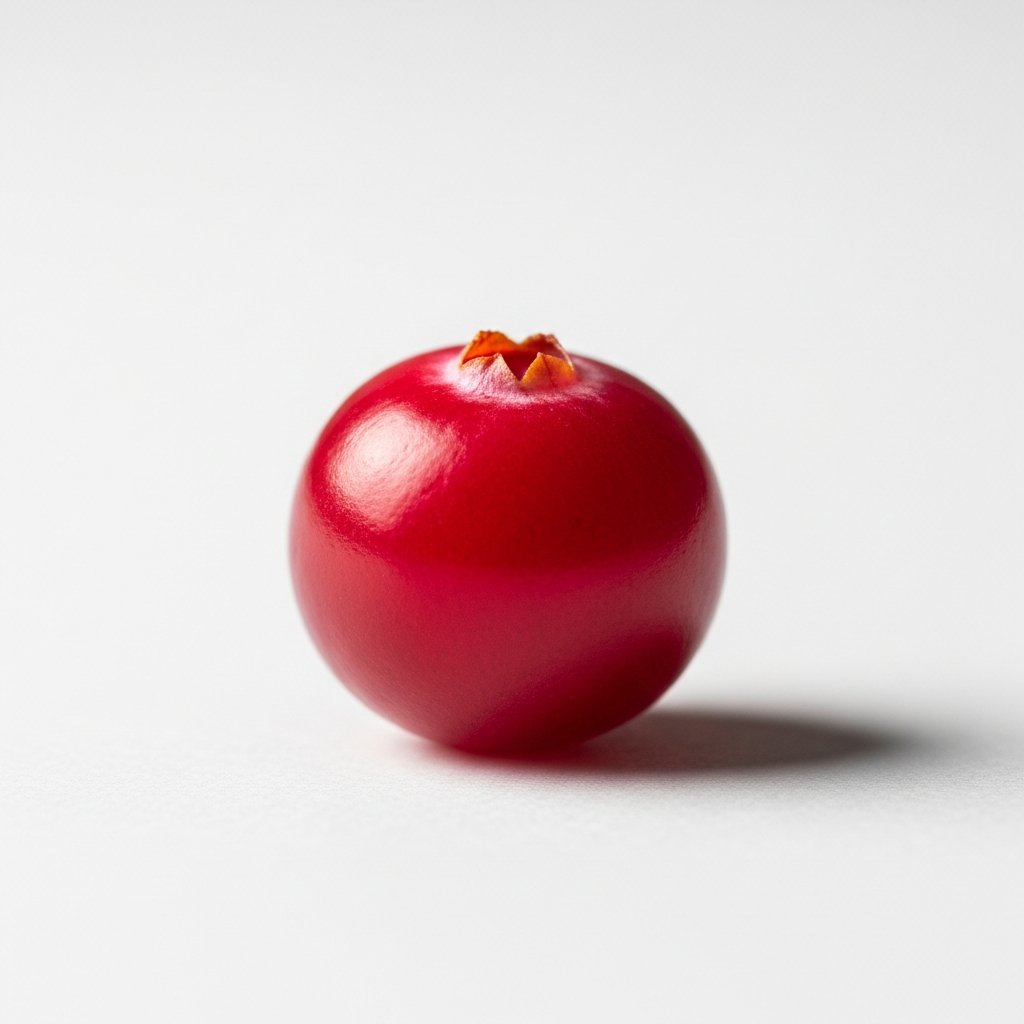
Stoneware mug, dishwasher safe
Buy Mug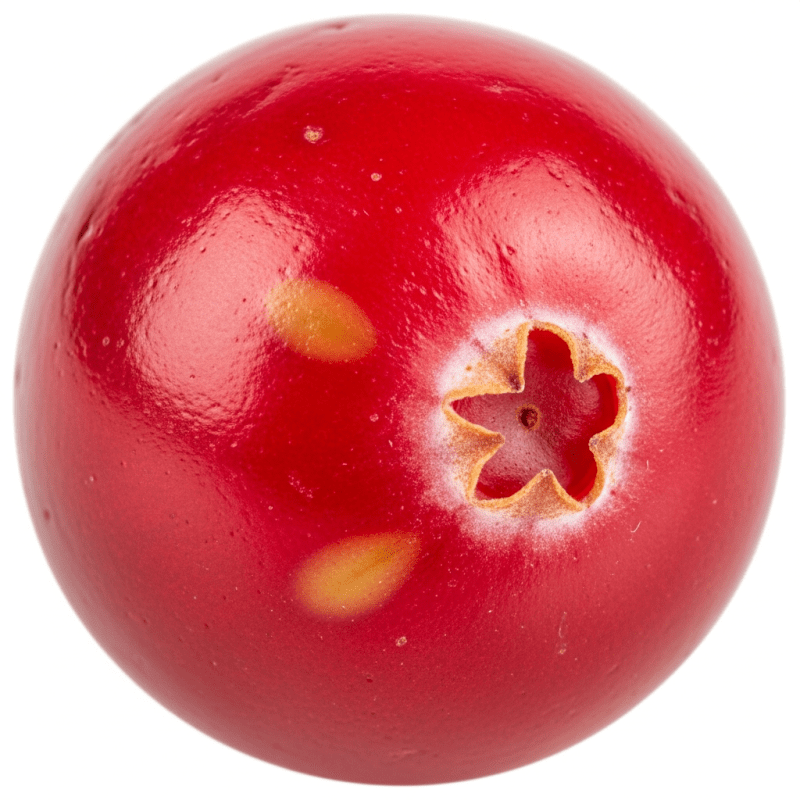
Soft cotton tee, unisex sizes
Buy ShirtCranberries hold a special place in North American culture, most famously as cranberry sauce served during Thanksgiving feasts. The berry is also woven into regional identities, with "Cape Cod cranberries" and "Wisconsin cranberries" celebrated in local festivals and marketing. Its association with health and wellness has elevated its status in modern dietary trends, while traditional folklore highlights its role in indigenous diets and early settler cuisine.
Cranberry plants are perennial, low-growing woody vines with evergreen leaves and slender stems. Their pink, reflexed flowers give way to small, round to oval berries that ripen to a deep red. Adapted to acidic, peat-rich soils, cranberries are tolerant of cold climates and require winter chilling for optimal fruiting. Notably, they are resilient in wet environments and display moderate resistance to certain fungal pathogens.

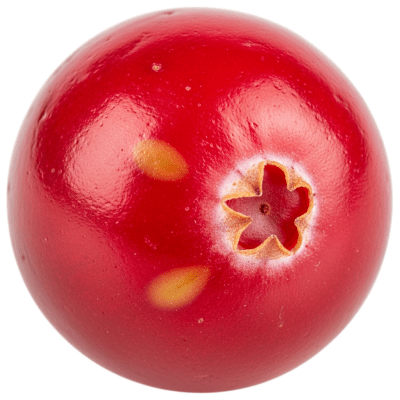
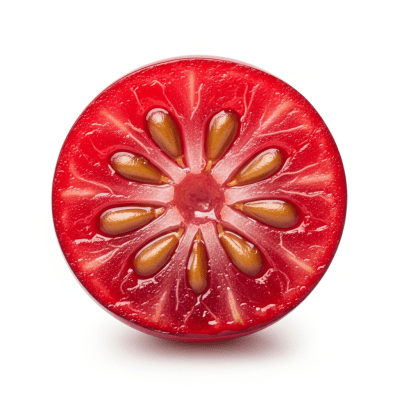
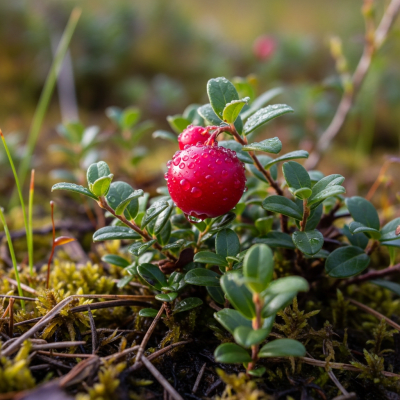
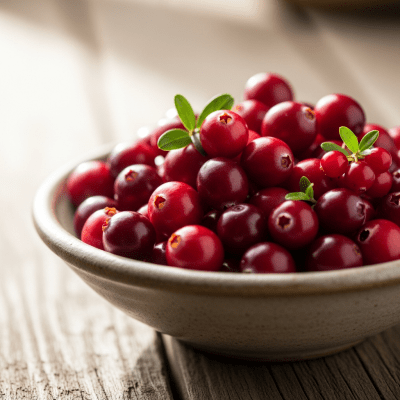
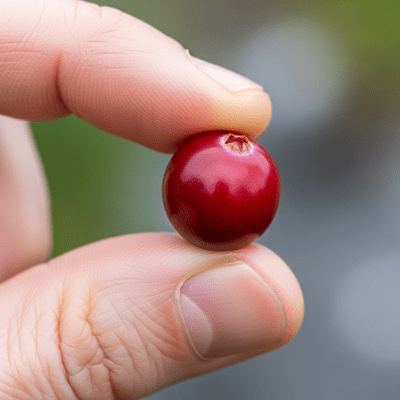
Cranberries are cultivated in specially constructed bogs or marshes, thriving in acidic, peat-rich soils. They require cold winters for dormancy and successful fruiting. Commercial yields average 150–200 barrels per acre, with each barrel weighing about 100 pounds. While tolerant of wet soils and some fungal diseases, cranberries are susceptible to fruit rot, frost damage, and pests like the cranberry fruitworm. Cultivation practices emphasize water management, pest control, and winter chilling to maintain healthy crops and high yields.
Cranberries are a major commercial crop in the United States, Canada, and Chile, with significant exports to Europe and Asia. The berry's primary market forms include juice, dried fruit, and supplements, often marketed with regional identifiers such as "Cape Cod" or "Wisconsin" cranberries. Market trends favor processed products, with demand driven by perceived health benefits and culinary versatility. Leading producers invest in breeding and marketing to maintain global competitiveness.
Cranberries exhibit tolerance to wet soils and some fungal pathogens but remain vulnerable to fruit rot (especially Phytophthora), frost damage, and insect pests like the cranberry fruitworm. Fresh cranberries have a moderate shelf life, lasting several weeks under refrigeration. Processed forms—dried, juiced, or made into sauce—offer extended storage and stability, making them popular in global trade.