Acai Berry
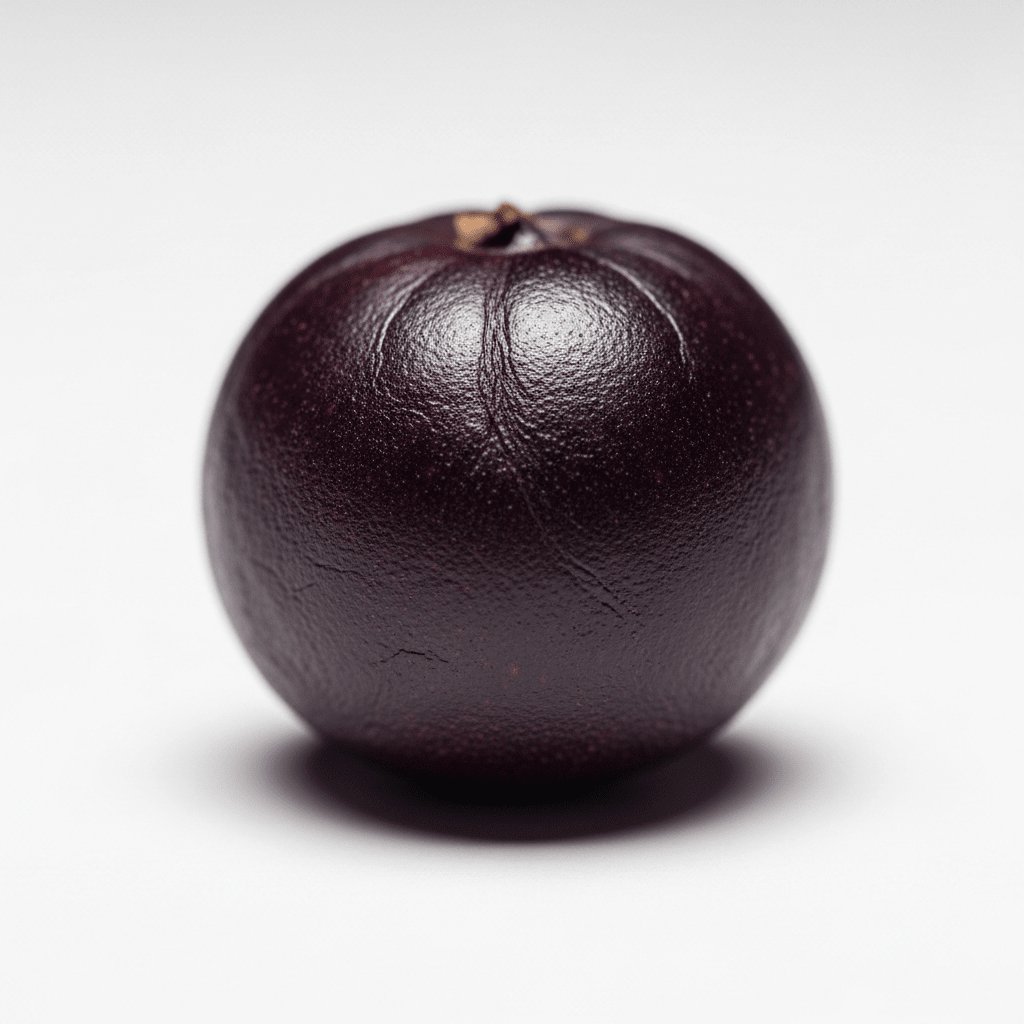
The acai berry is the small, deep purple fruit of the acai palm, celebrated for its antioxidant-rich pulp and global reputation as a superfruit.
The acai berry is the small, deep purple fruit of the acai palm, celebrated for its antioxidant-rich pulp and global reputation as a superfruit.
Native to the floodplains and swamps of the Amazon basin, the acai berry has been a vital food source for indigenous peoples of Brazil, Peru, Suriname, and Trinidad and Tobago for centuries. The acai palm (Euterpe oleracea) was first described botanically in the early 19th century, but its domestication is rooted in traditional Amazonian practices rather than formal breeding. Commercial cultivation began in earnest in the late 20th century, with Brazil—especially the states of Pará and Amazonas—emerging as the primary producer for both domestic and international markets.
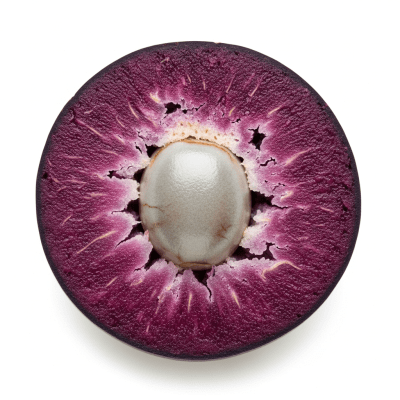
Though universally marketed and consumed as a berry, acai is botanically classified as a drupe—a fruit with a fleshy outer layer and a large central seed. Its scientific name is Euterpe oleracea, and it belongs to the Arecaceae (palm) family. In culinary and commercial contexts, acai is grouped with other soft fruits and berries due to its usage and appearance, despite not meeting the strict botanical definition of a true berry.
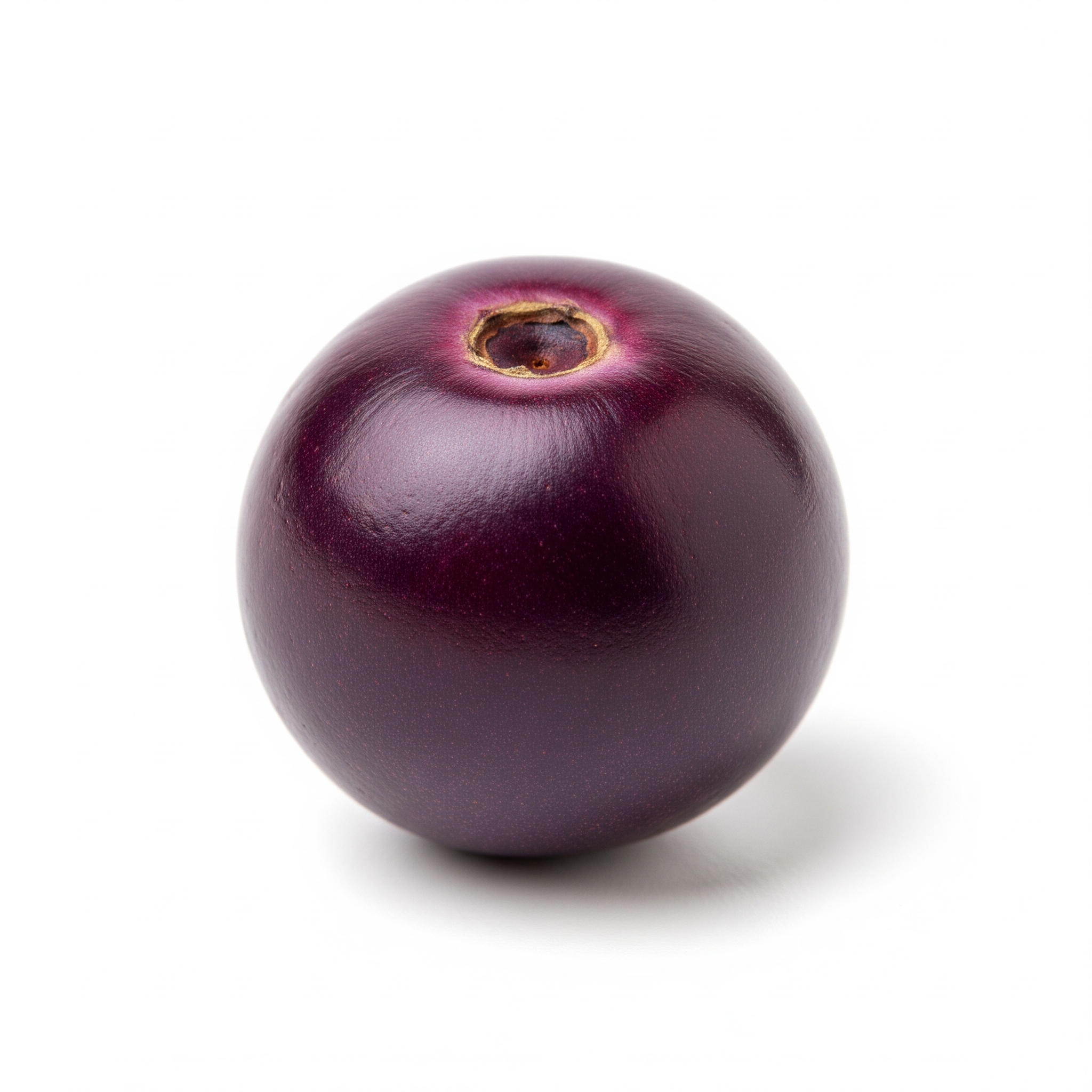
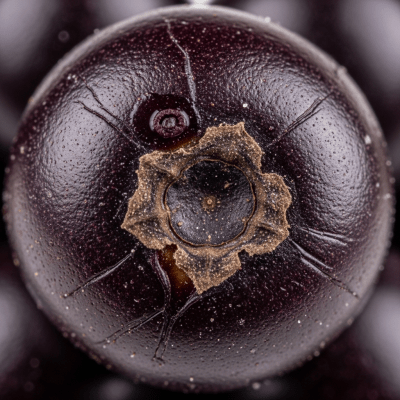
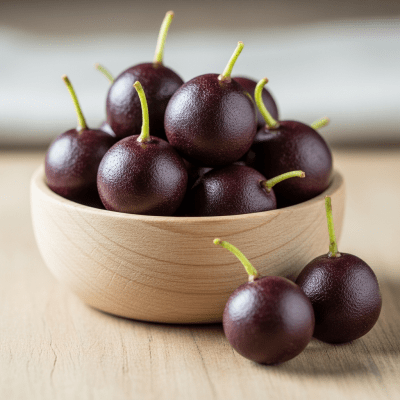
Acai berries are small, round fruits measuring 1–2 cm in diameter, with a striking deep purple skin. The fruit consists mostly of a large central seed, which makes up about 80% of its volume; the edible portion is the thin layer of pulp and skin. The flavor profile is earthy, with subtle notes reminiscent of chocolate and red wine, and the berries are typically harvested from tall, slender, multi-stemmed palms reaching up to 25 meters in height.
Traditionally, acai pulp is consumed fresh or mixed with manioc flour by Amazonian communities. In modern contexts, acai is processed into juices, smoothie bowls, ice creams, dietary supplements, and functional foods. Its rapid perishability means that most acai found outside its native region is frozen, freeze-dried, or made into powder soon after harvest. The berry's reputation as a superfood has fueled its popularity in health-conscious diets worldwide.
Bring this kind into your world illustrated posters, mugs, and shirts.
Archival print, museum-grade paper
Buy Poster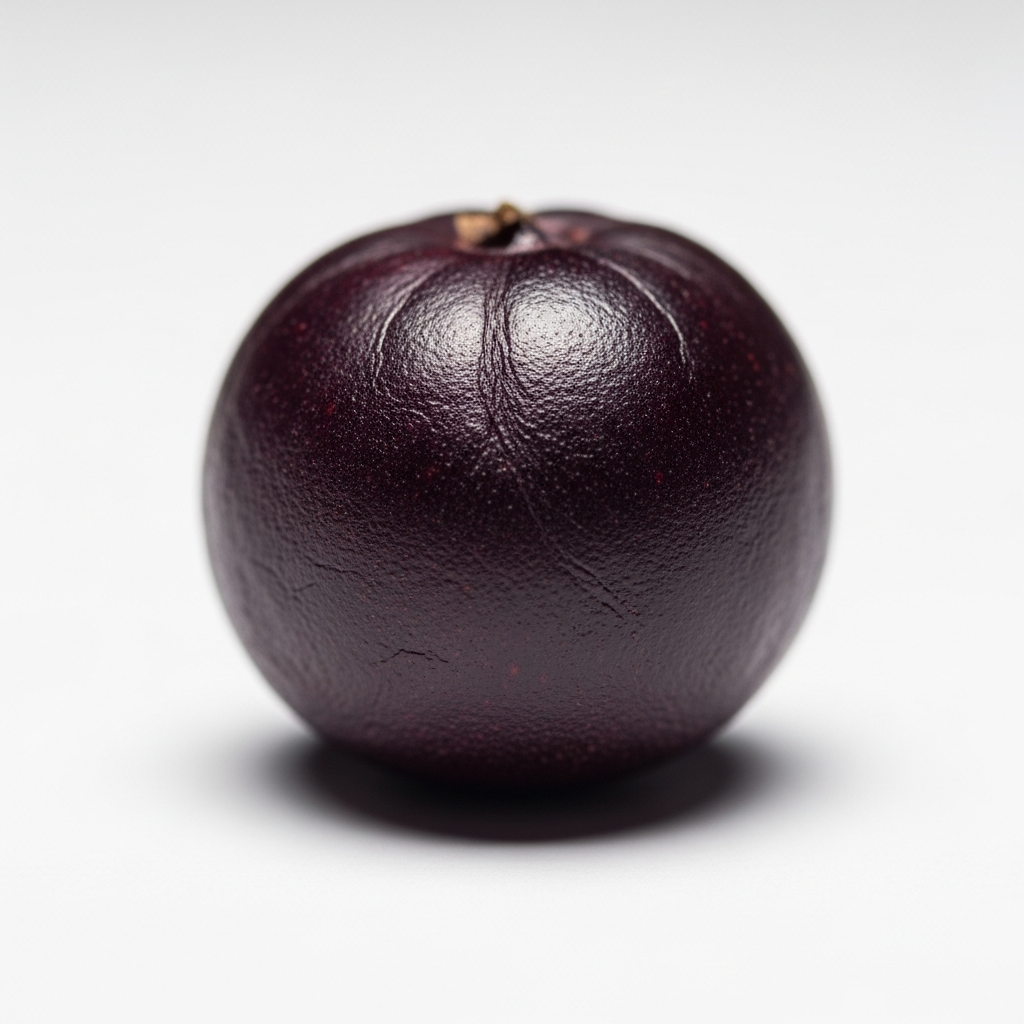
Stoneware mug, dishwasher safe
Buy Mug
Soft cotton tee, unisex sizes
Buy ShirtAcai holds deep cultural importance among indigenous Amazonian peoples, serving as a staple food and a symbol of the region's biodiversity. In Brazil, acai is integral to local cuisine and daily life, often enjoyed as "açaí na tigela"—a thick, chilled acai pulp served in bowls. Globally, acai has become an icon of wellness culture, featured in art, advertising, and the "superfruit" movement, though scientific consensus on its health claims remains nuanced.
Acai berries are round drupes, 1–2 cm in diameter, with deep purple skin and a large central seed. The edible portion is a thin layer of pulp and skin. The acai palm is a tall, slender, multi-stemmed tree that can reach 15–25 meters in height. Fruit production is year-round, peaking in the dry season, and mature palms can yield up to 25 kg of fruit annually. The species is adapted to floodplain and swampy environments, with natural resilience to some pests and diseases.
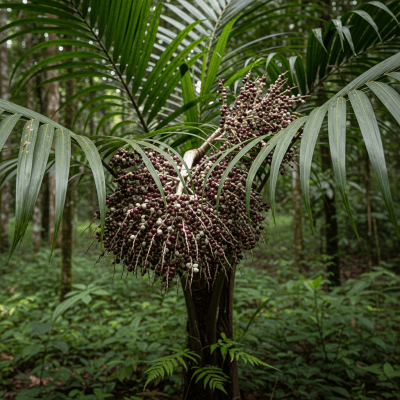
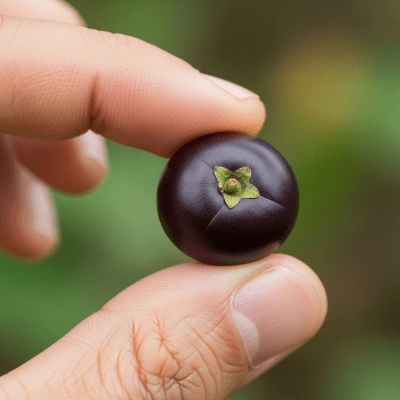
Acai is cultivated primarily in the floodplains and swamps of the Amazon, with commercial plantations concentrated in Pará and Amazonas, Brazil. The palms thrive in humid, tropical climates and can produce fruit throughout the year. Yields depend on age and management, with mature trees producing significant quantities. However, acai berries are highly perishable and must be processed quickly after harvest. While susceptible to fungal diseases and pests, the natural habitat provides some resilience, and there are no formal breeding programs—only selection for fruit size and yield.
Acai has achieved global commercial prominence as a staple in health foods and functional beverages, largely driven by its reputation as a superfruit. Brazil is the dominant producer, supplying both domestic and international markets. The berry's rapid perishability has led to innovations in processing and distribution, with most acai sold outside its native region in frozen, powdered, or processed forms. Market demand continues to grow, fueled by wellness trends and consumer interest in nutrient-rich foods.
There are no widely recognized formal cultivars of acai; most production relies on wild or semi-selected varieties chosen for fruit size and yield. Heritage identifiers and named selections are rare, reflecting the species' traditional and wild origins.
Acai is susceptible to fungal diseases and pests, though its native habitat provides some natural resilience. The berries are highly perishable, deteriorating within 24 hours of harvest. To preserve quality and extend shelf life, acai is typically frozen, freeze-dried, or processed into pulp or powder immediately after picking.