Wineberry
Wineberry (Rubus phoenicolasius) is a vibrant, sweet-tart aggregate fruiting shrub native to East Asia, prized for its bright red, translucent berries and valued in culinary and wild foraging contexts.
Wineberry (Rubus phoenicolasius) is a vibrant, sweet-tart aggregate fruiting shrub native to East Asia, prized for its bright red, translucent berries and valued in culinary and wild foraging contexts.
Wineberry originated in Japan and China, where it was first described by botanist Maximowicz in the late 19th century. The species was introduced to North America in the 1870s–1880s, primarily for raspberry breeding and horticultural experimentation. Its lineage traces directly to wild populations, with no hybridization or formal breeding history. Over time, wineberry has naturalized—and sometimes become invasive—in eastern United States, parts of Canada, and Europe.
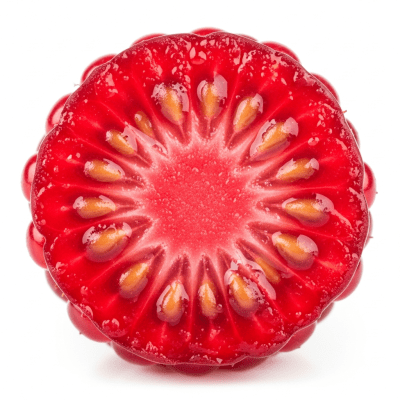
Wineberry belongs to the Rosaceae family and the genus Rubus, aligning it closely with raspberries and blackberries. Although commonly called a "berry," wineberry is botanically an aggregate fruit composed of multiple drupelets. Its classification highlights the ambiguity between botanical and culinary definitions of berries, as wineberry is not a true berry by strict botanical standards but is widely accepted as such in culinary and horticultural circles.
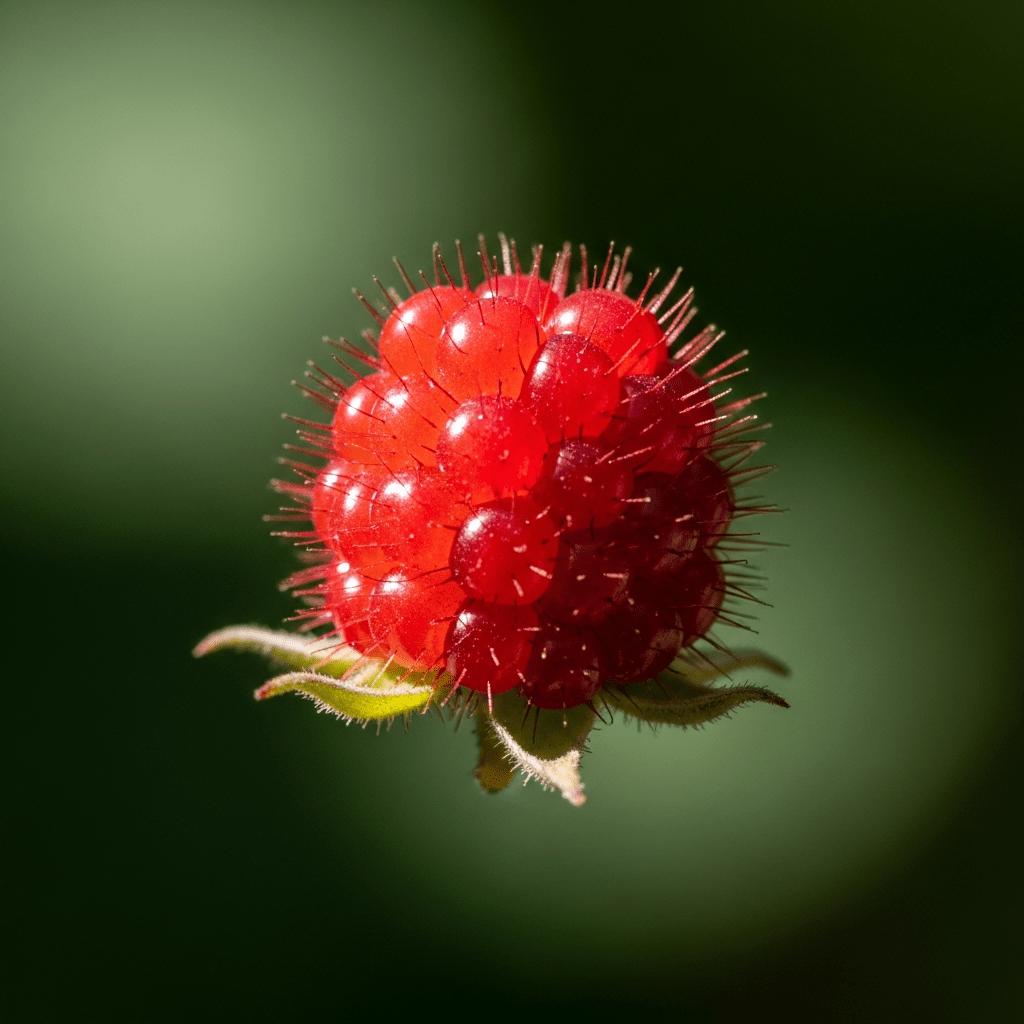
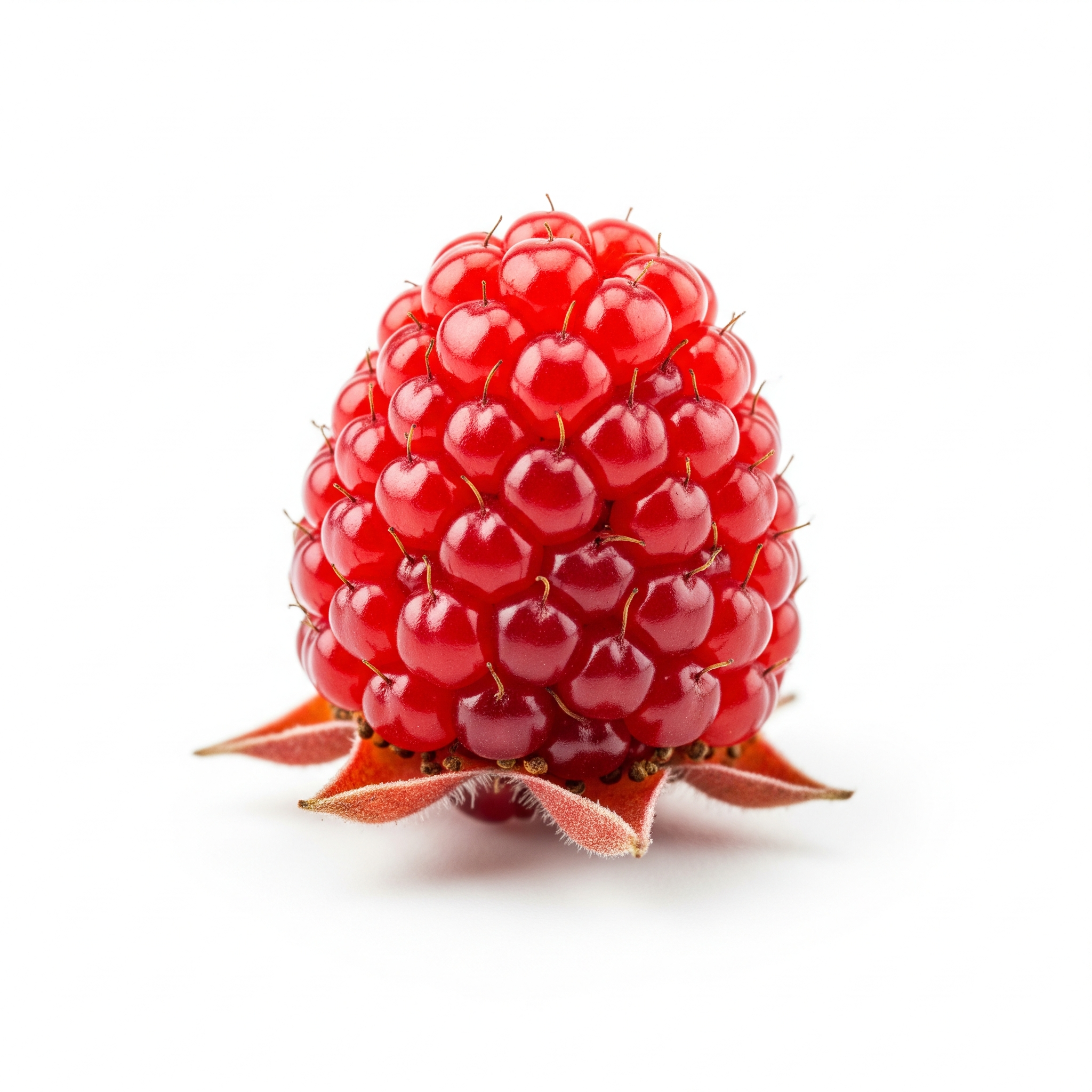
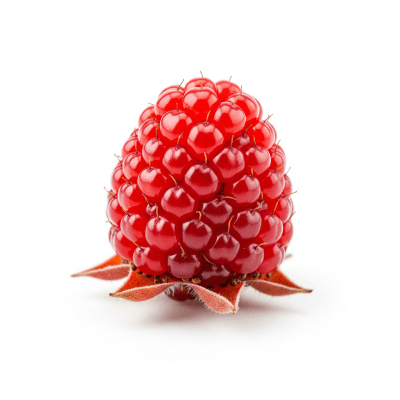
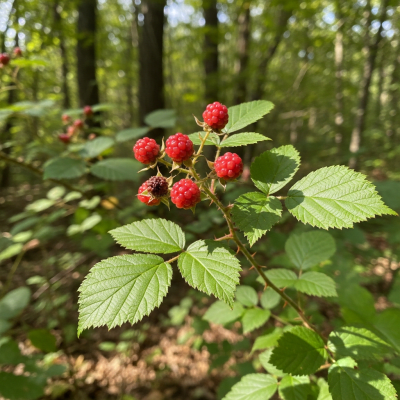
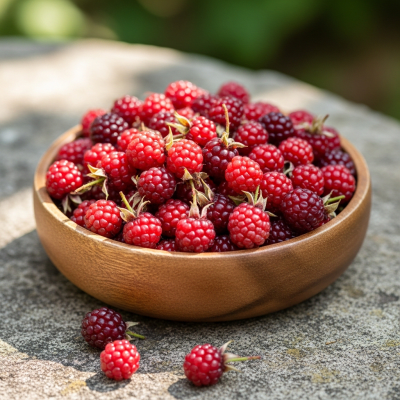
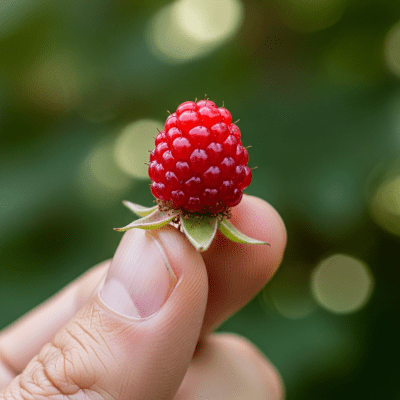
The wineberry shrub grows 1–3 meters tall, with arching canes enveloped in distinctive red glandular hairs. Its leaves are pinnately compound, featuring three leaflets with a dense, white, hairy underside. Clusters of small, white to pink flowers precede the fruit, which ripens in midsummer. The berries themselves are bright red, shiny, and slightly sticky, measuring 1–1.5 cm in diameter. Their translucent, jewel-like appearance and aromatic quality make them visually striking among wild fruits.
Wineberry thrives in varied soils and partial shade, growing vigorously and forming dense thickets through tip-rooting canes. Its fruits are highly perishable and best enjoyed fresh, though they are also used in jams, jellies, desserts, and baked goods. In East Asia, wineberry features in traditional preserves and confections. Due to its invasiveness in non-native regions, wineberry is often foraged rather than commercially cultivated, and it is popular among wild food enthusiasts and home gardeners.
Bring this kind into your world illustrated posters, mugs, and shirts.
Archival print, museum-grade paper
Buy Poster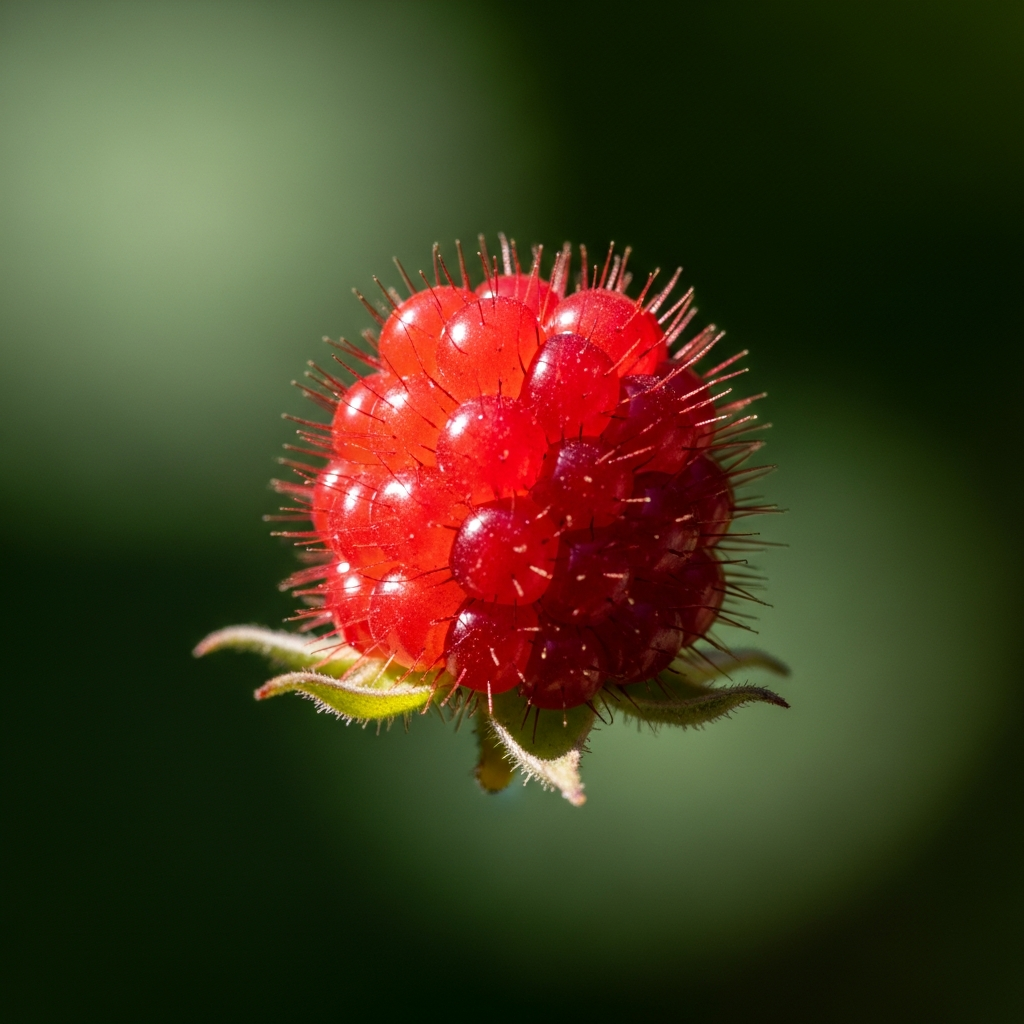
Stoneware mug, dishwasher safe
Buy Mug
Soft cotton tee, unisex sizes
Buy ShirtWineberry holds cultural value in East Asia, where it is used in traditional sweets and preserves, and is known in Japan as "Kouyou-ichigo." In North America and Europe, its presence is tied to wild foraging culture and local food movements. The berry's vivid appearance and unique flavor have inspired appreciation among culinary enthusiasts, while its invasive status has sparked ecological debates in regions where it has naturalized.
Wineberry is a deciduous shrub, 1–3 meters tall, with arching canes densely covered in red glandular hairs. Its leaves are pinnately compound with three leaflets and a tomentose underside. The plant produces small, white to pink flowers in clusters, followed by bright red, sticky aggregate drupelets. Fruits ripen in midsummer, are aromatic and sweet-tart, and the plant propagates vigorously by rooting at cane tips, forming dense colonies.

Wineberry is easy to grow, tolerating a variety of soils and partial shade. It yields abundantly in favorable conditions and is resilient to some pests, though it is susceptible to cane blight and viral diseases. The shrub’s vigorous growth and tip-rooting habit can lead to invasiveness, especially outside its native range. Due to its rapid spread, management often focuses on containment rather than commercial expansion.
Wineberry is not widely cultivated on a commercial scale due to its highly perishable fruit and invasive tendencies. Most wineberries are foraged or grown in home gardens. Limited quantities may appear at farmers’ markets or specialty outlets, especially in regions where the plant is naturalized. Its niche appeal lies in wild food circles and local culinary traditions rather than mainstream produce markets.
No named cultivars or formal varieties are recognized for wineberry; all plants derive from wild populations without selective breeding.
Wineberry shows resistance to some pests but is vulnerable to cane blight and viral diseases. Its fruits are highly perishable, with a very short shelf life—best consumed fresh or processed immediately after harvest. Storage is not recommended for more than a day or two, as berries quickly lose quality.