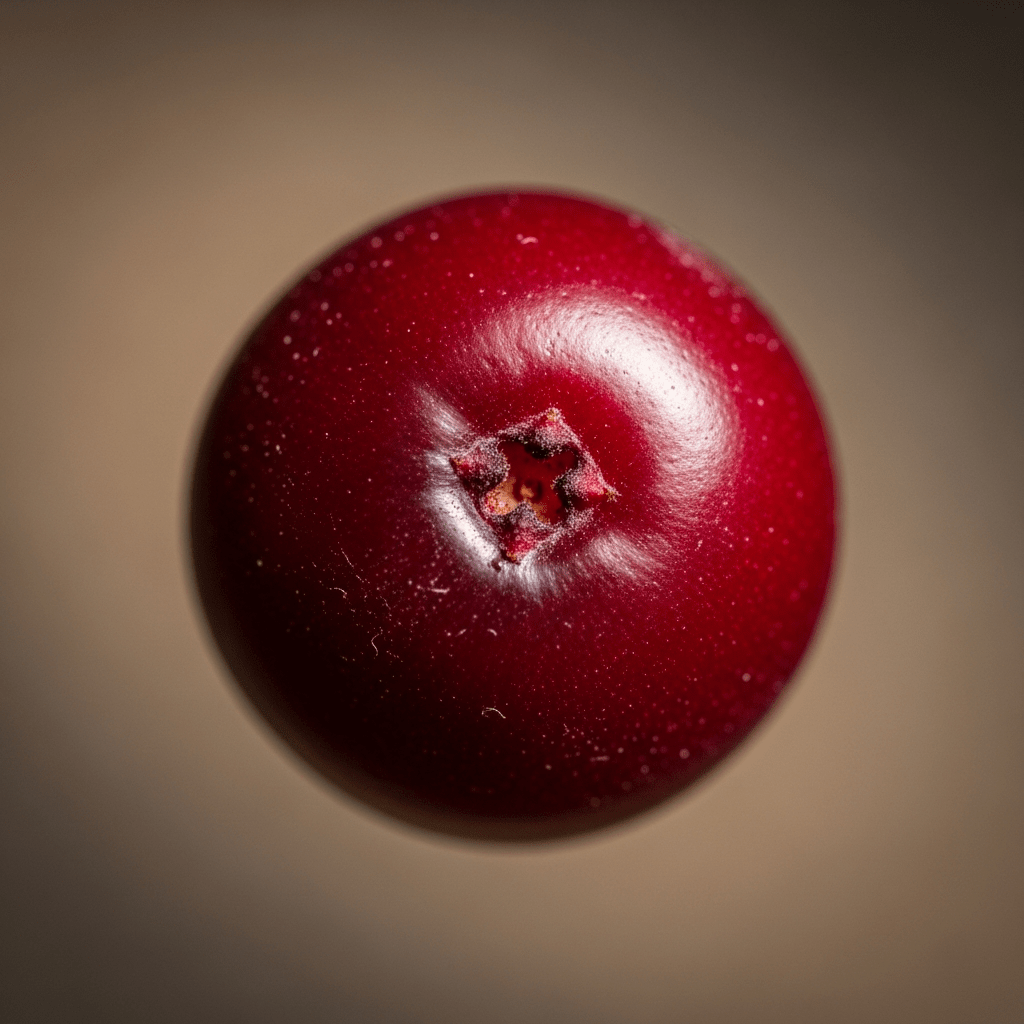
Chokecherry
Chokecherry is a North American native shrub or small tree, prized for its clusters of dark, astringent fruits that are widely used in jams, jellies, and traditional foods.
Chokecherry is a North American native shrub or small tree, prized for its clusters of dark, astringent fruits that are widely used in jams, jellies, and traditional foods.
Chokecherry (Prunus virginiana) originated in North America, flourishing from southern Canada through most of the United States. First described by Carl Linnaeus in 1753, it remains a wild species with no formal breeder or domestication event, thriving naturally in forests, prairies, and along streams. Its long-standing presence has made it a staple in Indigenous diets and regional traditions for centuries.
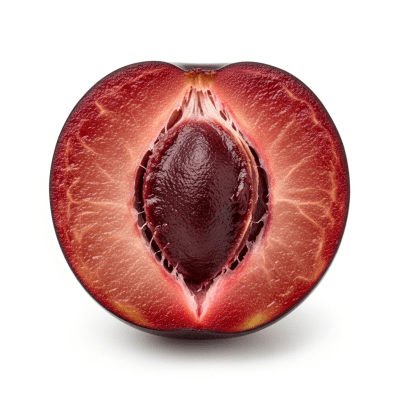
Though commonly called a berry, chokecherry is botanically classified as a drupe in the Rosaceae family, genus Prunus, species virginiana. In culinary and agricultural contexts, however, it is grouped with other berries due to its fruiting habit and usage, illustrating the flexible boundaries of the berry taxonomy.
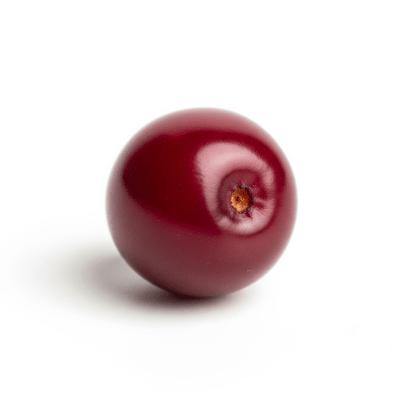
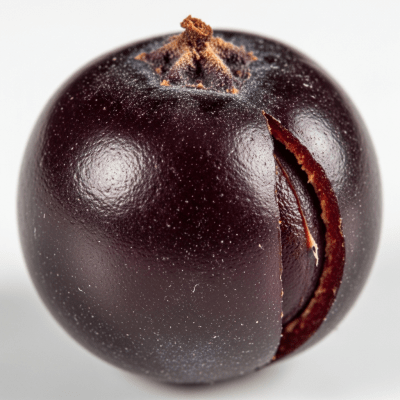
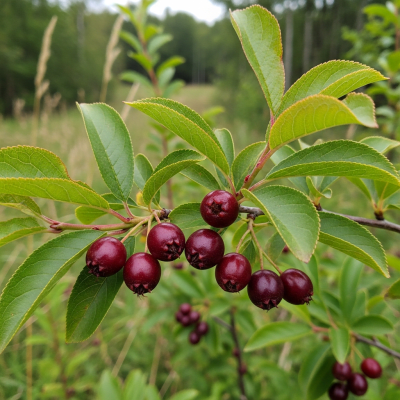
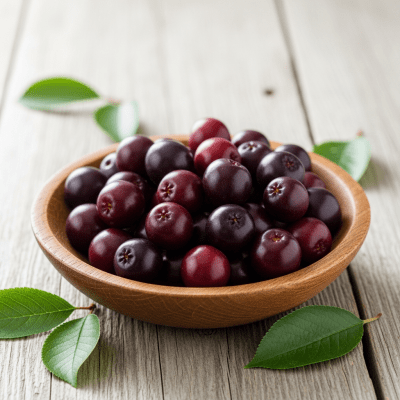
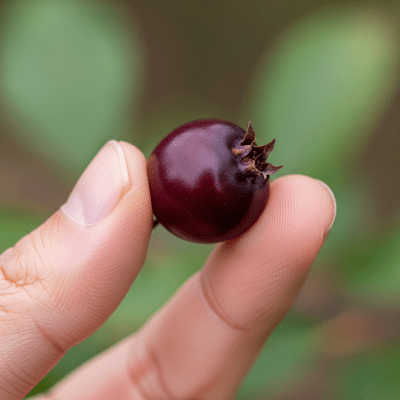
Chokecherry grows as a multi-stemmed shrub or small tree, reaching heights of 1.5–6 meters. In spring, it produces elongated clusters of delicate white flowers, which mature into tight bunches of small, round fruits (6–10 mm in diameter). The berries transition from bright red to deep purple-black as they ripen, offering a striking visual contrast against the plant’s finely serrated green leaves. The fruits are glossy and firm, with a notably bitter and astringent taste when raw.
Chokecherry’s primary utility lies in its fruit, which is seldom eaten raw due to its bitterness but becomes highly palatable when cooked or processed. The berries are traditionally harvested by hand from wild stands, then transformed into jams, jellies, syrups, wines, and even pemmican—a staple food among Indigenous peoples. The plant also plays a role in supporting wildlife, providing food for birds and mammals.
Bring this kind into your world illustrated posters, mugs, and shirts.
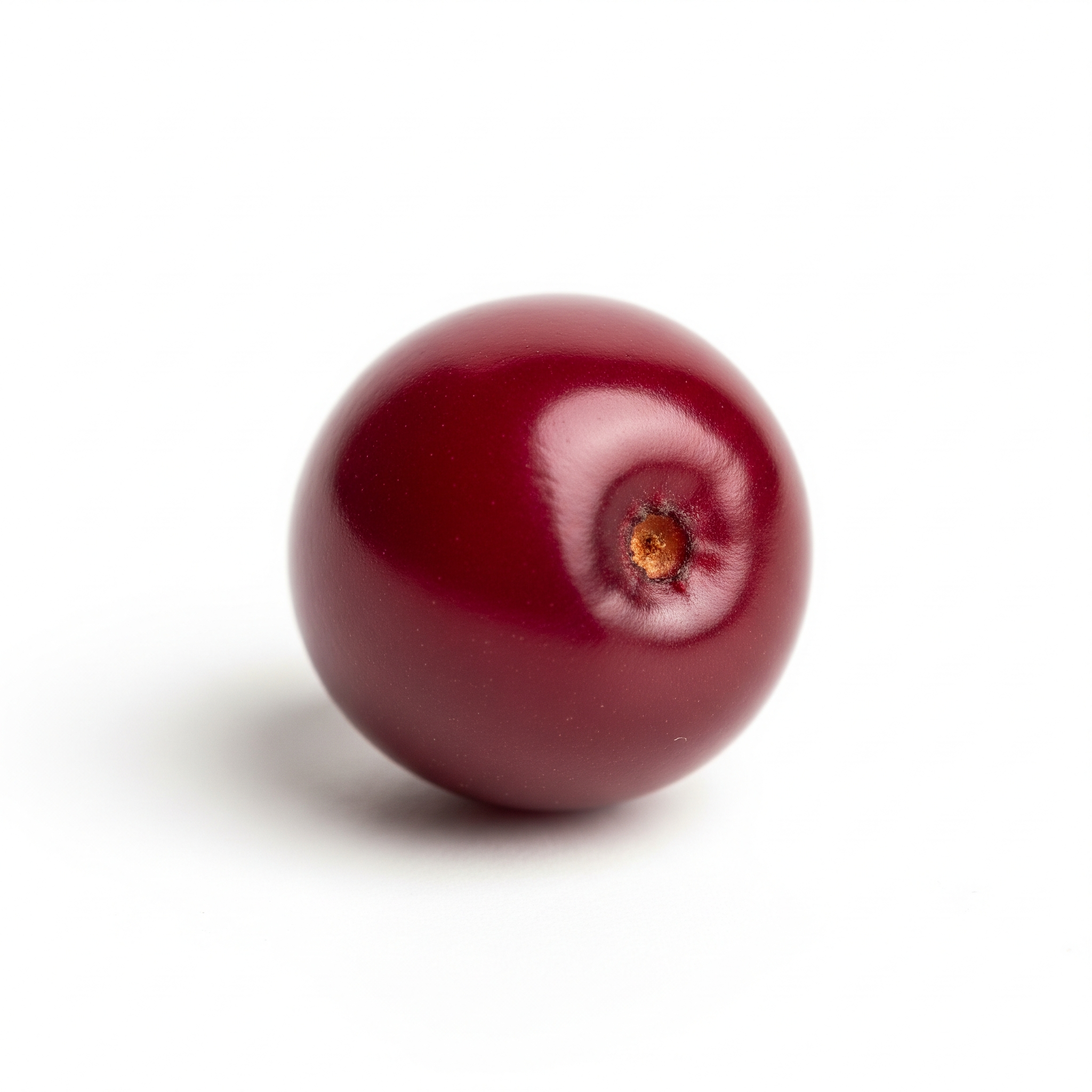
Archival print, museum-grade paper
Buy Poster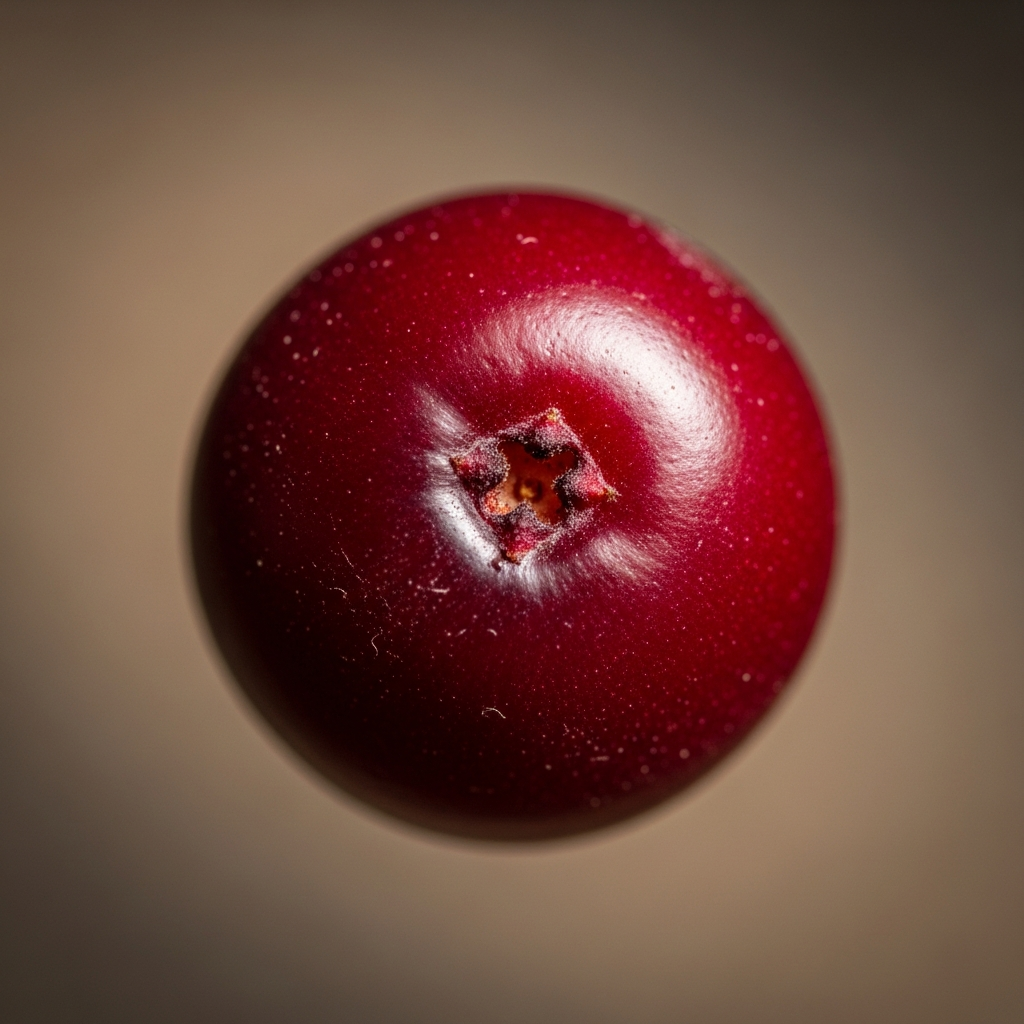
Stoneware mug, dishwasher safe
Buy Mug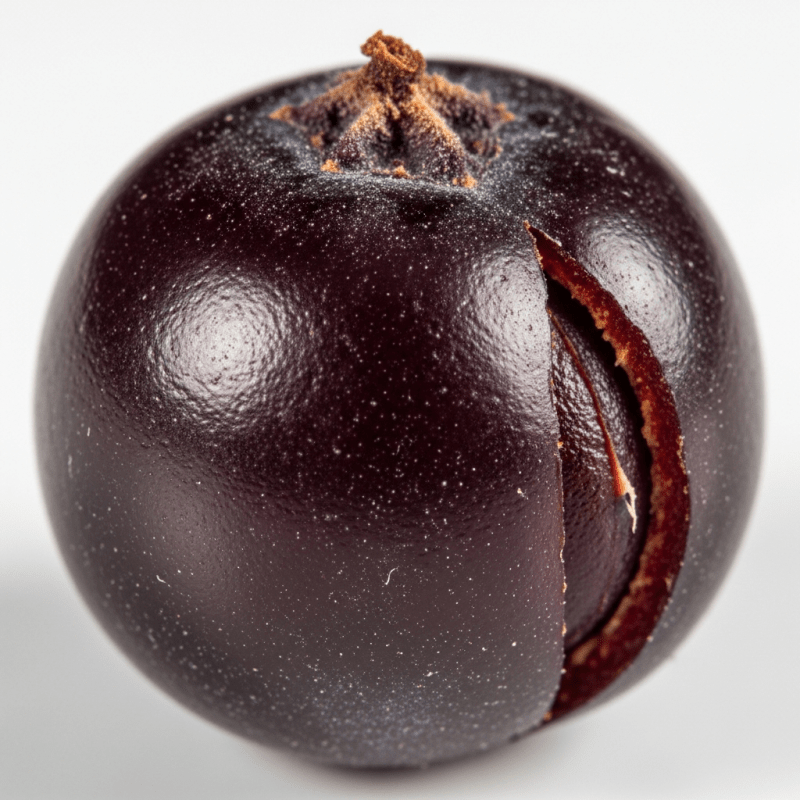
Soft cotton tee, unisex sizes
Buy ShirtChokecherry holds deep cultural importance across North America. Indigenous communities have long relied on its fruit for sustenance, medicine, and ceremonial uses, with preparations like pemmican and medicinal teas woven into tribal traditions. The berry features in folklore and is celebrated in regional festivals, symbolizing resilience and the bounty of the wild landscape. Its role as both food and medicine underscores its enduring legacy in local heritage.
Chokecherry is a deciduous, multi-stemmed shrub or small tree, typically 1.5–6 meters tall. It features simple, alternate, finely serrated leaves and produces elongated racemes of small, white spring flowers. The fruit is a round drupe, 6–10 mm in diameter, maturing from bright red to deep purple-black. The plant is adaptable to diverse soils and is drought-tolerant once established.
Chokecherry thrives in a variety of soil types and tolerates drought conditions after establishment. It is most often wild-harvested, with limited commercial cultivation. Wild stands can yield several kilograms of fruit per plant, though productivity varies with habitat and plant age. Disease management is important, as chokecherry is susceptible to black knot fungus and tent caterpillars. Fresh fruit is highly perishable, so processing is common to extend shelf life.
Chokecherry is not widely cultivated commercially, but wild harvesting is common in Canada and the northern United States. Its products are typically sold regionally or online as specialty or heritage foods, rather than in mainstream grocery markets. Interest in chokecherry persists among foragers, Indigenous communities, and artisanal producers, contributing to its niche market status.
There are no widely recognized cultivars of chokecherry, as it remains primarily a wild species. Most fruit is harvested from naturally occurring stands rather than selected or bred varieties.
Chokecherry is susceptible to black knot fungus (Apiosporina morbosa) and tent caterpillars, which can affect fruit yield and plant health. The fresh fruit is highly perishable and should be processed soon after harvest. Jams, syrups, and other processed forms offer extended shelf life and are the preferred storage method.