Cloudberry
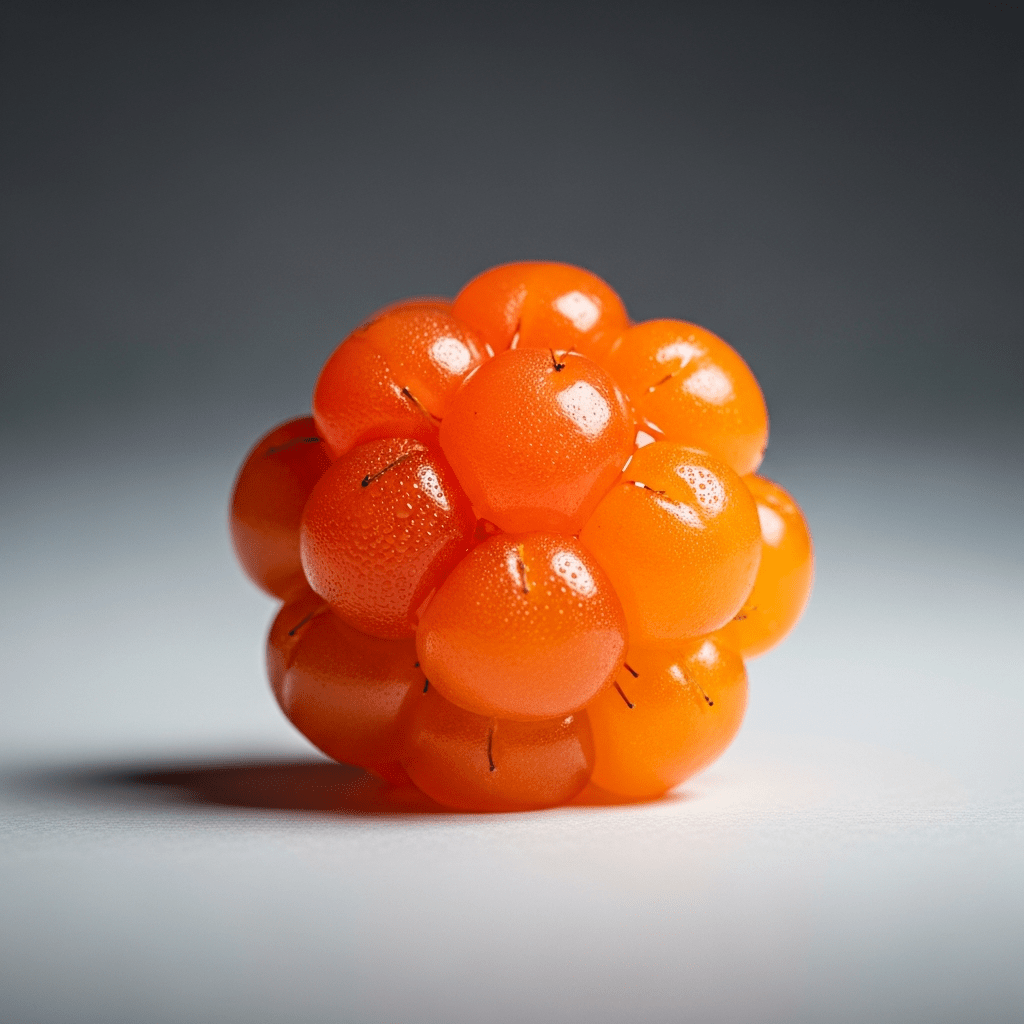
Cloudberry (Rubus chamaemorus) is a rare, amber-hued berry native to Arctic and subarctic regions, celebrated for its tart-sweet flavor and cultural significance across Scandinavia, Russia, and northern North America.
Cloudberry (Rubus chamaemorus) is a rare, amber-hued berry native to Arctic and subarctic regions, celebrated for its tart-sweet flavor and cultural significance across Scandinavia, Russia, and northern North America.
First described by Carl Linnaeus in 1753, cloudberry originates from the circumpolar boreal and tundra zones, thriving in the wild across Scandinavia, Russia, Canada, and Alaska. Unlike many berries, cloudberry remains a wild species with no formal breeding history or named cultivars, propagated naturally by rhizomes or seeds. Its enduring presence in these northern landscapes is a testament to its adaptation to cold, peat-rich environments and its deep-rooted connection to local traditions.
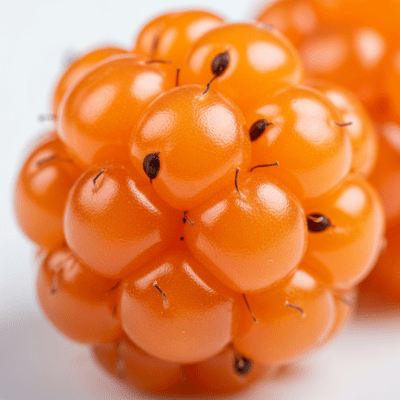
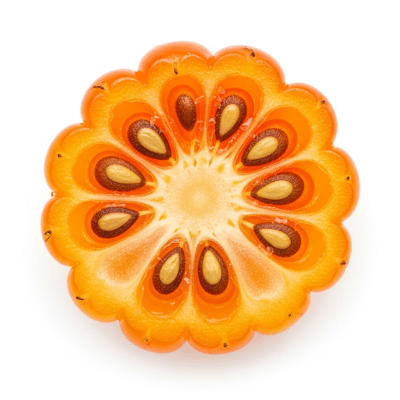
Cloudberry belongs to the family Rosaceae, genus Rubus, and species chamaemorus. Botanically, it is classified as an aggregate fruit—its berry is composed of clustered drupelets. While related to raspberries and blackberries, cloudberry stands apart for its unique growth habit and fruit structure, occupying a specialized niche within the broader berry taxonomy.
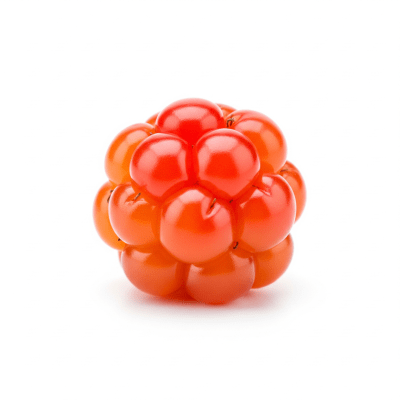
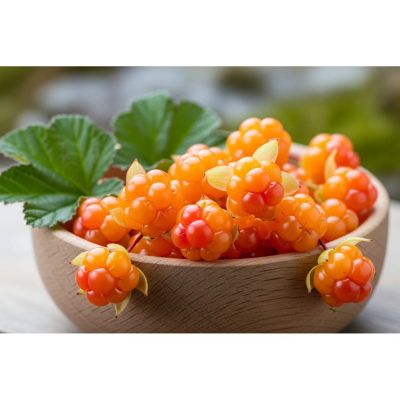
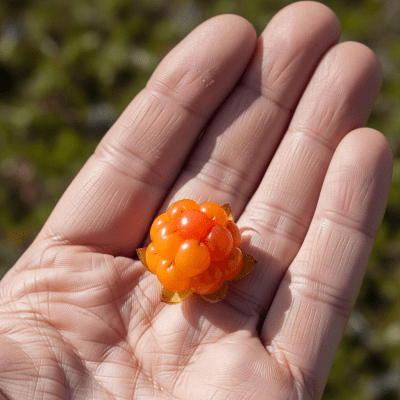
Cloudberries are visually striking, with fruits that ripen from red to a luminous golden-orange or amber. Each berry measures 1–2 cm in diameter and consists of soft, juicy drupelets. The plant itself is a low-growing, herbaceous perennial, typically 10–25 cm tall, featuring simple, rounded, lobed leaves and delicate white flowers. The berries are notably soft and perishable, making them a fleeting seasonal treasure.
Cloudberries are foraged or, in limited cases, cultivated for their unique flavor and nutritional value. Humans interact with cloudberry primarily as a delicacy—enjoyed fresh, preserved, or incorporated into traditional dishes. In nature, the plant relies on both male and female specimens for fruiting, and its ecological role includes thriving in cold, acidic bogs and tundra, where few other berries can survive.
Bring this kind into your world illustrated posters, mugs, and shirts.
Archival print, museum-grade paper
Buy Poster
Stoneware mug, dishwasher safe
Buy Mug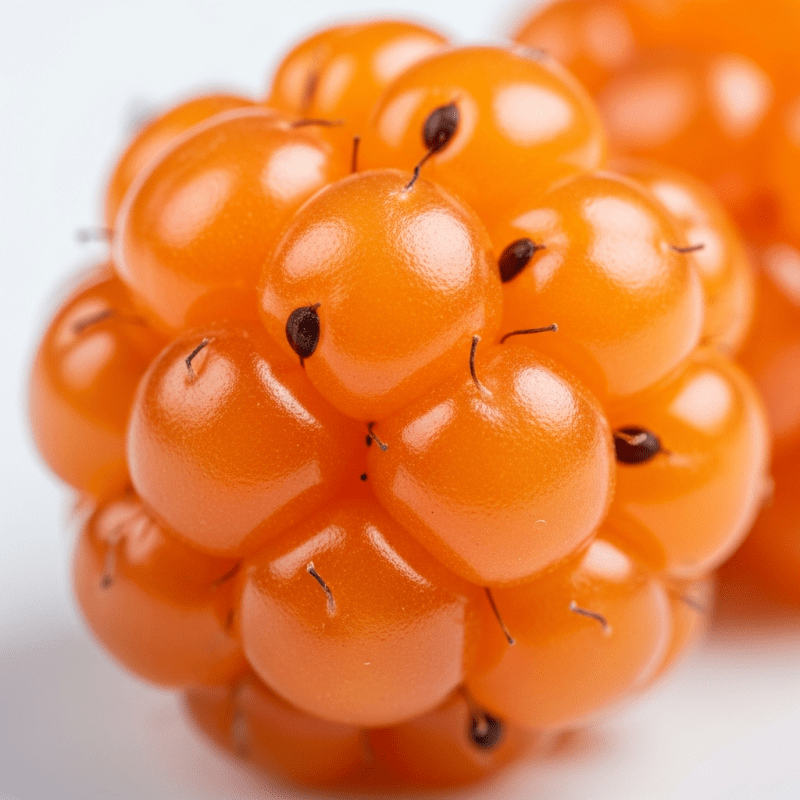
Soft cotton tee, unisex sizes
Buy ShirtCloudberry holds iconic status in Scandinavian, Russian, and northern North American cultures. It is featured in folk tales, regional festivals, and traditional recipes, symbolizing the bounty of northern landscapes. In Finland, cloudberry liqueur (Lakkalikööri) is a celebrated specialty, while in Sweden and Norway, the berry is a prized ingredient in desserts and festive meals. Its rarity and brief harvest season have elevated it to a symbol of luxury and local pride.
Cloudberry is a low-growing, herbaceous perennial (10–25 cm tall) with simple, rounded, lobed leaves. Its white, unisexual flowers require both male and female plants for fruiting. The fruit is an aggregate drupelet, initially red and ripening to golden-orange, measuring 1–2 cm in diameter. Adapted to cold, acidic, peat-rich soils, cloudberry is tolerant of wet conditions but sensitive to drought and heat.
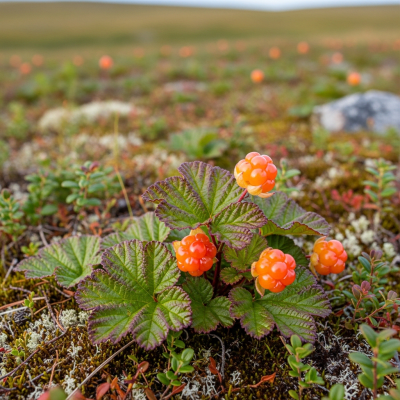
Cloudberries thrive in bogs and tundra, preferring acidic, peat-rich soils and climates with cold winters and cool summers. Yields are highly variable, dependent on pollination, weather, and habitat stability. Commercial cultivation is rare, mostly limited to Norway, Sweden, and Finland, due to the plant’s specialized requirements and sensitivity to environmental changes. Fruits are typically preserved as jams or frozen shortly after harvest to extend their usability.
Cloudberries are primarily harvested wild and sold in local markets across northern Europe and North America. Limited commercial cultivation occurs in Norway, Sweden, and Finland. Their rarity, short shelf life, and specialized habitat make them a luxury fruit, commanding premium prices in specialty and international trade. Most cloudberries reach consumers as jams, preserves, or frozen products.
No formally named cultivars or heritage selections of cloudberry are documented. The species remains wild, with propagation occurring naturally via rhizomes or seeds.
Cloudberry exhibits notable tolerance to cold and wet conditions but is sensitive to drought, heat, and habitat disturbance. The fruit is highly perishable, with a short shelf life; it is often preserved as jam or frozen soon after harvest to maintain quality and extend availability.