Currant
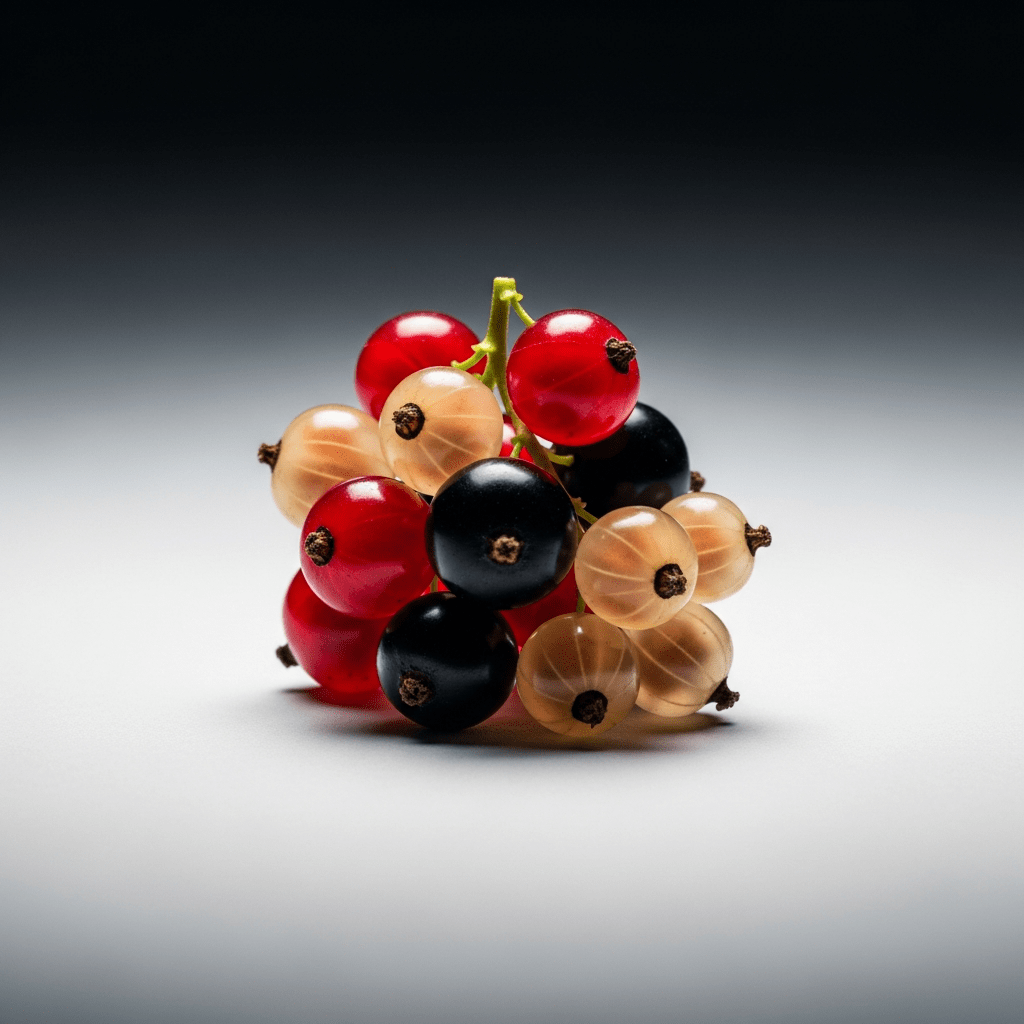
Currants are small, tart berries of the genus Ribes, prized for their culinary versatility, nutritional value, and vibrant colors.
Currants are small, tart berries of the genus Ribes, prized for their culinary versatility, nutritional value, and vibrant colors.
Currants originated in the temperate regions of the Northern Hemisphere, with wild populations found across Europe, Asia, and North America. Their domestication began in Europe, especially in the United Kingdom, France, Germany, and Russia, with red currants cultivated prior to the 1500s and black currants gaining prominence in the 18th and 19th centuries. European breeders and agricultural institutes have played a key role in developing modern cultivars through crosses of Ribes rubrum, Ribes nigrum, and related species.
Currants belong to the genus Ribes in the family Grossulariaceae, making them true botanical berries. They are distinct from the dried 'currants' derived from grapes (Zante currants). The main species include Ribes rubrum (red and white currants) and Ribes nigrum (black currant), with numerous cultivars and regional variants.
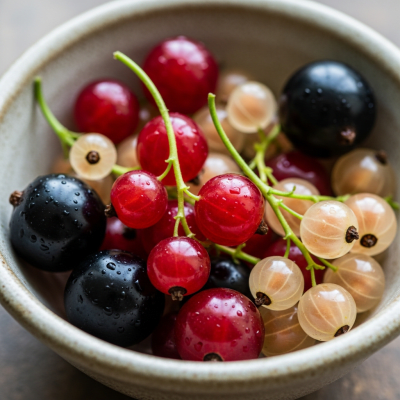
Currants grow as compact, deciduous shrubs reaching 1–2 meters in height. Their leaves are palmately lobed, and the berries form in clusters, each berry being small (8–12 mm diameter), round, and translucent. Depending on the species and cultivar, currants can be vivid red, deep black, or delicate white/pink. The flesh is juicy and notably tart, with a glossy skin that catches the light.
Currants are harvested in early to mid-summer and are enjoyed fresh, processed into jams, jellies, syrups, and baked goods, or used in beverages and sauces. Their high pectin content makes them ideal for preserves. Beyond the kitchen, currants are grown as ornamental shrubs and have a history of use in traditional medicine.
Bring this kind into your world illustrated posters, mugs, and shirts.
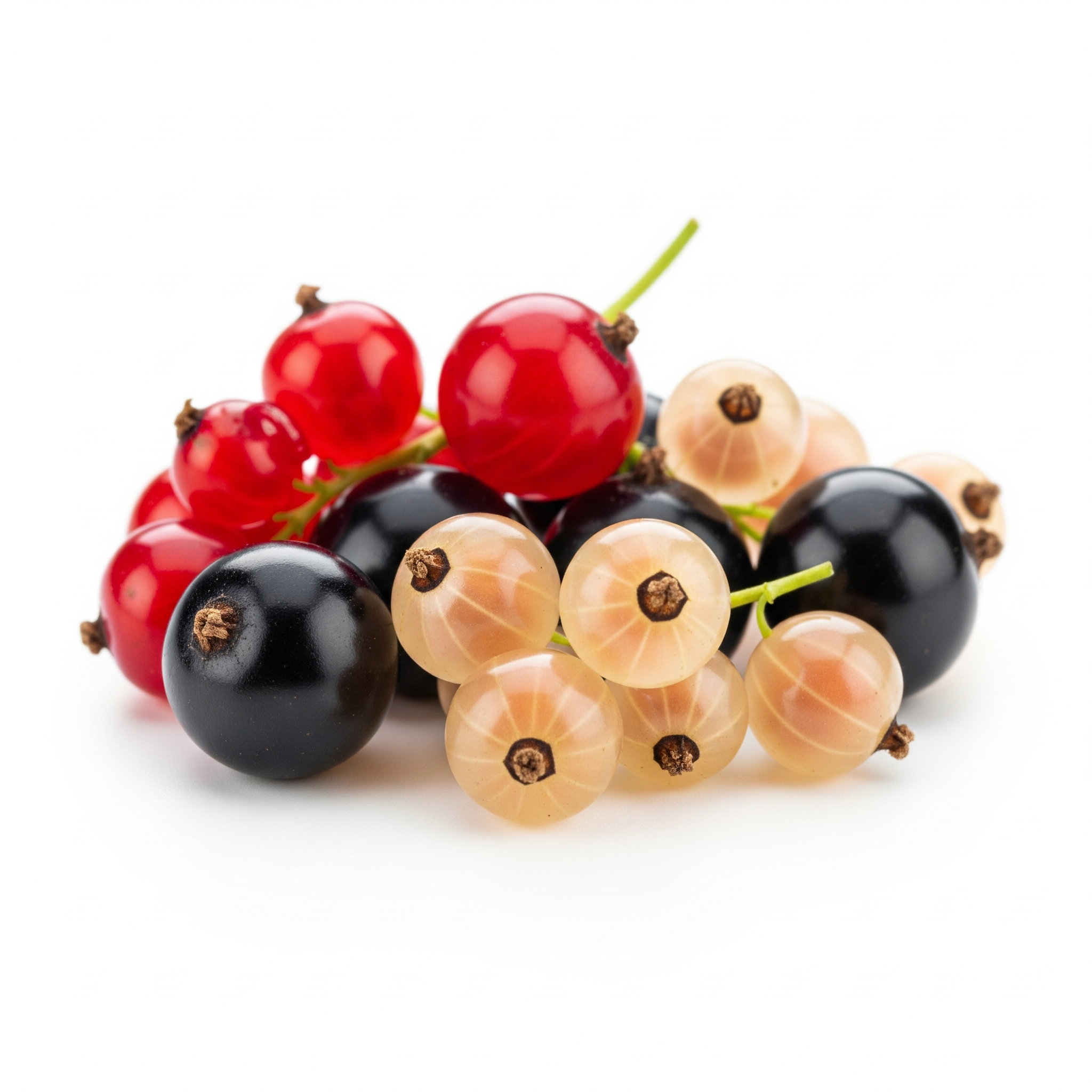
Archival print, museum-grade paper
Buy Poster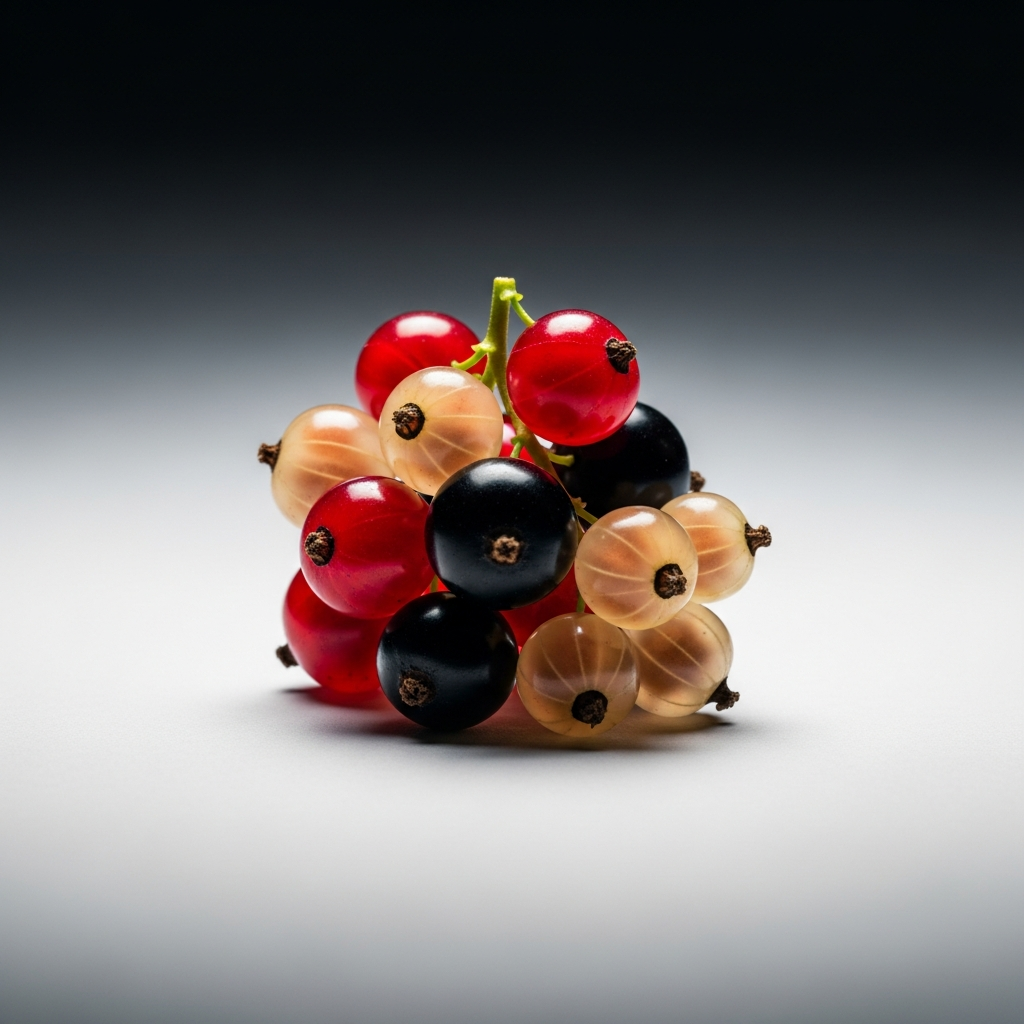
Stoneware mug, dishwasher safe
Buy Mug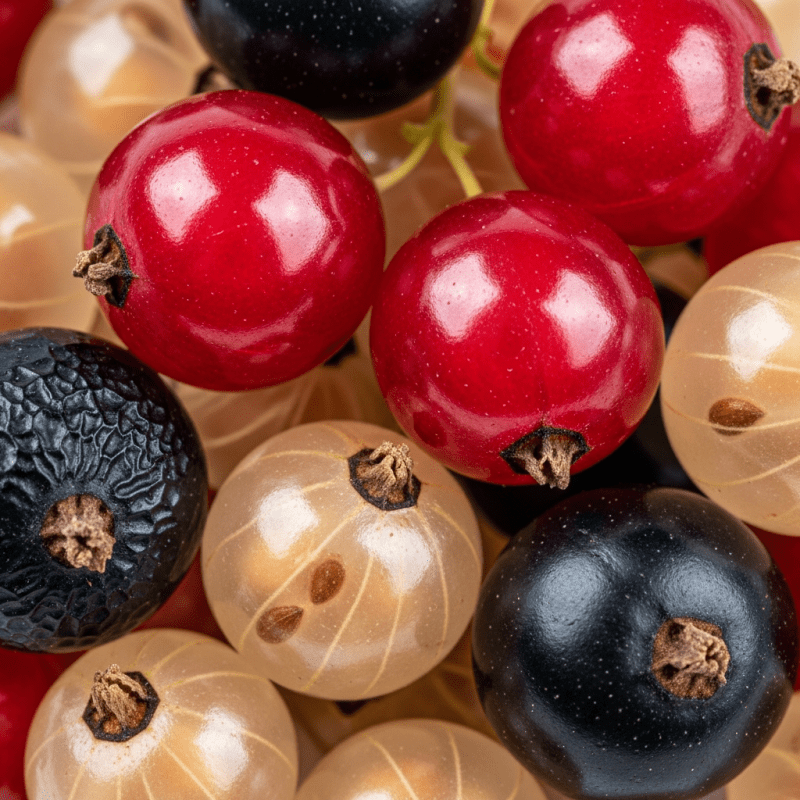
Soft cotton tee, unisex sizes
Buy ShirtCurrants hold a special place in European culinary traditions, appearing in classic jams, desserts, and festive garnishes. Black currant is celebrated in France as "cassis," the base of crème de cassis liqueur, and is a staple in British beverages like Ribena. In Germany, currants are known as "Johannisbeere" and feature in pastries and preserves. Their vivid colors and tart flavor have made them symbols of summer and abundance in regional folklore.
Currant plants are deciduous shrubs with palmately lobed leaves and clusters of small, round berries. The berries ripen in early to mid-summer and range in color from red and black to white and pink. Currants are self-fertile or require cross-pollination depending on species, and are moderately cold-hardy (USDA zones 3–7). Their tart, juicy flesh and translucent skin are defining features.
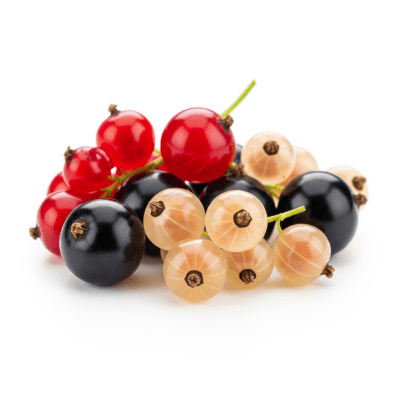
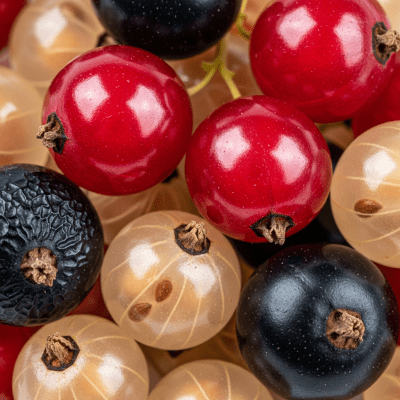
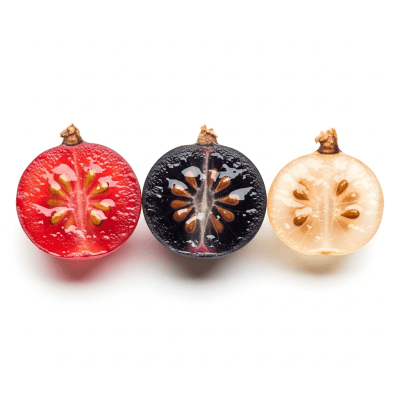
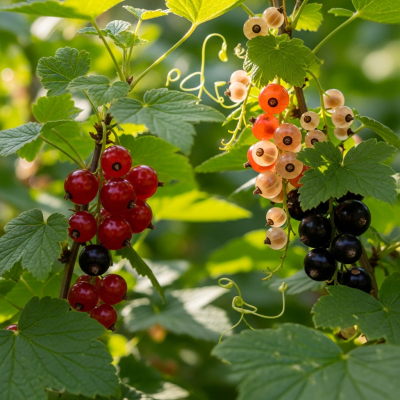

Currants thrive in cool, temperate climates and are typically grown as shrubs spaced for air circulation to reduce disease risk. Flowering occurs in spring, with fruit ready for harvest in early to mid-summer. Yields can reach 2–5 kg per bush under optimal conditions. While currants are cold-hardy, they are susceptible to fungal diseases such as powdery mildew and white pine blister rust, requiring careful management. Fresh berries have a short shelf life, so most are processed soon after harvest.
Currants are commercially significant in Europe, especially Poland, Russia, the UK, Germany, and France, with growing production in New Zealand and North America. Fresh currants are available seasonally, while processed products—such as jams, juices, and liqueurs—are sold year-round. Currants are also valued in the ornamental plant trade and for their use in traditional remedies.
Currants are moderately cold-hardy but susceptible to fungal diseases, especially powdery mildew and white pine blister rust. Disease management is essential for healthy crops. Fresh currants last up to two weeks when refrigerated, but are often processed into jams, jellies, or dried for longer storage.