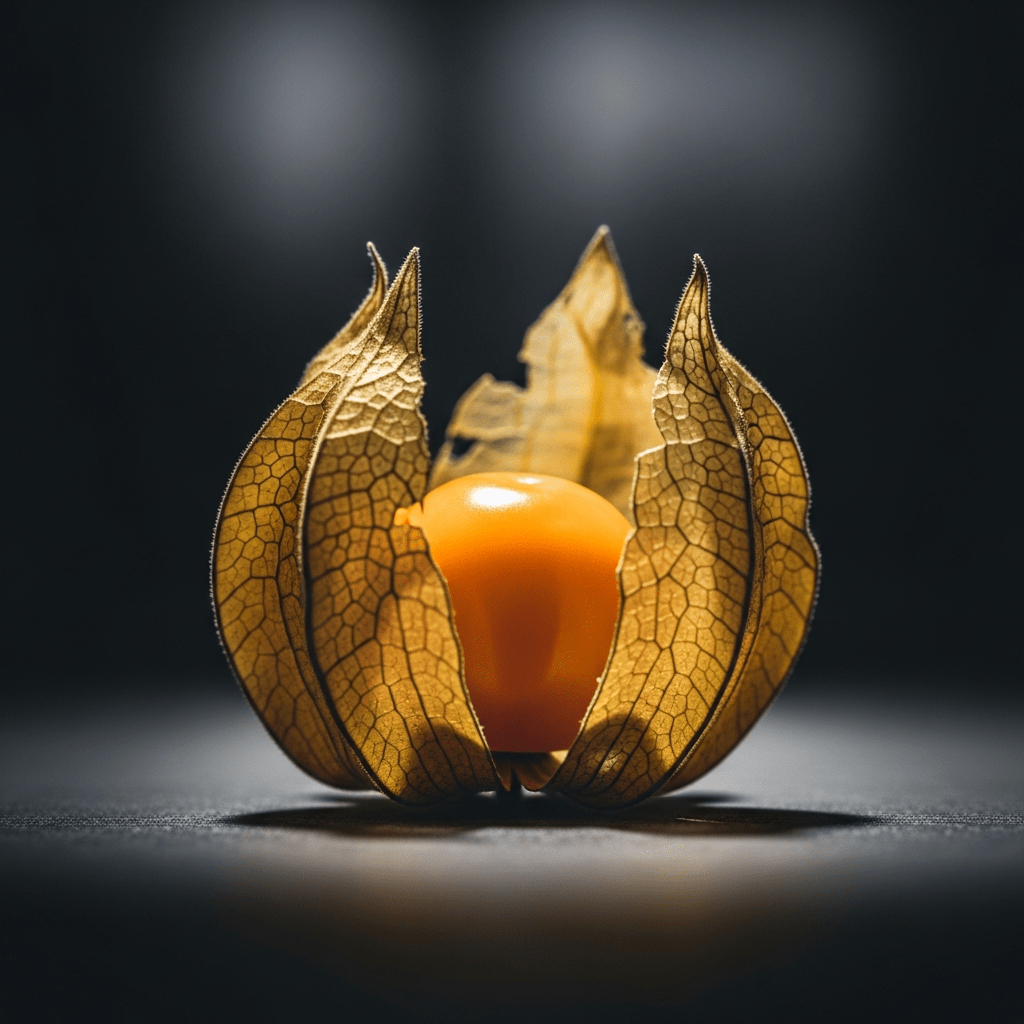
Cape Gooseberry
Cape Gooseberry (Physalis peruviana) is a vibrant, sweet-tart berry encased in a delicate, papery husk, prized for its flavor, nutrition, and global culinary appeal.
Cape Gooseberry (Physalis peruviana) is a vibrant, sweet-tart berry encased in a delicate, papery husk, prized for its flavor, nutrition, and global culinary appeal.
Native to the Andean highlands of Peru and Colombia, Cape Gooseberry was first cultivated by indigenous peoples long before European contact. Its journey to global prominence began in the 1800s, when it was introduced to South Africa and earned its now-famous name. Today, the species has spread worldwide, thriving in tropical and subtropical climates and adapting to diverse agricultural systems.
Cape Gooseberry belongs to the genus Physalis in the Solanaceae family, making it a true botanical berry. Unlike many "berries" in culinary contexts, its fruit develops from a single ovary and is classified scientifically as Physalis peruviana. This places it alongside other nightshades, such as tomato and eggplant, but its unique husk and flavor distinguish it within the berry taxonomy.
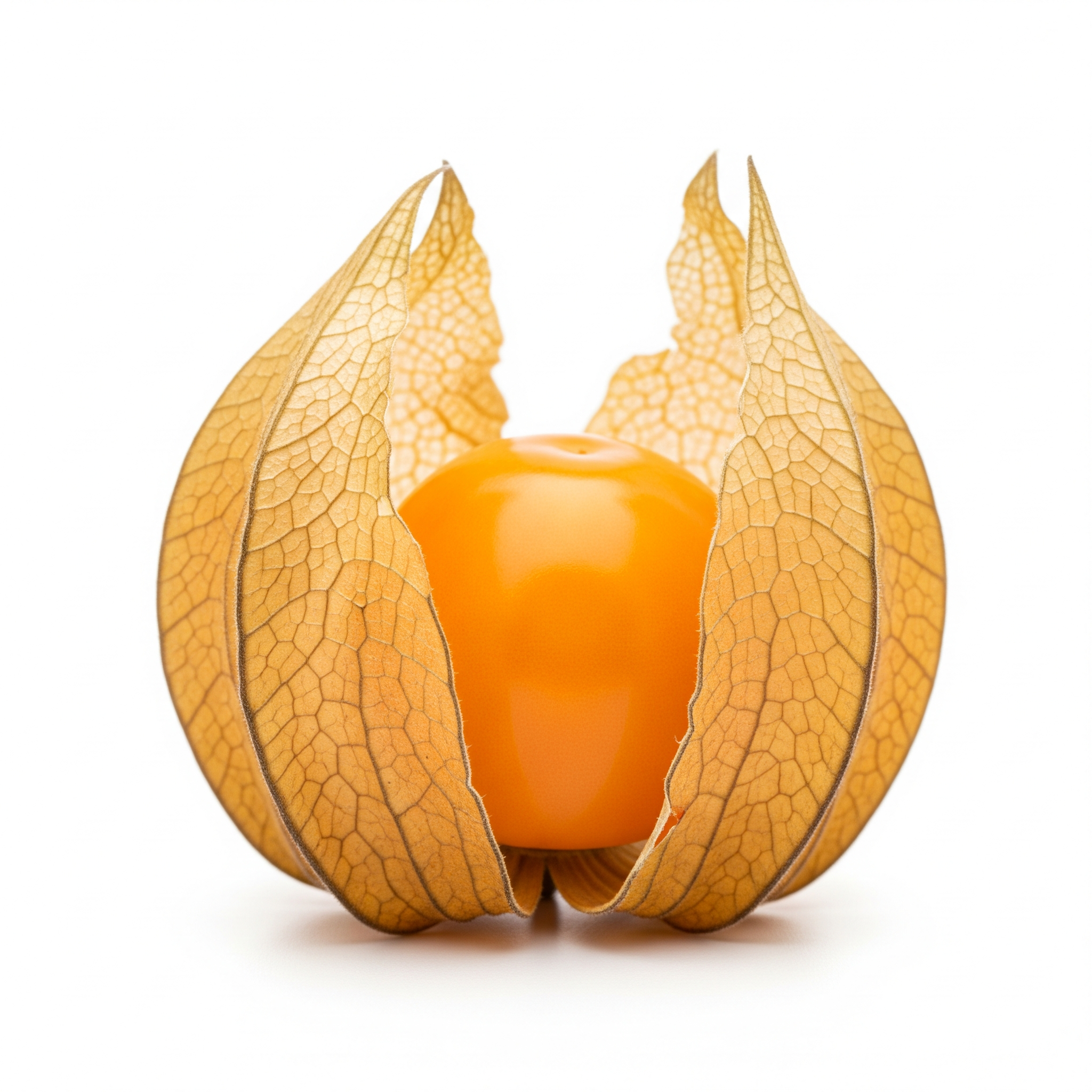
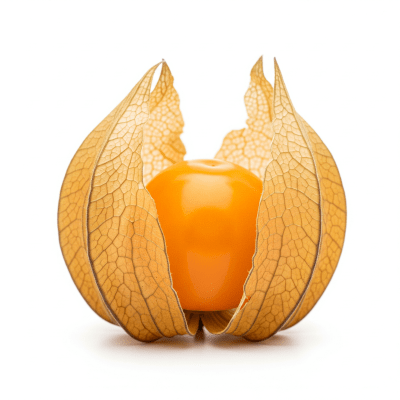
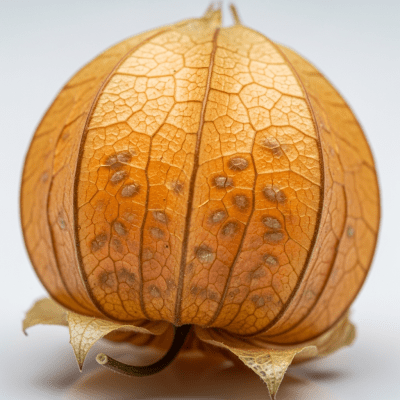
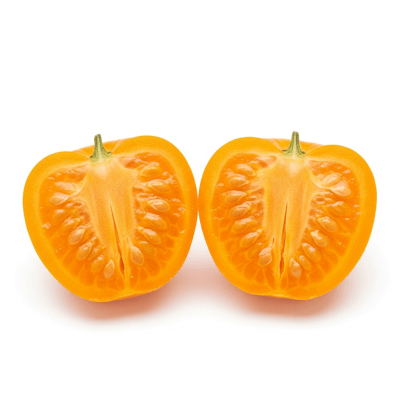
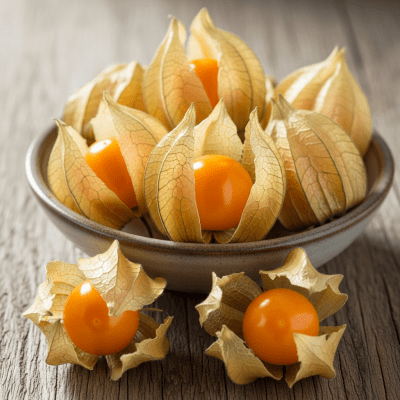
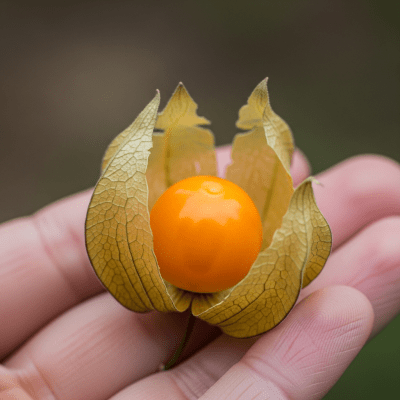
The fruit is small and spherical, measuring 1–2 cm in diameter, with a smooth, glossy orange-yellow skin. Each berry is wrapped in a lantern-like, papery calyx that protects it from the elements and lends a striking visual appeal. The flesh is juicy, with edible seeds, and offers a bright, sweet-tart flavor that balances citrus and tropical notes.
Cape Gooseberry is versatile in its uses: enjoyed fresh, dried, or processed into jams, sauces, and desserts. Its attractive appearance makes it a favorite garnish in gourmet cuisine, while its nutritional profile—rich in vitamin C, provitamin A, and antioxidants—adds functional value. The husk acts as a natural shield, extending shelf life and reducing spoilage, which benefits both consumers and producers.
Bring this kind into your world illustrated posters, mugs, and shirts.
Archival print, museum-grade paper
Buy Poster
Stoneware mug, dishwasher safe
Buy Mug
Soft cotton tee, unisex sizes
Buy ShirtAcross South America, Cape Gooseberry is woven into traditional medicine and local cuisine, known as "uchuva" in Colombia and "aguaymanto" in Peru. Its introduction to South Africa led to its adoption in British and Commonwealth culinary traditions. Today, it is celebrated as "goldenberry" in international markets, symbolizing exotic flavor and nutritional abundance in health-conscious and gourmet circles.
Cape Gooseberry is an herbaceous perennial or annual, growing 0.5–2 meters tall with branching stems and ovate leaves. Its fruit is a small, glossy, orange-yellow berry, protected by a distinctive lantern-like calyx. The plant is moderately drought-tolerant and can withstand mild frost, producing edible seeds within juicy flesh. Regional variants exist in fruit size, flavor, and husk coloration.
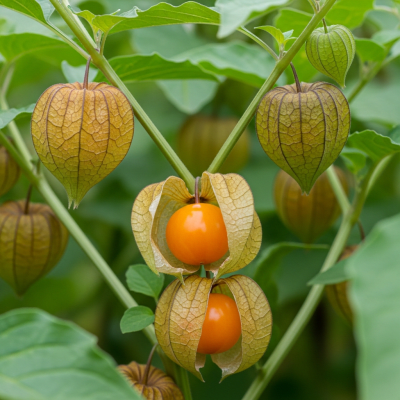
Cape Gooseberry thrives in well-drained soils, moderate water, and full sun, and is cultivated in both open fields and greenhouses. Yields range from 2–5 kg per plant under optimal conditions. The plant shows moderate drought and mild frost tolerance, but is susceptible to fungal diseases like powdery mildew and root rot. Its natural husk helps extend post-harvest shelf life, making it attractive for both smallholder and commercial growers.
Marketed globally as "goldenberry," "physalis," and "Cape Gooseberry," this fruit is available in supermarkets, specialty stores, and farmers' markets. Major producers include Colombia, South Africa, Kenya, India, and New Zealand. Its commercial appeal lies in its exotic appearance, extended shelf life, and nutritional value, making it a sought-after crop for both export and local consumption.
While specific named cultivars are not widely documented, regional selections exist for improved yield, disease resistance, and fruit quality. Breeding efforts focus on larger fruit size, enhanced flavor, and greater resilience, but detailed cultivar records are limited in public sources.
Cape Gooseberry is tolerant to mild frost and some pests, but susceptible to fungal diseases such as powdery mildew and root rot. Its unique husk provides natural protection, allowing fruits to store well for several weeks if kept intact, reducing spoilage and extending marketability.