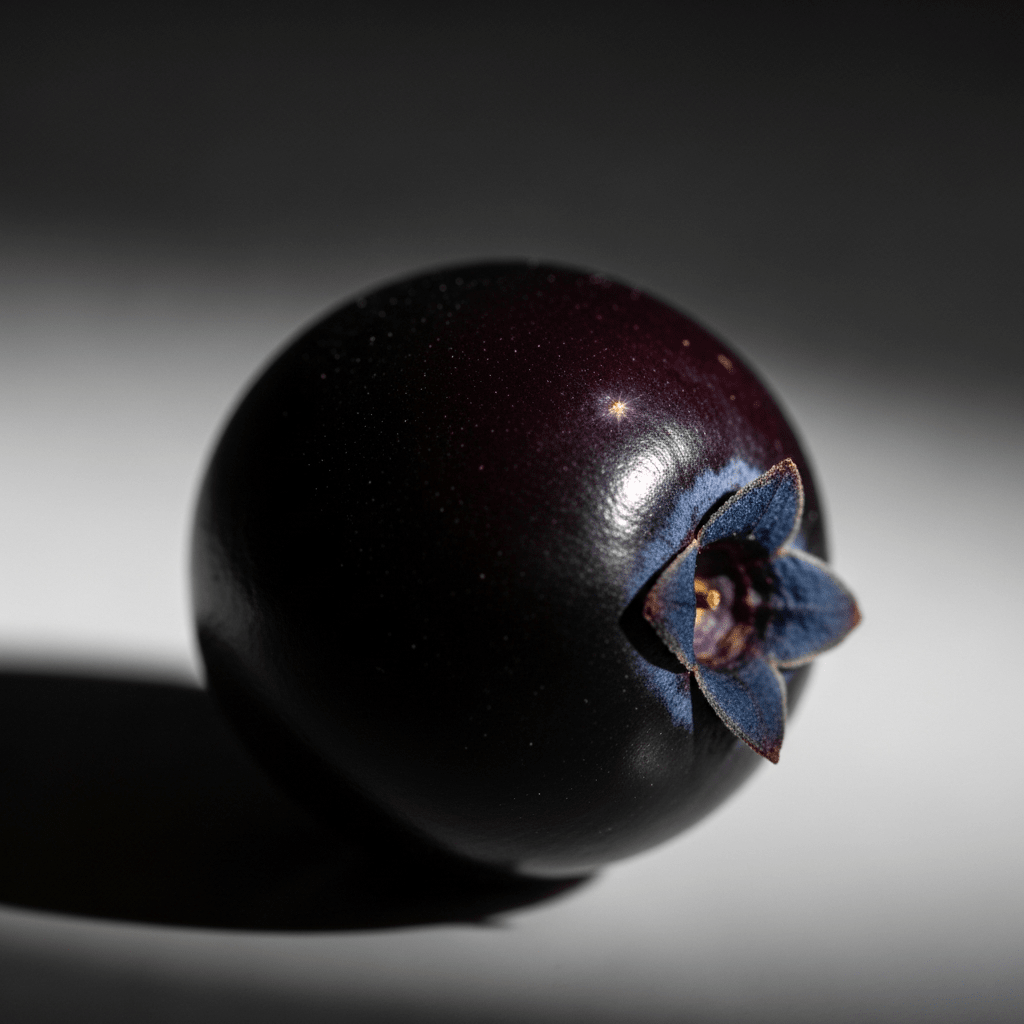
Maqui Berry
Maqui berry is a small, deep purple fruit native to southern Chile and Argentina, celebrated for its potent antioxidant properties and growing reputation as a superfruit.
Maqui berry is a small, deep purple fruit native to southern Chile and Argentina, celebrated for its potent antioxidant properties and growing reputation as a superfruit.
Maqui berry originates from the lush Valdivian temperate rainforests of southern Chile and neighboring Argentina, where it has flourished for centuries in wild populations. First documented by botanists in the early 19th century, its lineage remains entirely wild, with no formal domestication or bred cultivars. The berry’s story is deeply intertwined with the indigenous Mapuche people, who have long harvested it for food and ritual, preserving its legacy in both local tradition and emerging global markets.
Botanically, maqui berry belongs to the species Aristotelia chilensis within the family Elaeocarpaceae. While classified as a berry in both scientific and culinary contexts, it is distinct from more widely cultivated berries due to its wild provenance and unique South American heritage. Unlike aggregate fruits such as raspberries, maqui is a true berry, developing from a single ovary and containing several small seeds.
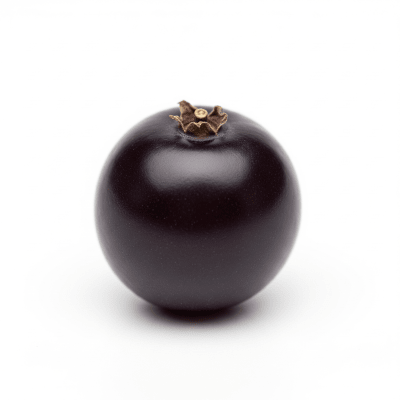
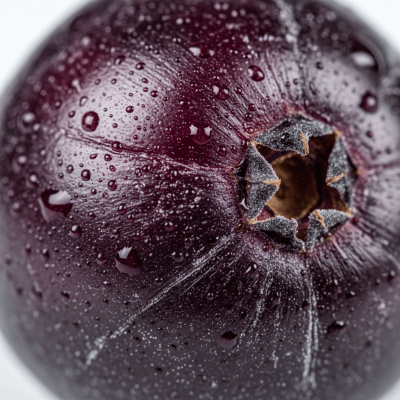
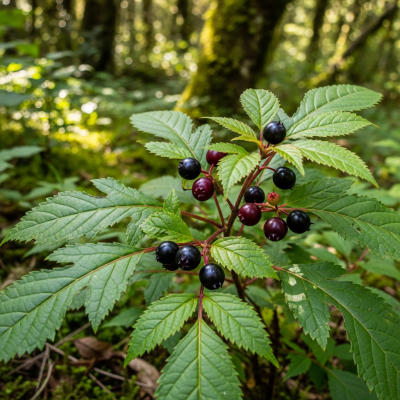
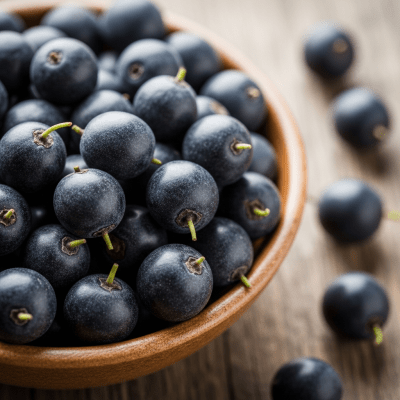
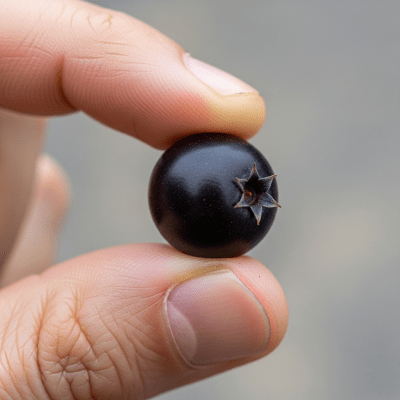
Maqui berries are petite, measuring just 4–6 mm in diameter, and are round with a striking deep purple to nearly black hue when ripe. They grow in tight clusters on evergreen shrubs or small trees, which reach up to 4–5 meters in height. The plant features glossy, lance-shaped leaves and delicate white to pale pink flowers, creating a visually appealing contrast during the fruiting season in late summer.
Maqui berries are primarily harvested from the wild, with most consumption occurring locally or in niche health food markets. Their high perishability means they are rarely found fresh outside their native range; instead, they are commonly processed into juices, powders, jams, and supplements. The berry’s vivid color and mild, sweet-tart flavor make it a favored ingredient in traditional Chilean and Mapuche beverages and preserves, as well as a natural coloring agent.
Bring this kind into your world illustrated posters, mugs, and shirts.

Archival print, museum-grade paper
Buy Poster
Stoneware mug, dishwasher safe
Buy Mug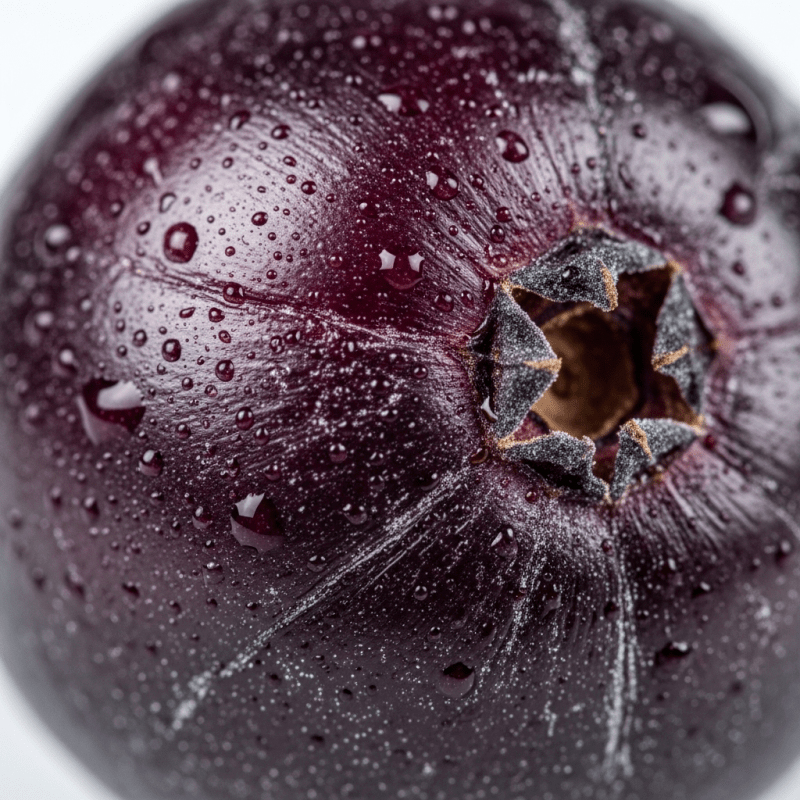
Soft cotton tee, unisex sizes
Buy ShirtFor the Mapuche people of Chile, maqui berry holds a place of honor in both diet and ritual. It is used in celebratory drinks such as "chicha de maqui" and is considered a symbol of resilience and vitality. The berry’s role extends beyond nutrition, featuring in folklore and traditional medicine as a source of strength. Today, its cultural resonance is echoed in its status as a superfruit, connecting ancient practices with modern health trends.
Maqui berry grows on an evergreen shrub or small tree, reaching 4–5 meters tall. It features glossy, lanceolate leaves and small, white to pale pink flowers. The fruit is round, 4–6 mm in diameter, and matures in clusters during late summer. Its deep purple to black color signals ripeness and high anthocyanin content. The plant thrives in cool, moist climates with acidic soils but is sensitive to drought and frost.

Maqui berry is not widely cultivated; most berries are wild-harvested from natural forests. The plant prefers cool, moist environments and acidic soils, typical of southern Chile and Argentina. Yields are variable and depend on wild collection rather than managed agriculture. The berries are highly perishable, requiring rapid freezing or drying post-harvest to preserve quality. The species is susceptible to bruising, fungal infection, and environmental stress, with no formally characterized disease resistance traits.
Maqui berry is primarily marketed as a superfruit in health food sectors, with international demand focused on its antioxidant-rich powders and extracts. Mainstream commercial availability is limited, as most supply comes from wild harvests in Chile and Argentina. Trade names include "maqui berry," "Chilean wineberry," and "superberry maqui." Commercial plantations are rare, and the berry remains a niche product in global markets.
There are no formally recognized cultivars or varieties of maqui berry. All commercial and traditional use is based on wild or semi-wild populations of Aristotelia chilensis.
Maqui berries are highly perishable, with a short shelf life post-harvest. They are sensitive to bruising and fungal infections, and no notable disease or pest resistance traits have been formally identified. To preserve quality, berries are typically frozen or dried immediately after harvest, as fresh berries degrade rapidly under standard storage conditions.