Huckleberry
Huckleberry is a small, wild berry native to North America, celebrated for its tart flavor and deep cultural roots in regional cuisine and foraging traditions.
Huckleberry is a small, wild berry native to North America, celebrated for its tart flavor and deep cultural roots in regional cuisine and foraging traditions.
Huckleberries originated in the wild landscapes of North America, thriving in montane forests and subalpine meadows across the Pacific Northwest and Rocky Mountains. Their use dates back centuries, with Indigenous peoples harvesting and utilizing these berries long before formal scientific recognition. Unlike many cultivated fruits, huckleberries have remained largely undomesticated, their lineage shaped by natural hybridization and adaptation to local environments.
Huckleberries belong primarily to two genera: Vaccinium and Gaylussacia. While often confused with blueberries due to their similar appearance, true huckleberries are botanically distinct, especially in seed and leaf morphology. Within the broader berries taxonomy, huckleberries are classified as perennial shrubs producing fleshy, seed-rich fruits, and are considered culinary berries though their botanical status varies by species.
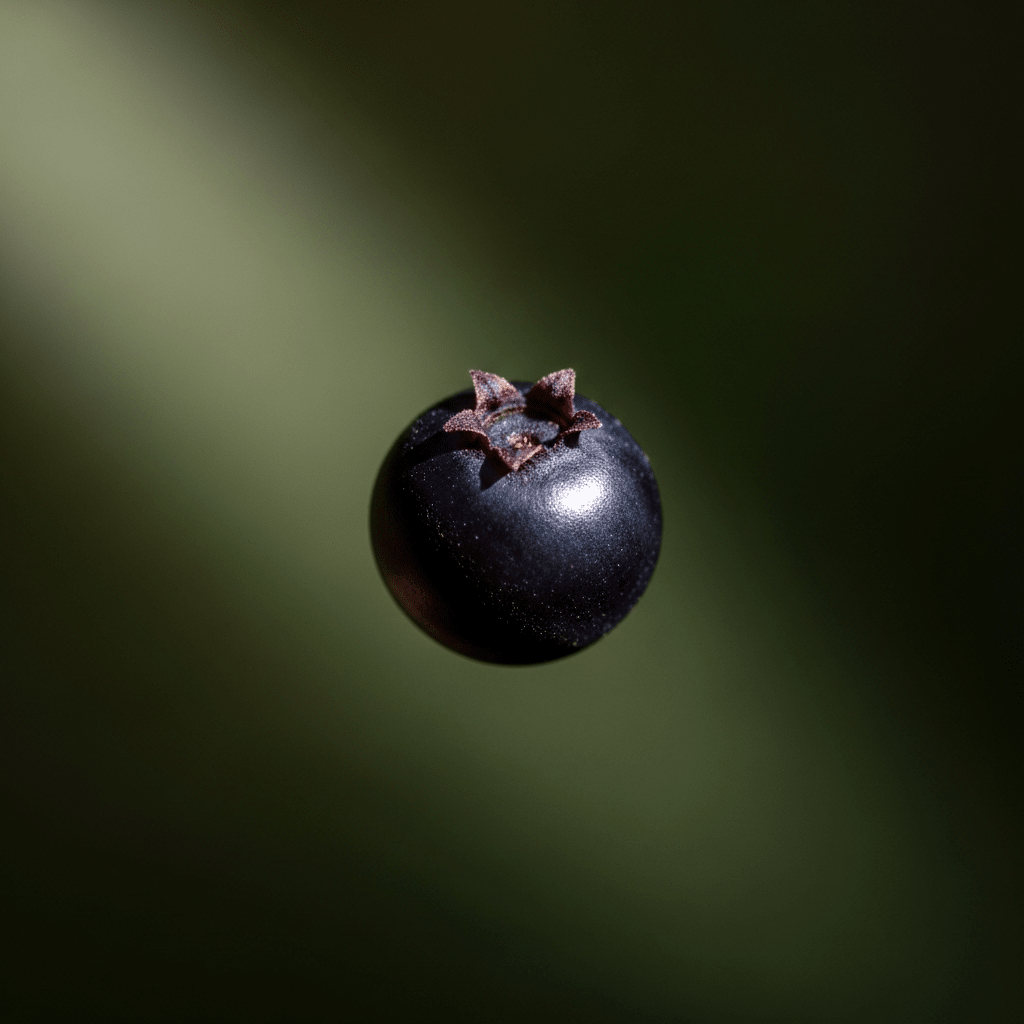
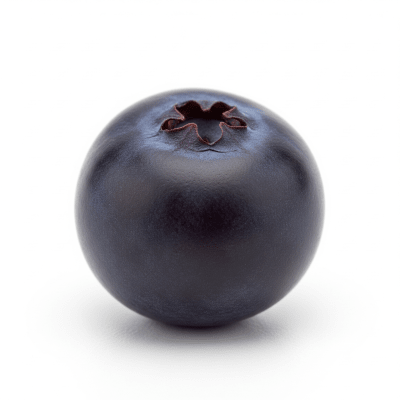
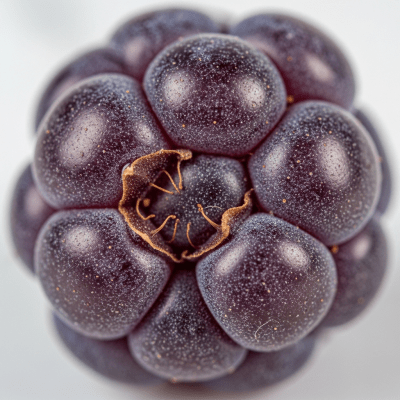
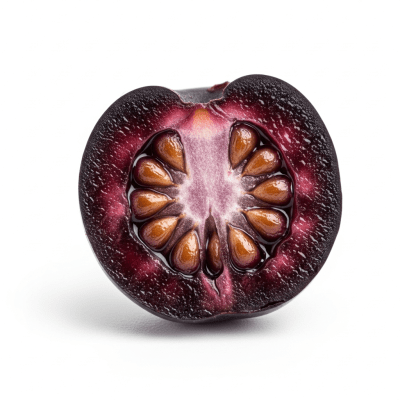
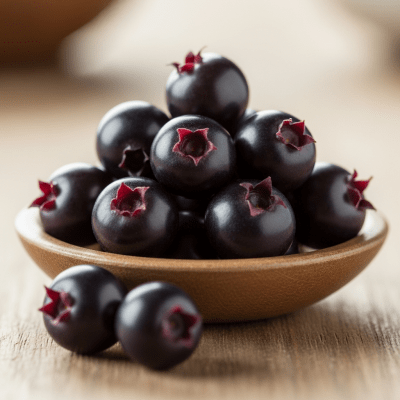
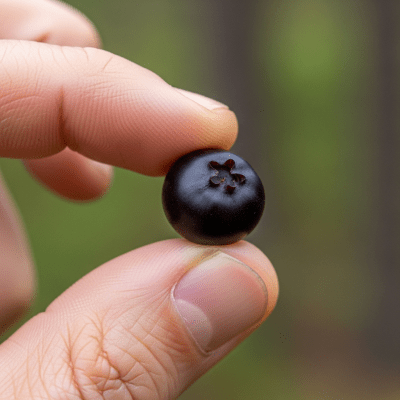
Huckleberries are small, round berries measuring 5–10 mm in diameter. Their colors range from deep blue-black to vibrant red, depending on species. The berries grow on shrubs that reach 0.5–2 meters in height, featuring simple, alternate leaves and delicate, bell-shaped flowers. The fruit’s skin is glossy, and inside, each berry contains more than ten hard seeds, giving them a subtle crunch distinct from blueberries.
Huckleberries are primarily wild-harvested, with foragers seeking them in forests and mountain meadows. Their tart, sweet flavor makes them a favorite in fresh eating, baking, and preserves. The berries are highly perishable, requiring prompt use or processing after harvest. Ecologically, huckleberry shrubs provide food for wildlife and contribute to forest understory diversity, while culturally, they connect communities to local landscapes and seasonal traditions.
Bring this kind into your world illustrated posters, mugs, and shirts.
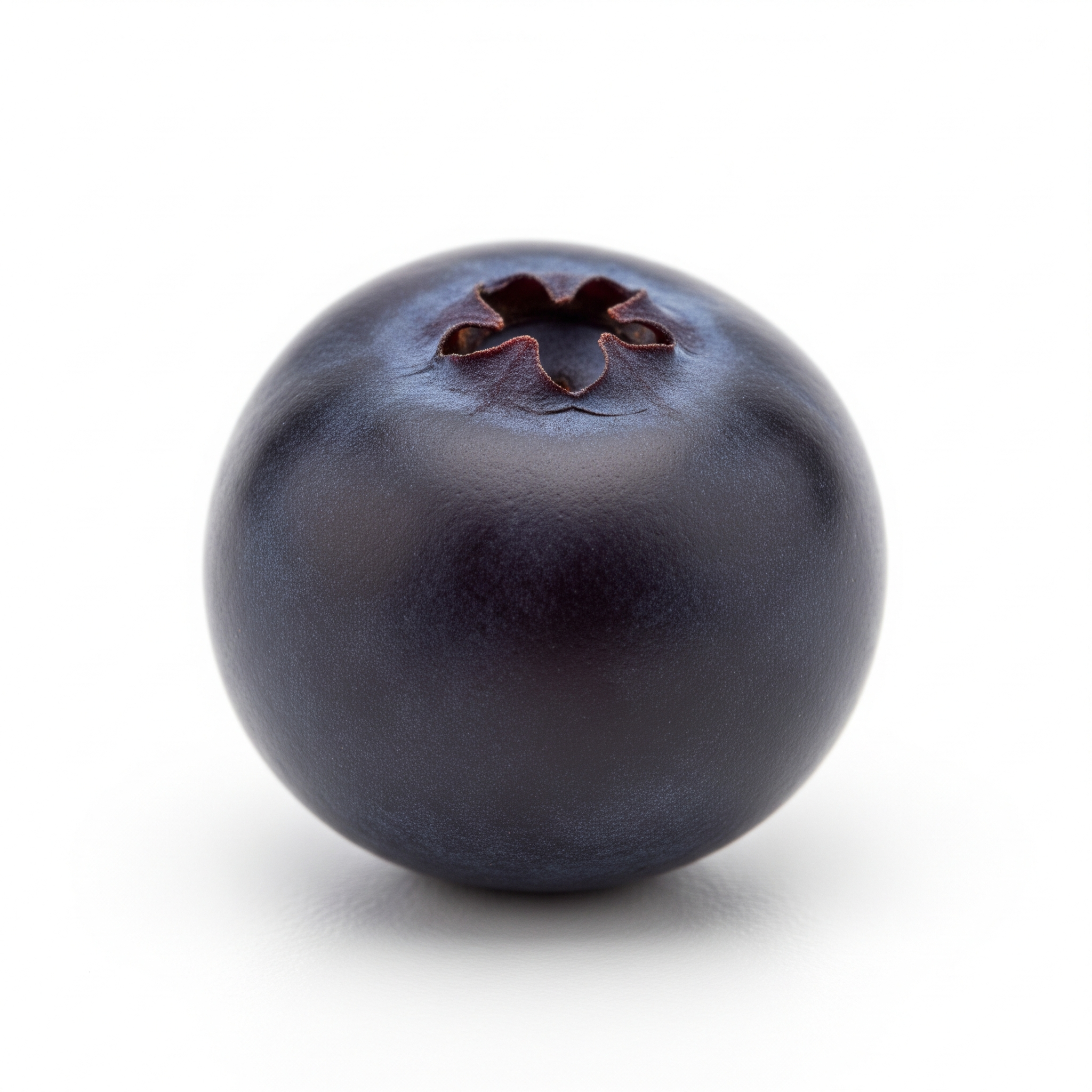
Archival print, museum-grade paper
Buy Poster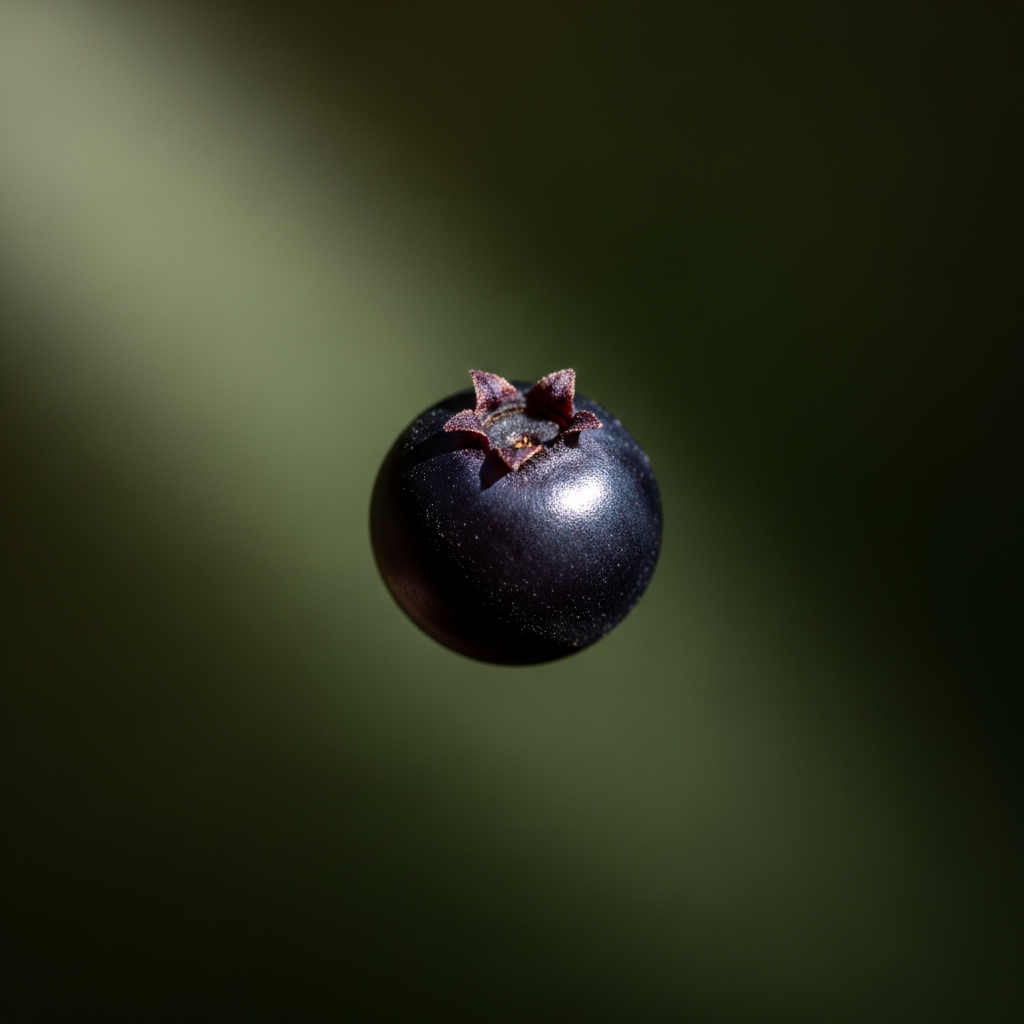
Stoneware mug, dishwasher safe
Buy Mug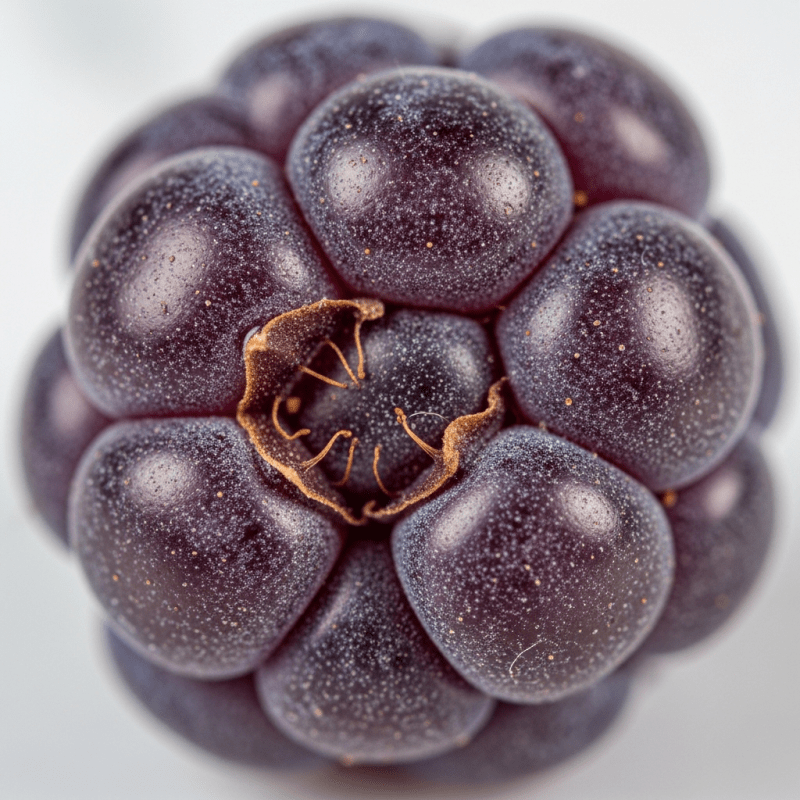
Soft cotton tee, unisex sizes
Buy ShirtHuckleberries hold a special place in the folklore and culinary heritage of the Pacific Northwest and Rocky Mountain regions. They are featured in local festivals, traditional recipes, and even idiomatic expressions (“I’m your huckleberry”). Indigenous peoples have long valued huckleberries for food and trade, and today, the berry symbolizes wildness and regional pride, appearing in art, literature, and popular culture as an emblem of the American West.
Huckleberry plants are perennial shrubs, typically 0.5–2 meters tall, with simple, alternate leaves and small, bell-shaped flowers. The berries themselves are 5–10 mm in diameter, ranging from deep blue-black to red, and contain over ten hard seeds. Their distinguishing features include a tart flavor and seed structure, as well as resilience to cold and poor soils.
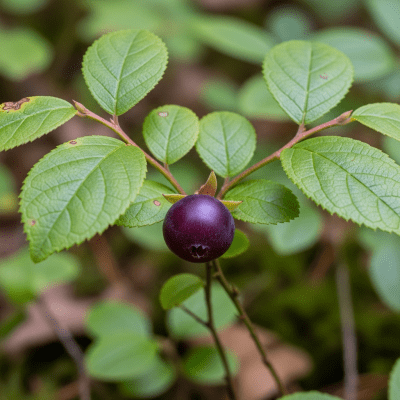
Huckleberries thrive in acidic, well-drained soils and prefer partial shade, often found in montane forests and subalpine meadows. Growth is slow, and yields fluctuate based on wild conditions. Commercial cultivation is rare due to difficulties in propagation and slow maturation. The plants are tolerant to cold and poor soils but are susceptible to drought, fire, and habitat loss.
Huckleberries are marketed as premium, wild-foraged fruits, with commercial harvests limited to wild sources. They are sold primarily at local farmers’ markets and specialty stores, especially in the Pacific Northwest and Rocky Mountain regions. Due to their rarity and perishability, huckleberries command high prices and are considered a seasonal delicacy rather than a staple crop.
There are no widely recognized cultivated varieties of huckleberry; most berries available are wild types, including species like Vaccinium membranaceum, Gaylussacia baccata, and Vaccinium parvifolium. Domestication efforts remain limited due to propagation challenges.
Huckleberry plants are resilient to cold and poor soils but are vulnerable to drought, fire, and habitat loss. The berries themselves have a short storage life and are highly perishable, requiring refrigeration and prompt consumption or processing to preserve quality.