Blueberry
The blueberry is a sweet, blue-black berry from the genus Vaccinium, celebrated worldwide for its flavor, nutritional value, and versatility in cuisine.
The blueberry is a sweet, blue-black berry from the genus Vaccinium, celebrated worldwide for its flavor, nutritional value, and versatility in cuisine.
Blueberries are native to eastern and northeastern North America. The highbush blueberry (Vaccinium corymbosum) was first domesticated in the early 20th century, thanks to pioneering work by Elizabeth White and Frederick Coville. Meanwhile, lowbush blueberries (Vaccinium angustifolium) have been harvested wild for centuries. Major breeding programs in the United States, Canada, and Europe have since expanded blueberry cultivation, resulting in a diverse array of cultivars adapted to various climates and growing conditions.
Blueberries belong to the genus Vaccinium within the family Ericaceae. While they are considered true berries botanically, the term "blueberry" commonly refers to several species, including highbush, lowbush, and rabbiteye types. In culinary contexts, blueberries are grouped with other soft fruits and are distinct from aggregate fruits like raspberries and blackberries.
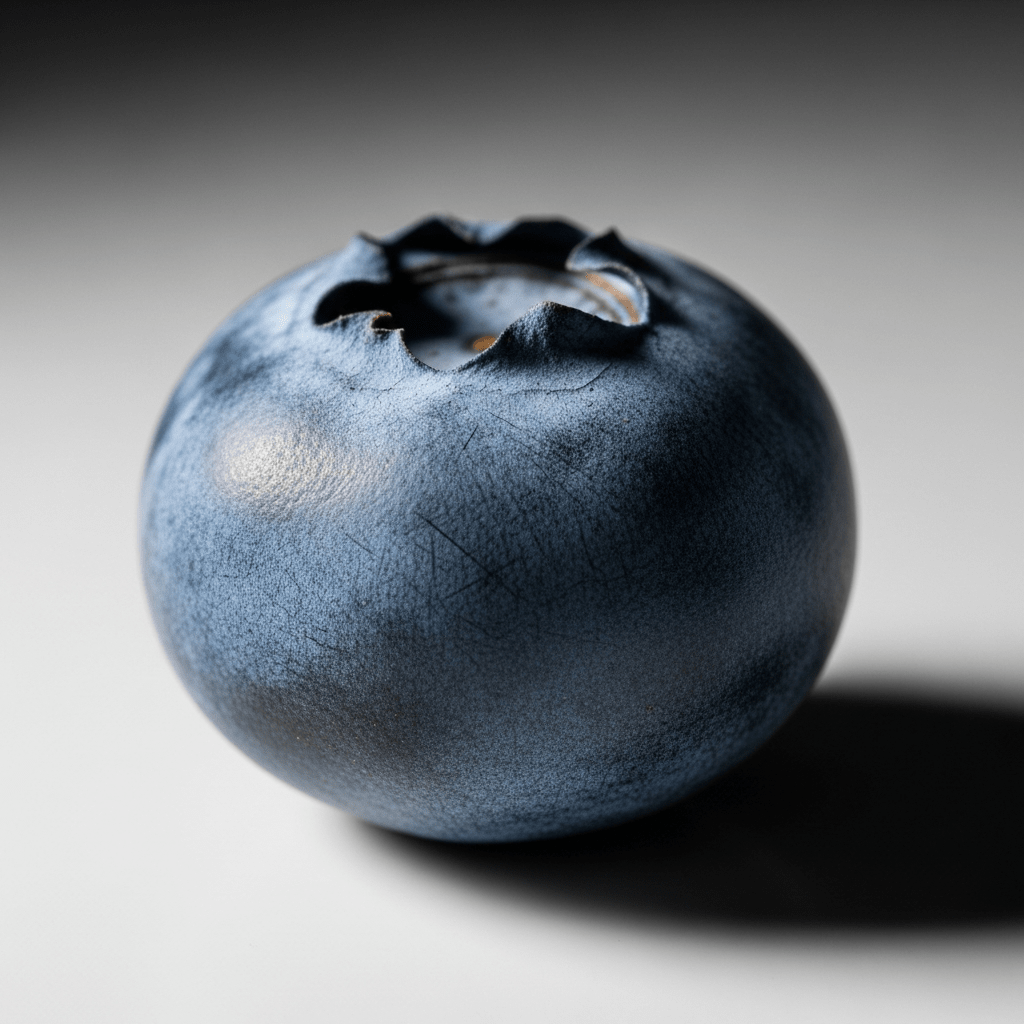
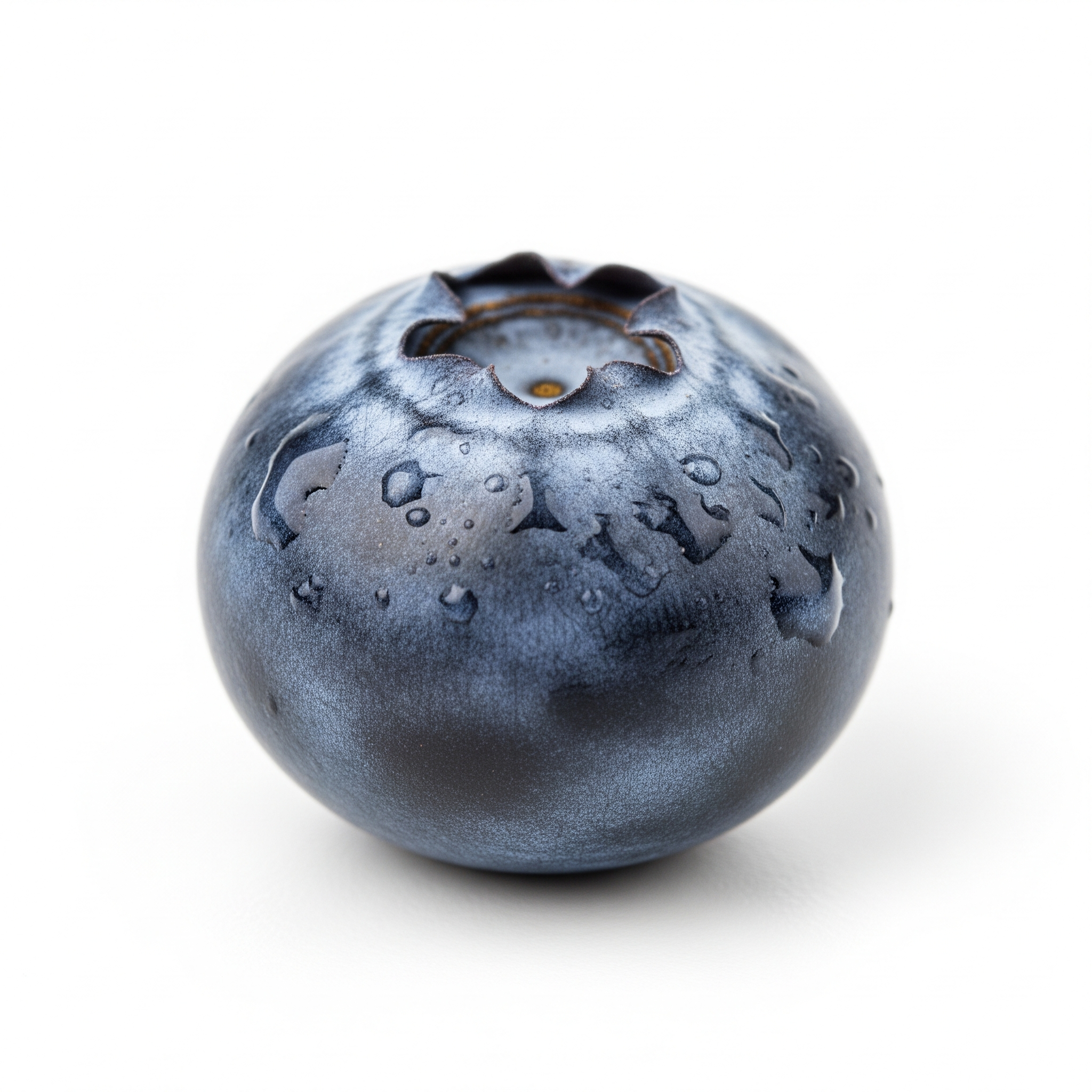
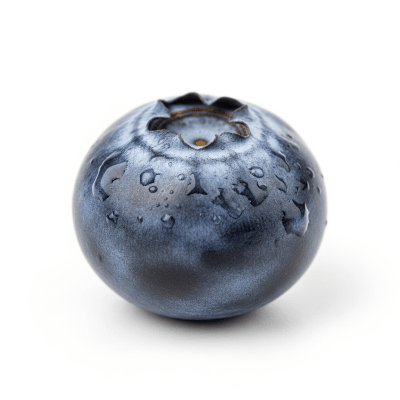
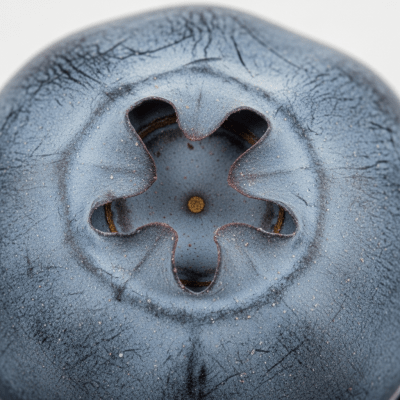
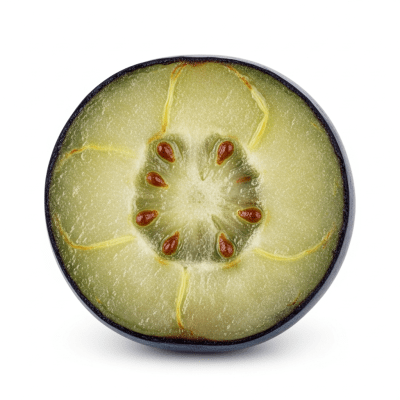
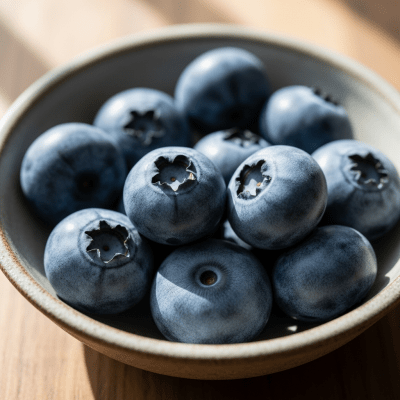
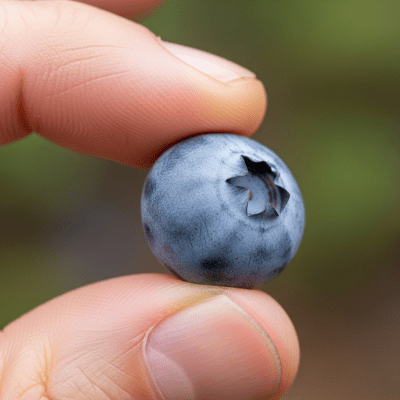
Blueberries are small, round berries ranging from 5 to 16 millimeters in diameter. Their skin is blue to purple-black, often covered with a delicate, waxy bloom that gives a silvery sheen. The flesh is juicy and pale green, with a sweet-tart flavor profile. Blueberry shrubs are perennial and deciduous, featuring simple, ovate leaves and clusters of bell-shaped, white to pale pink flowers.
Blueberries are enjoyed fresh, frozen, or dried, and are widely used in jams, juices, baked goods, and confections. Their high antioxidant content, particularly anthocyanins, makes them popular in health-focused diets. Blueberries play a vital role in pollinator ecosystems and are a staple crop in commercial agriculture, requiring gentle handling due to their delicate skin and tendency to bruise.
Bring this kind into your world illustrated posters, mugs, and shirts.
Archival print, museum-grade paper
Buy Poster
Stoneware mug, dishwasher safe
Buy Mug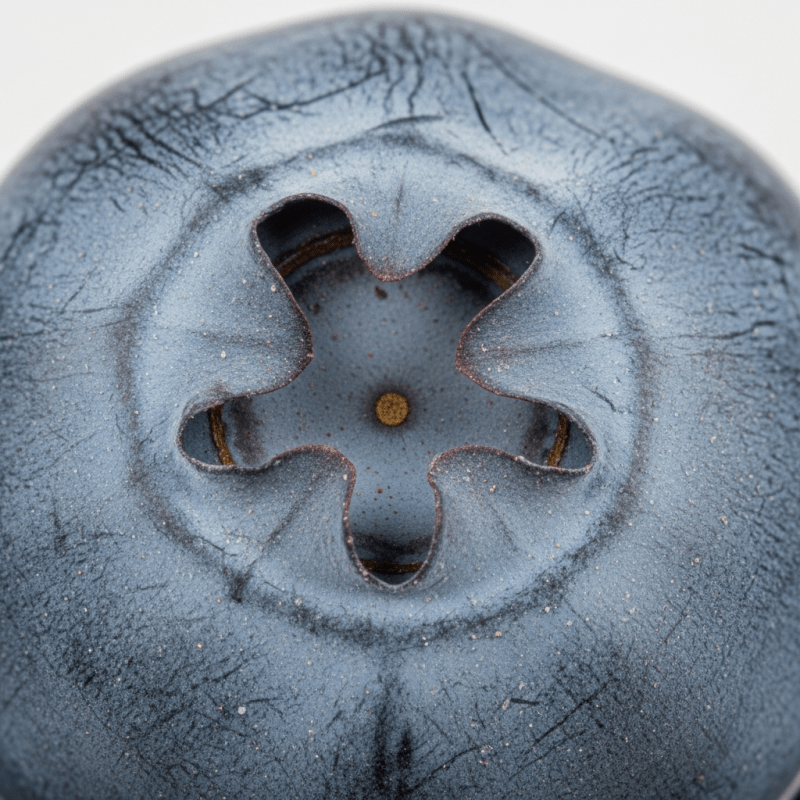
Soft cotton tee, unisex sizes
Buy ShirtBlueberries hold a cherished place in North American folklore and cuisine, symbolizing summer and abundance. They feature prominently in traditional dishes such as pies, muffins, and pancakes, and are celebrated in festivals across growing regions. The berry's reputation as a "superfruit" has further elevated its status in modern health culture, and its imagery is often used in art and branding to evoke freshness and vitality.
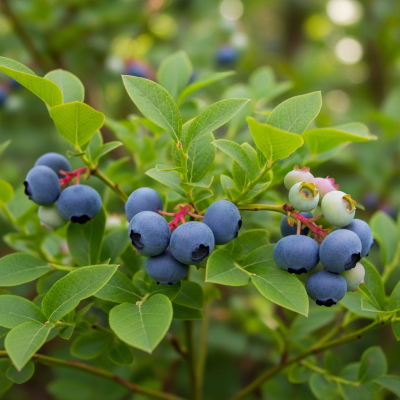
Blueberry plants are perennial, deciduous shrubs that range from 0.2 to 2 meters in height. Their leaves are simple, ovate, and alternately arranged. The small, bell-shaped flowers are white to pale pink, and the fruit is a round berry with blue to purple-black skin and a waxy bloom. Blueberries are notable for their high anthocyanin and antioxidant content, contributing to their vivid color and health benefits.
Blueberries thrive in acidic soils (pH 4.5–5.5) and require moderate to high rainfall. They are sensitive to drought and soil compaction, necessitating careful site selection and irrigation management. Yields vary by species and cultivar: highbush types produce 2–8 tons per hectare, while lowbush yields are typically 0.5–2 tons per hectare. Disease management is essential, as blueberries are susceptible to fungal infections and pests, though many modern cultivars offer improved resistance. Gentle handling is critical during harvest and post-harvest to prevent bruising.
Blueberries are a major commercial crop, with leading production in the United States, Canada, Poland, Germany, and Chile. Both "Wild Blueberry" (lowbush) and "Cultivated Blueberry" (highbush) are prominent in global markets. Organic and specialty cultivars command premium prices, and consumer demand continues to grow due to the berry's health benefits and culinary versatility.
Many blueberry cultivars exhibit improved resistance to common diseases and pests, including fungal infections like mummy berry and Botrytis blight, and insect threats such as the blueberry maggot. Despite these advances, blueberries remain susceptible and require vigilant management. Post-harvest, blueberries have a moderate shelf life of 1–3 weeks when refrigerated, but are prone to bruising and must be handled gently to preserve quality.