
Buffaloberry
Buffaloberry is a hardy North American shrub that produces small, tart, red or orange berries prized for their resilience, ecological value, and traditional culinary uses.
Buffaloberry is a hardy North American shrub that produces small, tart, red or orange berries prized for their resilience, ecological value, and traditional culinary uses.
Buffaloberry, encompassing species such as Shepherdia argentea and Shepherdia canadensis, originated in the wild landscapes of western and northern North America. First described by botanists in the early 19th century, these shrubs are native to the Great Plains, Rocky Mountains, and boreal forests. With no formal breeder or institution behind their domestication, buffaloberries have a rich history rooted in indigenous knowledge and use, thriving in environments often considered inhospitable to other fruiting plants.
Buffaloberry belongs to the Elaeagnaceae family, within the genus Shepherdia. The most recognized species are Shepherdia argentea (silver buffaloberry) and Shepherdia canadensis (Canada buffaloberry). While commonly grouped with berries in culinary contexts, botanically they are classified as fleshy fruits produced by deciduous shrubs, distinct from aggregate fruits like raspberry or strawberry.
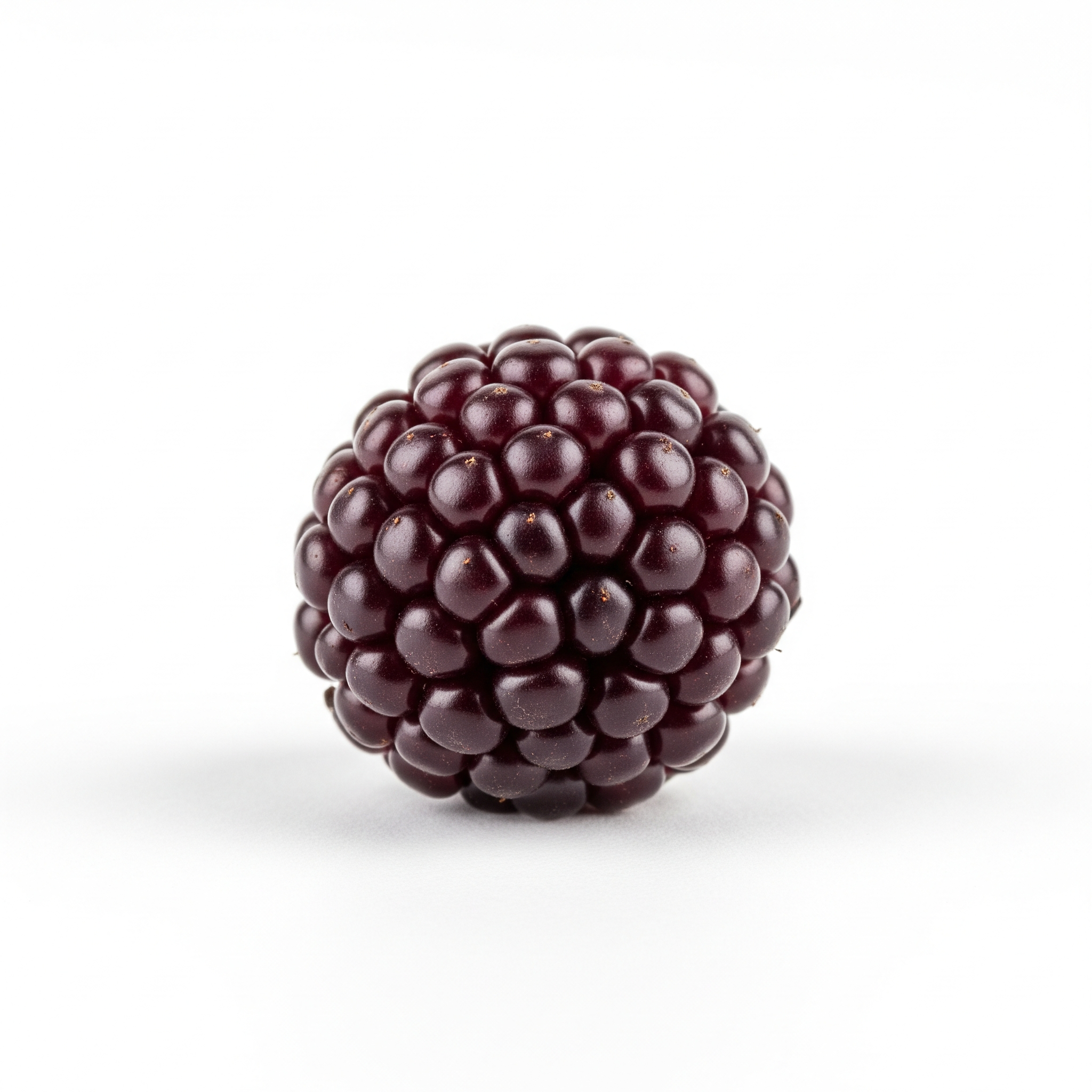
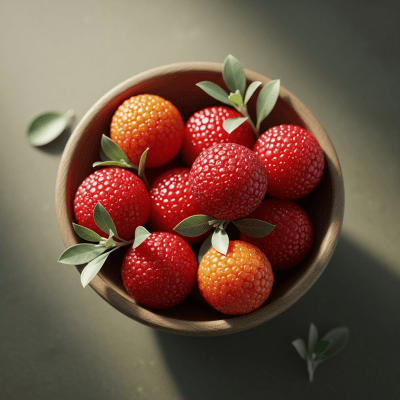
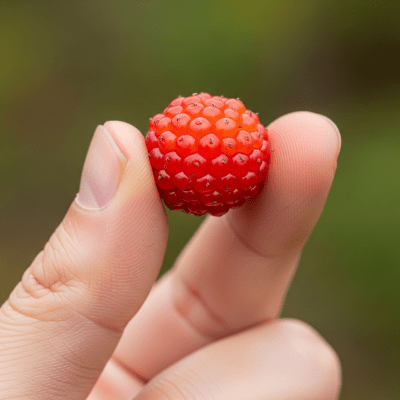
Buffaloberry shrubs grow 2–6 meters tall, with silvery or greenish leaves and thorny branches. Their berries are small, round, and strikingly bright red or orange, measuring just 5–8 mm across. Ripening from late summer to early autumn, the fruit’s vivid color and glossy skin stand out against the muted foliage, while the berries themselves are firm, juicy, and notably tart.
Buffaloberry’s resilience allows it to thrive in poor, alkaline soils and withstand drought and cold. The plant’s nitrogen-fixing roots improve soil health, benefiting surrounding vegetation. For humans, the berries are traditionally harvested for preserves, dried snacks, and indigenous recipes. Wildlife—including birds and mammals—also rely on buffaloberry shrubs for food and habitat, making them ecologically important in their native range.
Bring this kind into your world illustrated posters, mugs, and shirts.
Archival print, museum-grade paper
Buy Poster
Stoneware mug, dishwasher safe
Buy Mug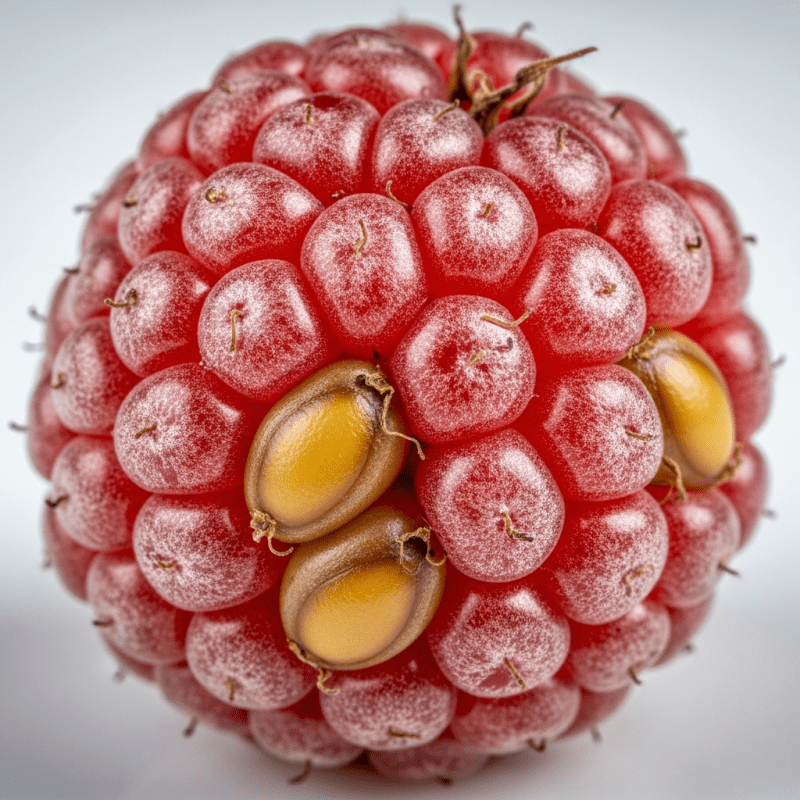
Soft cotton tee, unisex sizes
Buy ShirtBuffaloberry holds a special place in the traditions of Plains and Woodland indigenous groups such as the Blackfoot, Cree, and Salish. Known regionally as "Soopolallie" in British Columbia and Alberta, the berry features in ceremonial foods, medicinal preparations, and seasonal gatherings. Its tart flavor and nutritional value have made it a staple in indigenous diets, and its resilience is celebrated in local folklore as a symbol of survival and abundance in harsh climates.
Buffaloberry is a deciduous shrub reaching 2–6 meters in height, with silvery or greenish leaves and thorny branches. It is dioecious, meaning male and female flowers grow on separate plants, and requires both for fruit production. The berries are small, round, and bright red or orange, ripening in late summer. The plant’s nitrogen-fixing root nodules allow it to thrive in poor, alkaline soils and contribute to its remarkable drought and cold tolerance.

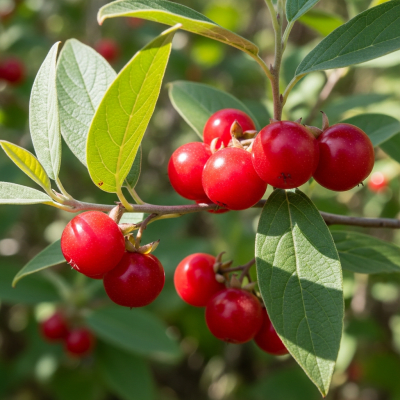
Buffaloberry is well-suited to cultivation in challenging climates and soils, requiring both male and female plants for fruit set. It is highly resilient to most pests and diseases, and its nitrogen-fixing ability improves soil fertility. Mature shrubs can yield several kilograms of fruit annually, though fruit production may vary due to pollination needs. Buffaloberry’s hardiness makes it valuable for land restoration and wildlife support, but its tart berries and limited shelf life restrict large-scale commercial farming.
Buffaloberry is primarily found in local and regional specialty markets, with commercial cultivation limited due to its tartness and short shelf life. Foraged and cultivated berries are sometimes sold for use in preserves or nutraceutical products, thanks to their high lycopene content. National and international trade is rare, but interest in wild and native fruits is gradually increasing among specialty producers and health-focused consumers.
There are no widely recognized commercial cultivars of buffaloberry; most plants are wild or regionally selected for resilience and fruit quality. Heritage selections may exist among indigenous communities, but formal breeding and named varieties are uncommon.
Buffaloberry is naturally resilient against most pests and diseases and tolerates alkaline soils well. However, fruit set can be inconsistent due to pollination requirements. The berries have a limited storage life and are best consumed fresh or processed soon after harvest, as they do not keep well for extended periods.