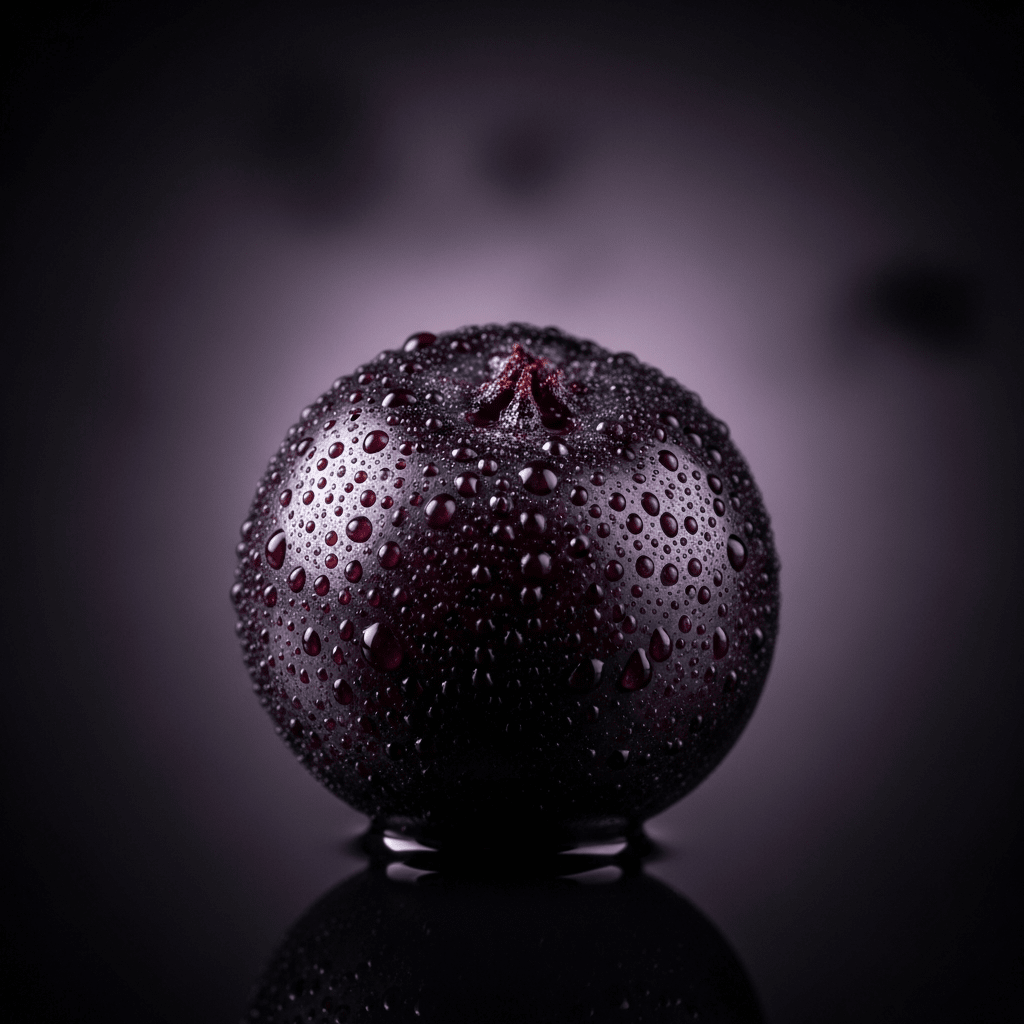
Chokeberry
Chokeberry is the common name for several species in the genus Aronia, valued for their small, dark, astringent berries packed with antioxidants and widely used in juices, jams, and health products.
Chokeberry is the common name for several species in the genus Aronia, valued for their small, dark, astringent berries packed with antioxidants and widely used in juices, jams, and health products.
Native to eastern North America, chokeberries (Aronia spp.) were first described by botanists in the 19th century. Their wild lineage has been selectively cultivated, especially in Eastern Europe and Russia, where commercial varieties such as 'Nero', 'Viking', and 'Aron' were developed. The genus has no single credited breeder, reflecting its roots in wild collection and natural hybridization.
Chokeberry belongs to the genus Aronia within the rose family (Rosaceae). While botanically classified as true berries, chokeberries are also recognized in culinary and agricultural contexts for their unique flavor and nutritional profile. The main species include Aronia melanocarpa (black chokeberry), Aronia arbutifolia (red chokeberry), and Aronia prunifolia (purple chokeberry).
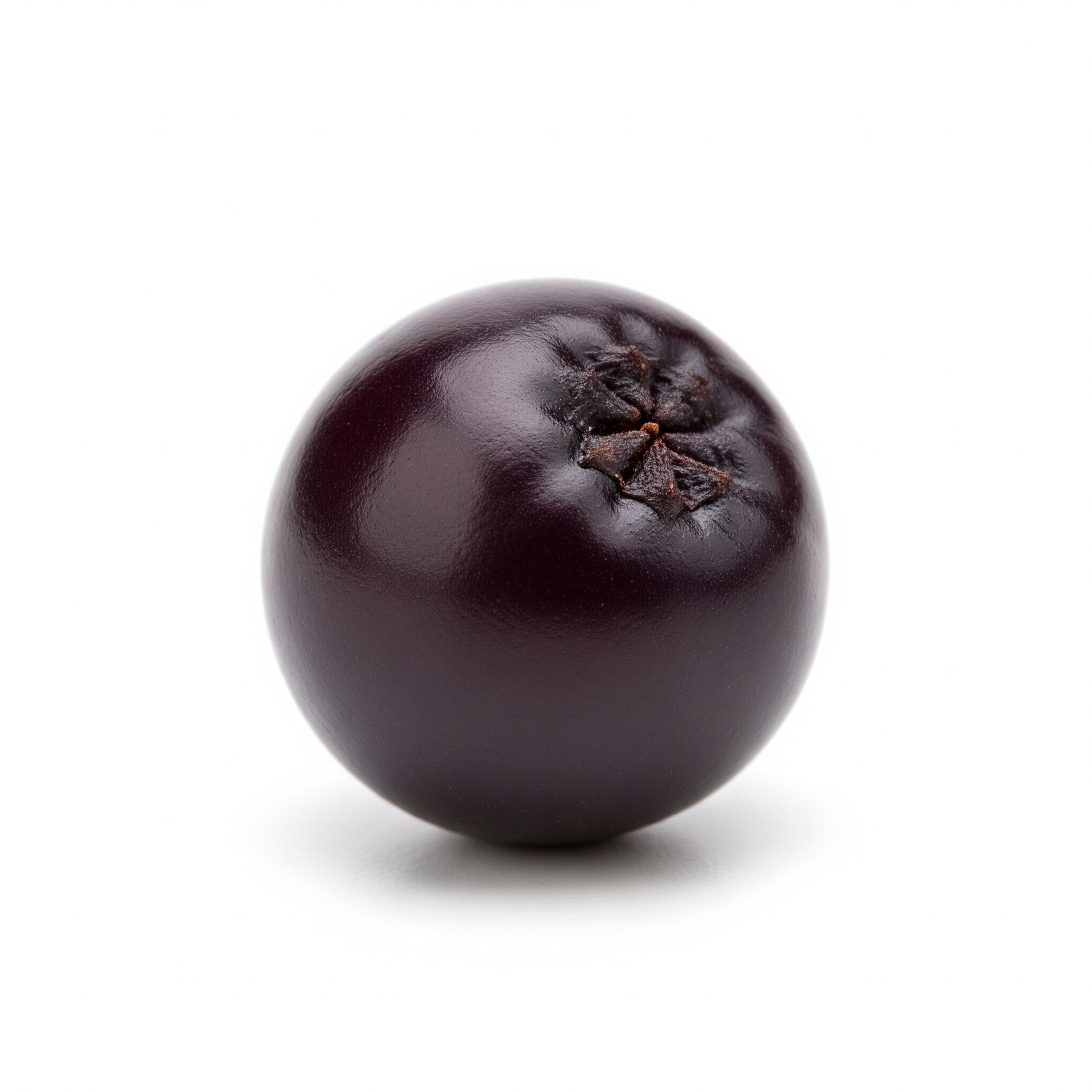
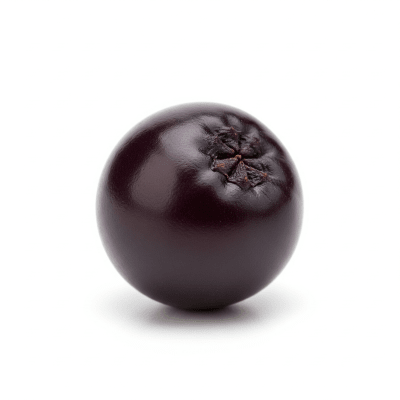
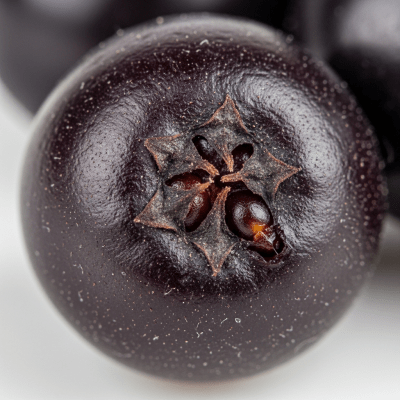
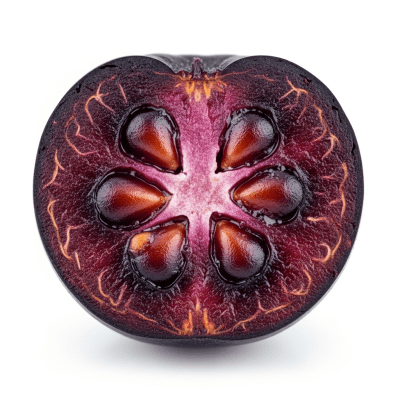
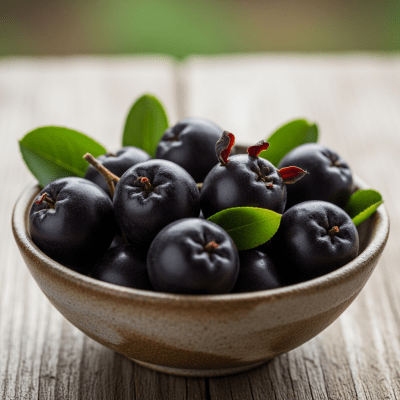
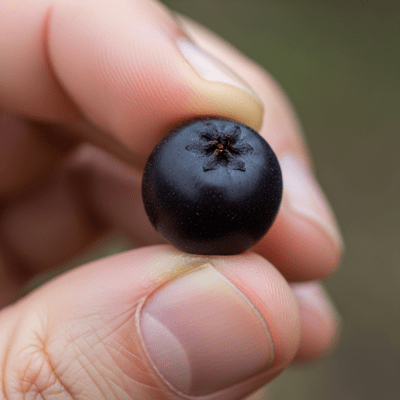
Chokeberry shrubs are deciduous, reaching 1–3 meters in height, with glossy green leaves that blaze red in autumn. In spring, they bear clusters of small, white or pink flowers. The berries themselves are round, measuring 6–13 mm across, and mature to deep black, vivid red, or rich purple, depending on species. Their firm skin encloses a highly astringent, sour-sweet flesh.
Chokeberries are rarely eaten fresh due to their pronounced astringency. Instead, they are commonly processed into juices, jams, syrups, wines, teas, and dietary supplements. Their high antioxidant content makes them popular in health food markets, and they are also used as natural colorants in various food products. The shrubs themselves are valued for their ornamental foliage and adaptability to wet soils.
Bring this kind into your world illustrated posters, mugs, and shirts.
Archival print, museum-grade paper
Buy Poster
Stoneware mug, dishwasher safe
Buy Mug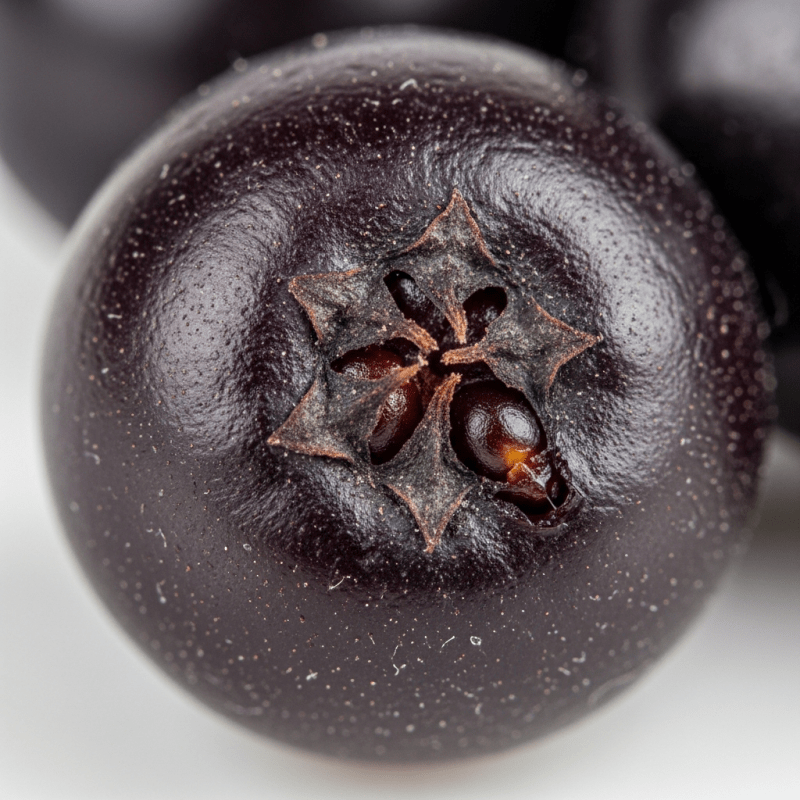
Soft cotton tee, unisex sizes
Buy ShirtIn Eastern Europe, chokeberry juice and preserves are traditional staples, prized for their health benefits and vibrant color. The berry’s reputation as a "superfruit" has grown in recent years, especially in North America, where it is featured in niche health products. Chokeberry’s role in folk medicine and its use as a natural dye highlight its enduring cultural presence.
Chokeberry shrubs are deciduous, growing 1–3 meters tall with glossy green leaves that turn red in autumn. They produce clusters of small, white or pink flowers in spring, followed by round berries (6–13 mm) that ripen to black, red, or purple. The berries are highly astringent, with a sour-sweet flavor, and the plants are cold-hardy and tolerant of wet soils.
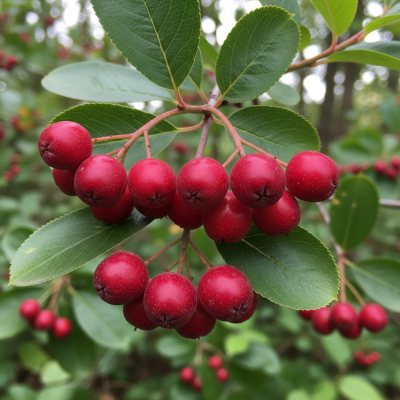
Chokeberries thrive in cold climates (USDA zones 3–8) and are notably tolerant of wet soils. Yields range from 2–10 kg per shrub annually, with fruit ripening in late summer to early autumn. The plants are resistant to most pests and diseases, though leaf spot and powdery mildew can occur in humid conditions. Cultivation is most common in Poland, Russia, Ukraine, and the United States, where chokeberries are grown for both commercial and ornamental purposes.
Due to their astringency, chokeberries are rarely eaten fresh. Instead, they are transformed into juices, jams, syrups, wines, teas, and dietary supplements. The berries are also dried or frozen for extended use, and their deep color makes them a popular natural colorant in food products. Traditional recipes in Eastern Europe often feature chokeberry preserves and juices.
Chokeberry’s market appeal centers on its antioxidant-rich profile, driving demand in health food sectors worldwide. Commercial cultivation is strong in Poland, Russia, Ukraine, and the United States, with berries sold fresh, frozen, dried, or as extracts. In Eastern Europe, chokeberry products are traditional, while in North America, they are gaining traction in specialty and health-focused markets.
Chokeberry plants are generally resistant to most pests and diseases, but can be susceptible to leaf spot and powdery mildew in humid environments. Fresh berries have a moderate shelf life, lasting up to 2 weeks when refrigerated. Most chokeberries are processed into juice, jams, or dried products to extend their usability and preserve their nutritional value.