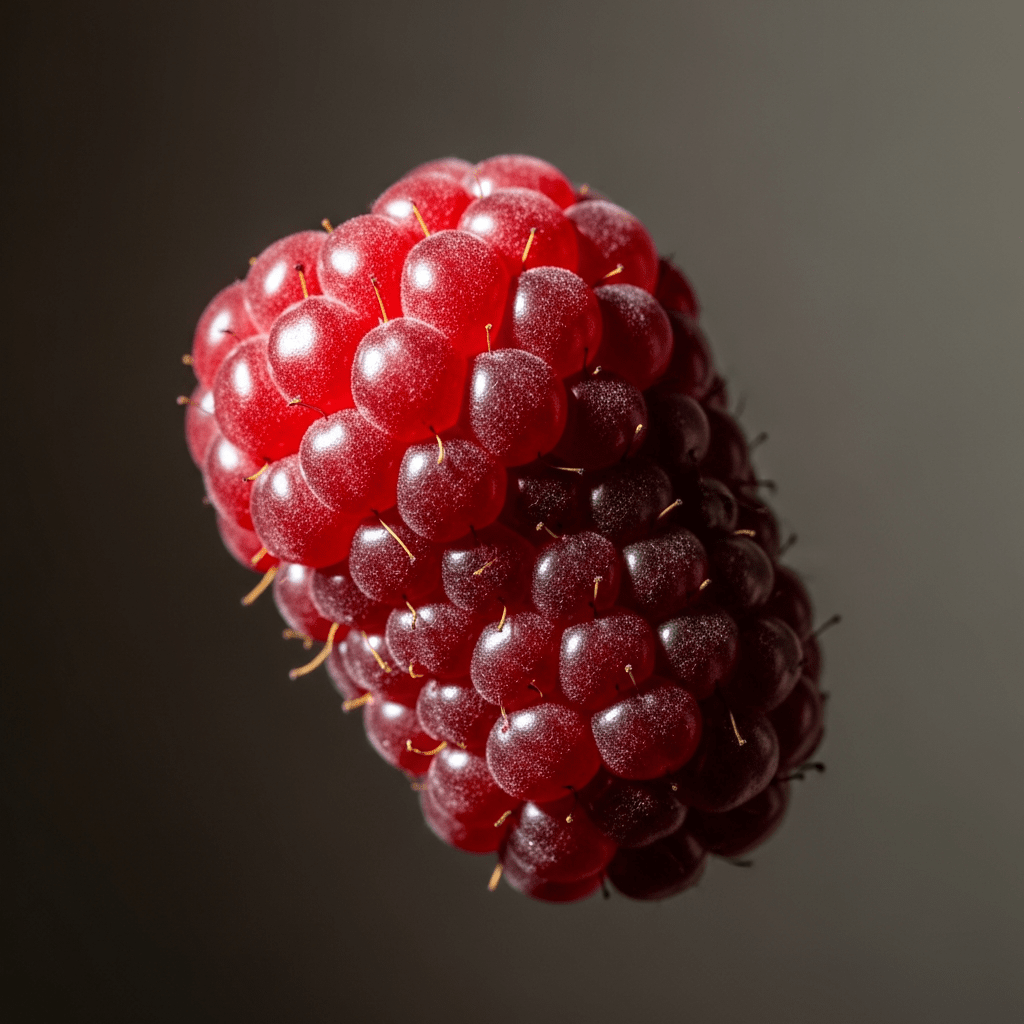
Tayberry
The Tayberry is a cultivated hybrid berry celebrated for its large, sweet, aromatic fruit and vigorous growth, blending the best traits of raspberry and blackberry.
The Tayberry is a cultivated hybrid berry celebrated for its large, sweet, aromatic fruit and vigorous growth, blending the best traits of raspberry and blackberry.
The Tayberry originated in Scotland, where it was bred by Derek L. Jennings at the Scottish Horticultural Research Institute (now the James Hutton Institute) in Dundee. Released in 1979, this berry is the result of crossing the Aurora blackberry (Rubus fruticosus) with the Malling Promise raspberry (Rubus idaeus), creating a new hybrid with exceptional flavor and productivity.
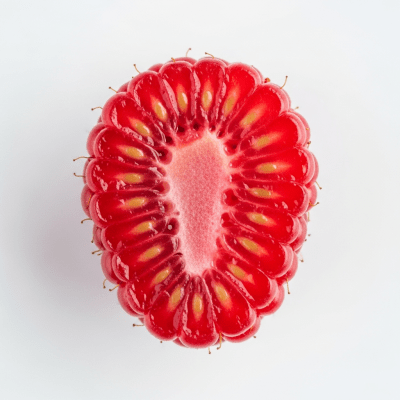
Botanically, the Tayberry is an aggregate fruit belonging to the genus Rubus within the Rosaceae family. It is a hybrid, specifically Rubus × 'Tayberry', combining characteristics of both blackberries and raspberries. While not a true berry in strict botanical terms, it is classified as such in culinary and horticultural contexts due to its usage and morphology.
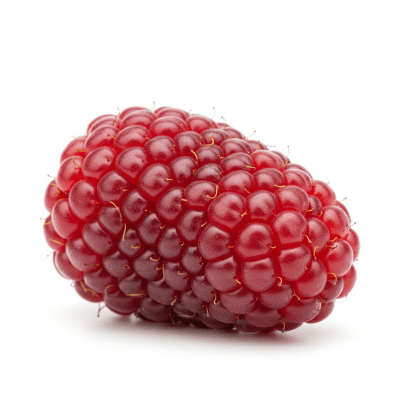
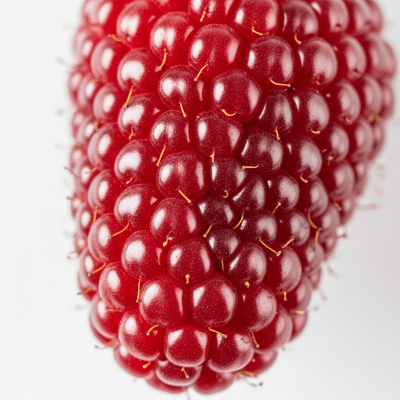
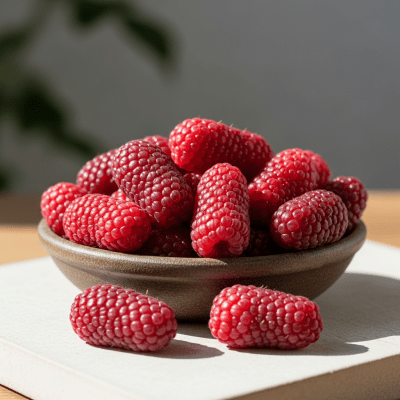
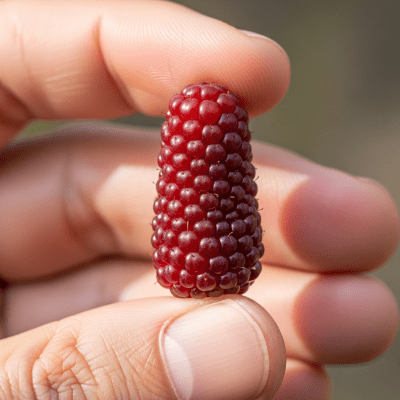
Tayberries are distinguished by their elongated, conical shape, typically measuring 3–5 cm in length. When ripe, they exhibit a deep reddish-purple hue. The fruit’s texture is softer than a blackberry yet firmer than a raspberry, and its high juice content gives it a glossy, inviting appearance. The berries are delicate and bruise easily, reflecting their tender nature.
Tayberries are versatile in the kitchen, enjoyed fresh or transformed into jams, jellies, desserts, sauces, wines, and baked goods. Their aromatic, sweet-tart flavor and high juice content make them especially prized for preserves and beverages. Due to their fragile skin, tayberries are best consumed soon after harvest and are rarely shipped long distances, favoring local and specialty markets.
Bring this kind into your world illustrated posters, mugs, and shirts.
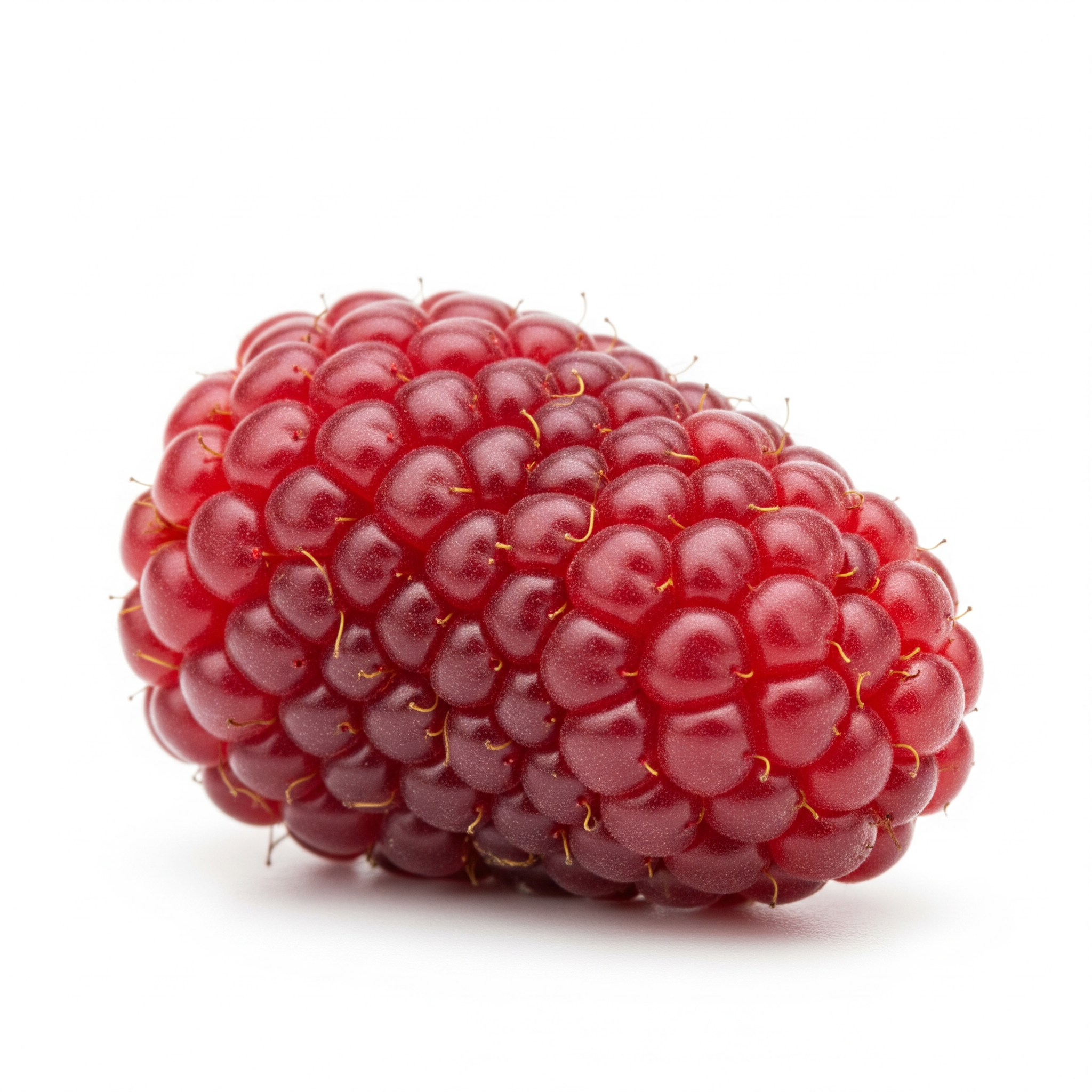
Archival print, museum-grade paper
Buy Poster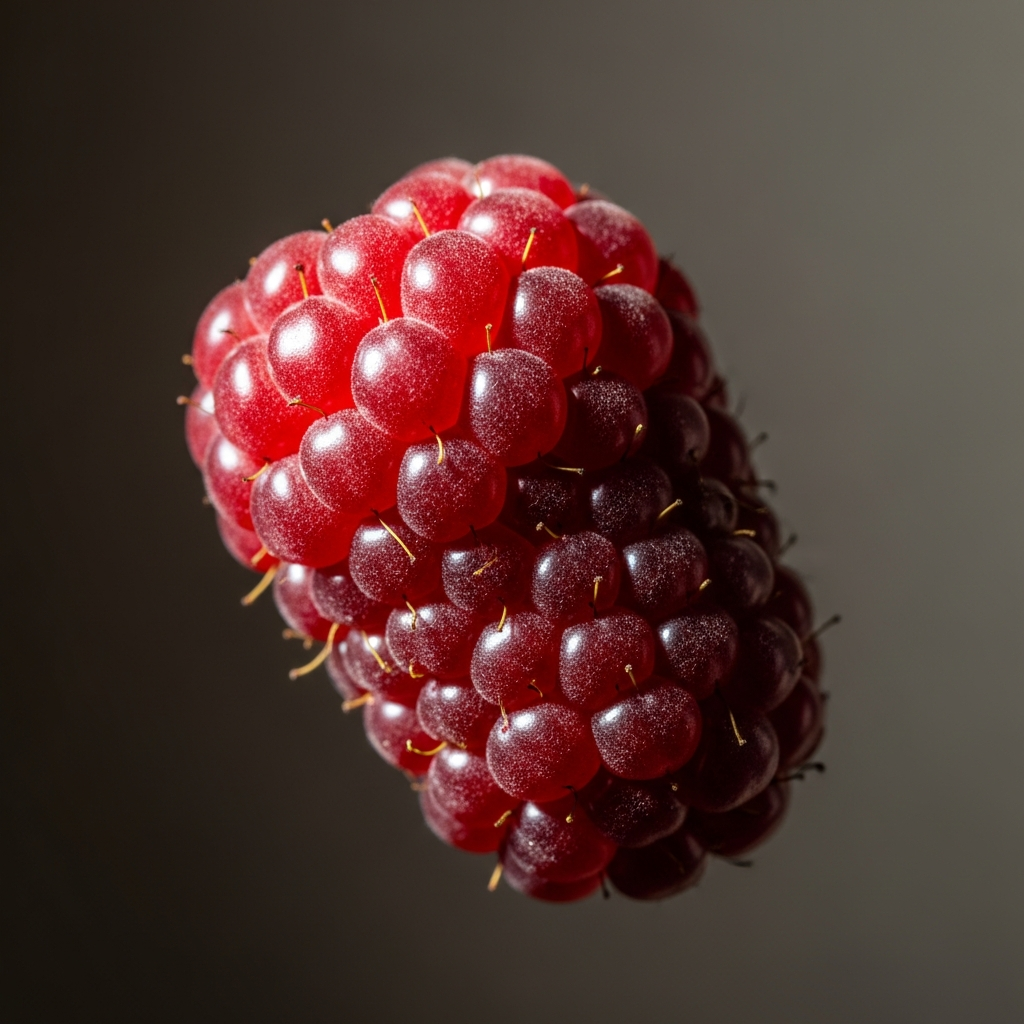
Stoneware mug, dishwasher safe
Buy Mug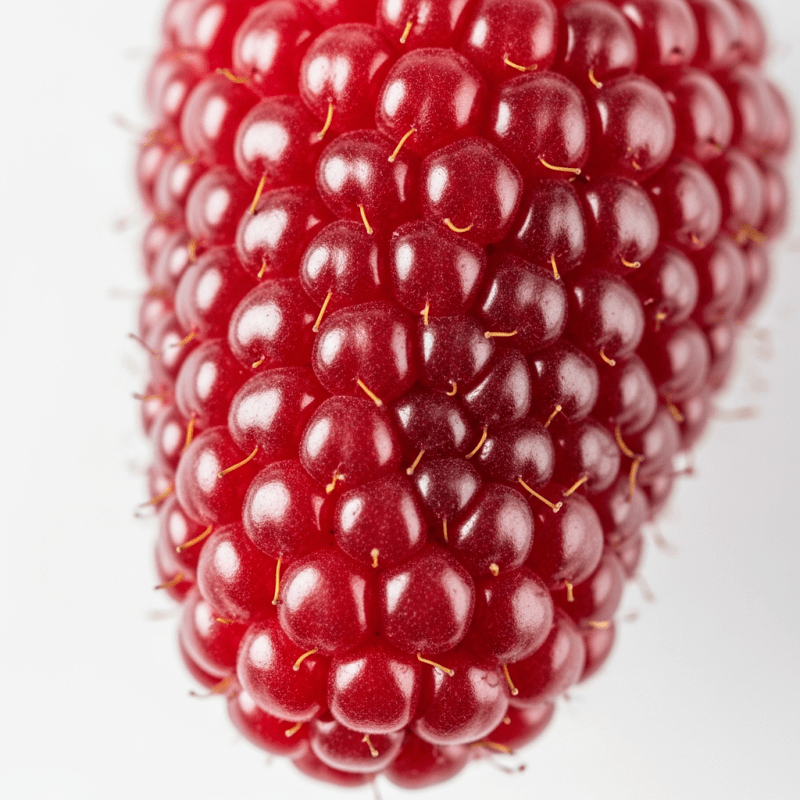
Soft cotton tee, unisex sizes
Buy ShirtWhile the Tayberry does not have deep-rooted folklore, its development in Scotland reflects a tradition of berry breeding and horticultural innovation. It is celebrated among gardeners and berry enthusiasts for its unique flavor and productivity, and has become a symbol of modern fruit hybridization in the UK and Europe.
Tayberry plants are vigorous and semi-erect to trailing, bearing thorny canes (with some less spiny selections). They flower in late spring and fruit in early to mid-summer. The berries are elongated and conical, deep reddish-purple when ripe, with a texture softer than blackberries but firmer than raspberries. Their high juice content and aromatic, sweet-tart flavor are key distinguishing traits.
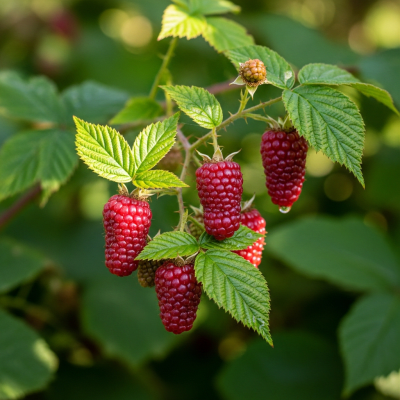
Tayberries thrive in well-drained, fertile soils and benefit from being trained on supports. They are productive, yielding 2–5 kg per plant under optimal conditions. The plants are moderately resistant to fungal diseases but can be affected by botrytis and cane blight. Due to the fruit’s delicate nature, careful handling is essential during harvest, and they are best suited for local consumption or processing soon after picking.
Tayberries are rarely found in large-scale commercial markets because their delicate skin makes them unsuitable for long-distance shipping. They are primarily sold at local farms, pick-your-own operations, and specialty stores in the UK and parts of Europe. The berry is popular among home gardeners and small producers seeking unique, flavorful fruit for local sale and personal use.
Currently, the original Tayberry hybrid is the most recognized cultivar. While some selections may vary in thorniness or growth habit, there are no widely established named cultivars beyond the primary release.
Tayberries are moderately resistant to fungal diseases but can be susceptible to botrytis and cane blight. The fruit’s delicate skin means it bruises easily, resulting in a short storage life—typically only 2–3 days when refrigerated. Prompt consumption or processing is recommended for best quality.