Rowan Berry
The rowan berry is a small, vivid orange-red fruit from the rowan tree (Sorbus aucuparia), celebrated for its tart flavor and rich role in European folklore and cuisine.
The rowan berry is a small, vivid orange-red fruit from the rowan tree (Sorbus aucuparia), celebrated for its tart flavor and rich role in European folklore and cuisine.
Native to most of Europe and parts of temperate Asia, the rowan tree has thrived in wild landscapes for centuries. First formally described by Carl Linnaeus in 1753, it has been naturalized in North America and cultivated in gardens and woodlands across the Northern Hemisphere. The species’ history is deeply entwined with local traditions, with no single breeder or institution credited for its introduction—its legacy is wild, ancient, and communal.
Rowan berry belongs to the Rosaceae family, genus Sorbus, species aucuparia. Although not a true botanical berry, it is commonly grouped with culinary berries due to its fruiting form and traditional uses. Its classification bridges botanical and cultural definitions, making it a staple in both scientific and popular berry lists.
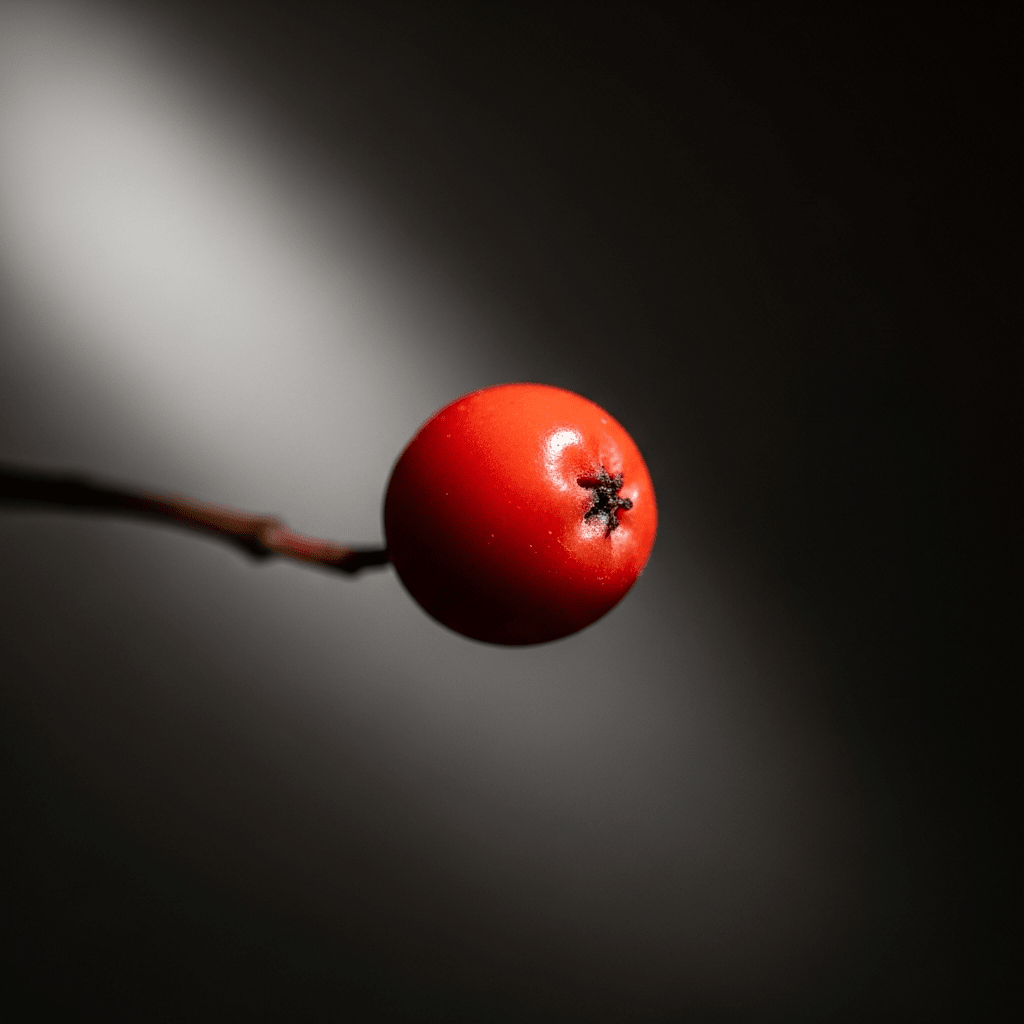
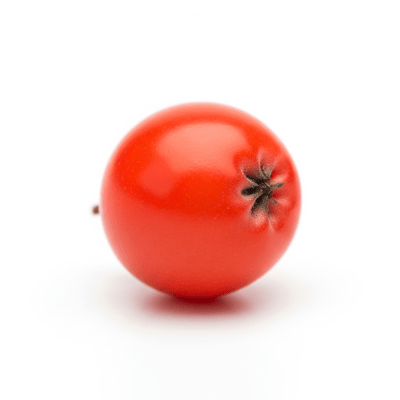
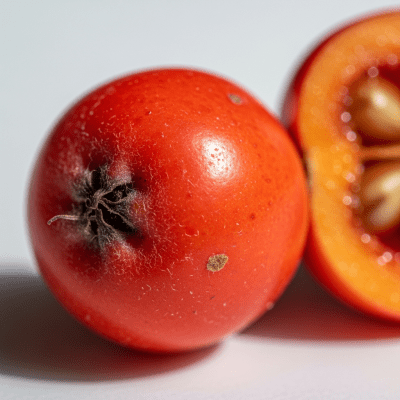
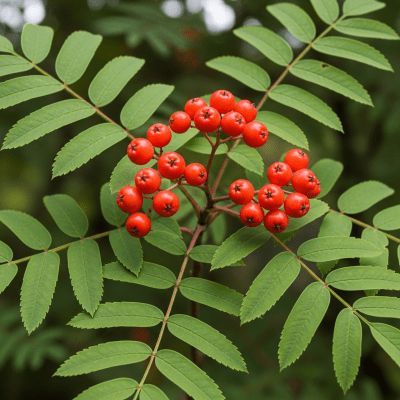
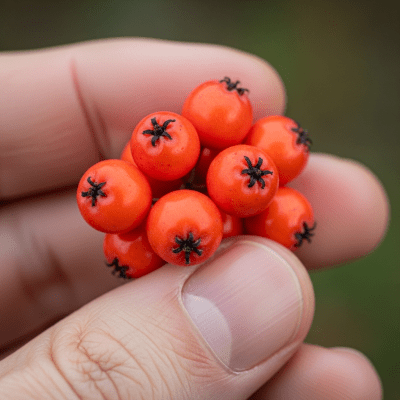
Rowan berries are small (6–9 mm), globose to ovoid, and cluster in dense bunches that blaze orange-red when ripe. Their smooth, glossy skin and vibrant color contrast with the tree’s delicate, pinnate leaves and white springtime flowers. The berries’ tartness is evident even before tasting, and their visual appeal is heightened in autumn when they hang in striking corymbs against fading foliage.
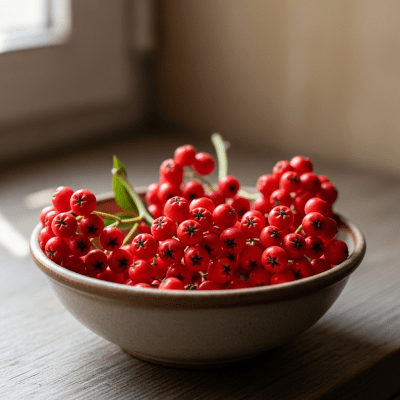
Rowan berries are rarely consumed raw due to their bitter, astringent taste and mild toxicity, but they shine in cooked preparations. Humans have long harvested them for jellies, jams, syrups, wines, and liqueurs—especially in Scandinavia, Eastern Europe, and Germany. The berries also attract birds, aiding seed dispersal and supporting local ecosystems. In gardens and wild spaces, rowan trees are planted for both fruit and ornamental value.
Bring this kind into your world illustrated posters, mugs, and shirts.
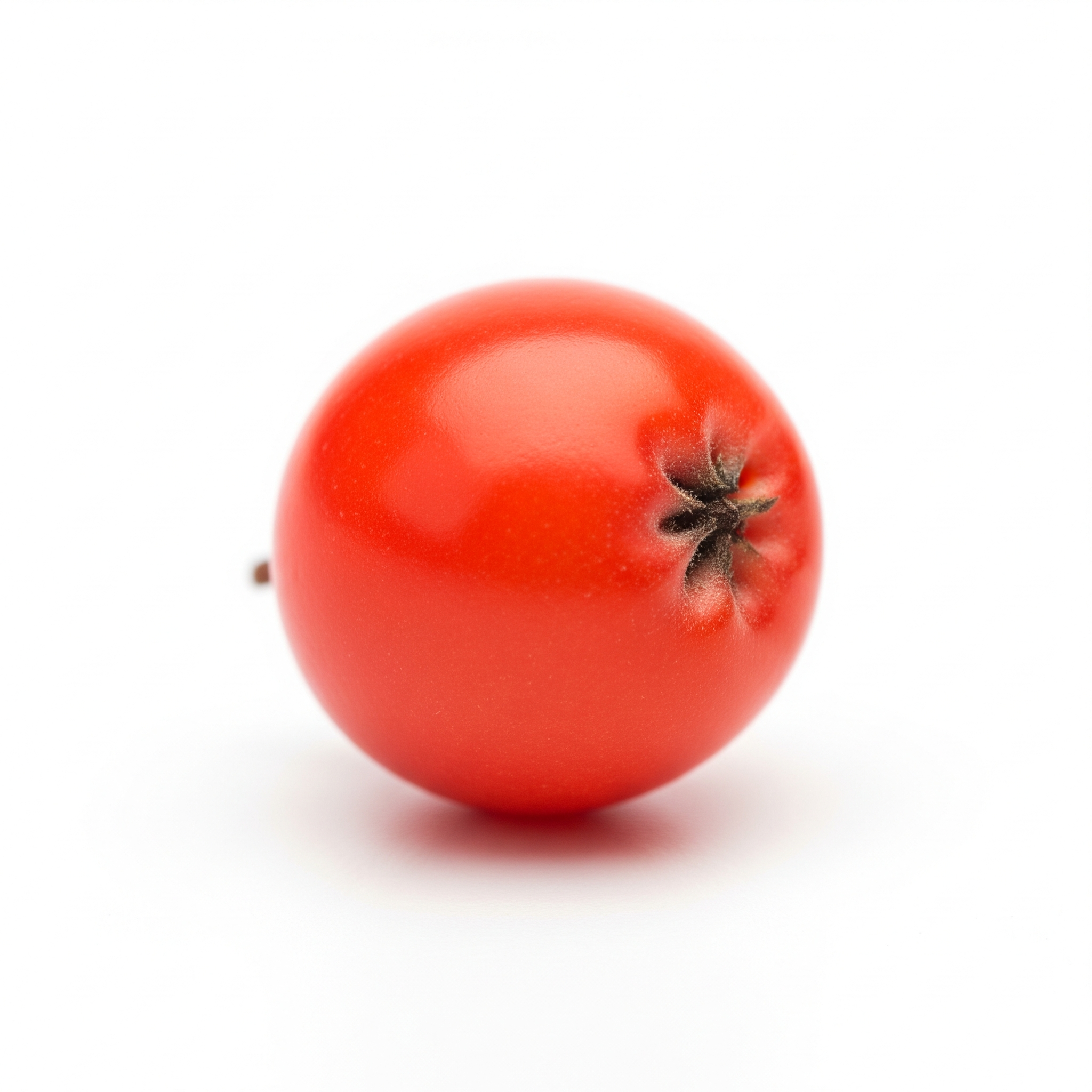
Archival print, museum-grade paper
Buy Poster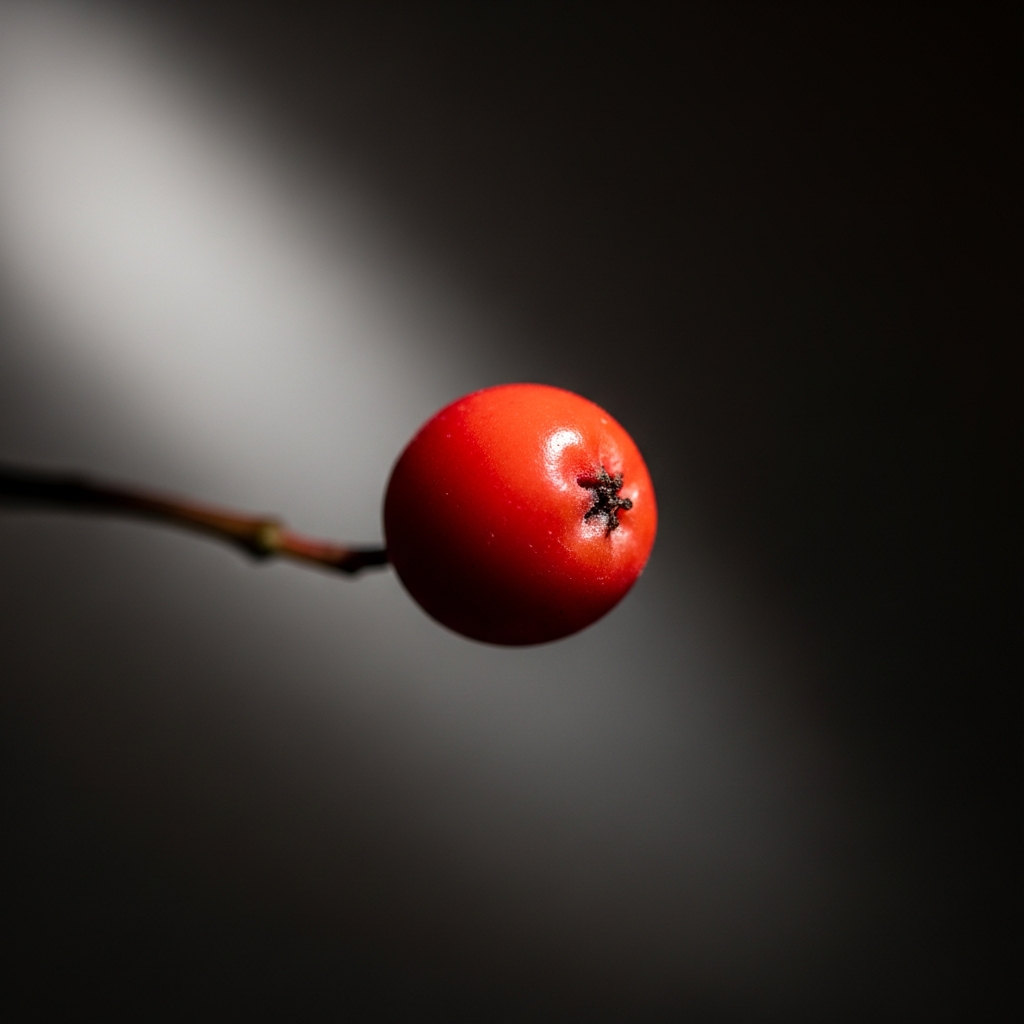
Stoneware mug, dishwasher safe
Buy Mug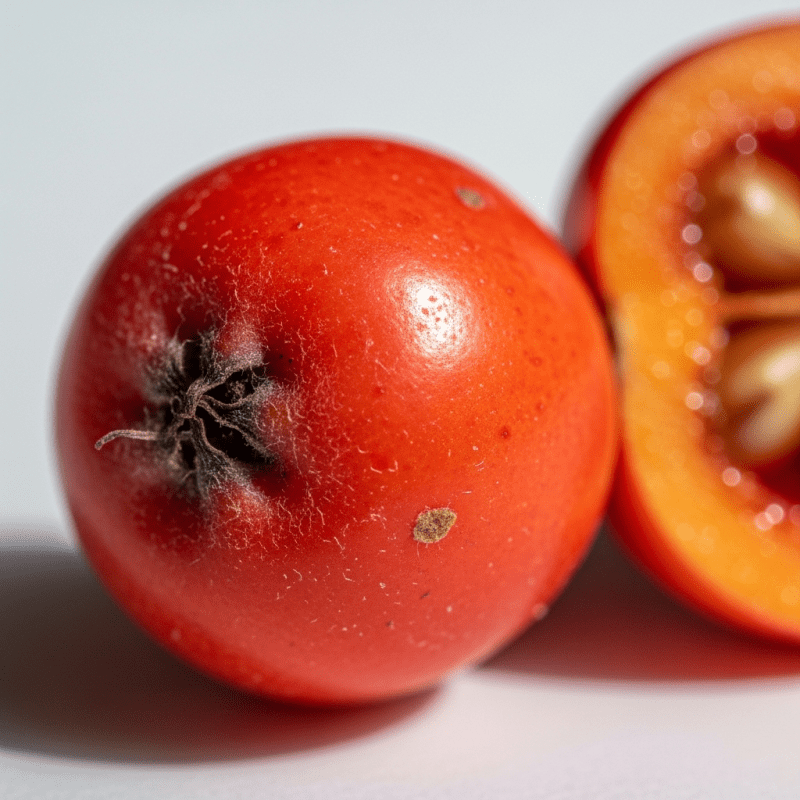
Soft cotton tee, unisex sizes
Buy ShirtRowan berries and trees are woven into the fabric of Celtic, Norse, and Slavic folklore, symbolizing protection and good fortune. In the UK and Ireland, rowan trees were traditionally planted near homes to ward off evil spirits. Their presence in myth, poetry, and ritual underscores their enduring cultural resonance, and they remain a beloved motif in art and seasonal celebrations.
The rowan tree is a deciduous species reaching 10–15 meters in height, with pinnate leaves and clusters of white flowers in spring. Its fruit, the rowan berry, ripens from late summer to autumn, forming dense, bright orange-red corymbs. The berries are small, globose to ovoid, and notably tart due to parasorbic acid, which is reduced by cooking or freezing.

Rowan trees are exceptionally hardy, tolerating cold climates and thriving in a range of soils. They are resistant to many pests but susceptible to fireblight and fungal diseases. Wild trees can yield several kilograms of fruit annually, with productivity varying by cultivar and climate. While easy to grow, the berries’ short shelf life means most are processed soon after harvest.
Rowan berries have limited commercial presence, with most products produced locally or by artisanal makers. Specialty markets may offer rowan preserves, but large-scale cultivation and distribution are rare. Their niche appeal is strongest in regions with deep culinary and cultural traditions surrounding the fruit.
Rowan trees resist many pests but are vulnerable to fireblight and various fungal diseases. The berries themselves have a limited storage life, spoiling rapidly unless processed into preserves or spirits soon after harvest.