
Jostaberry
The Jostaberry is a hybrid berry that blends the flavors and traits of black currant and gooseberry, prized for its vigorous growth, disease resistance, and versatile culinary uses.
The Jostaberry is a hybrid berry that blends the flavors and traits of black currant and gooseberry, prized for its vigorous growth, disease resistance, and versatile culinary uses.
Developed in Germany during the 1970s by Dr. Paul Lorenz at the Institute for Fruit Breeding, the Jostaberry was created by crossing black currant (Ribes nigrum), European gooseberry (Ribes uva-crispa), and North American gooseberry (Ribes divaricatum). Its name is a fusion of the German words for currant (Johannisbeere) and gooseberry (Stachelbeere), reflecting its unique pedigree and continental roots.
Jostaberry is classified as an interspecific hybrid within the Ribes genus, family Grossulariaceae. While not a true botanical berry, it is grouped with soft fruits in culinary and agricultural contexts. Its lineage combines species typically regarded as currants and gooseberries, placing it at the intersection of these two well-known berry groups.
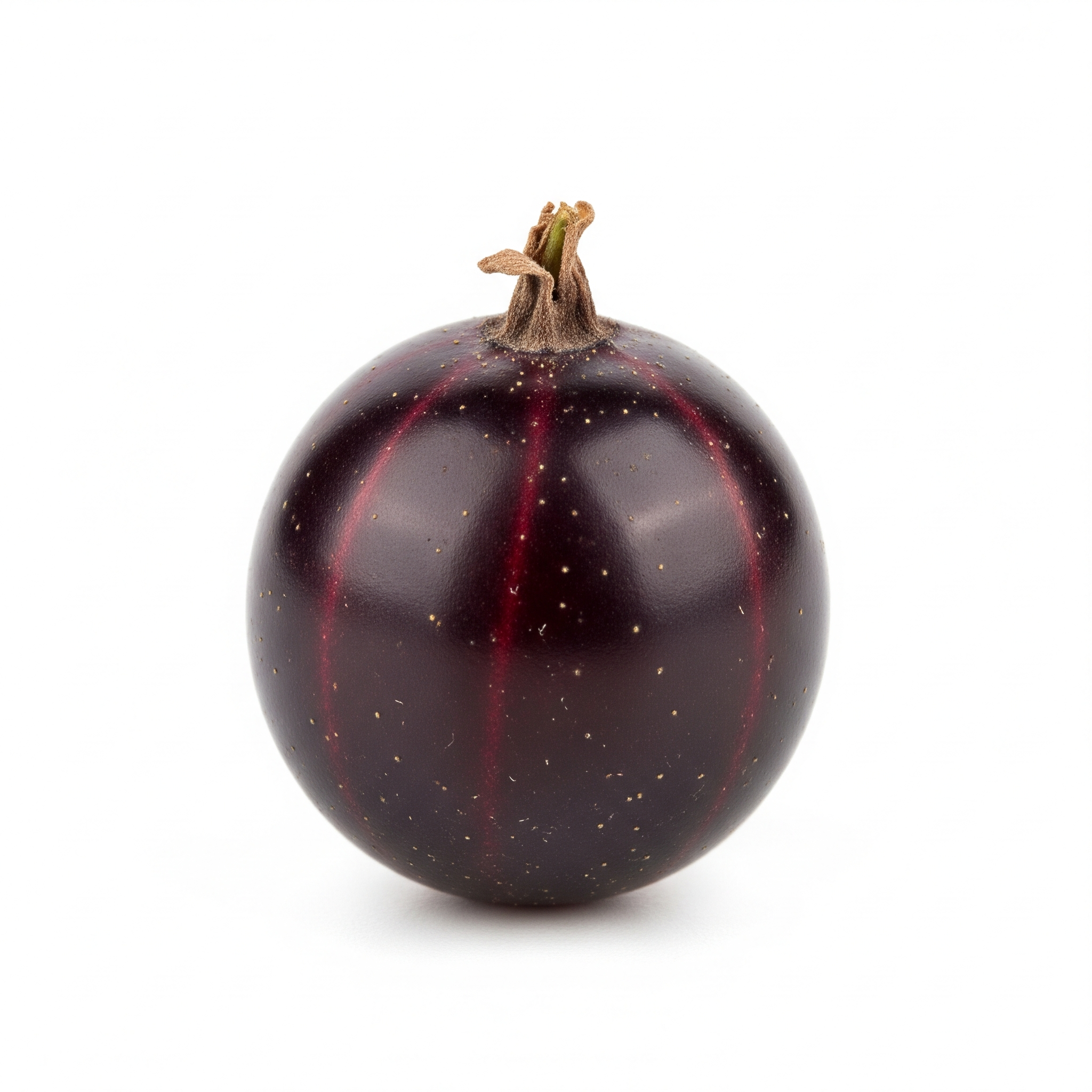
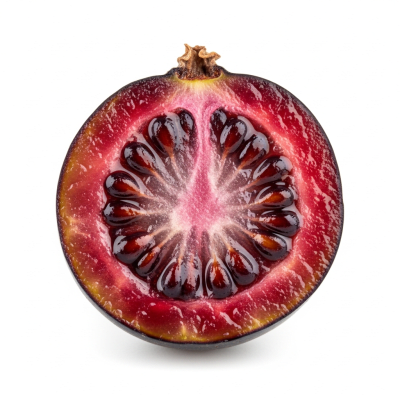
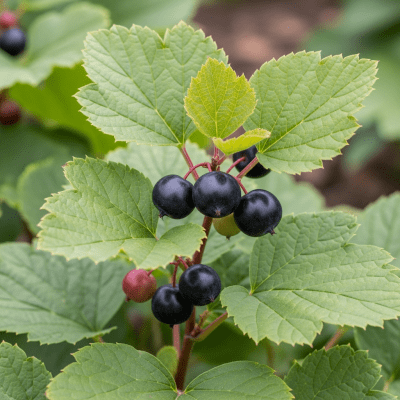
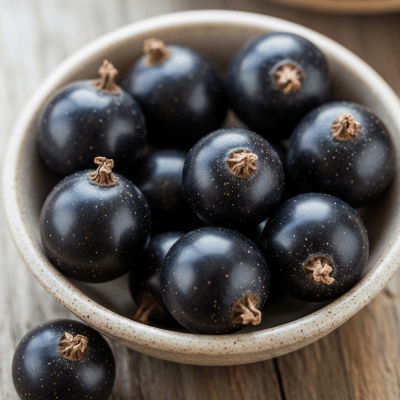
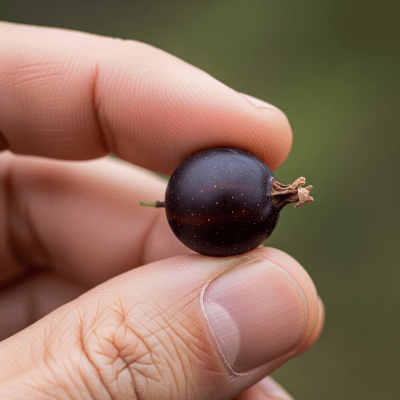
Jostaberry plants are robust, thornless shrubs reaching 1.5–2 meters in height. Their leaves resemble those of currants, while the berries themselves are nearly black to deep purple, measuring 10–15 mm in diameter. The fruit grows in small clusters and offers a tart-sweet flavor, visually and sensorially bridging the gap between its parent species.
Jostaberries are enjoyed both fresh and processed, with their tartness lending itself to jams, jellies, juices, pies, and wine. The plant’s high yield and disease resistance make it popular among home gardeners and specialty growers. Its self-fertility and adaptability to various soils further enhance its utility in diverse environments.
Bring this kind into your world illustrated posters, mugs, and shirts.
Archival print, museum-grade paper
Buy Poster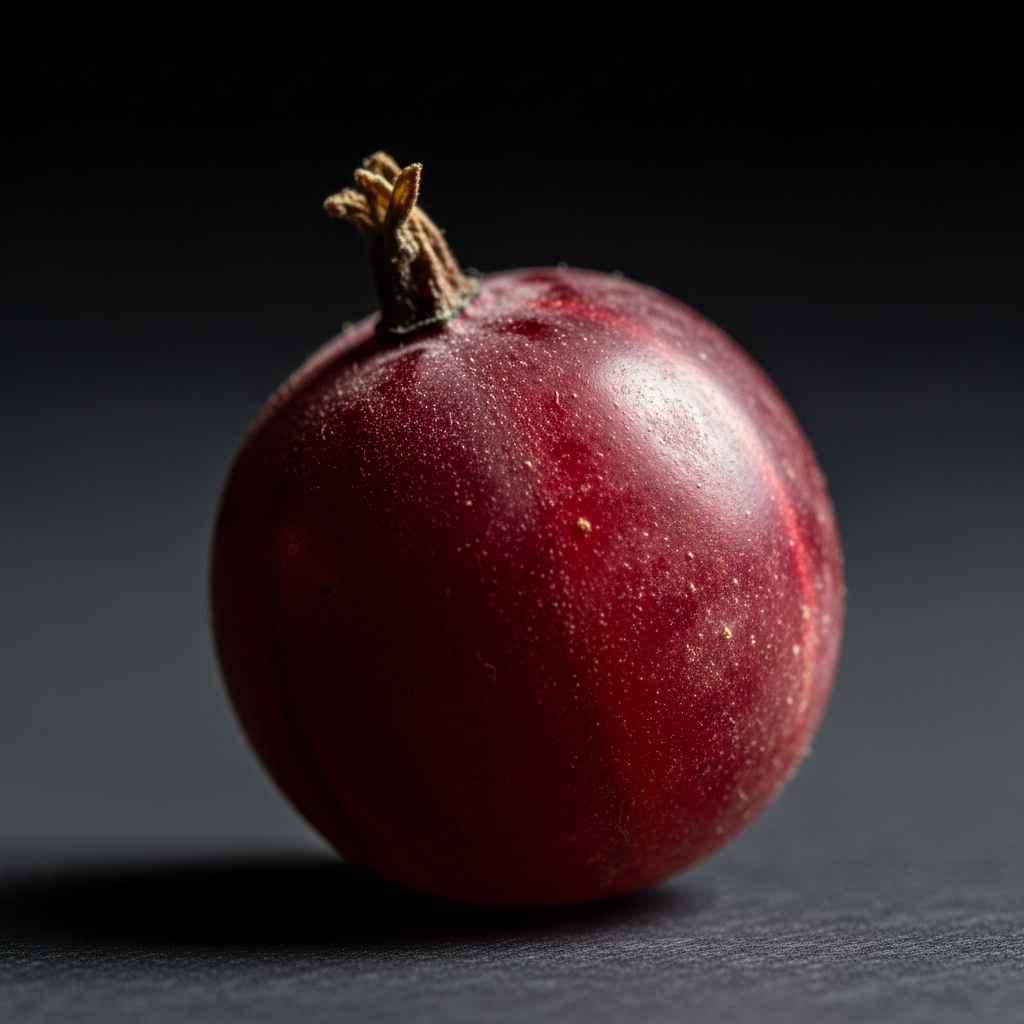
Stoneware mug, dishwasher safe
Buy Mug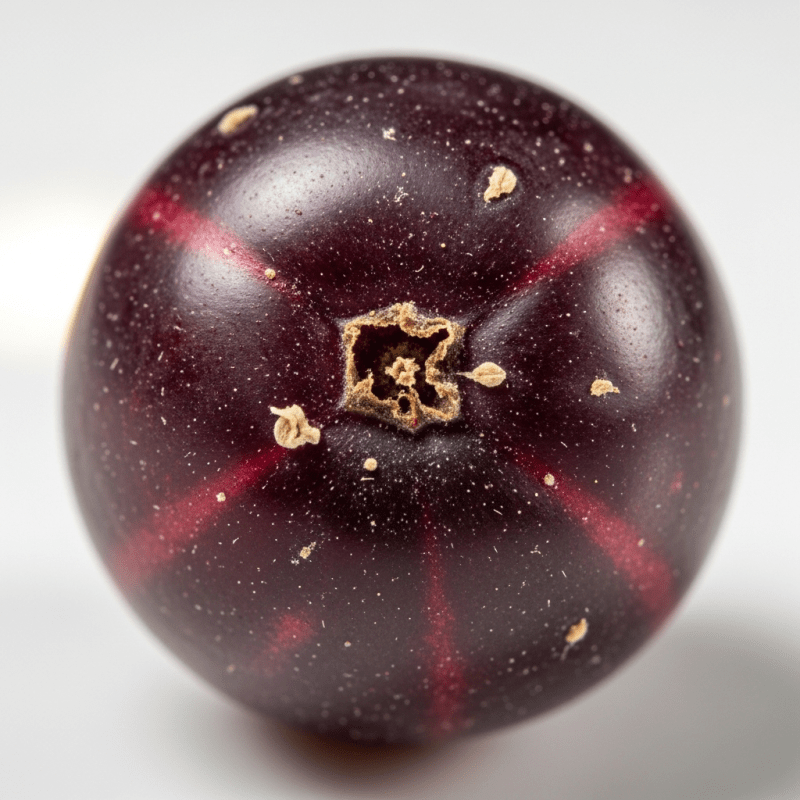
Soft cotton tee, unisex sizes
Buy ShirtWhile the Jostaberry lacks deep folkloric roots due to its recent development, it has gained recognition in European horticulture and home gardening circles. Its name, derived from German, highlights its cultural origins, and its growing popularity in niche markets reflects a modern appreciation for hybrid fruits that combine tradition and innovation.
Jostaberry is a thornless, vigorous shrub reaching up to 2 meters in height. Its leaves resemble currant foliage, and the berries are intermediate in size (10–15 mm), nearly black to deep purple, and borne in small clusters. The plant is self-fertile, ripens in mid- to late summer, and combines the morphological traits of both currant and gooseberry species.

Jostaberry thrives in well-drained, fertile soils but is adaptable to a variety of conditions. It is self-fertile and produces high yields—up to 5–6 kg per bush. The plant exhibits strong resistance to American gooseberry mildew and black currant leaf spot, and tolerates moderate cold. Berries ripen in mid- to late summer and can be stored for several weeks under refrigeration.
Jostaberry is cultivated commercially on a limited scale in Germany, Austria, Switzerland, and the UK. Its primary market is home gardeners and specialty growers, with increasing interest in niche and local markets. The fruit is sometimes sold under proprietary names or as "black gooseberry" in certain regions.
No prominent named cultivars are widely recognized for Jostaberry; most plants are sold under the general hybrid designation. Heritage selections and regional variants are limited or not well documented.
Jostaberry is notable for its strong resistance to American gooseberry mildew and black currant leaf spot. The berries store well for several weeks under refrigeration, making them suitable for both fresh consumption and processing.