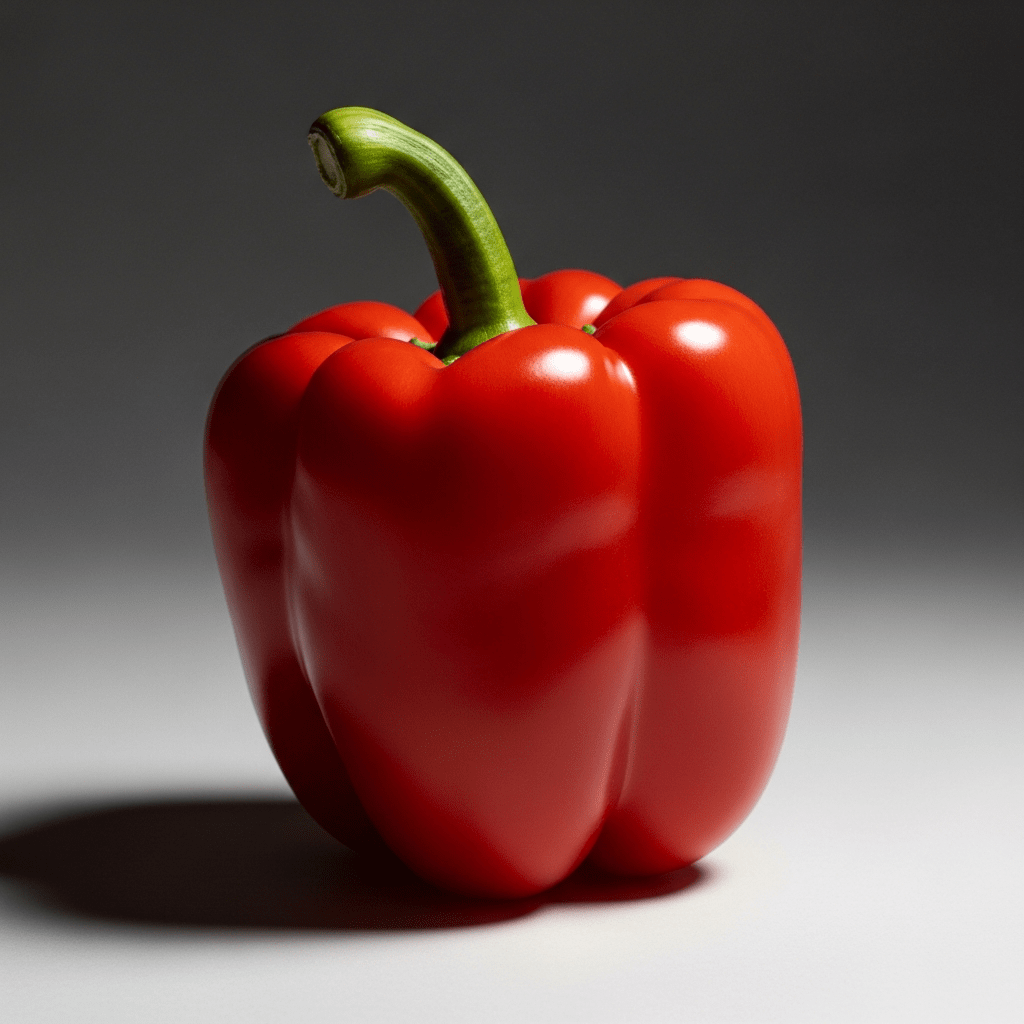
Pepper
Pepper (Capsicum) is a vibrant, versatile fruit botanically classified as a true berry, celebrated worldwide for its range of flavors, colors, and heat levels.
Pepper (Capsicum) is a vibrant, versatile fruit botanically classified as a true berry, celebrated worldwide for its range of flavors, colors, and heat levels.
Native to the Americas, peppers were first domesticated by indigenous peoples in Central and South America over 6,000 years ago, with archaeological traces found in regions now known as Mexico, Peru, and Bolivia. The genus Capsicum diversified through centuries of cultivation, eventually spreading globally via trade and agricultural innovation. Modern breeding programs, led by institutions such as the USDA and CIMMYT, have produced thousands of cultivars suited to climates and cuisines around the world.
Pepper belongs to the genus Capsicum within the Solanaceae family. Botanically, its fruit is a true berry—fleshy and seed-filled—though it is rarely called a "berry" in culinary contexts. Major cultivated species include Capsicum annuum, C. frutescens, C. chinense, C. baccatum, and C. pubescens, each contributing distinct forms and flavors to the global pepper palette.
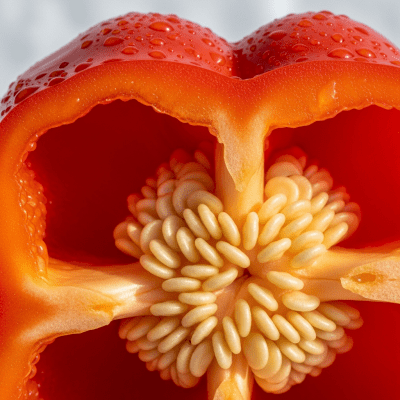
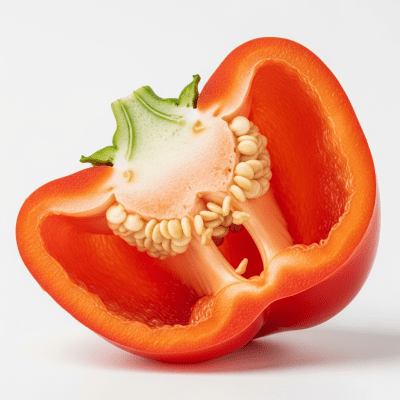
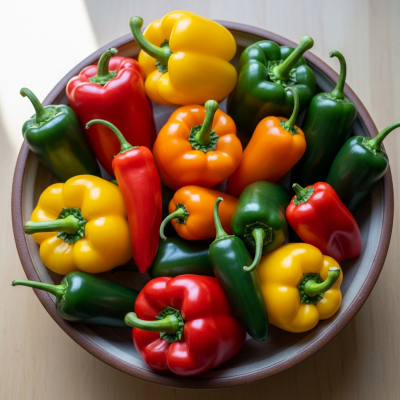
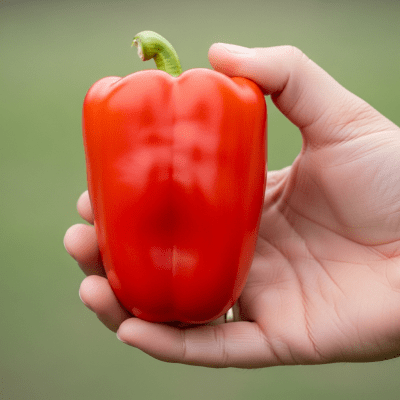
Capsicum fruits are fleshy, hollow, and filled with numerous seeds attached to a central placenta. Their appearance varies dramatically: bell peppers are blocky and sweet, while chili peppers are elongated or conical, ranging from mild to fiercely pungent. The color spectrum spans green, red, yellow, orange, purple, brown, and white, shifting with species and ripeness. The glossy skin and crisp texture make peppers visually striking and appealing in any dish.
Pepper fruits function as both food and spice, consumed fresh, cooked, dried, or processed into powders, sauces, and condiments. Bell peppers are favored for their sweetness and crunch in salads and stir-fries, while chili peppers are prized for their heat, flavor, and ability to transform cuisines. Beyond the kitchen, peppers are used in food coloring (paprika), medicinal products (capsaicin creams), and even as ornamental plants.
Bring this kind into your world illustrated posters, mugs, and shirts.
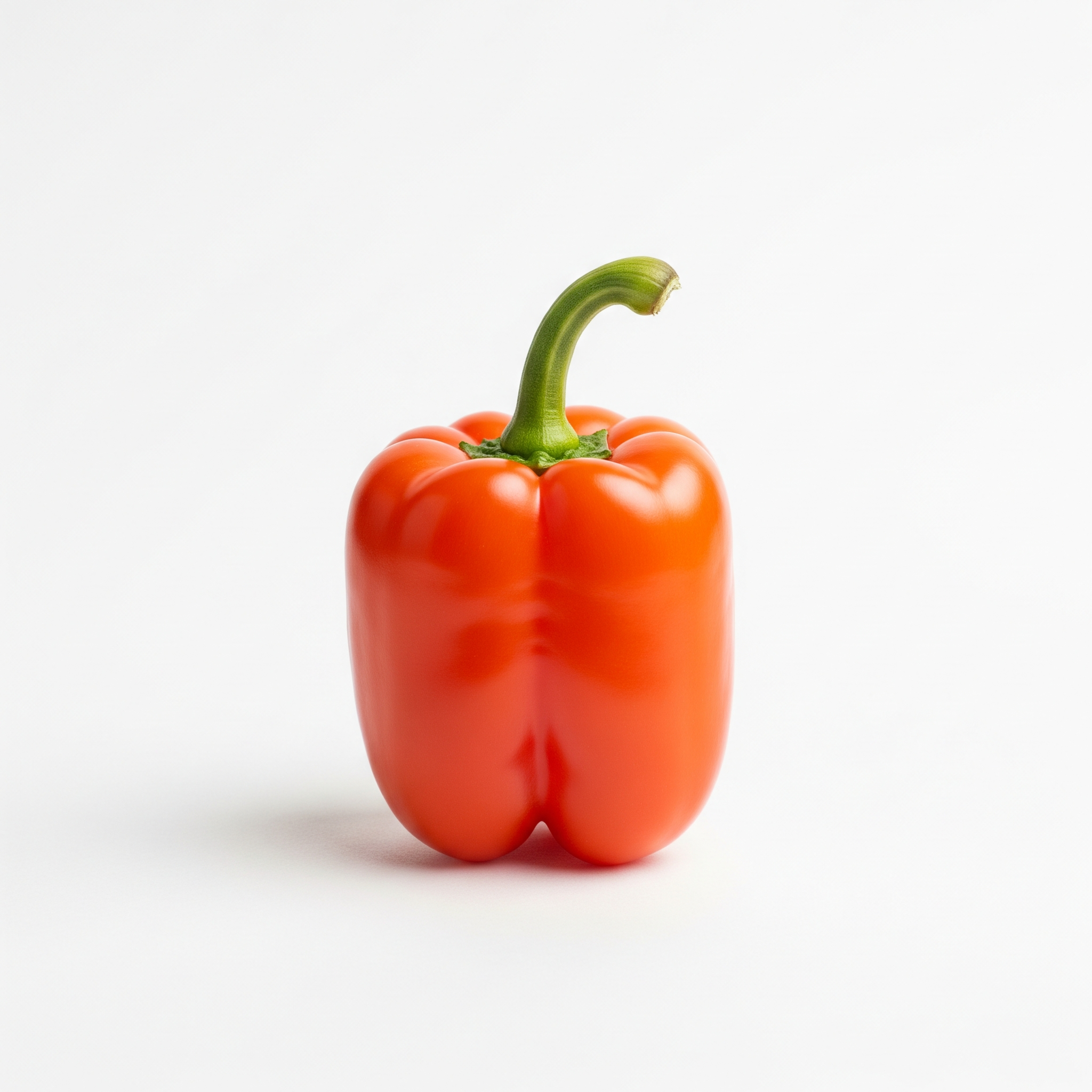
Archival print, museum-grade paper
Buy Poster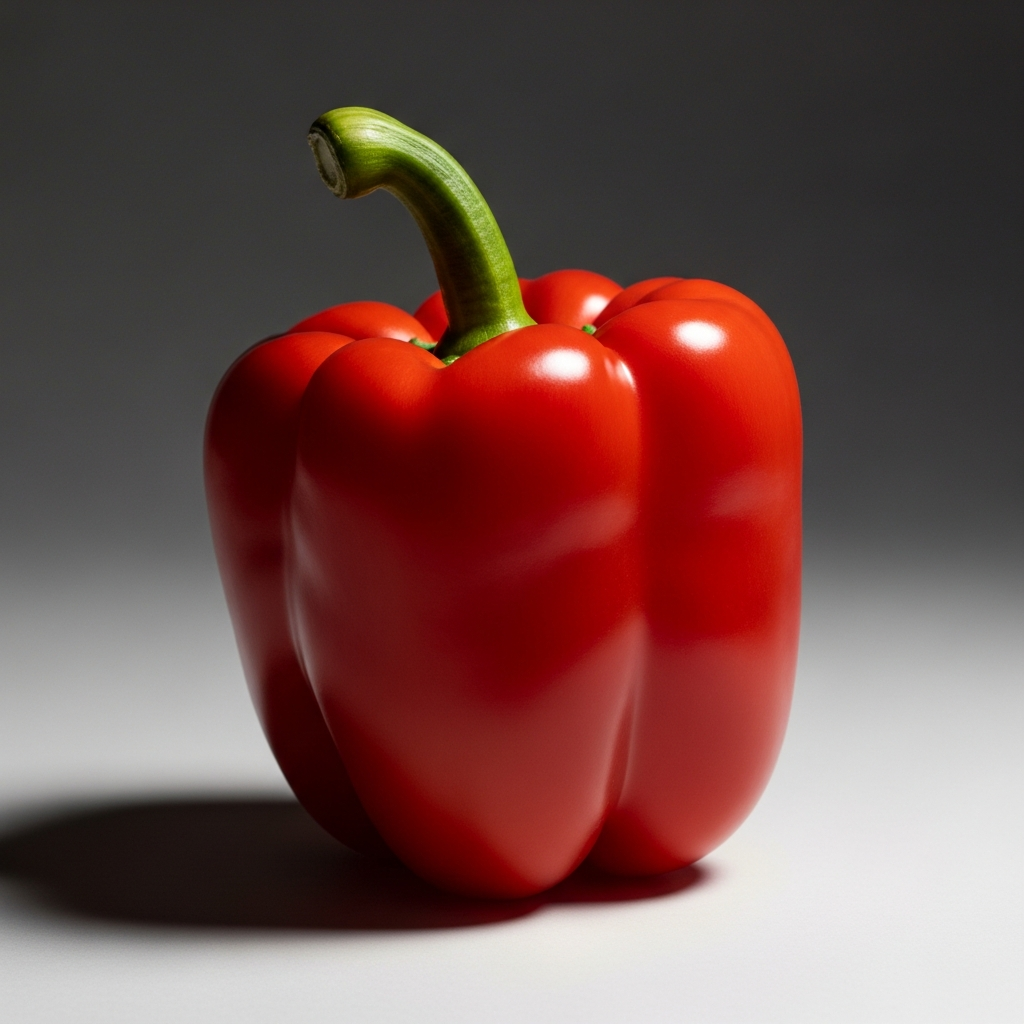
Stoneware mug, dishwasher safe
Buy Mug
Soft cotton tee, unisex sizes
Buy ShirtPepper has shaped culinary traditions, folklore, and trade across continents. Chilis are central to the identity of cuisines in Mexico, India, Thailand, and beyond, symbolizing warmth, vitality, and even status. In art and literature, peppers often represent intensity and passion. Their medicinal use, particularly capsaicin, is woven into traditional remedies and modern health products. Festivals, competitions, and regional specialties celebrate the pepper’s enduring cultural impact.
Pepper fruits are fleshy, hollow berries packed with seeds attached to a central placenta. Their morphology varies: bell peppers are blocky and sweet, chilies are elongated and pungent. The plants range from annual to perennial, growing 30 cm to over 1 m tall. Notable compounds include capsaicinoids (heat) and carotenoids (color), with fruit color shifting dramatically as peppers ripen.
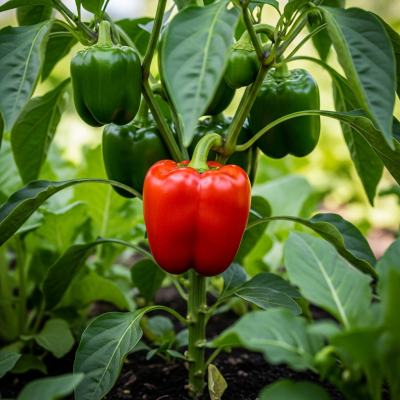
Peppers thrive in warm, frost-free climates with optimal temperatures between 20–30°C. Commercial yields range from 10–30 tons per hectare, depending on cultivar and growing conditions. Disease management is crucial, as peppers are susceptible to bacterial spot, mosaic viruses, and root rot. Select cultivars offer resistance to threats like Tobacco Mosaic Virus. Successful cultivation requires careful temperature control, timely irrigation, and vigilant pest management.
Pepper is a major global commodity, with leading producers including China, Mexico, Turkey, Indonesia, and the United States. The market is divided into sweet peppers (such as bell and pimiento) and hot peppers (jalapeño, habanero, cayenne, and more). Demand is strong for both fresh and processed forms, with peppers featured in international trade, retail, and food service sectors. Their versatility and popularity ensure a robust, dynamic market presence.
Peppers are susceptible to diseases such as bacterial spot, mosaic viruses, and root rot, but some cultivars have been bred for resistance, notably to Tobacco Mosaic Virus. Bell peppers can be stored under refrigeration for 1–2 weeks, while dried chilies maintain quality for several months. Proper handling and disease management are essential for maximizing shelf life and minimizing losses.