
Banana
The banana (Musa spp.) is a globally important fruit, botanically classified as a true berry, and serves as a staple food crop in tropical and subtropical regions.
The banana (Musa spp.) is a globally important fruit, botanically classified as a true berry, and serves as a staple food crop in tropical and subtropical regions.
Bananas trace their origins to Southeast Asia and Papua New Guinea, where wild ancestors such as Musa acuminata and Musa balbisiana were first cultivated over 7,000 years ago. Modern edible bananas are hybrids, primarily Musa × paradisiaca and Musa acuminata, with domestication occurring independently across these regions. Today, their genetic legacy is shaped by centuries of traditional cultivation and ongoing research by global agricultural institutions.
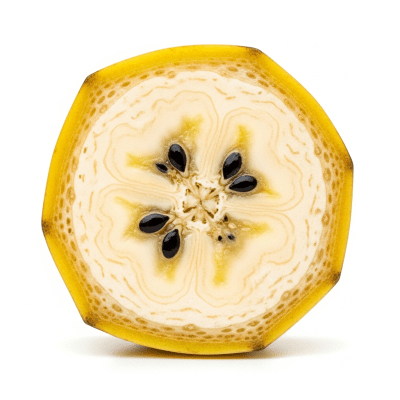
Botanically, the banana is a true berry, belonging to the family Musaceae and genus Musa. While rarely called a berry in culinary contexts, its structure fits the scientific definition: a fleshy fruit developing from a single ovary. In culinary and commercial usage, bananas are distinguished from plantains, with both types falling under the broader berry taxonomy due to their fruit morphology.
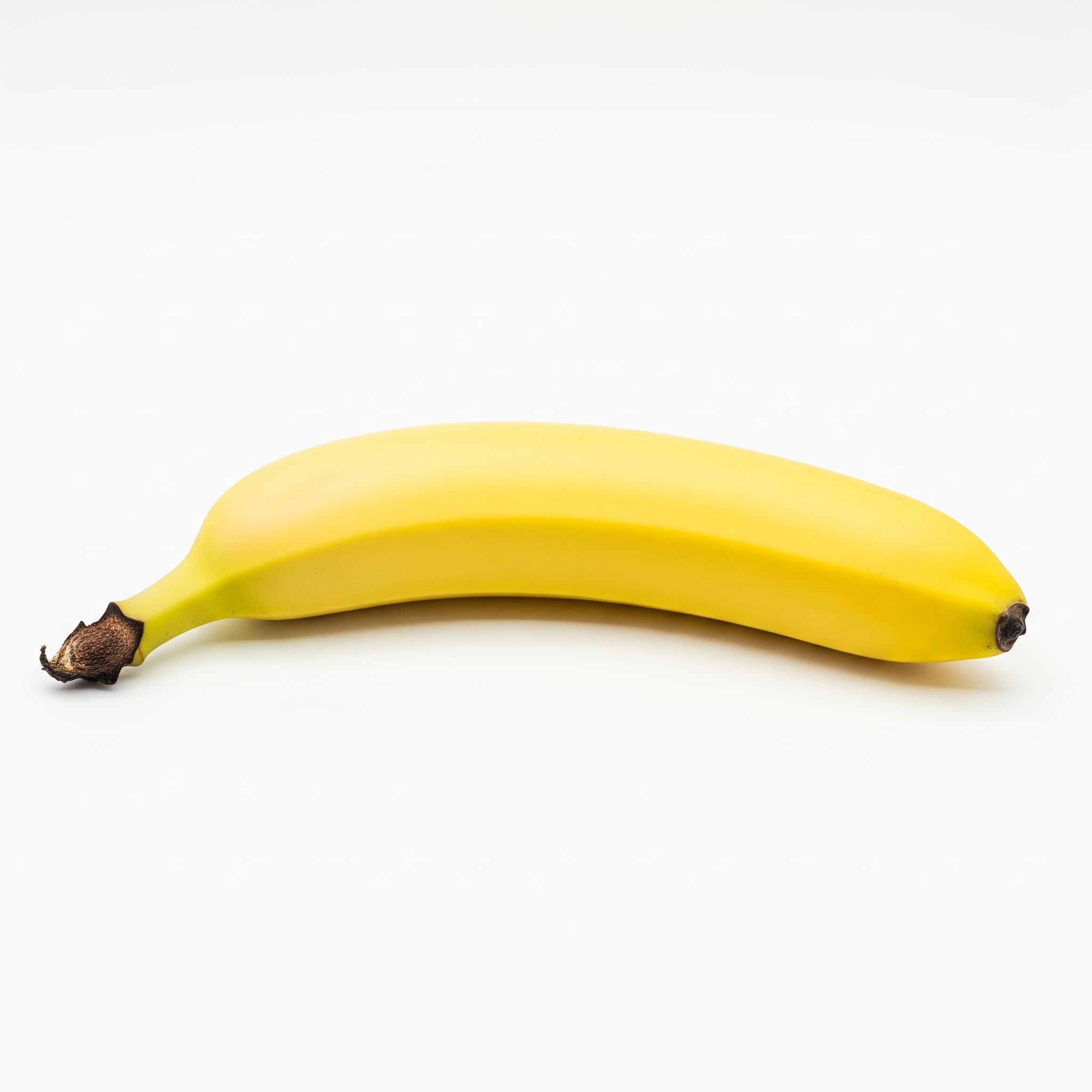
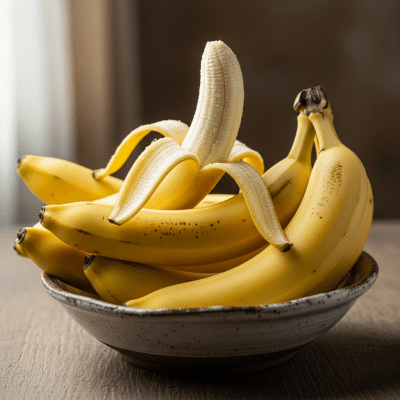
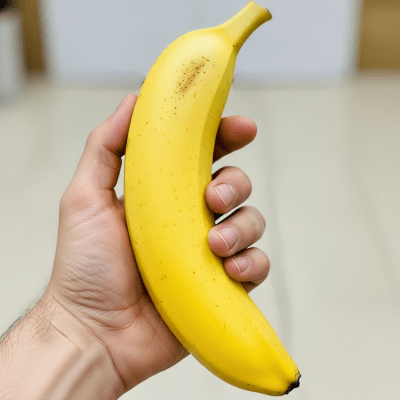
Bananas are elongated, slightly curved berries measuring 7–20 cm in length. Their peel ranges in color from yellow and green to red and purple, depending on the cultivar. The flesh inside is soft and starchy, and bananas grow in clusters known as "hands," each containing up to 20 fruits. The plant itself is a large, lush herbaceous perennial, often reaching heights of 2–9 meters.
Bananas are remarkably versatile: eaten fresh, cooked, dried, or processed into chips, flour, and puree. Dessert bananas are enjoyed raw or in baked goods, while plantains are typically fried, boiled, or baked as a staple carbohydrate in many cultures. Their ease of propagation by vegetative suckers and high yield makes them a reliable food source, and their rapid post-harvest ripening requires careful handling and storage.
Bring this kind into your world illustrated posters, mugs, and shirts.
Archival print, museum-grade paper
Buy Poster
Stoneware mug, dishwasher safe
Buy Mug
Soft cotton tee, unisex sizes
Buy ShirtBananas hold deep cultural significance worldwide. They appear in folklore, art, and religious traditions, symbolizing fertility and abundance. In many tropical countries, bananas are integral to daily cuisine and rituals. The fruit’s image is iconic in popular culture, from comedic banana peels to motifs in music and literature, reflecting its ubiquity and enduring appeal.
Banana plants are large herbaceous perennials with pseudostems formed from tightly packed leaf bases. The fruit is an elongated berry with a soft, starchy interior and a peel that varies in color by cultivar. Bananas grow in clusters, and most edible varieties are sterile triploids, requiring vegetative propagation. Their rapid growth and lush foliage make them distinctive among berry-producing plants.

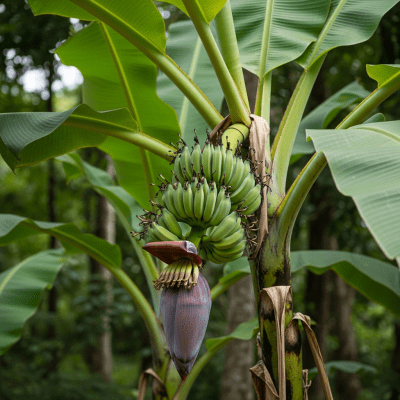
Bananas thrive in warm, humid climates with deep, fertile soils and regular irrigation. Cultivation relies on vegetative propagation via suckers, as most edible types do not produce viable seeds. Each plant yields 1–2 hands of fruit per season. Disease management is crucial, with ongoing efforts to breed resistance to threats like Panama disease, Black Sigatoka, and Banana Bunchy Top Virus. Proper post-harvest handling is essential to prevent bruising and manage ethylene-induced ripening.
Bananas are among the most traded fruits globally, with major producers including India, China, Indonesia, the Philippines, and Ecuador. The Cavendish cultivar dominates international markets due to its durability and uniformity, but local varieties are vital for regional consumption. Bananas are a staple in both subsistence agriculture and large-scale commercial production, reflecting their economic and nutritional importance.
Bananas are vulnerable to diseases such as Panama disease (Fusarium wilt), Black Sigatoka, and Banana Bunchy Top Virus. Breeding programs are developing resistant cultivars to safeguard crops. Post-harvest, bananas are sensitive to bruising and ethylene-induced ripening, resulting in a shelf life of 1–2 weeks under optimal conditions. Proper handling and storage are essential to maintain quality and minimize losses.