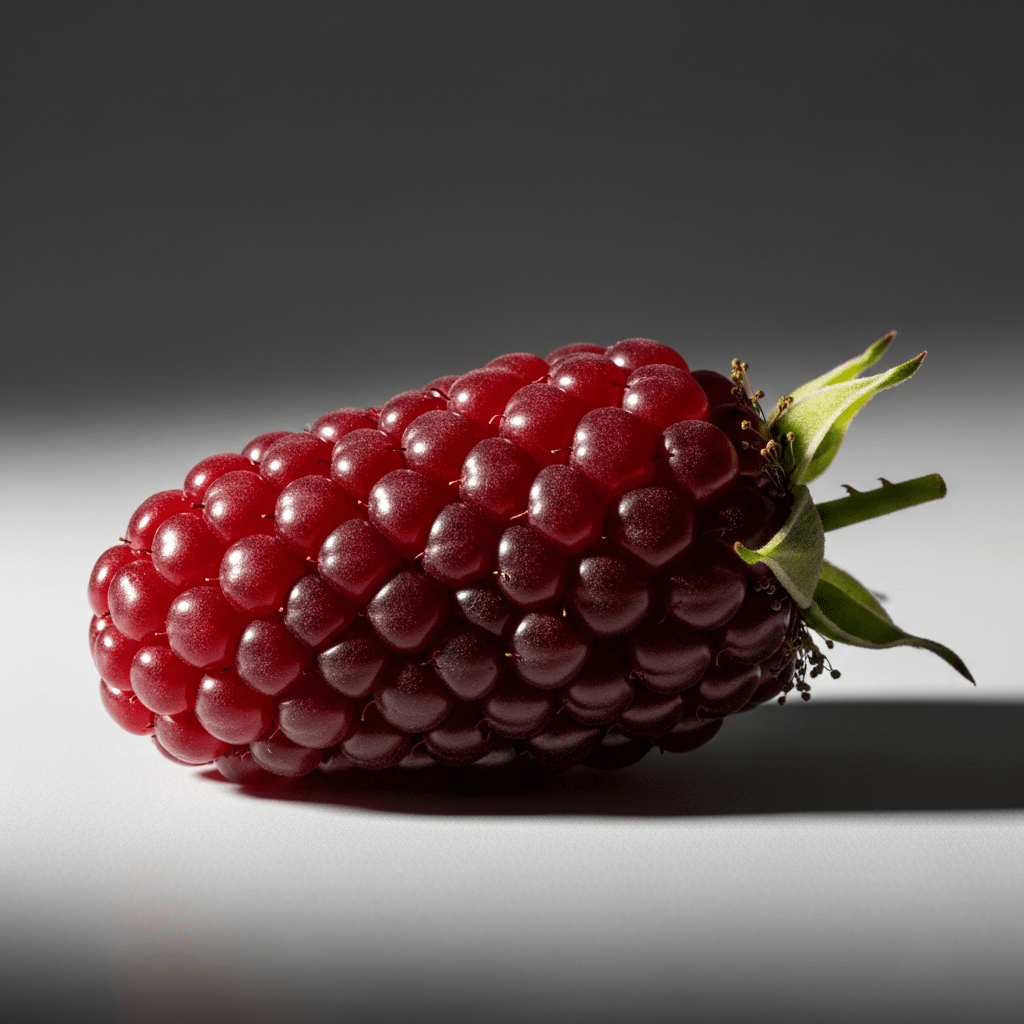
Loganberry
The loganberry is a hybrid berry prized for its deep red color, tart-sweet flavor, and unique origin as a cross between raspberry and blackberry.
The loganberry is a hybrid berry prized for its deep red color, tart-sweet flavor, and unique origin as a cross between raspberry and blackberry.
Loganberry was discovered in 1881 by Judge James Harvey Logan in Santa Cruz, California, USA. It originated from an accidental cross between the North American blackberry (Rubus ursinus) and the European raspberry (Rubus idaeus), grown from seed in Judge Logan’s garden. This serendipitous hybridization marked a milestone in berry breeding, with the berry named in honor of its creator.
Loganberry belongs to the Rubus genus and is classified as an aggregate fruit—a hybrid between Rubus idaeus (raspberry) and Rubus ursinus (blackberry). While not a true botanical berry, it is widely recognized in culinary and horticultural contexts as part of the broader berry family.
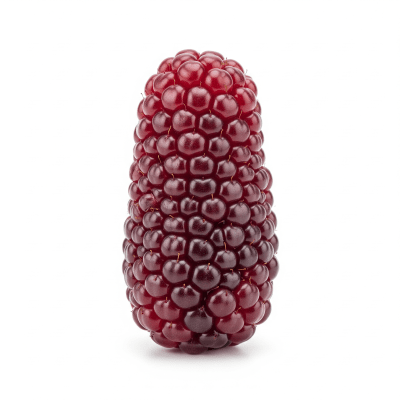
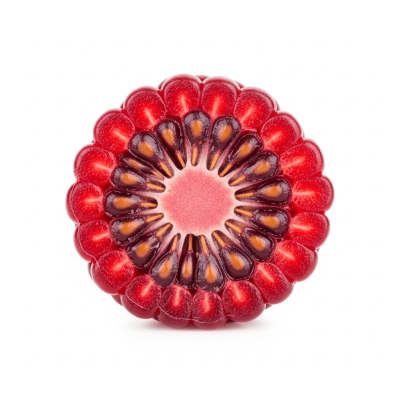
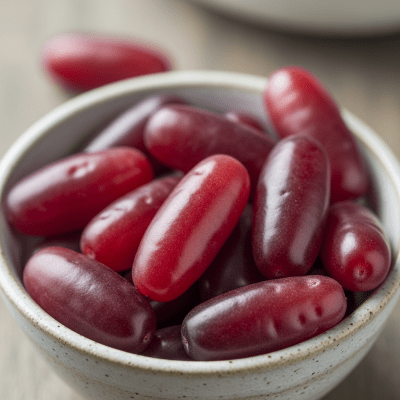
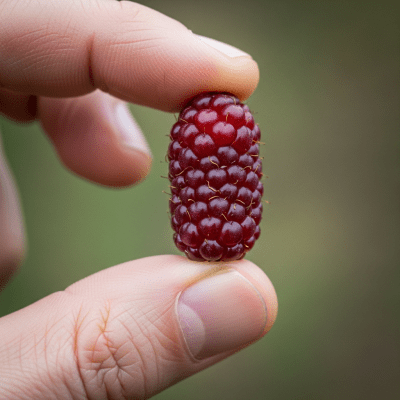
Loganberries are elongated and conical, typically measuring 2–3 cm in length. When ripe, they display a striking dark red to purplish hue. The berries are composed of multiple drupelets, giving them a textured surface, and their juicy flesh offers a vibrant, tart-sweet flavor reminiscent of both parent fruits.
Loganberries are enjoyed fresh but are especially valued for processing into jams, jellies, syrups, pies, wines, and juices. Their soft texture and short shelf life make them ideal for immediate consumption or artisanal food production, rather than long-distance shipping. The plant itself is vigorous and self-fertile, thriving in temperate climates and home gardens.
Bring this kind into your world illustrated posters, mugs, and shirts.
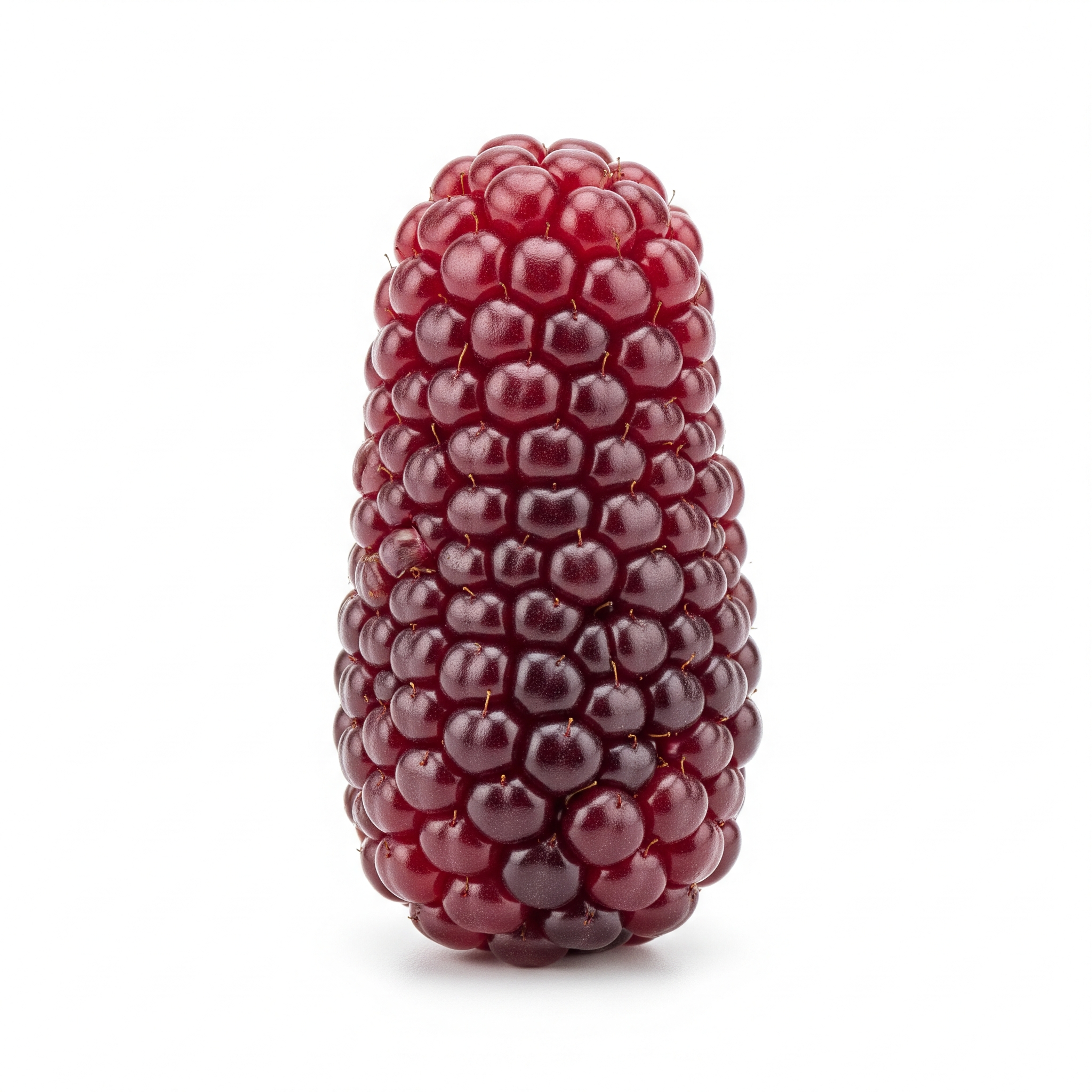
Archival print, museum-grade paper
Buy Poster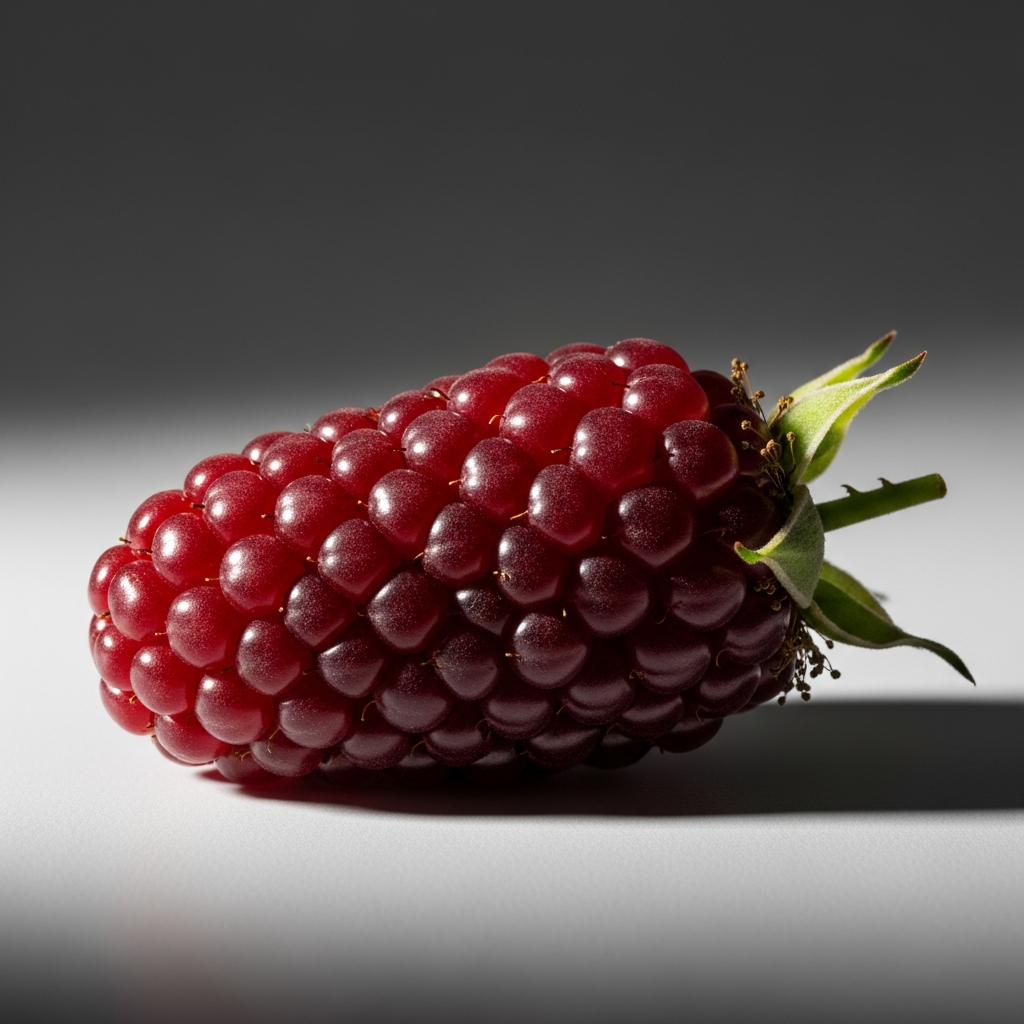
Stoneware mug, dishwasher safe
Buy Mug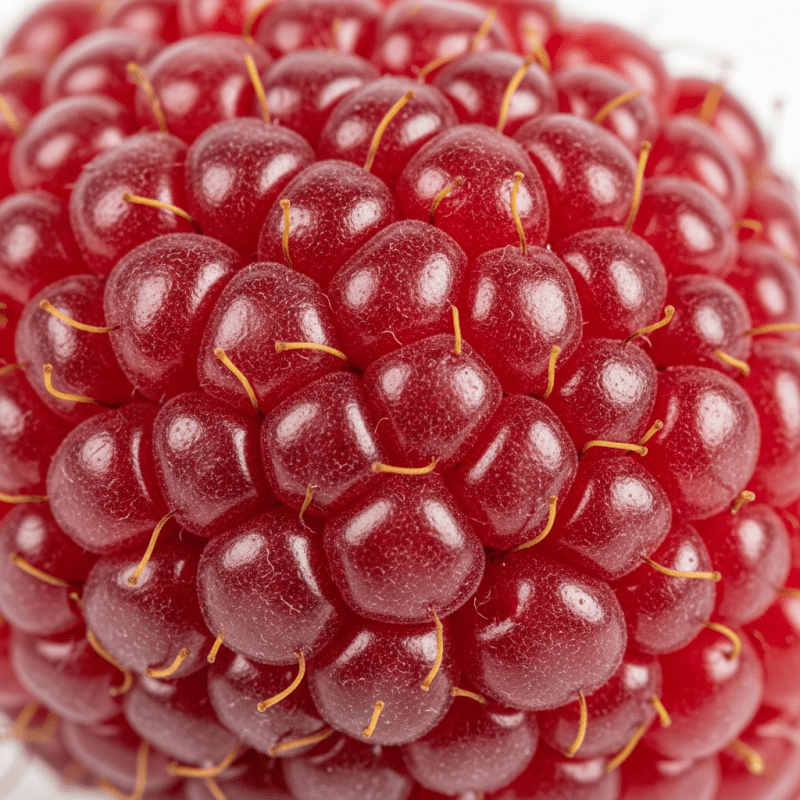
Soft cotton tee, unisex sizes
Buy ShirtLoganberry holds regional significance, particularly in Western New York, the United Kingdom, and New Zealand. In the UK, it is a favorite among home gardeners and allotment growers, while in New Zealand, it features in local cuisine and commercial production. Its legacy as an early hybrid and its eponymous connection to Judge Logan add to its cultural intrigue.
Loganberry plants are vigorous and semi-erect, with thorny canes reaching up to 2–3 meters. The berries are aggregate fruits made up of multiple drupelets, elongated in shape, and dark red to purplish when ripe. The plant is self-fertile, flowers in late spring, and produces fruit in midsummer. Its flavor is a distinctive tart-sweet blend of raspberry and blackberry.

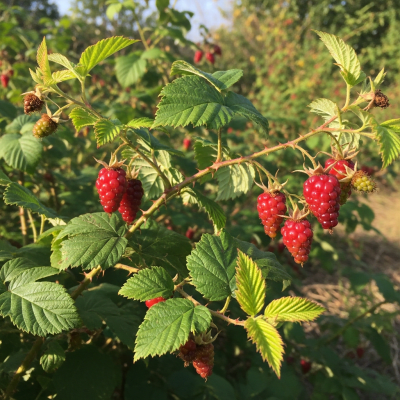
Loganberries thrive in temperate climates and are well-suited to home gardens and small-scale farms. They yield moderate to high crops and show good resistance to some cane diseases, though are susceptible to botrytis and cane blight. The berries are soft and perishable, requiring prompt harvest and consumption or processing. Their vigorous growth and self-fertility make them accessible to both amateur and professional growers.
Loganberries have a niche but enduring market presence, especially in Western New York, the UK, and New Zealand. Commercial cultivation is modest, with most berries sold through specialty markets, local farm stands, and for artisanal food production. Their distinctive flavor and color make them sought after by home cooks and small producers, though large-scale distribution is limited due to their delicate nature.
No widely recognized loganberry cultivars are documented; most plants trace directly to the original hybrid discovered by Judge Logan. Regional selections may exist, but heritage identifiers are not prominent in the literature.
Loganberry plants exhibit good resistance to some common cane diseases but are susceptible to botrytis and cane blight. The berries themselves have a short storage life, being soft and highly perishable. They are best consumed soon after harvest or processed promptly, as they do not withstand long-distance shipping or extended storage.