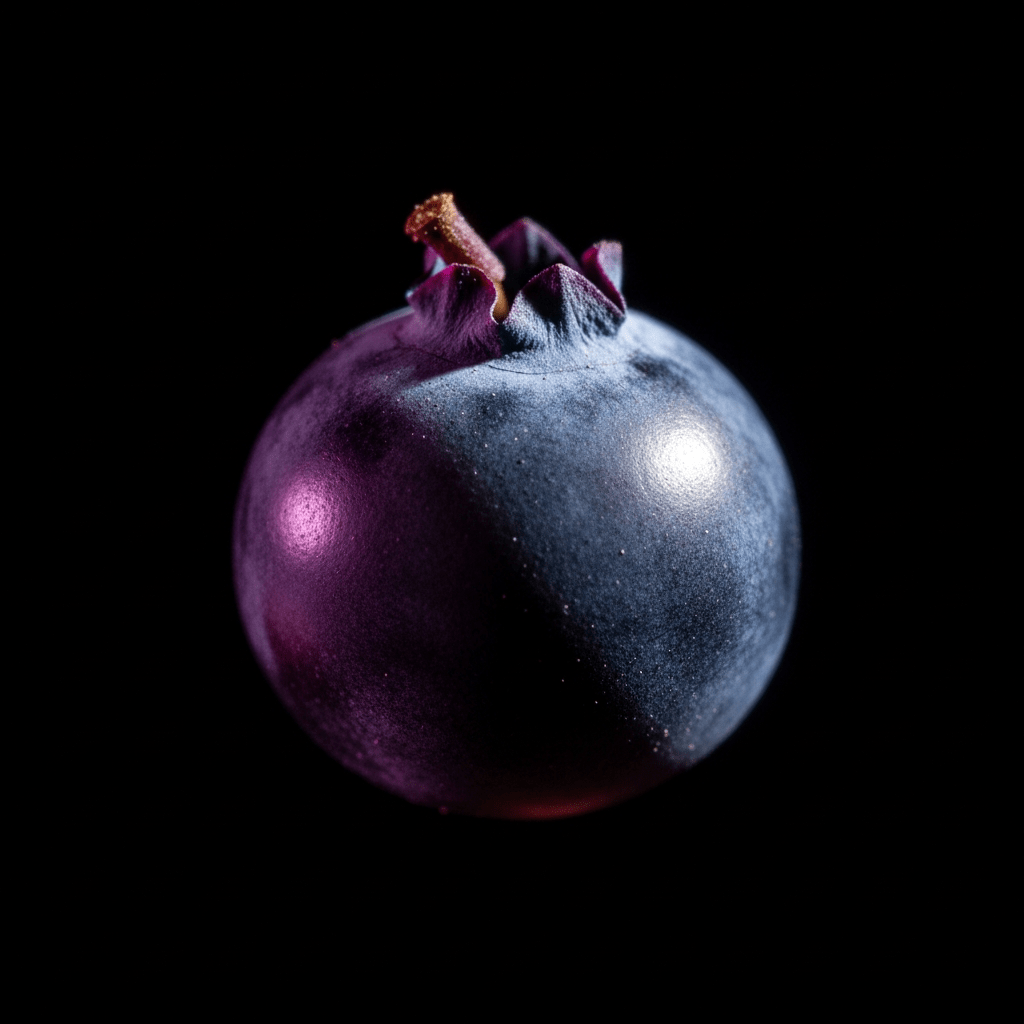
Bilberry
Bilberry (Vaccinium myrtillus) is a wild European berry prized for its deep blue color, tart flavor, and cultural and medicinal significance.
Bilberry (Vaccinium myrtillus) is a wild European berry prized for its deep blue color, tart flavor, and cultural and medicinal significance.
Bilberry is native to Europe and parts of Asia, thriving in forests and heathlands. Scientifically described by Carl Linnaeus in 1753, it is a naturally occurring wild species with centuries of use in local diets and folk medicine. Unlike many modern berries, bilberry was never bred for cultivation but has remained a staple of wild foraging, especially in northern and central European regions.
Bilberry belongs to the genus Vaccinium within the family Ericaceae, placing it among relatives like blueberry and cranberry. While it is considered a true berry botanically, its culinary identity often overlaps with other small fruits. The species name is Vaccinium myrtillus, and it is recognized for its distinct lineage apart from cultivated blueberries.
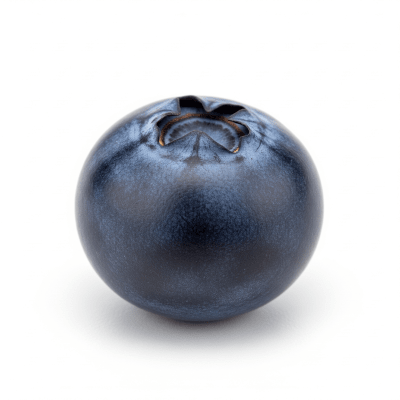
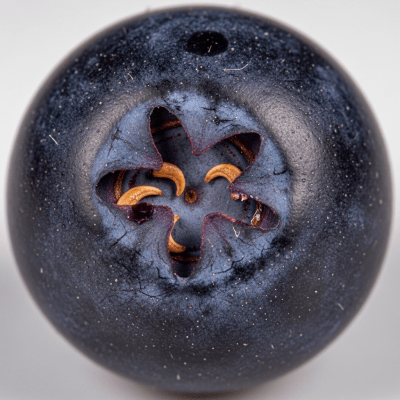
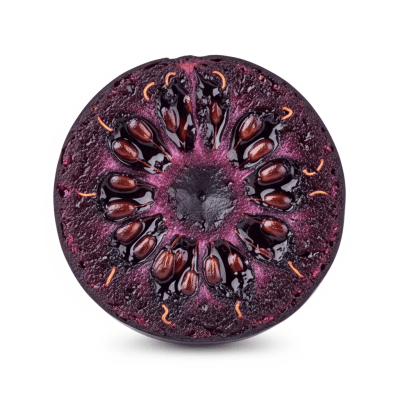
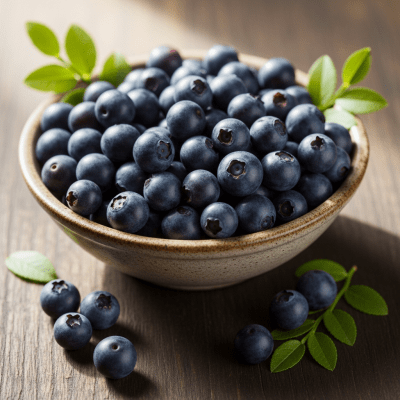
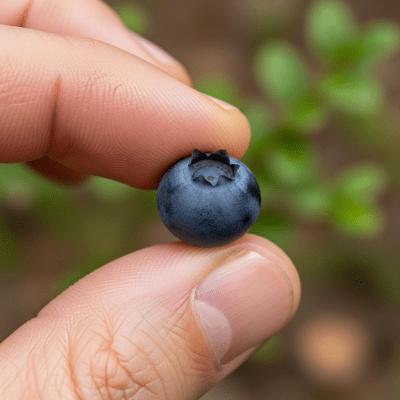
Bilberries are small, round berries measuring 5–8 mm in diameter, with dark blue to nearly black skin and vibrant red-purple flesh. The berries grow singly or in pairs on low, deciduous shrubs (15–60 cm tall) with oval, finely serrated leaves that turn red in autumn. Their deep color signals a high anthocyanin content, and their tart, intense flavor sets them apart from sweeter cultivated blueberries.
Bilberries are primarily wild-foraged rather than farmed, reflecting their adaptation to acidic, nutrient-poor soils and cool climates. Humans interact with bilberries by harvesting them for fresh consumption, processing into jams and baked goods, and using extracts in herbal medicine. In the environment, bilberry shrubs contribute to forest and heathland ecosystems, supporting wildlife and soil health.
Bring this kind into your world illustrated posters, mugs, and shirts.
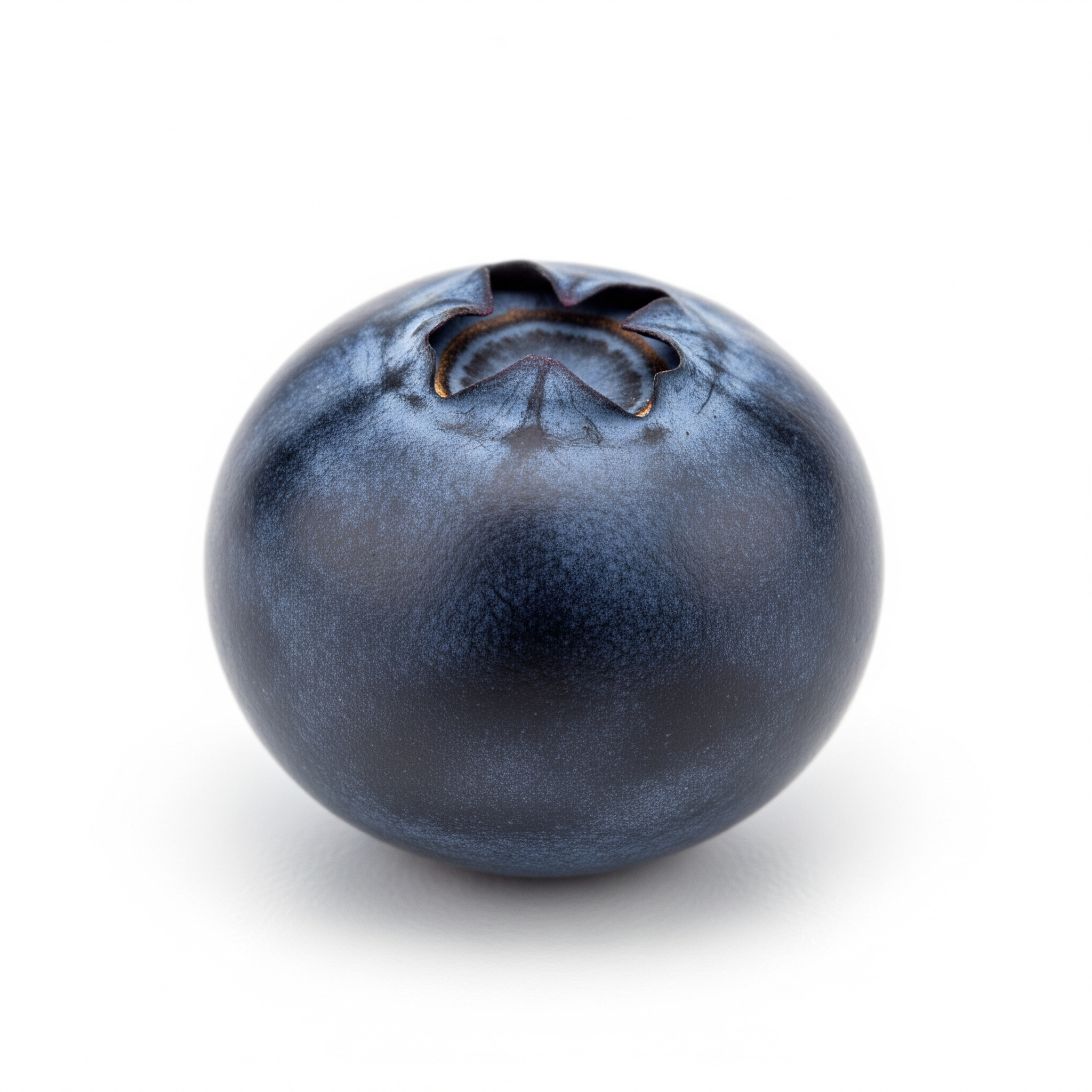
Archival print, museum-grade paper
Buy Poster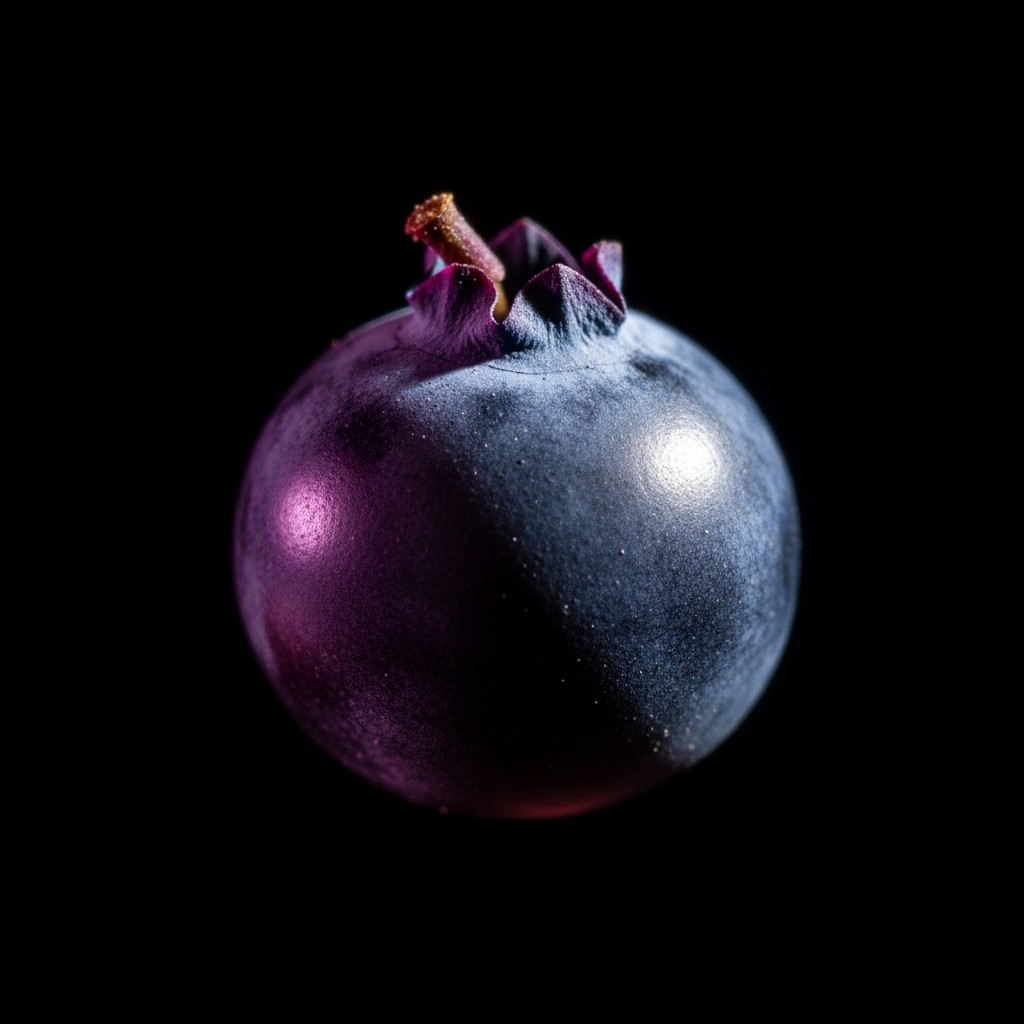
Stoneware mug, dishwasher safe
Buy Mug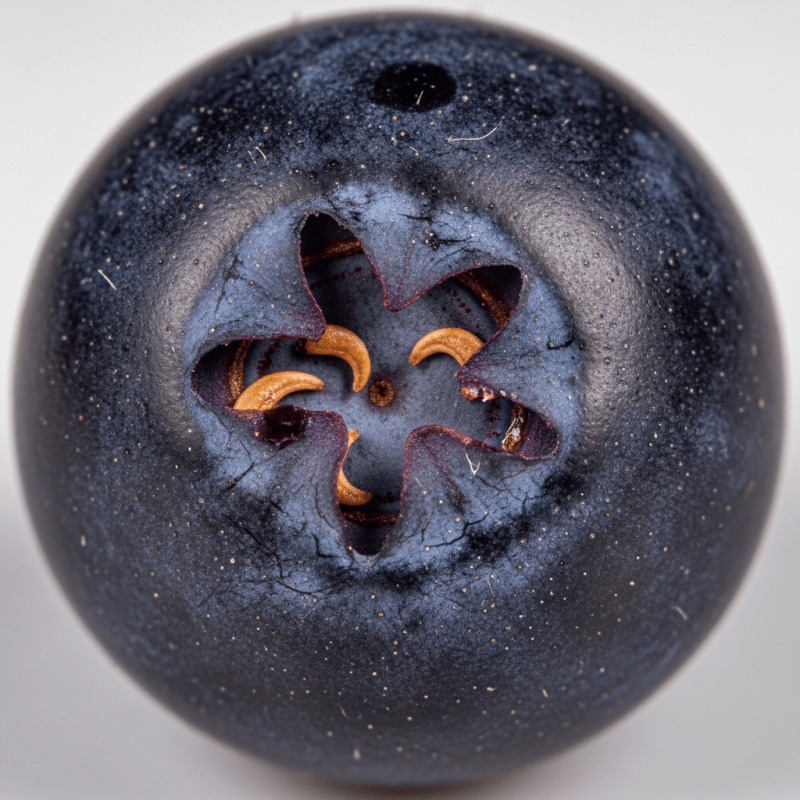
Soft cotton tee, unisex sizes
Buy ShirtBilberry holds a cherished place in European folklore, cuisine, and traditional medicine. In Scandinavian and Baltic countries, it features in classic desserts, festivals, and stories. Historically, bilberry has been used as a remedy for eye health and circulatory issues, and its presence in local markets and kitchens reflects enduring cultural value. Regional names like blaeberry, Heidelbeere, and myrtilles highlight its deep roots in local traditions.
Bilberry is a low-growing, deciduous shrub with small, oval, finely serrated leaves that redden in autumn. The berries are round, 5–8 mm in diameter, with dark blue to black skin and red-purple flesh. They grow singly or in pairs, not in clusters. High anthocyanin content gives bilberries their intense color and antioxidant properties. The plant is adapted to acidic, nutrient-poor soils and cool temperate climates.
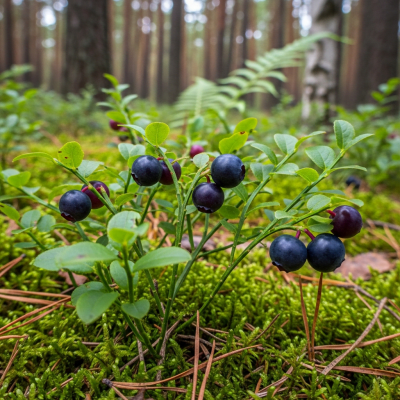
Bilberry thrives in wild, acidic soils of forests, moorlands, and heathlands, preferring cool temperate climates. It is not widely cultivated due to its specific habitat requirements and relatively low yields compared to commercial blueberries. Most bilberries are foraged from the wild. The species shows resistance to some pests but can be vulnerable to fungal diseases in wet conditions. Harvested berries are highly perishable and require prompt processing or consumption.
Bilberries are mostly wild-harvested and sold in local markets throughout Europe and parts of Asia. Large-scale commercial cultivation is rare, limiting their availability outside native regions. However, bilberry extracts and supplements are marketed internationally, capitalizing on their reputation for antioxidant content and health benefits. The berry’s market presence is strongest in countries with established foraging traditions and local demand.
Bilberry is a wild species with no widely recognized cultivars or bred varieties. Its genetic diversity is maintained through natural populations rather than selective breeding, distinguishing it from domesticated relatives like the blueberry.
Bilberry plants are naturally resistant to some pests due to their wild habitat but are susceptible to fungal diseases, especially in wet conditions. The berries are highly perishable, with a short storage life; they are best consumed fresh or processed soon after harvest to preserve flavor and nutritional value.