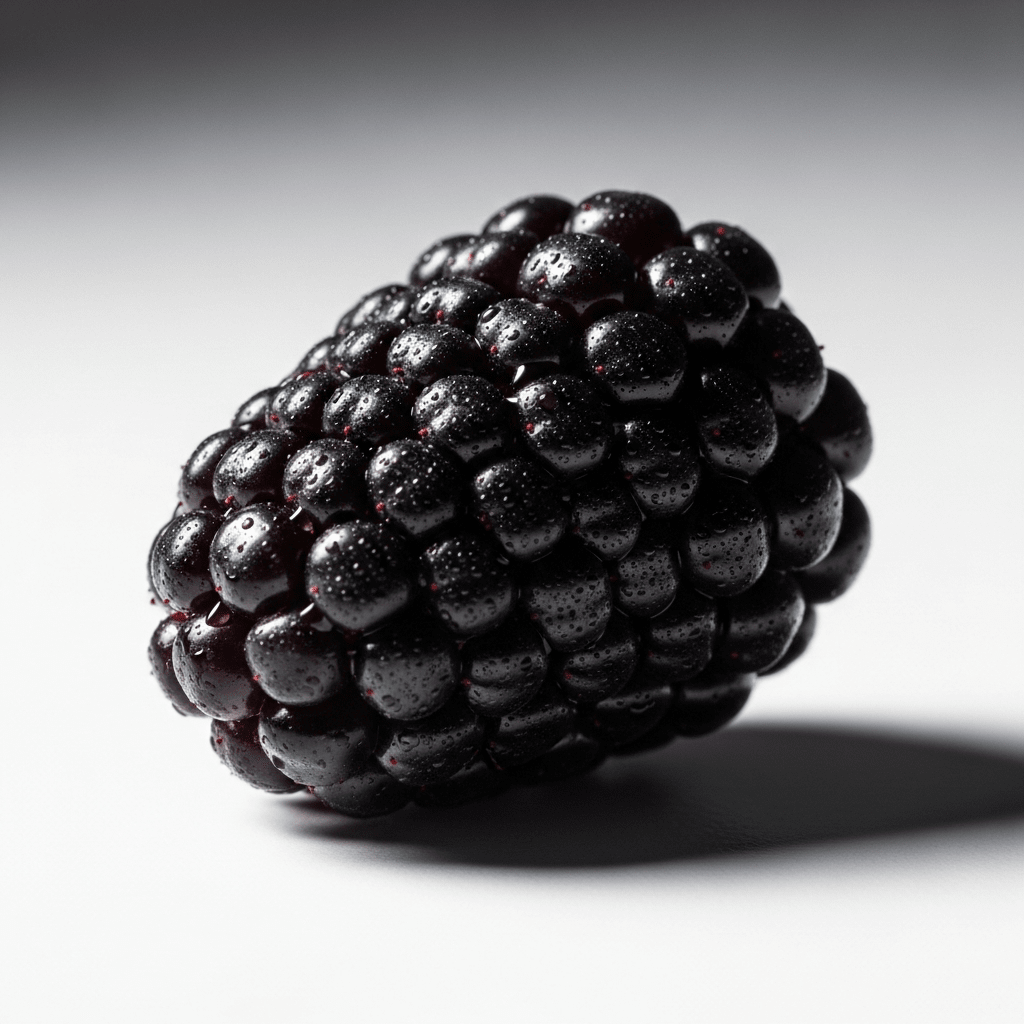
Boysenberry
The boysenberry is a large, dark reddish-purple hybrid berry celebrated for its sweet-tart flavor, juiciness, and versatility in culinary and agricultural contexts.
The boysenberry is a large, dark reddish-purple hybrid berry celebrated for its sweet-tart flavor, juiciness, and versatility in culinary and agricultural contexts.
Boysenberry traces its roots to Anaheim, California, where Rudolph Boysen developed the berry in the early 1920s by crossing several Rubus species, including European raspberry, Pacific blackberry, dewberry, and loganberry. Its commercial breakthrough came in the 1930s when Walter Knott cultivated and popularized it at Knott’s Berry Farm, cementing its legacy as a uniquely American fruit with a storied heritage.
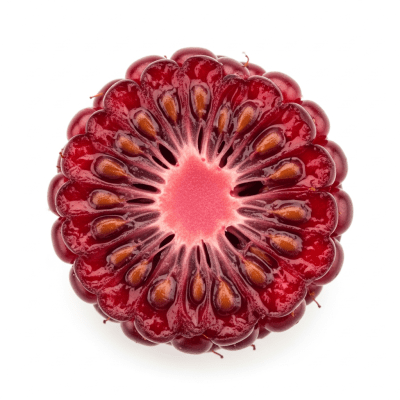
Botanically, boysenberry is an aggregate fruit within the Rubus genus, a member of the bramble family. While not a true berry by strict botanical standards, it is classified as such in culinary and agricultural circles due to its appearance and usage. Its hybrid origin blends traits from raspberry, blackberry, dewberry, and loganberry, making it a distinctive representative of cultivated berries.
Boysenberries are notable for their generous size—typically 3–5 cm long—and their deep maroon to purple hue when ripe. The fruit is composed of numerous small drupelets, forming a soft, juicy, and thin-skinned aggregate. Its trailing bramble plants produce thorny canes and require support, contributing to the berry’s lush, abundant clusters.
Boysenberries are enjoyed both fresh and processed, though their delicate nature and short shelf life mean most are transformed into jams, jellies, syrups, baked goods, and craft beverages. Their sweet-tart, aromatic profile makes them a favorite in desserts and preserves, while their cultivation supports regional agriculture and specialty markets, especially in California and Oregon.
Bring this kind into your world illustrated posters, mugs, and shirts.

Archival print, museum-grade paper
Buy Poster
Stoneware mug, dishwasher safe
Buy Mug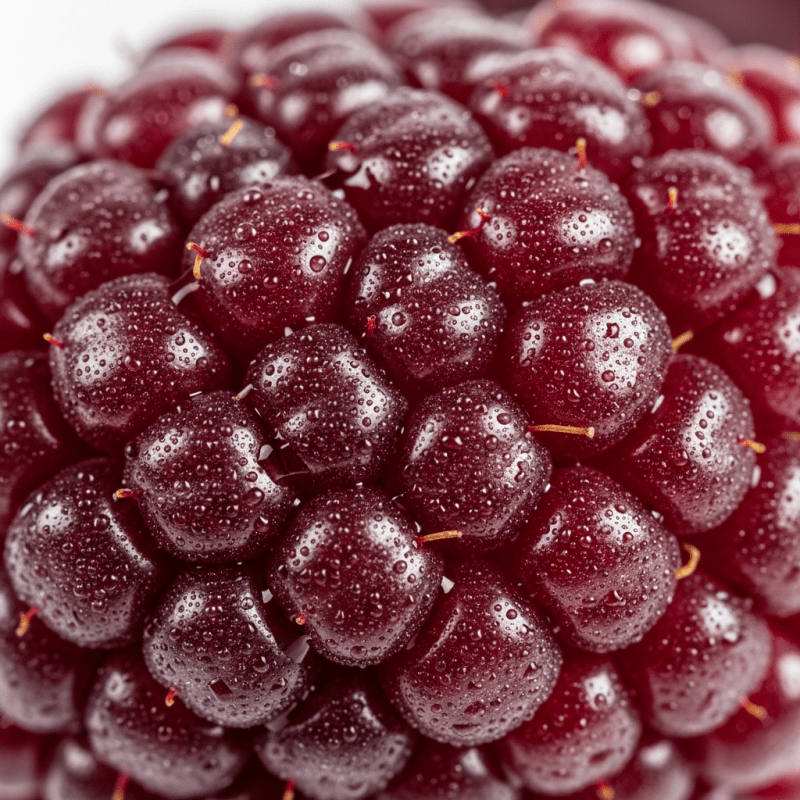
Soft cotton tee, unisex sizes
Buy ShirtBoysenberry holds a special place in North American food culture, famously associated with Knott’s Berry Farm and regional festivals. Its creation story and hybrid lineage have made it an emblem of agricultural innovation, and its presence in local cuisine and craft products reflects its enduring appeal. The berry’s name is synonymous with California heritage and the tradition of fruit breeding.
Boysenberry plants are vigorous, trailing brambles with thorny canes and require trellising for support. The fruit is an aggregate, composed of many drupelets, each contributing to its juiciness and soft texture. Berries mature to a deep maroon or purple, and the plants thrive in temperate climates with well-drained soils. Disease susceptibility, especially to fungal pathogens, is a notable trait.
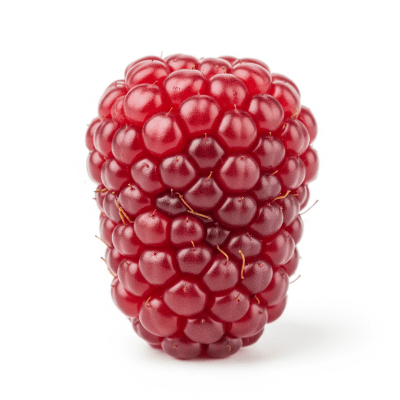
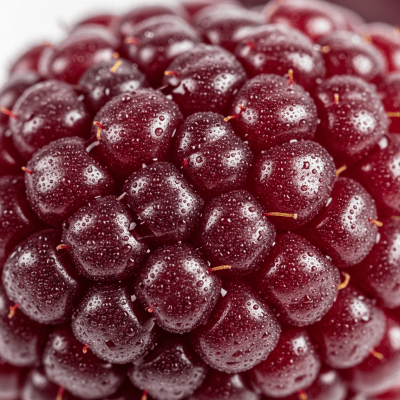
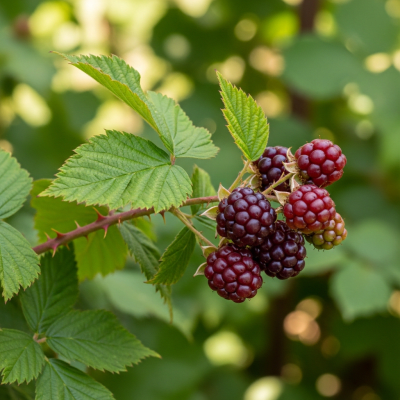
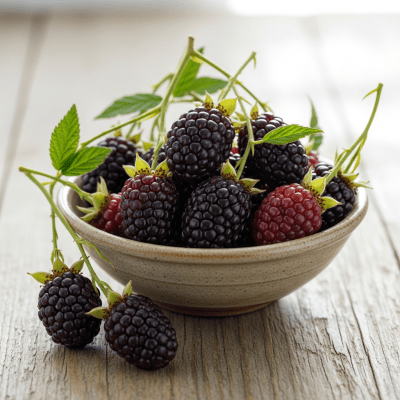
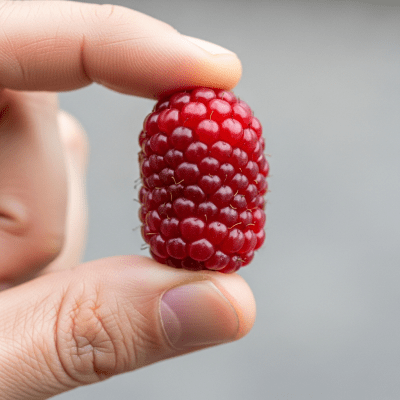
Boysenberries are grown in temperate regions, favoring well-drained soils and requiring trellising due to their trailing growth habit. Yields range from 2–5 tons per hectare under optimal conditions. The plants are moderately productive but vulnerable to fungal diseases and root rot, necessitating careful management. Their highly perishable fruit limits fresh market distribution, with most harvests destined for processing.
Boysenberry is a staple in North American specialty markets, especially in California and Oregon. Its commercial reach is limited in the fresh fruit sector due to perishability, but it is widely available in processed forms. The berry is featured in regional festivals, culinary traditions, and branded products such as “Knott’s Berry Farm Boysenberry.” Internationally, it is also cultivated in New Zealand and Australia.
There are no widely recognized boysenberry cultivars beyond the original hybrid, though heritage identifiers such as “Knott’s Berry Farm Boysenberry” are used in trade and marketing.
Boysenberry plants are susceptible to fungal diseases like Botrytis cinerea and anthracnose, as well as root rot. The berries have a short post-harvest shelf life—typically 2–4 days when refrigerated—making them highly perishable and challenging to store or transport fresh. Most are processed soon after harvest to preserve quality.