Gooseberry
The gooseberry is a small, tart berry from the genus Ribes, prized for its distinctive flavor and versatility in culinary and horticultural traditions across Europe, North America, and Asia.
The gooseberry is a small, tart berry from the genus Ribes, prized for its distinctive flavor and versatility in culinary and horticultural traditions across Europe, North America, and Asia.
Gooseberries trace their roots to both Europe and North America, with Ribes uva-crispa native to Europe, northwestern Africa, and southwestern Asia, and Ribes hirtellum indigenous to northeastern and north-central North America. Cultivation began in England as early as the 16th century, spurred by the berry’s adaptability and appeal. Over centuries, breeders have crossed wild and cultivated types to enhance fruit quality and disease resistance, resulting in a rich lineage of varieties tailored to local climates and tastes.
Gooseberries belong to the genus Ribes within the family Grossulariaceae. They are classified as true berries in botanical terms, meaning the fruit develops from a single ovary and contains seeds. While closely related to currants, gooseberries are distinguished by their larger, more globular fruit and often spiny branches. Both European and American species are recognized, with numerous cultivars arising from interspecific breeding.
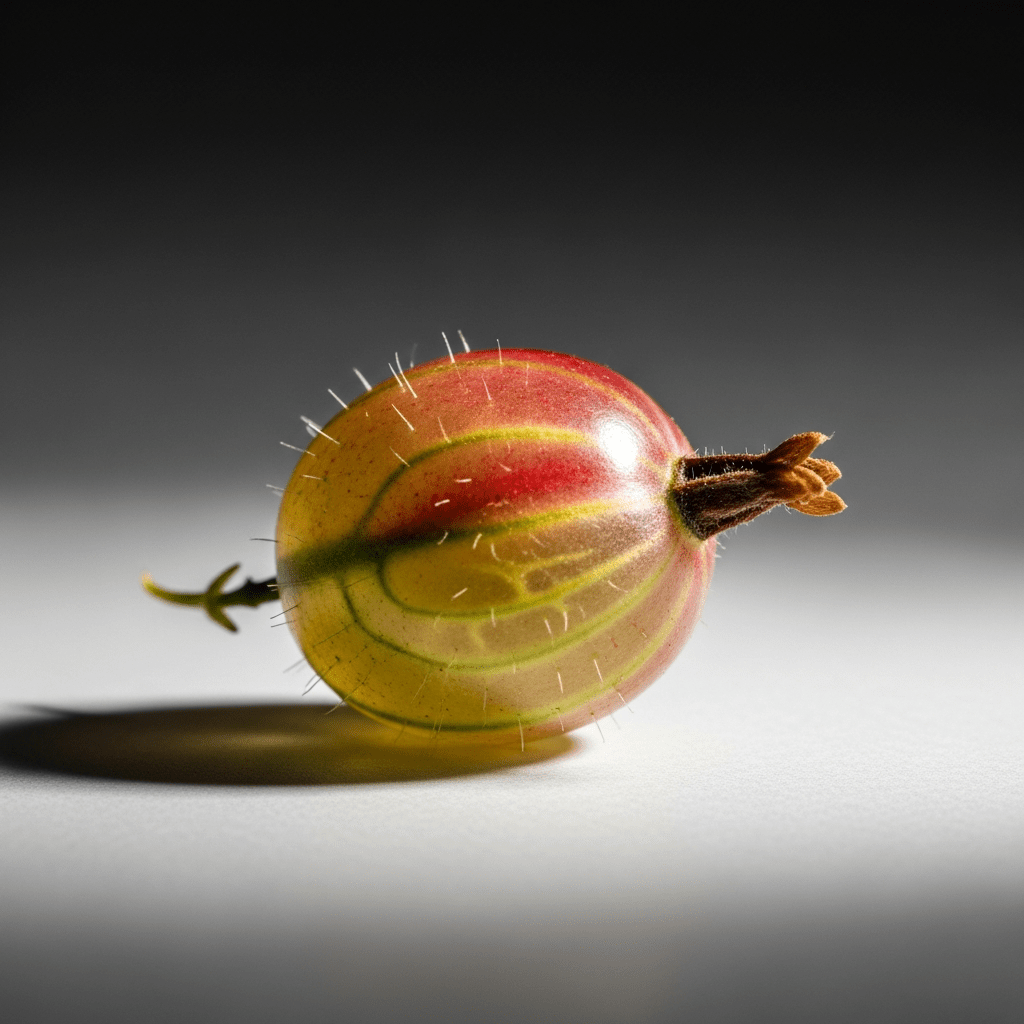
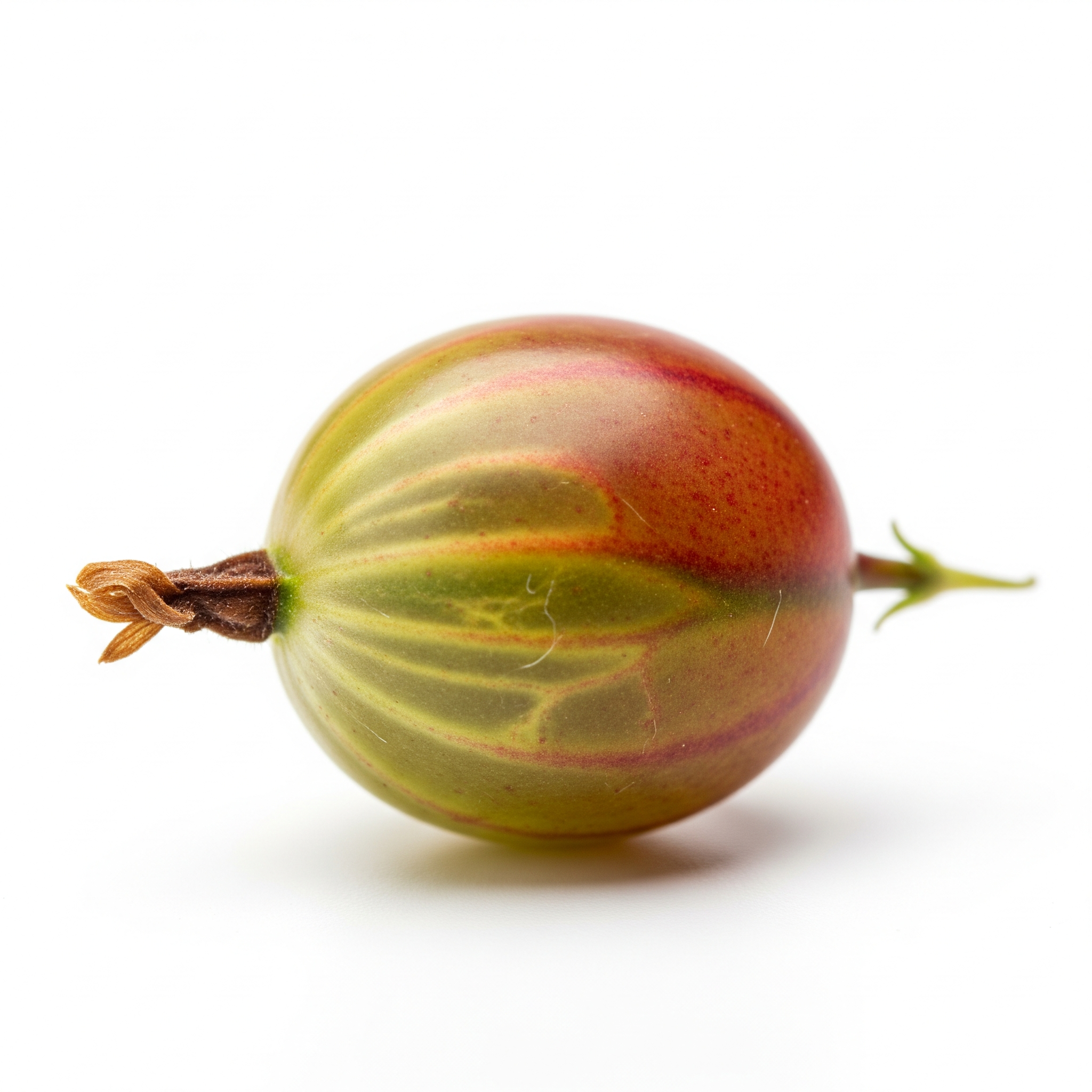
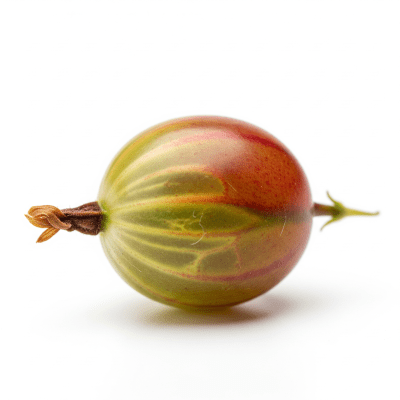
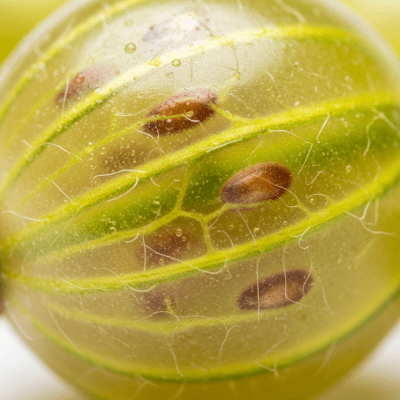
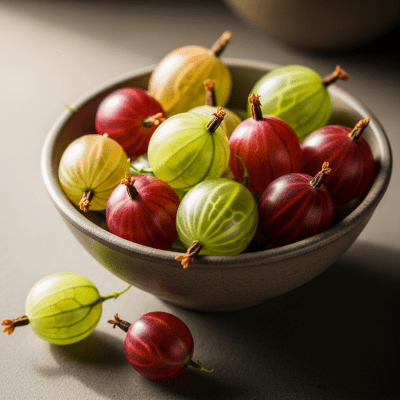
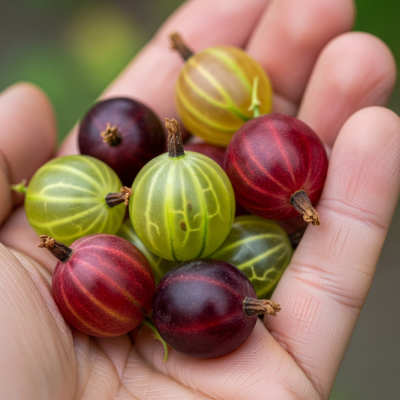
Gooseberries are typically round, measuring 1–2 cm in diameter. Their color palette spans green, yellow, red, and purple, varying by species and cultivar. The berry’s surface may be smooth or covered in fine hairs, and the fruit hangs singly or in small clusters from arching, spiny branches. When ripe, gooseberries are firm yet juicy, with a translucent skin that reveals their succulent flesh and seeds within.
Gooseberries are cultivated for both fresh eating and processing. Their tartness makes them ideal for jams, jellies, desserts, and sauces, while sweeter cultivars are favored for out-of-hand consumption. The shrubs are valued in gardens for their hardiness and moderate yields, and they play a role in local ecosystems as food for birds and wildlife. Propagation is typically by hardwood cuttings or layering, and the plants require cold winters for dormancy.
Bring this kind into your world illustrated posters, mugs, and shirts.
Archival print, museum-grade paper
Buy Poster
Stoneware mug, dishwasher safe
Buy Mug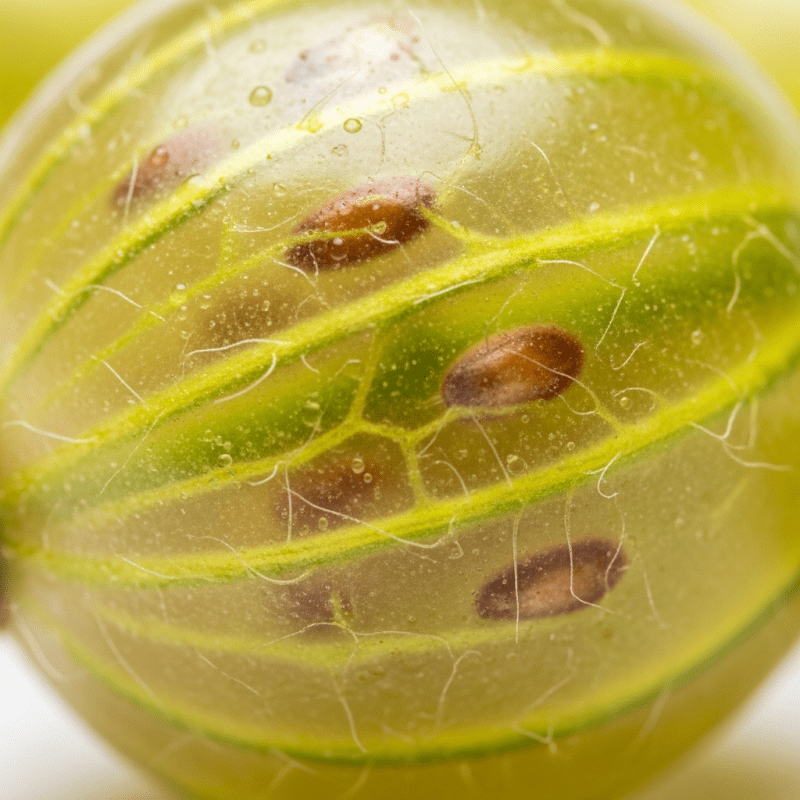
Soft cotton tee, unisex sizes
Buy ShirtGooseberries have deep roots in British culinary heritage, featuring in classic desserts like gooseberry fool and preserves. In Germany, Stachelbeere cakes and jams are traditional, while in France, the berry is known as groseille à maquereau, historically paired with mackerel. Gooseberry festivals and competitions were popular in Victorian England, celebrating the largest and best-tasting fruits. Though less prominent today, gooseberries retain a nostalgic and regional significance in many cultures.
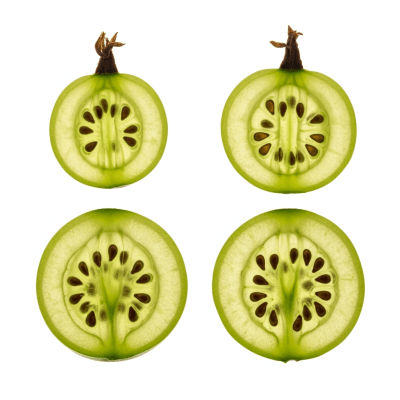
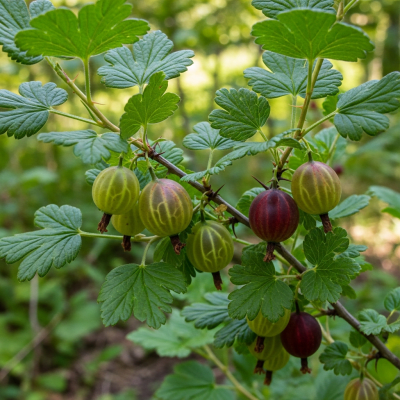
Gooseberry plants are deciduous shrubs, typically 1–2 meters tall, with arching, spiny branches. Leaves are alternate, soft, and lobed. The berries are globular, 1–2 cm wide, with a smooth or hairy surface and a range of colors from green to purple. Flowers are small and inconspicuous, appearing before fruit set. Gooseberries are self-fertile, and their fruit is a true berry, containing multiple seeds within juicy flesh.
Gooseberries thrive in temperate climates, requiring cold winters for dormancy and well-drained, fertile soils. Yields average 3–5 kg per bush annually, depending on cultivar and care. Plants are propagated by hardwood cuttings or layering. While susceptible to powdery mildew, especially Sphaerotheca mors-uvae, many modern cultivars offer improved resistance. Regular pruning and spacing help prevent disease and promote air circulation. Gooseberries are moderately hardy and adaptable to garden and orchard settings.
Gooseberries are enjoyed fresh, or transformed into jams, jellies, sauces, and classic desserts such as gooseberry fool. Their tartness lends itself to both sweet and savory dishes, including pies, chutneys, and as a tangy complement to meats or fish. In beverages, gooseberries are used for syrups and cordials. Some cultivars are selected for dessert use due to their sweetness, while others are preferred for processing.
Gooseberries are commercially available fresh, canned, or processed, with peak market season in late spring and early summer. While popular in Europe and the UK, large-scale cultivation is less common in North America due to historical disease restrictions. Major producers include the UK, Germany, and parts of Eastern Europe. Specialty markets and local growers supply heritage and dessert varieties, though gooseberries remain a niche crop compared to other berries.
Gooseberries are prone to powdery mildew, but resistant cultivars like 'Invicta' help mitigate risk. Proper spacing and pruning reduce disease incidence. After harvest, gooseberries keep for 1–2 weeks under refrigeration. Their moderate shelf life makes them suitable for fresh market and home use, with longer preservation possible through canning or processing.