Barberry
Barberry is the tart, oblong fruit of the genus Berberis, prized for its culinary, medicinal, and ornamental uses across Eurasia and beyond.
Barberry is the tart, oblong fruit of the genus Berberis, prized for its culinary, medicinal, and ornamental uses across Eurasia and beyond.
Barberry’s story begins in central and southern Europe, North Africa, and western Asia, where wild Berberis shrubs have flourished for centuries. First described by Carl Linnaeus in 1753, the European barberry (Berberis vulgaris) has ancient roots in regional diets and traditional medicine, with no single breeder or institution tied to its domestication. Over time, numerous species and hybrids have emerged, each adapted to local climates and uses.
Barberry belongs to the genus Berberis within the family Berberidaceae. While classified botanically as a berry, its culinary and cultural presence places it among the world’s notable berry fruits. The genus encompasses hundreds of species, ranging from edible to ornamental, and is recognized for its spiny shrubs and vibrant fruit clusters.
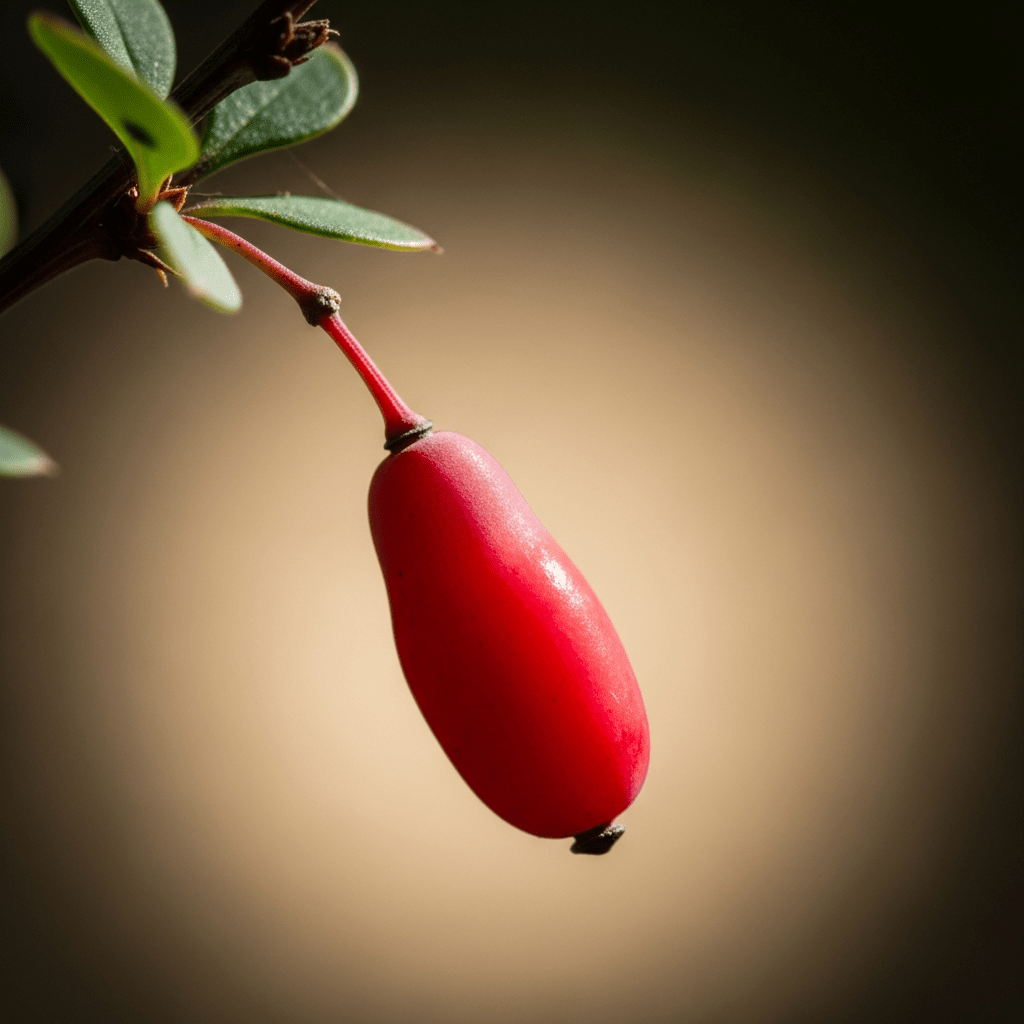
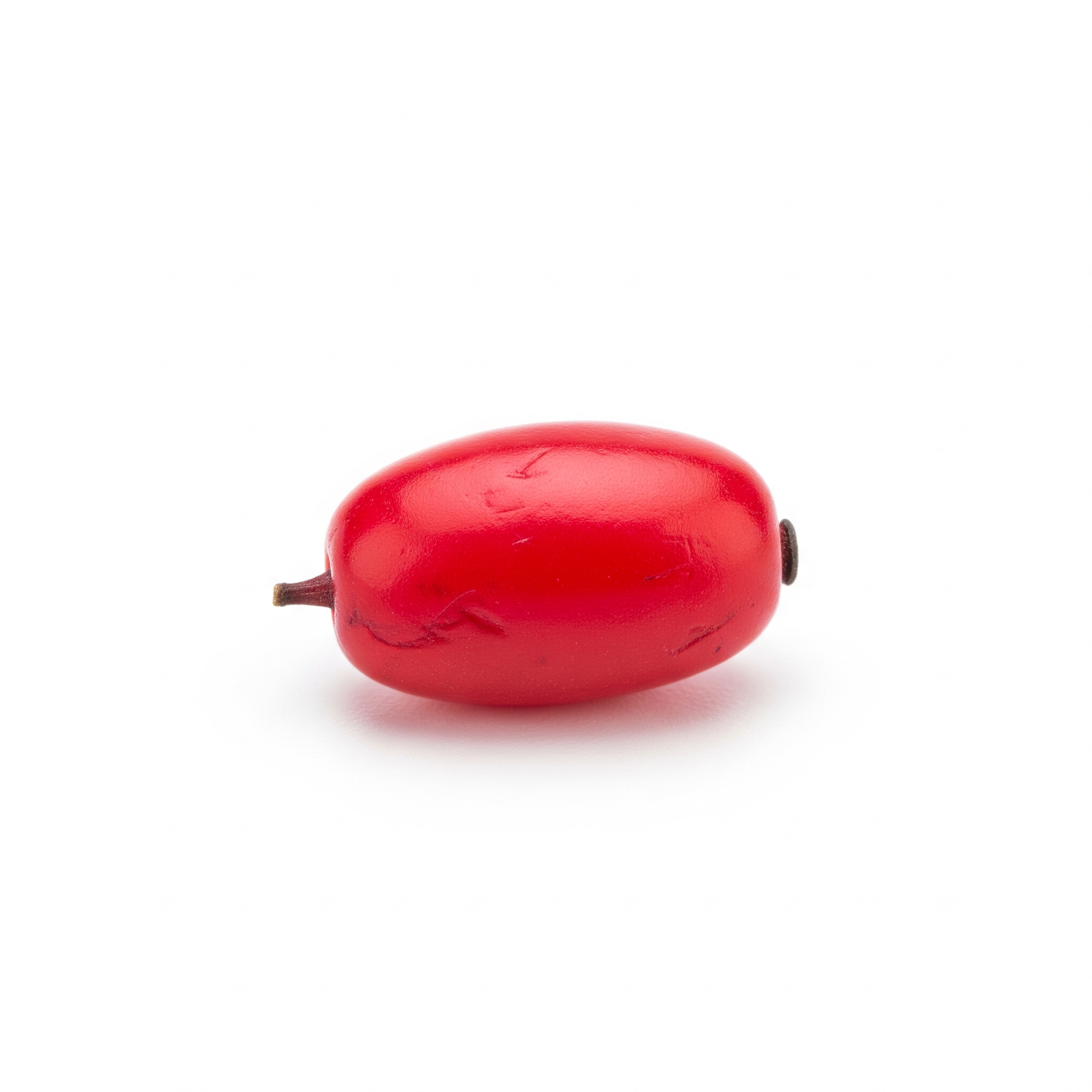
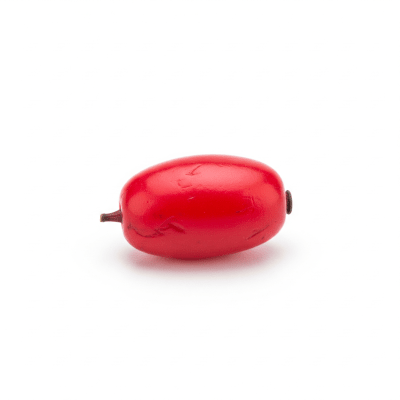
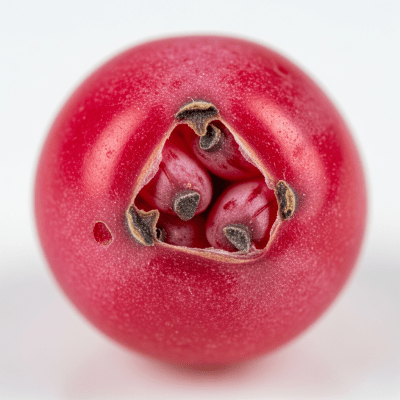
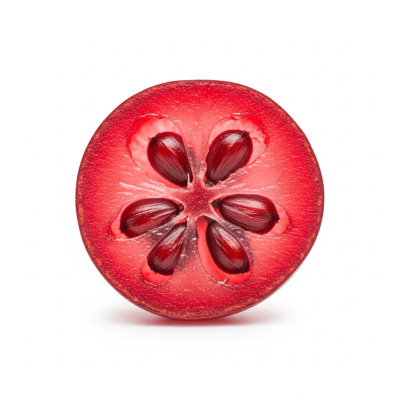
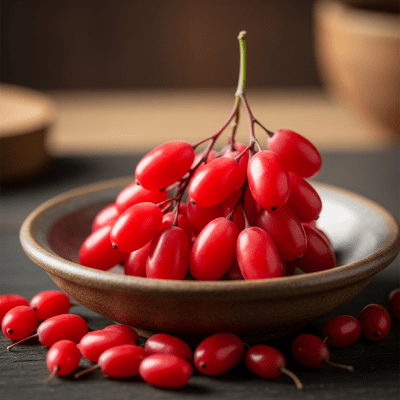
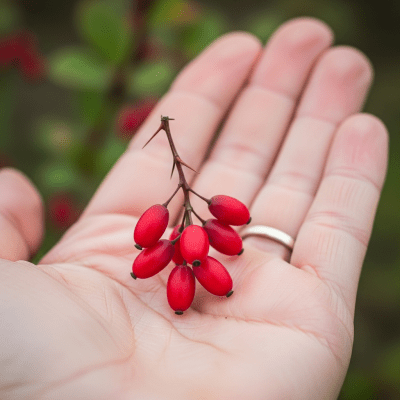
Barberries are small, elongated berries measuring 7–10 mm, ripening to a vivid red or deep purple. They grow in tight clusters on thorny, deciduous or evergreen shrubs that reach 1–3 meters in height. The berries’ glossy skin and tart flavor make them visually striking and instantly recognizable in both fresh and dried forms.
Barberries are harvested for their sharp, tangy taste and used extensively in Persian, Middle Eastern, and European kitchens. They are dried for year-round use, incorporated into rice dishes, jams, jellies, syrups, and even candies. Beyond the kitchen, barberries have a long history in traditional medicine, valued for their alkaloid content (notably berberine), and their shrubs serve as ornamental hedges in landscaping.
Bring this kind into your world illustrated posters, mugs, and shirts.
Archival print, museum-grade paper
Buy Poster
Stoneware mug, dishwasher safe
Buy Mug
Soft cotton tee, unisex sizes
Buy ShirtBarberry holds a special place in Persian cuisine, where it is known as zereshk and features in celebratory dishes like zereshk polo. In India, Berberis aristata is used in Ayurvedic medicine. Historically, European societies used barberries in sweets and preserves, though their cultivation declined due to their association with wheat rust. The berry’s medicinal and culinary roles have woven it into folklore and everyday life across continents.
Barberry shrubs are typically 1–3 meters tall, with spiny shoots and simple, alternate leaves. The berries are elongated, 7–10 mm in length, and ripen from bright red to dark purple in late summer or autumn. Plants are hardy and drought-tolerant, producing fruit in clusters. Their adaptability makes them suitable for a variety of landscapes, though they are susceptible to rust diseases.

Barberries thrive in temperate and subtropical climates and are adaptable to diverse soil types. Mature Berberis vulgaris shrubs can yield several kilograms of fruit per season. While hardy and drought-resistant, barberries are vulnerable to rust diseases, especially Puccinia graminis, which can impact nearby wheat crops. For optimal storage, berries are dried or refrigerated, as fresh fruit is highly perishable.
Barberries are a staple in Persian cuisine, most famously featured in zereshk polo (barberry rice). They are also used in jams, jellies, syrups, and as a tangy dried fruit snack. Historically, European confectioners incorporated barberries into candies and preserves. Their intense tartness makes them ideal for balancing rich or savory dishes, and their medicinal properties add value in traditional remedies.
Barberries are commercially available as dried fruit in specialty markets, especially in regions with Persian or Middle Eastern communities. While their use in Europe declined due to concerns over wheat rust, demand remains strong in ethnic and health food stores. The market is niche but steady, with dried barberries sought after for both culinary and medicinal purposes.
While barberry encompasses numerous species and hybrids, there are no widely recognized edible cultivars akin to those found in other berries. Ornamental varieties, such as Berberis thunbergii (Japanese barberry), are popular in landscaping but not typically grown for fruit consumption.
Barberry plants are susceptible to rust diseases, particularly Puccinia graminis, which can affect wheat crops and has led to restrictions in some agricultural areas. Fresh barberries are highly perishable and best preserved by drying or refrigeration, which extends their shelf life and maintains their tart flavor for culinary use.