Strawberry
The strawberry is a beloved fruit renowned for its sweet flavor, vivid red hue, and versatility, making it one of the world’s most popular berries in both culinary and cultural contexts.
The strawberry is a beloved fruit renowned for its sweet flavor, vivid red hue, and versatility, making it one of the world’s most popular berries in both culinary and cultural contexts.
The modern cultivated strawberry (Fragaria × ananassa) traces its origin to 18th-century Europe, where it emerged as a hybrid between the North American Fragaria virginiana and the Chilean Fragaria chiloensis. French botanist Antoine Nicolas Duchesne is credited with the first intentional cross in 1766, though wild strawberries like Fragaria vesca have been cherished and cultivated since antiquity.
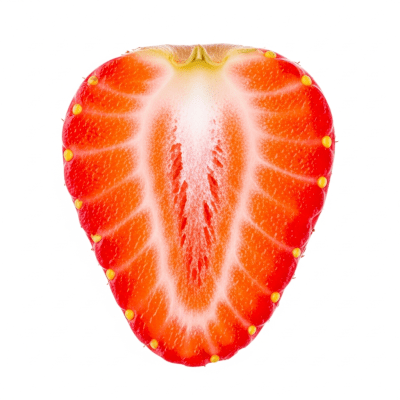
Botanically, the strawberry is classified as an aggregate accessory fruit within the family Rosaceae. Unlike true berries, its fleshy part develops from the flower’s receptacle, not the ovary. In culinary and agricultural contexts, however, it is universally regarded as a berry, highlighting the divergence between scientific and popular definitions.
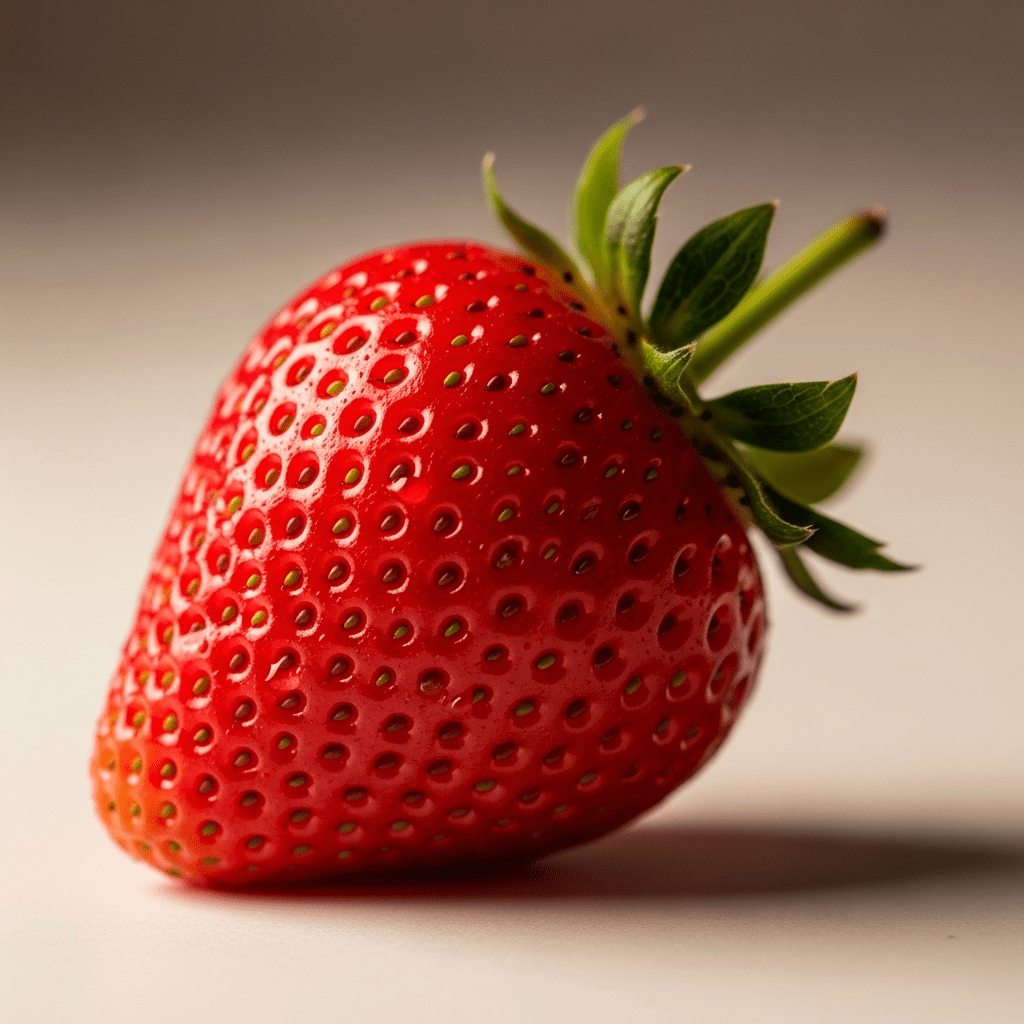
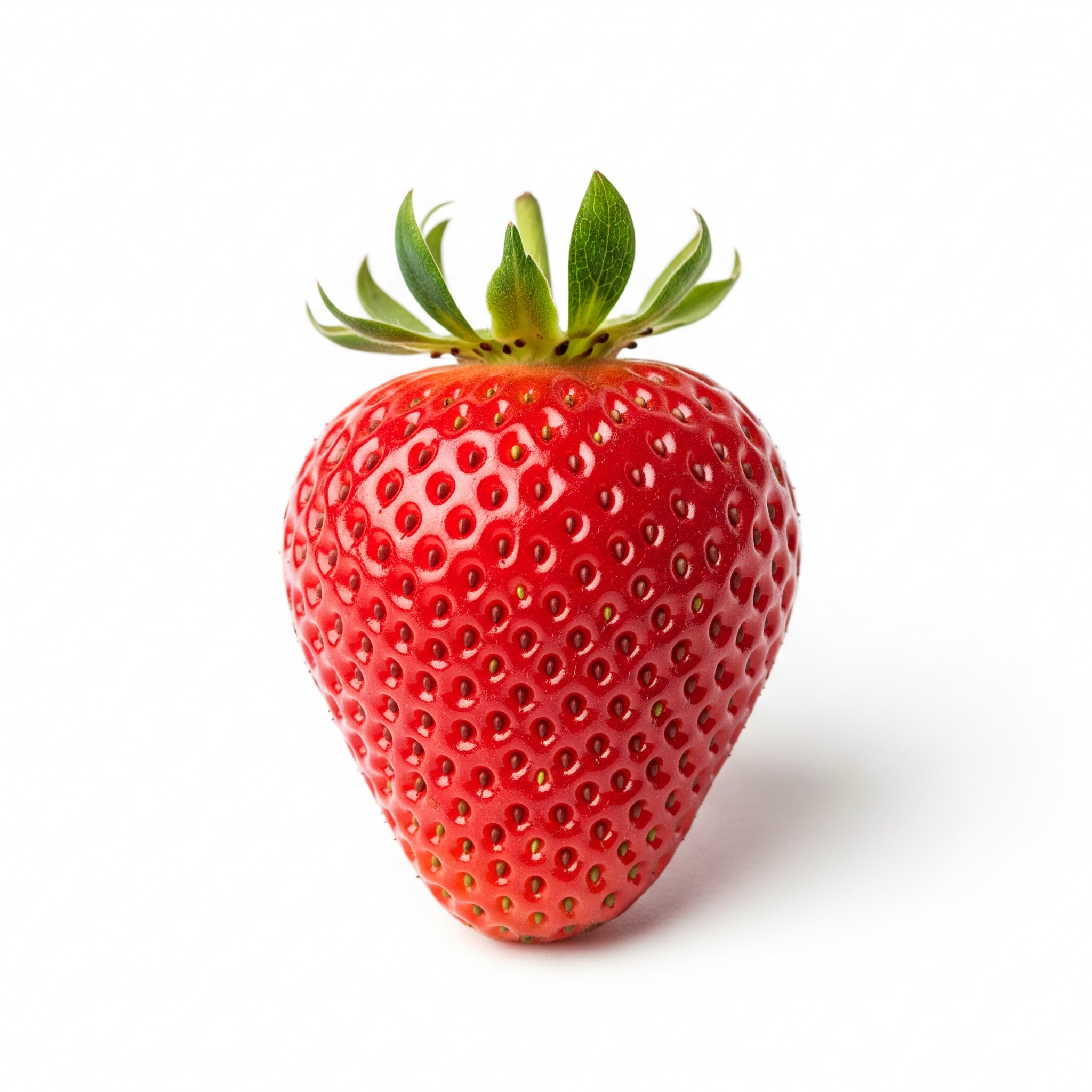
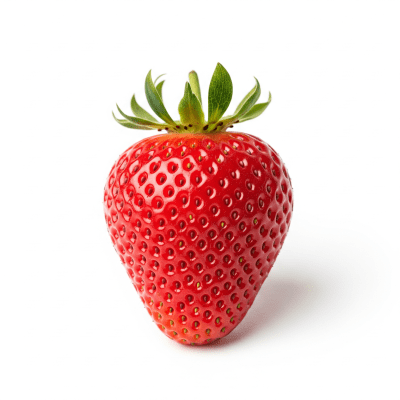
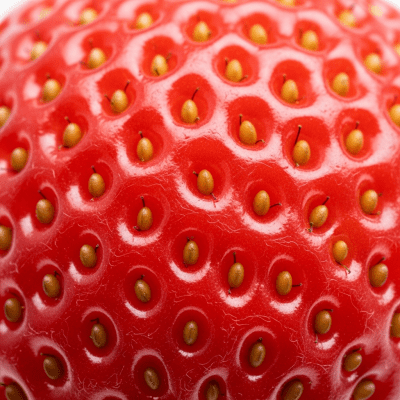
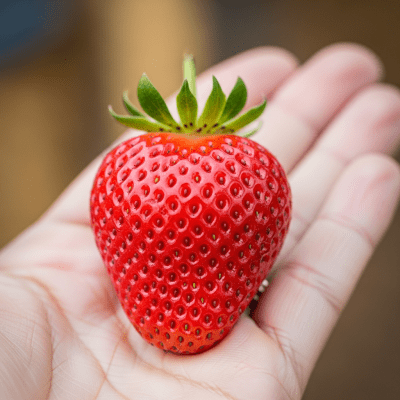
Strawberries are typically conical to heart-shaped, ranging from 1 to 5 cm in length depending on cultivar. Their exterior is a vibrant red, dotted with tiny yellow achenes—the actual fruits—giving a distinctive texture. The fruit’s flesh is juicy and aromatic, with a glossy sheen that signals ripeness. The plant itself is low-growing, with trifoliate leaves and delicate white or pink flowers.
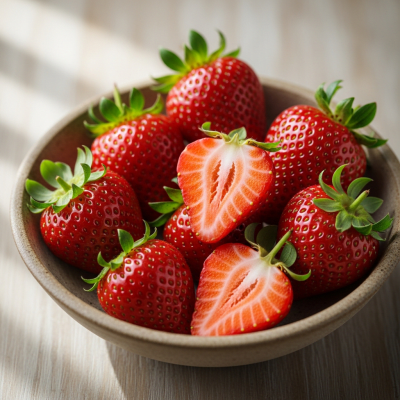
Strawberries are enjoyed fresh, frozen, dried, or processed into jams, jellies, syrups, juices, ice creams, and baked goods. Their sweet-tart flavor and appealing aroma make them a staple in desserts, salads, beverages, and as a garnish. The plant propagates via runners (stolons), enabling easy spread in gardens and commercial fields.
Bring this kind into your world illustrated posters, mugs, and shirts.
Archival print, museum-grade paper
Buy Poster
Stoneware mug, dishwasher safe
Buy Mug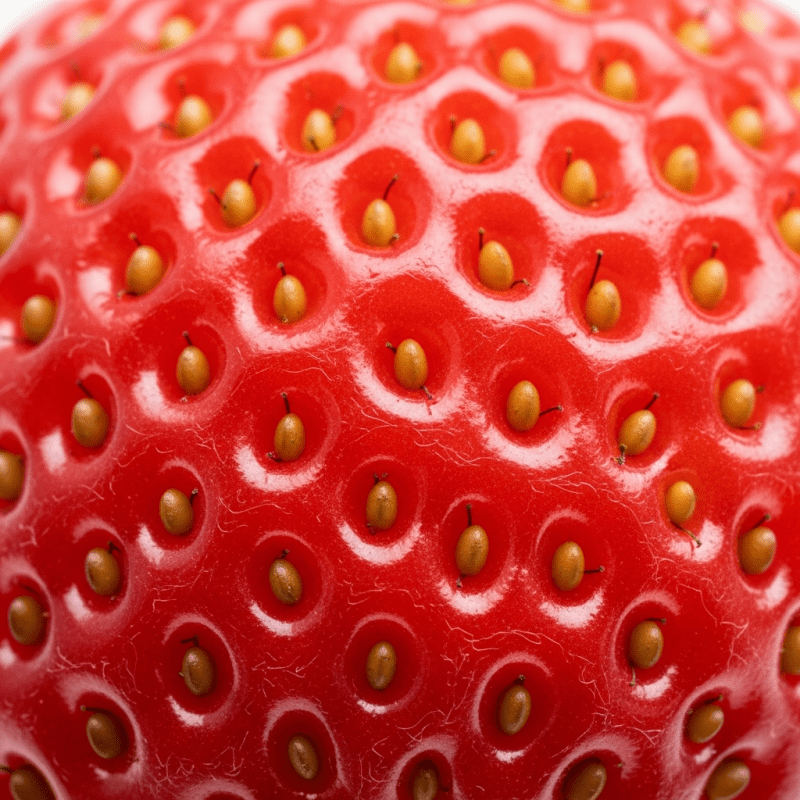
Soft cotton tee, unisex sizes
Buy ShirtStrawberries hold a special place in global culture, symbolizing summer, romance, and celebration. They feature prominently in art, literature, and folklore, and are the centerpiece of festivals in regions such as California, Spain, and Japan. Their image is often associated with freshness and indulgence, making them a frequent motif in advertising and popular media.
Strawberry plants are herbaceous perennials with a low-growing habit, trifoliate leaves, and white or pink flowers. They reproduce via runners (stolons) and produce aggregate fruits with bright red flesh and yellow achenes on the surface. The fruit’s size and shape vary by cultivar, and the plant thrives in temperate climates with well-drained soils.

Strawberries require temperate climates and are sensitive to frost. They grow best in well-drained soils and are propagated by runners. Commercial yields range from 20,000 to 50,000 kg per hectare, depending on cultivar and management practices. While some cultivars offer resistance to powdery mildew and root rot, strawberries are generally susceptible to pests and fungal diseases, necessitating careful crop management and rapid post-harvest handling due to their short shelf life.
Strawberries are a cornerstone of global fruit markets, ranking among the top-selling fruits. Major producers include the United States (notably California and Florida), Mexico, Spain, Poland, and China. The fruit is featured in seasonal festivals and is marketed under various trade names and brands, valued for its flavor, aroma, and nutritional qualities.
Strawberries are highly perishable, with a typical refrigerated shelf life of 2–7 days. Some cultivars show tolerance to powdery mildew and root rot, but the fruit is generally susceptible to spider mites, aphids, Botrytis cinerea (gray mold), and Verticillium wilt. Prompt cooling and careful handling are essential to preserve quality and minimize losses.