Origin Story
The evolutionary origins of fish trace back over 500 million years to the Cambrian period, marking some of the earliest vertebrates on Earth. Early jawless fish emerged in ancient seas, gradually giving rise to the cartilaginous and bony fish that dominate today's aquatic habitats. Their development set the foundation for vertebrate diversity and the colonization of water environments globally.
Classification
Fish belong to the phylum Chordata and are traditionally divided into three main classes: Agnatha (jawless fish like lampreys), Chondrichthyes (cartilaginous fish such as sharks and rays), and Osteichthyes (bony fish including species like salmon and cod). This taxonomic framework reflects evolutionary relationships and biological traits, guiding scientific study and conservation efforts.
Appearance or Form
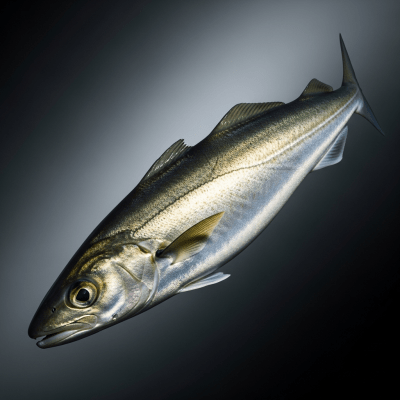
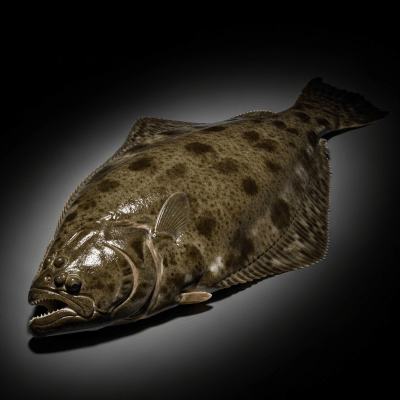
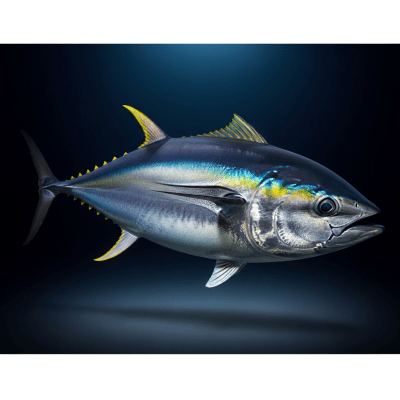
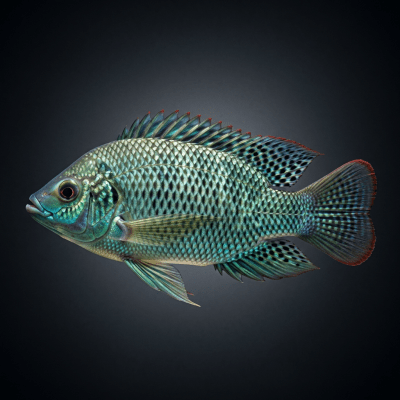
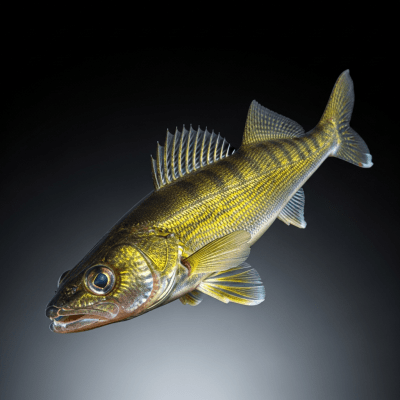
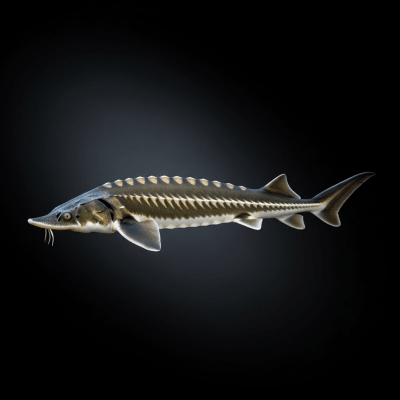
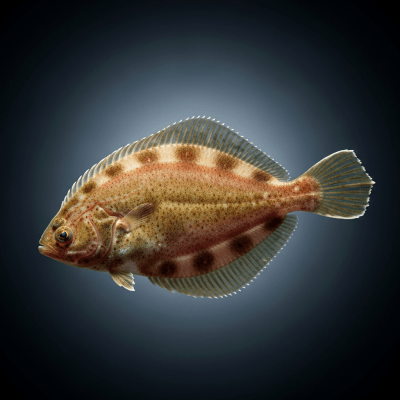
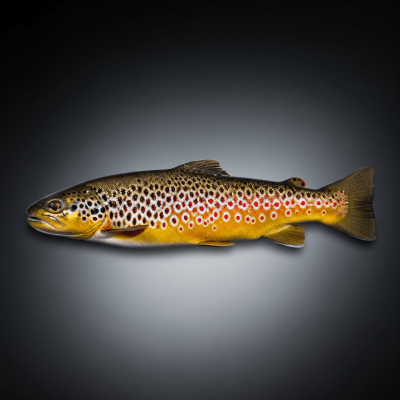
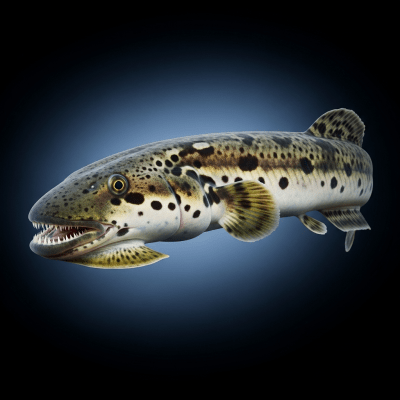
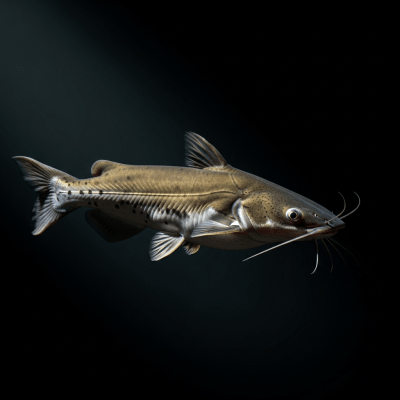
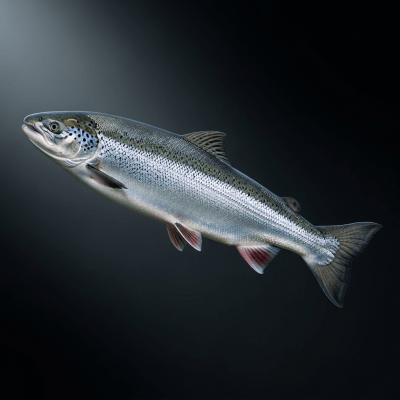
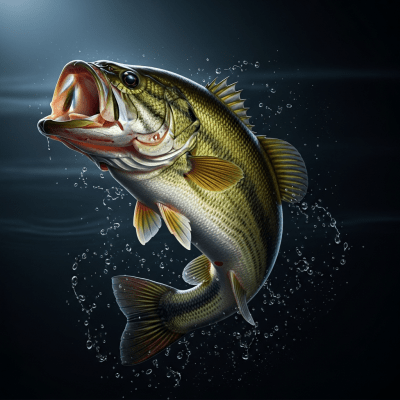
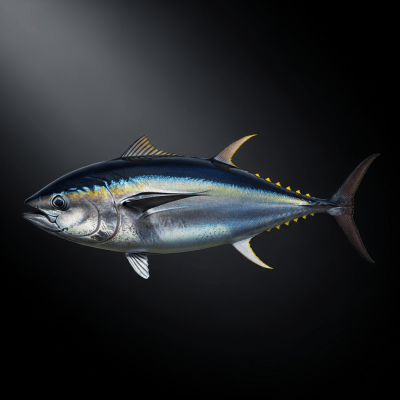
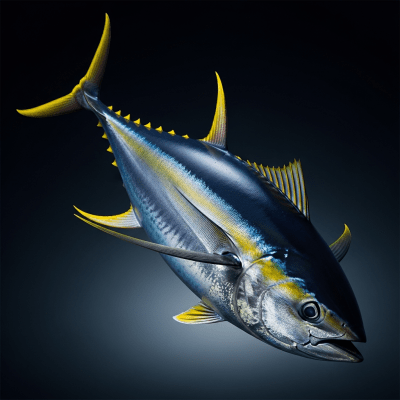
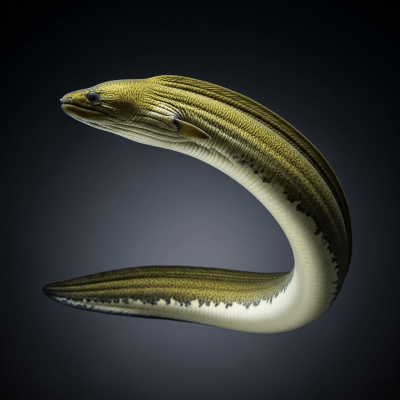
Fish exhibit a remarkable variety of forms, but generally share streamlined bodies adapted for aquatic life, covered in scales and equipped with fins for movement. Jawless fish have elongated, eel-like shapes without paired fins, cartilaginous fish possess flexible skeletons made of cartilage and often display distinctive fins and teeth, while bony fish typically feature rigid skeletons, diverse scale types, and varied body shapes suited to their habitats.
Behavior or Usage
Fish play vital roles in aquatic ecosystems as predators, prey, and contributors to nutrient cycles. Humans utilize fish extensively for food, recreation, and ornamental purposes. Fisheries worldwide depend on various species for commercial harvest, while aquaculture supports sustainable production. Additionally, fish behavior such as schooling and migration influences ecological dynamics and fishing practices.