Herring
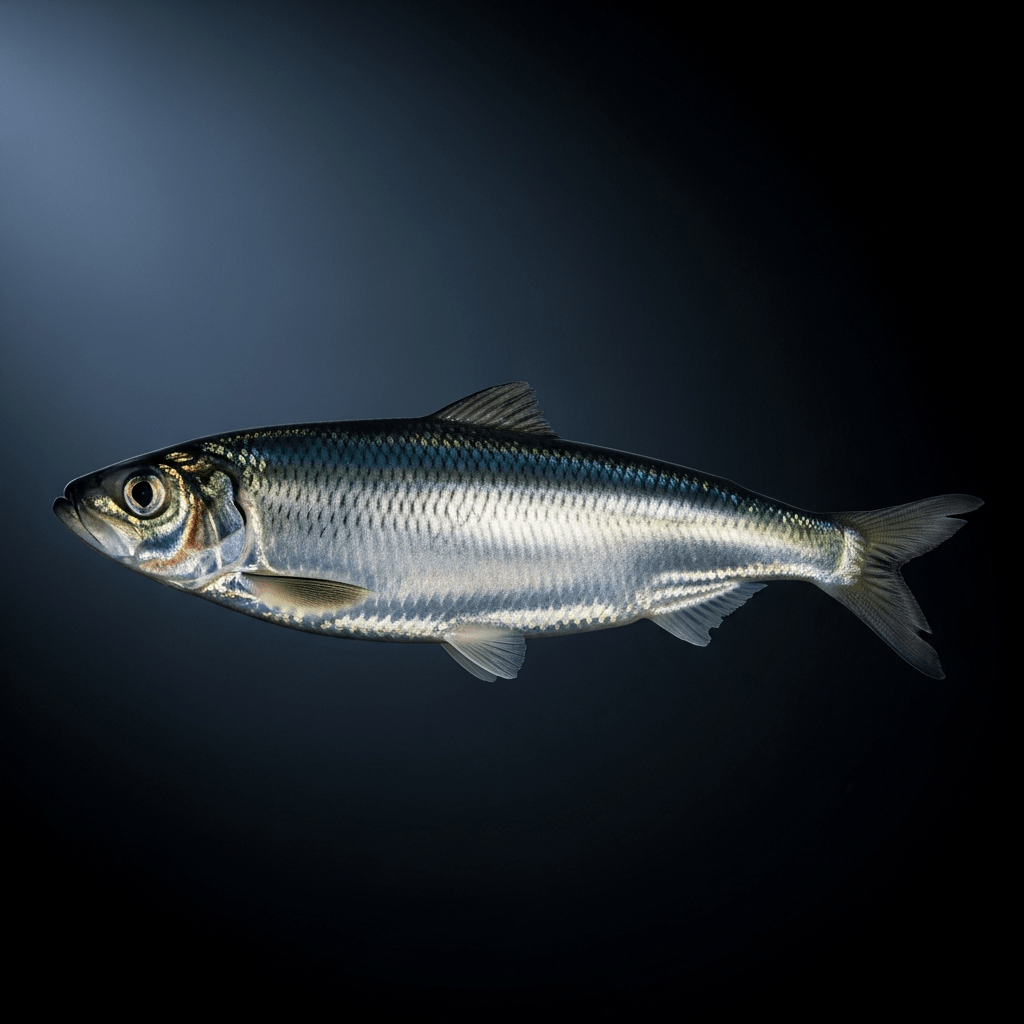
The Atlantic herring (Clupea harengus) is a small, schooling pelagic fish known for its silvery, streamlined body and its vital role as a key forage species in the North Atlantic Ocean.
The Atlantic herring (Clupea harengus) is a small, schooling pelagic fish known for its silvery, streamlined body and its vital role as a key forage species in the North Atlantic Ocean.
First formally described by Carl Linnaeus in 1758, the Atlantic herring has long inhabited the North Atlantic and adjacent seas. Its presence is well established through fossil evidence, reflecting a natural lineage that has supported coastal communities and marine ecosystems for thousands of years.
Belonging to the family Clupeidae within the order Clupeiformes, the Atlantic herring is a member of the ray-finned fishes (class Actinopterygii). This classification places it among other schooling, pelagic fish known for their ecological importance and commercial value.
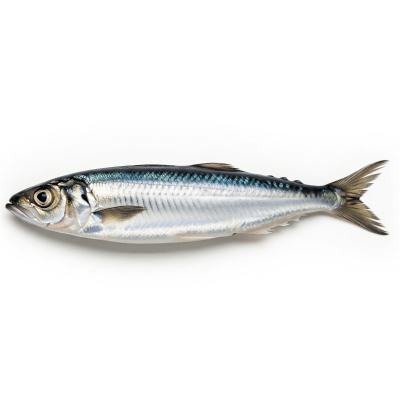
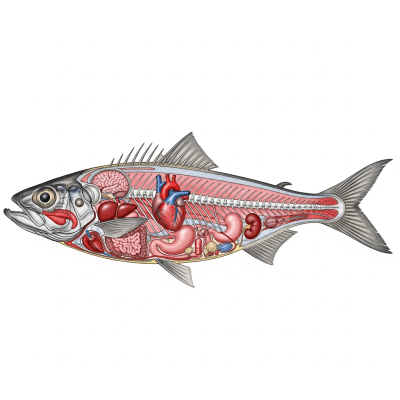
The Atlantic herring features a laterally compressed, elongated body with a metallic blue-green back and silvery underside. It has large cycloid scales, a single dorsal fin, and a forked caudal fin, typically measuring between 20 and 38 centimeters in length, rarely exceeding 45 centimeters.
Known for forming vast migratory shoals, Atlantic herring play a crucial role in marine food webs as forage for larger predators. They are filter feeders, consuming plankton, copepods, and small crustaceans through specialized gill rakers. Their schooling behavior also supports commercial fishing practices worldwide.
Bring this kind into your world illustrated posters, mugs, and shirts.
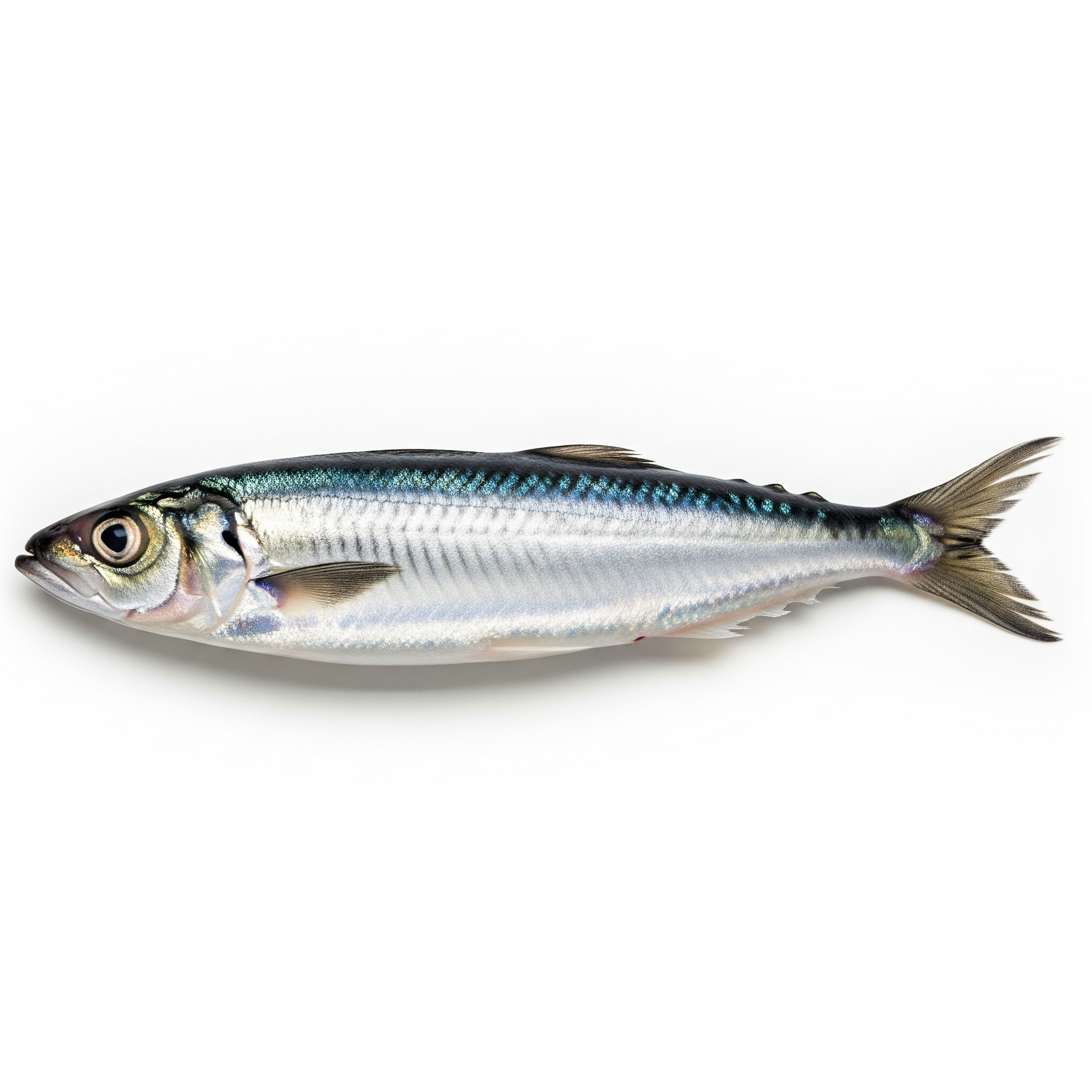
Archival print, museum-grade paper
Buy Poster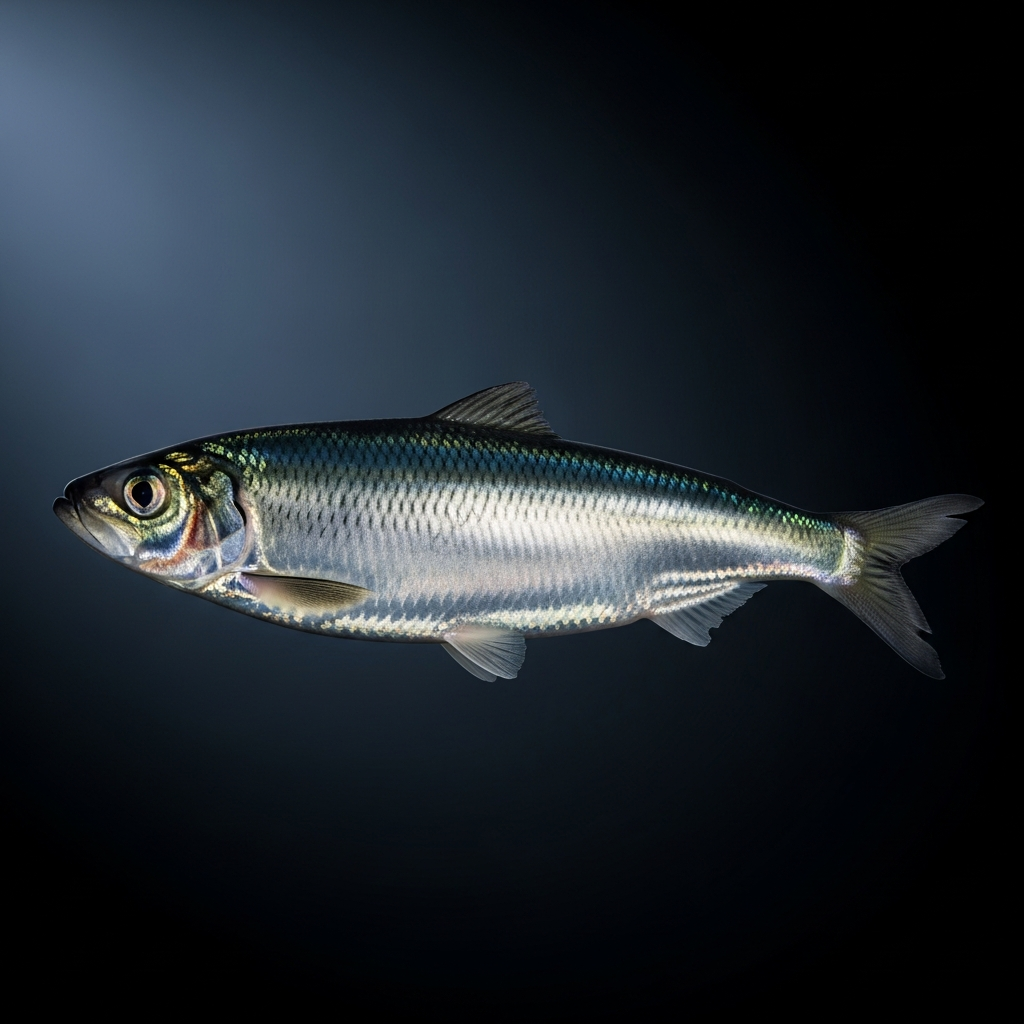
Stoneware mug, dishwasher safe
Buy Mug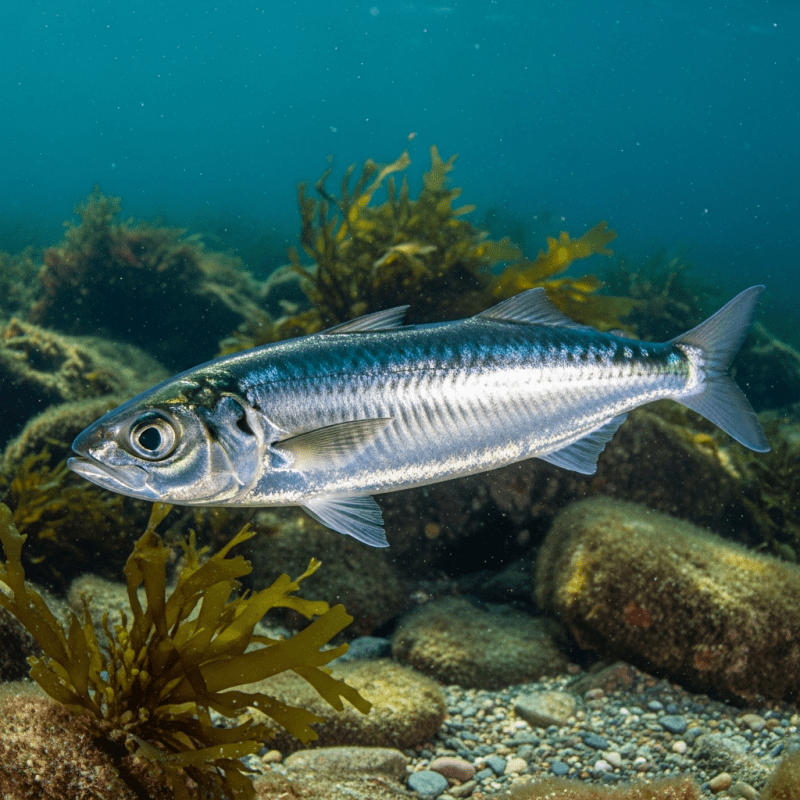
Soft cotton tee, unisex sizes
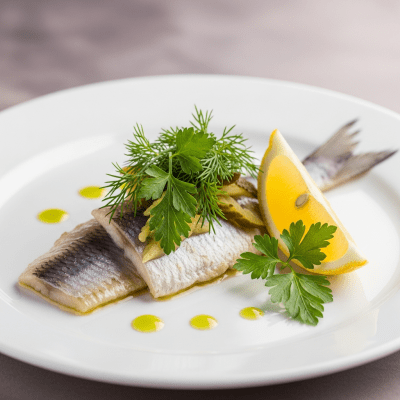
Buy ShirtAtlantic herring holds a prominent place in the culinary traditions of Scandinavia, the Baltic states, the UK, and North America. It appears in various forms such as pickled, smoked (kippers), salted (matjes), and fermented (surströmming), reflecting its deep-rooted cultural and economic importance across these regions.
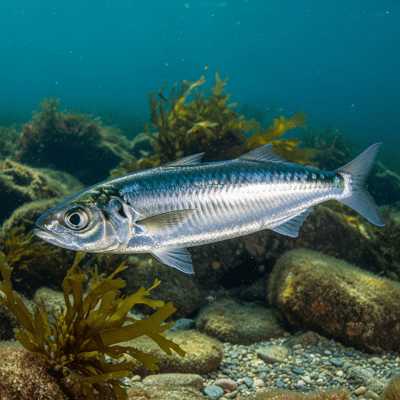
Atlantic herring inhabit pelagic zones of the North Atlantic Ocean and adjacent seas. They are found in coastal and offshore waters, forming large shoals that migrate seasonally across Europe, North America, and Russia.
As filter feeders, Atlantic herring consume planktonic organisms such as copepods and small crustaceans. They use specialized gill rakers to strain their microscopic prey from the water while swimming in large schools.
Atlantic herring reproduce through mass spawning events, typically in spring and autumn. Females deposit up to 40,000 eggs on gravel or seaweed in coastal areas. Eggs hatch within a week to ten days, and juveniles grow rapidly, reaching maturity within a few years and living up to 16 years or more.
While Atlantic herring is primarily wild-caught, it supports some aquaculture efforts. Commercial fisheries harvest herring extensively for human consumption, bait, and fishmeal. Fishing methods include purse seining and trawling, with catch quotas managed to sustain populations.
Atlantic herring populations are generally stable but face threats from overfishing, pollution, and habitat degradation. They are sensitive to low oxygen conditions and disease outbreaks, particularly in aquaculture. Sustainable management practices and monitoring help maintain healthy stocks.