
Brown Trout
The Brown Trout (Salmo trutta) is a versatile freshwater and anadromous fish known for its distinctive spotted pattern and widespread presence across Europe and beyond.
The Brown Trout (Salmo trutta) is a versatile freshwater and anadromous fish known for its distinctive spotted pattern and widespread presence across Europe and beyond.
First described by Carl Linnaeus in 1758, the Brown Trout is native to most of Europe, western Asia, and North Africa. Over time, it has been introduced globally—especially to North America, Australia, New Zealand, and South America—primarily to support recreational fishing.
Belonging to the family Salmonidae, genus Salmo, the Brown Trout is part of a group of bony fishes renowned for their ecological and economic importance. It shares close relations with other salmonids, including salmon and char.
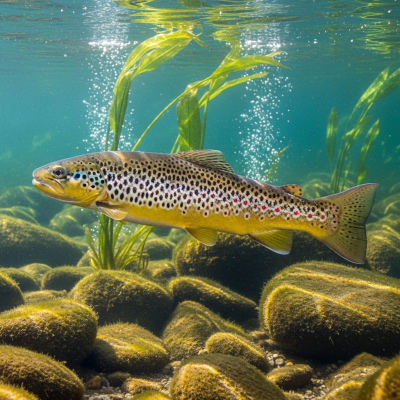
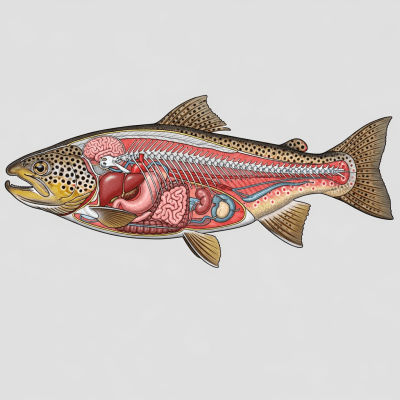
The Brown Trout has a streamlined, fusiform body typically measuring 20 to 80 cm in length, with some individuals exceeding one meter. Its coloration ranges from golden-brown to olive, marked by dark spots encircled with pale halos along the flanks and back. The caudal fin is usually square or slightly forked, complemented by a complete lateral line and a small adipose fin. Juveniles display distinctive vertical bars known as parr marks.
Brown Trout exhibit both resident freshwater and migratory anadromous behaviors, adapting to diverse environments. They spawn in gravel-bottomed streams during autumn, where females create redds to deposit eggs. As opportunistic feeders, they consume aquatic and terrestrial invertebrates, small fish, and occasionally amphibians. Their adaptability makes them a favored species for recreational angling and ecological management.
Bring this kind into your world illustrated posters, mugs, and shirts.
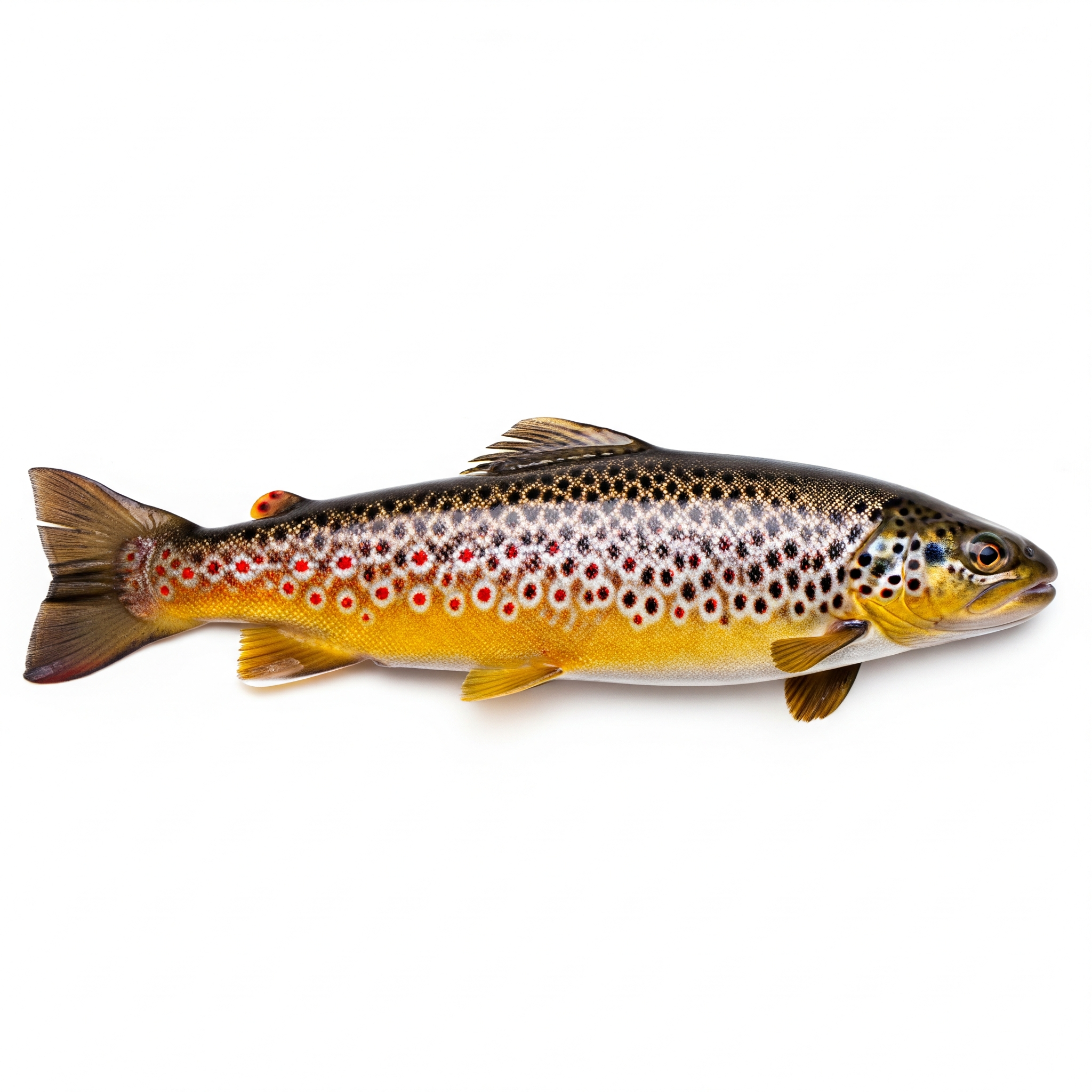
Archival print, museum-grade paper
Buy Poster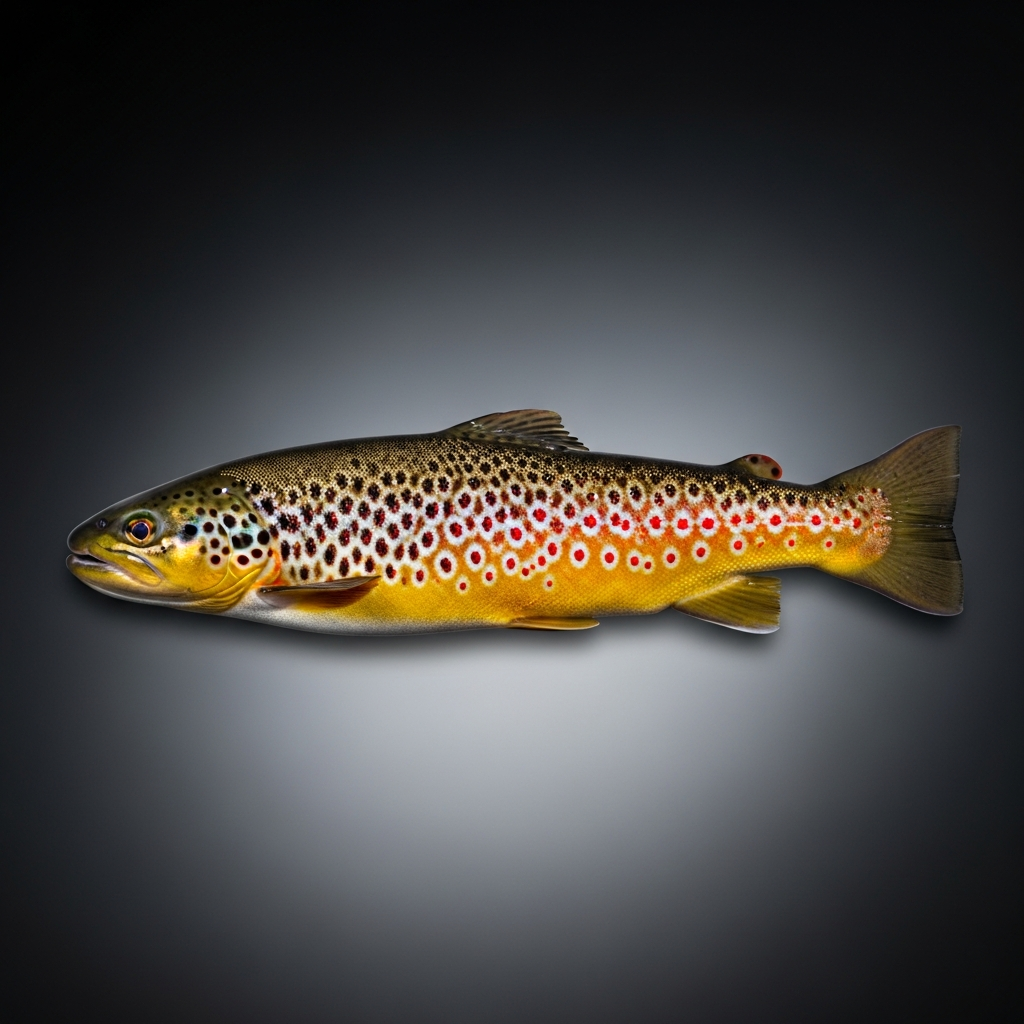
Stoneware mug, dishwasher safe
Buy Mug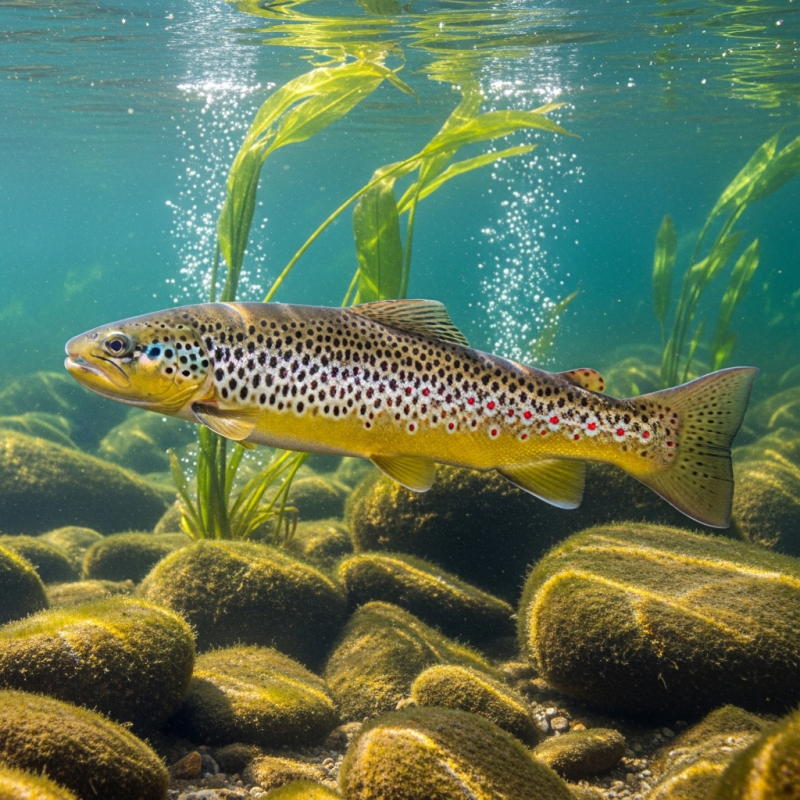
Soft cotton tee, unisex sizes
Buy ShirtHighly valued in sport fishing cultures worldwide, Brown Trout symbolize both challenge and tradition. Their presence has inspired art, literature, and conservation efforts, reflecting their role in recreational angling and ecological restoration projects across many regions.
Brown Trout inhabit a wide range of freshwater environments, including rivers, streams, and lakes, as well as coastal marine waters during their anadromous phase. Their native range covers most of Europe, western Asia, and North Africa. Due to extensive introductions, they are now established in North America, Australia, New Zealand, and parts of South America.
As opportunistic feeders, Brown Trout consume a varied diet of aquatic and terrestrial invertebrates, small fish, and occasionally amphibians. They employ active hunting and ambush tactics, adapting their feeding strategies to available prey within their habitat.
Brown Trout reproduce by spawning in gravel-bottomed streams, typically in autumn. Females create nests called redds where eggs are deposited and fertilized. After several weeks, eggs hatch into juveniles known as parr, which bear vertical bars for camouflage. The species includes both resident freshwater and migratory anadromous life cycles.
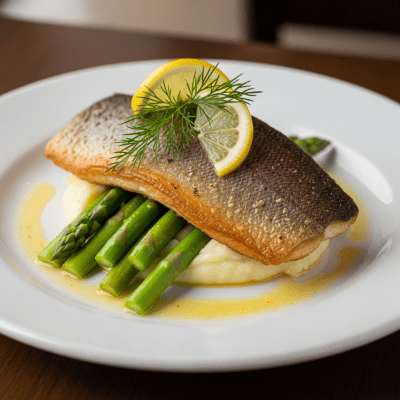
Brown Trout are widely stocked using hatchery strains to support recreational fisheries and conservation efforts. While commercial harvesting is limited, aquaculture practices focus on breeding and rearing for angling supply. Their adaptability to various fishing methods, including fly, spin, and bait fishing, makes them a popular target among anglers.
Although Brown Trout populations are generally stable due to their wide distribution and adaptability, they face threats from pollution, habitat fragmentation, and diseases such as whirling disease and proliferative kidney disease. Conservation efforts emphasize habitat protection, water quality maintenance, and responsible stocking practices to sustain healthy populations.