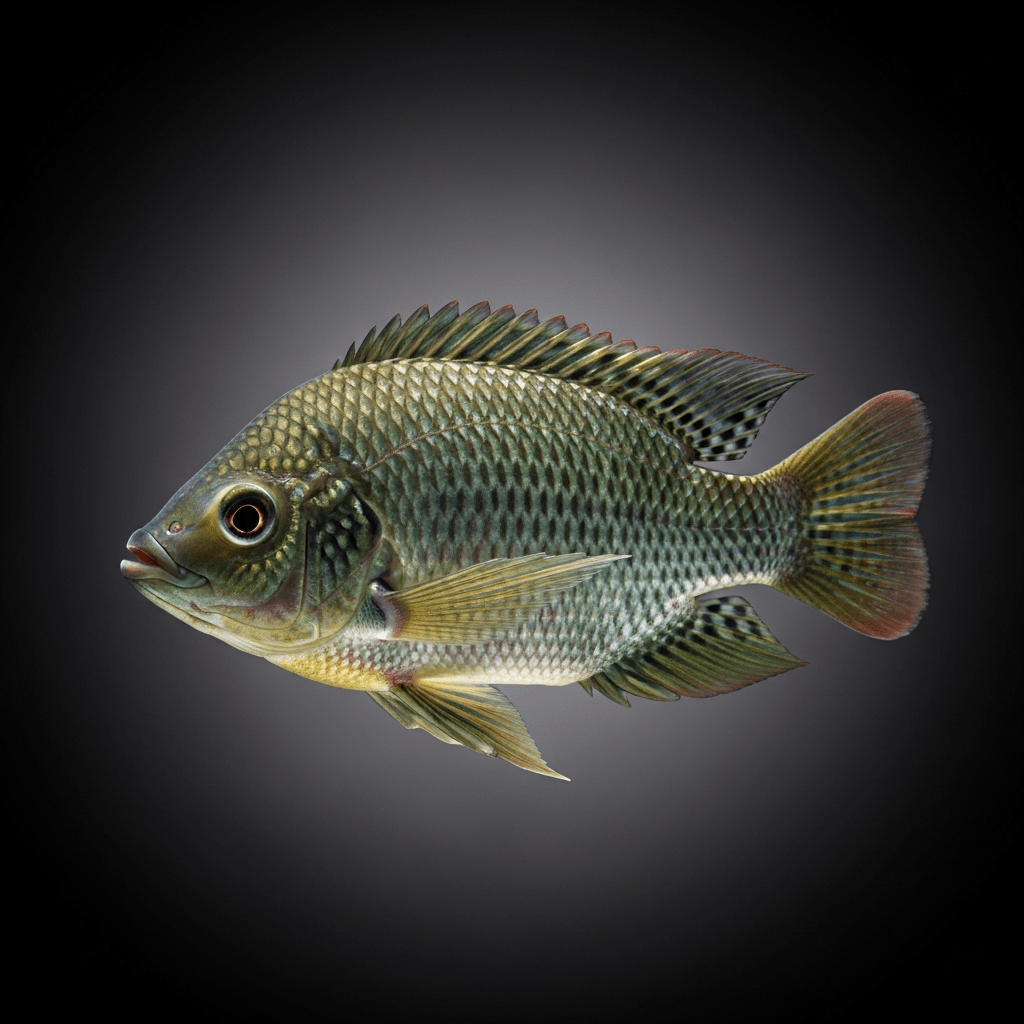
Nile Tilapia
The Nile Tilapia (Oreochromis niloticus) is a freshwater bony fish native to Africa, renowned for its adaptability, rapid growth, and mild-flavored flesh, making it a vital species in global aquaculture and freshwater fisheries.
The Nile Tilapia (Oreochromis niloticus) is a freshwater bony fish native to Africa, renowned for its adaptability, rapid growth, and mild-flavored flesh, making it a vital species in global aquaculture and freshwater fisheries.
First described scientifically by Carl Linnaeus in 1758, the Nile Tilapia originates from the Nile River basin and other river systems across northern and eastern Africa. It has a long history of human use and domestication, with modern aquaculture strains selectively bred in countries such as Egypt, Israel, China, and the Philippines to enhance growth, disease resistance, and environmental tolerance.
The Nile Tilapia belongs to the family Cichlidae within the order Perciformes. It is classified under the genus Oreochromis and species niloticus, placing it among a diverse group of freshwater fishes known for their ecological versatility and importance in aquaculture.
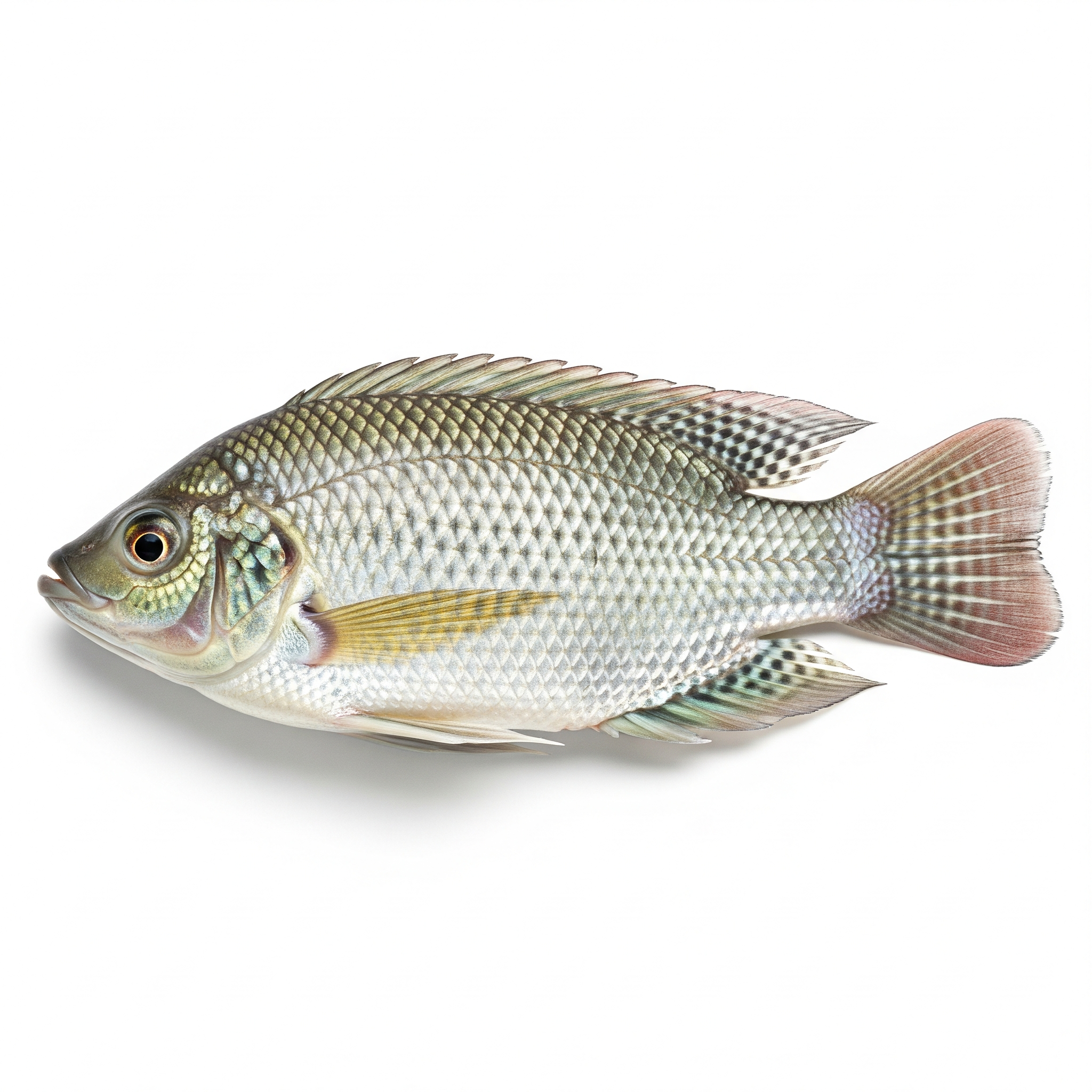
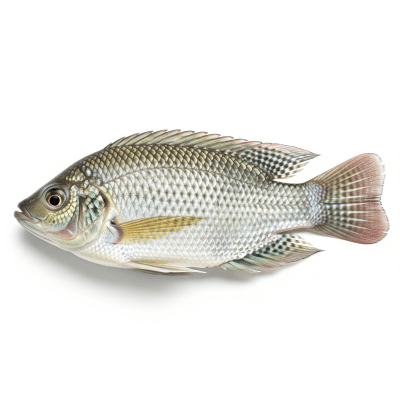
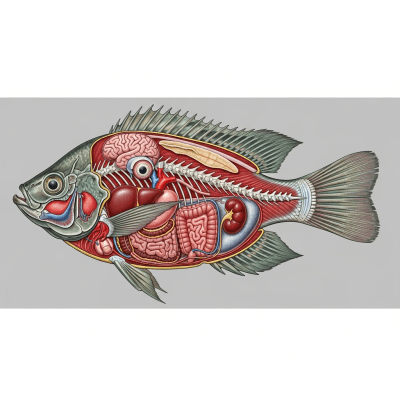
This species features a deep, laterally compressed body with a long dorsal fin and rounded caudal fin. Its coloration ranges from silver-gray to olive, accented by vertical bands that are especially prominent in juveniles and males. During breeding, males may display a reddish margin on the dorsal fin, adding to their distinctive appearance. Adults typically measure between 20 and 60 cm in length and weigh from 0.5 to 1.5 kg in farmed settings, with wild individuals reaching up to 5 kg.
Nile Tilapia is highly adaptable, thriving in freshwater and tolerating brackish environments as well as low-oxygen conditions. It is an omnivore, feeding on phytoplankton, detritus, and small invertebrates. Reproductively, it exhibits mouthbrooding behavior where females protect fertilized eggs and young fry in their mouths. Its rapid growth and resilience make it a cornerstone species for freshwater aquaculture worldwide.
Bring this kind into your world illustrated posters, mugs, and shirts.
Archival print, museum-grade paper
Buy Poster
Stoneware mug, dishwasher safe
Buy Mug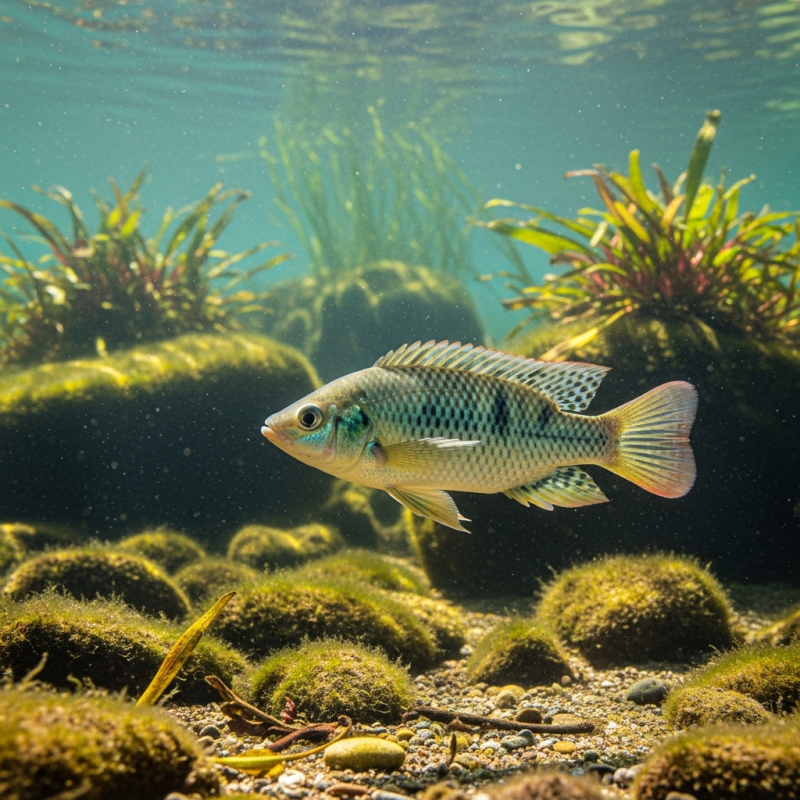
Soft cotton tee, unisex sizes
Buy ShirtAs a staple protein source across Africa, Asia, and Latin America, Nile Tilapia supports millions of livelihoods and plays a crucial role in food security. Its mild flavor and firm texture have also made it increasingly popular in North American and European markets, contributing to its cultural and economic significance globally.
The Nile Tilapia inhabits freshwater ecosystems primarily within the Nile River basin and other northern and eastern African river systems. It tolerates a range of habitats, including brackish waters, and can survive in low-oxygen environments, which contributes to its widespread distribution both in the wild and in aquaculture settings worldwide.


As an omnivore, Nile Tilapia feeds on a diverse diet consisting mainly of phytoplankton, detritus, and small aquatic invertebrates. Its feeding habits allow it to thrive in varied environments, contributing to its success in both natural and farmed ecosystems.
Nile Tilapia reproduces through mouthbrooding, where females carry fertilized eggs and young fry in their mouths to protect them from predators. This reproductive strategy enhances offspring survival. While specific details on sexual maturity age and spawning habitats vary, breeding typically occurs in freshwater environments.
Nile Tilapia is extensively farmed worldwide using selective breeding and hybridization to improve growth rates, disease resistance, and environmental tolerance. Intensive aquaculture systems can yield up to 10–15 tons per hectare annually, with harvest cycles as short as 6 to 8 months. The fish is marketed fresh, frozen, filleted, or whole, and is also processed into value-added products like fish balls, nuggets, and surimi.
Currently, the Nile Tilapia is not considered threatened due to its wide distribution and successful aquaculture production. However, intensive farming practices pose risks such as disease outbreaks and genetic hybridization with wild populations. Sustainable management and selective breeding efforts aim to mitigate these concerns and maintain healthy populations.