Pacific Sardine
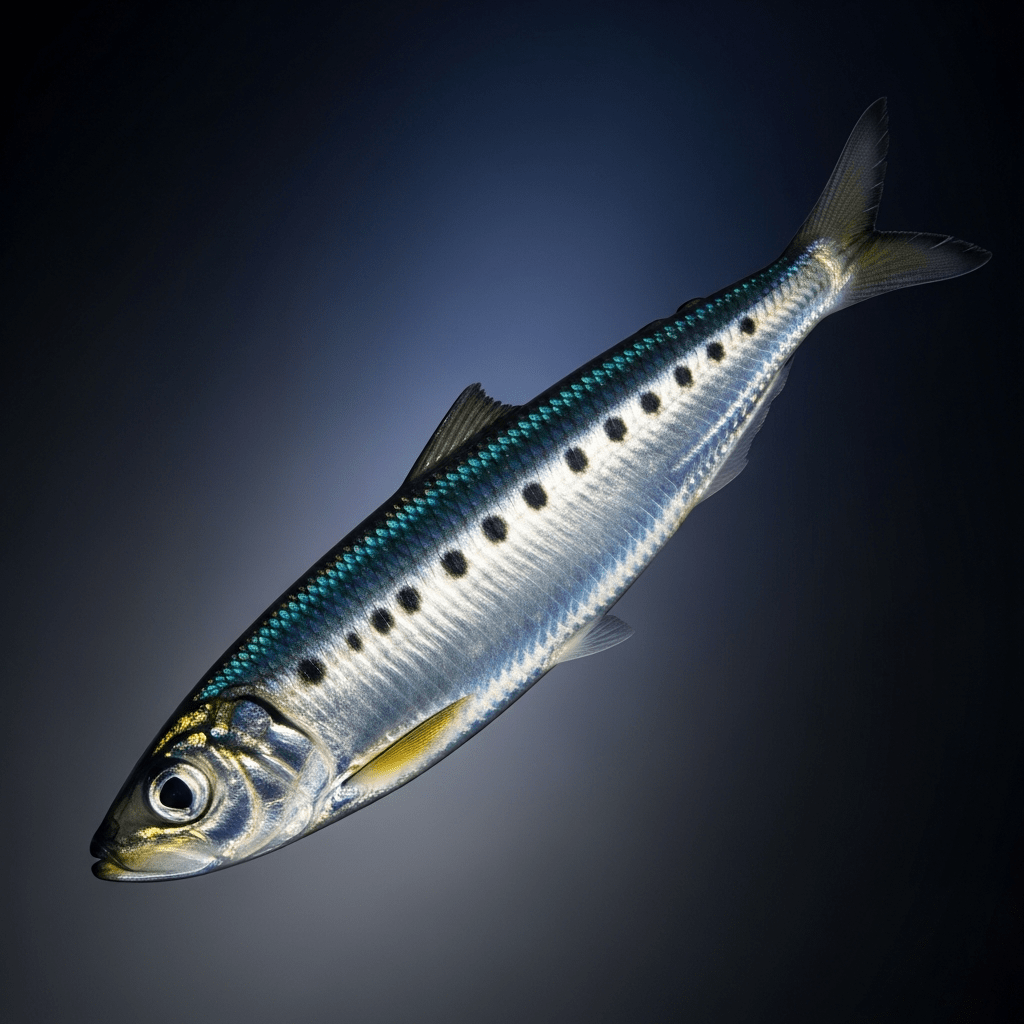
The Pacific Sardine (Sardinops sagax) is a small, schooling pelagic fish known for its streamlined, silvery body and vital role in marine ecosystems and fisheries across the Pacific Ocean.
The Pacific Sardine (Sardinops sagax) is a small, schooling pelagic fish known for its streamlined, silvery body and vital role in marine ecosystems and fisheries across the Pacific Ocean.
First scientifically described by Jenyns in 1842, the Pacific Sardine is native to the Pacific Ocean. It has no history of domestication or artificial breeding, with all populations remaining wild and sustaining important natural stocks.
Belonging to the family Clupeidae, the Pacific Sardine is classified within the genus Sardinops and species sagax. It is part of the order Clupeiformes, a group characterized by small to medium-sized schooling fish often important as forage species.
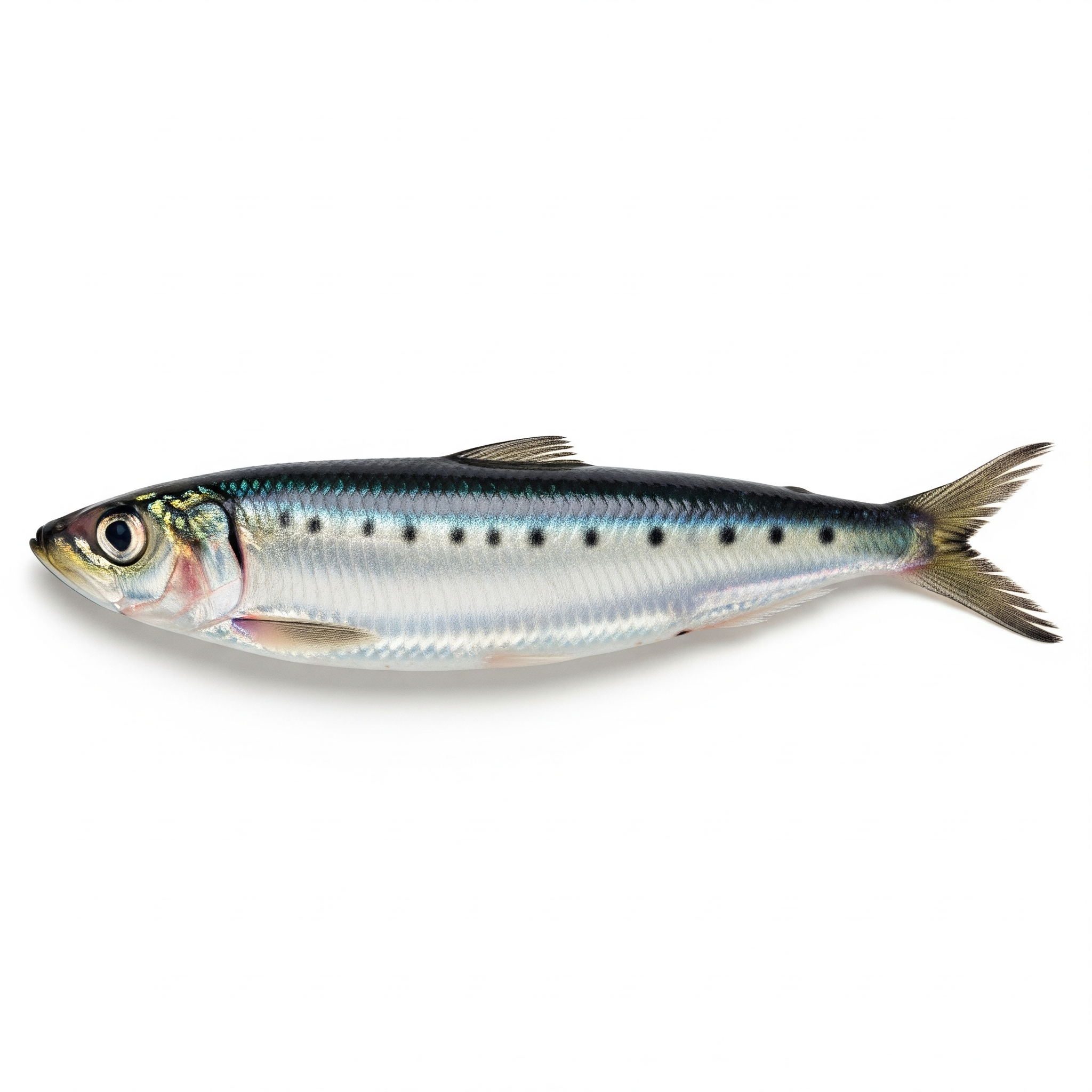
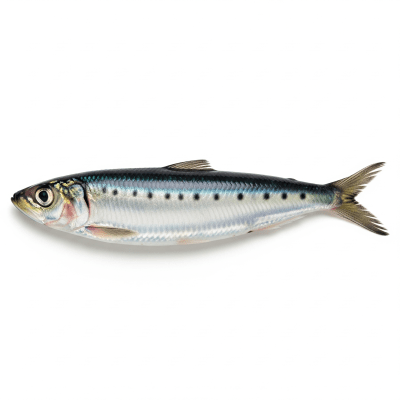
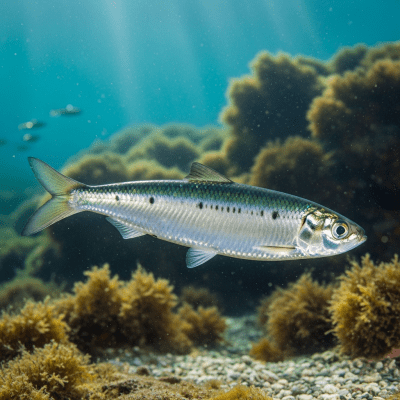
The Pacific Sardine has a slender, laterally compressed body with a silvery sheen, accented by a bluish-green dorsal surface and faint dark spots along its sides. Adults typically measure 15 to 30 cm in length, with some reaching up to 41 cm. Distinctive features include a single dorsal fin and a forked caudal fin, contributing to its agile swimming in open waters.
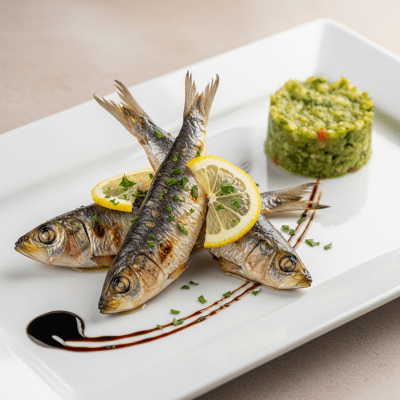
This species forms large, dense schools that migrate along coastal waters. As a filter feeder, it consumes plankton such as copepods and diatoms, playing a crucial role in transferring energy up the food chain. Humans harvest Pacific Sardines extensively for fresh and processed foods, bait, and fishmeal, making it a cornerstone of several commercial fisheries.
Bring this kind into your world illustrated posters, mugs, and shirts.
Archival print, museum-grade paper
Buy Poster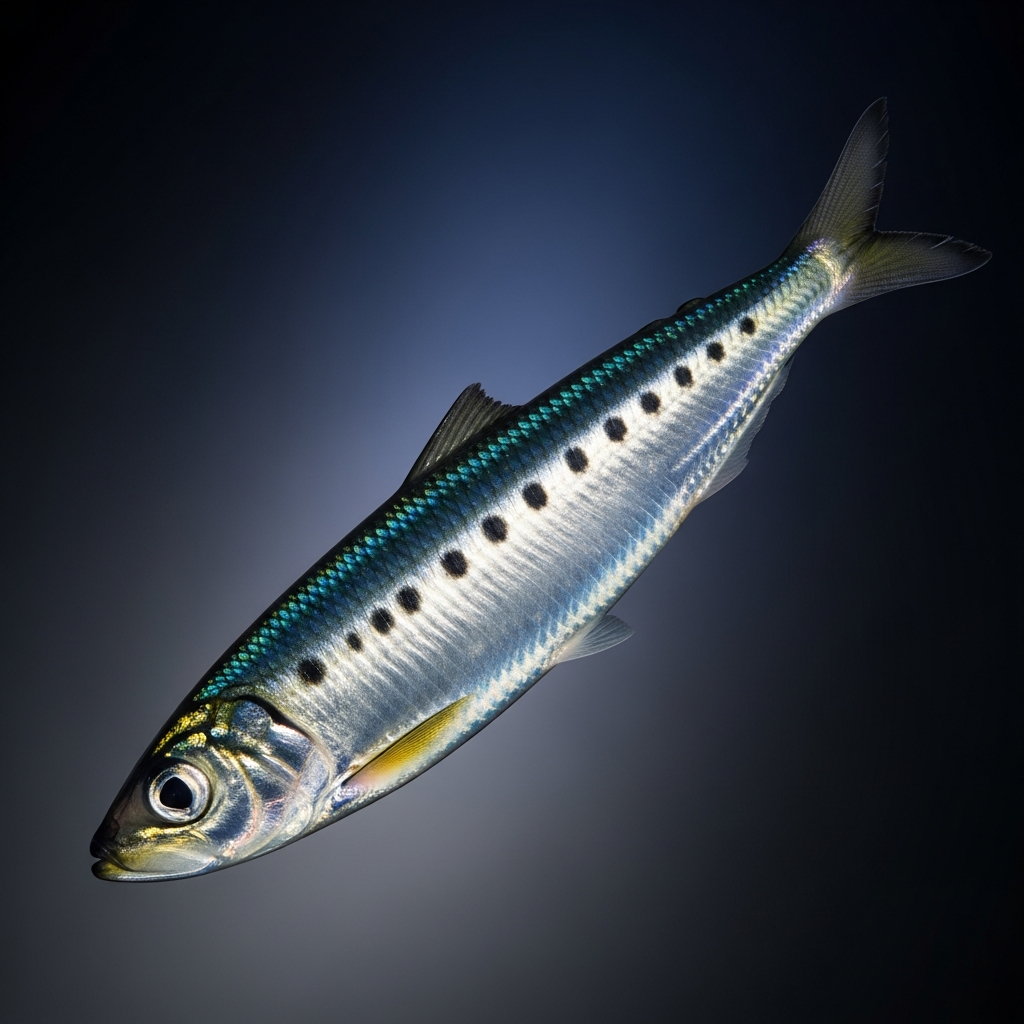
Stoneware mug, dishwasher safe
Buy Mug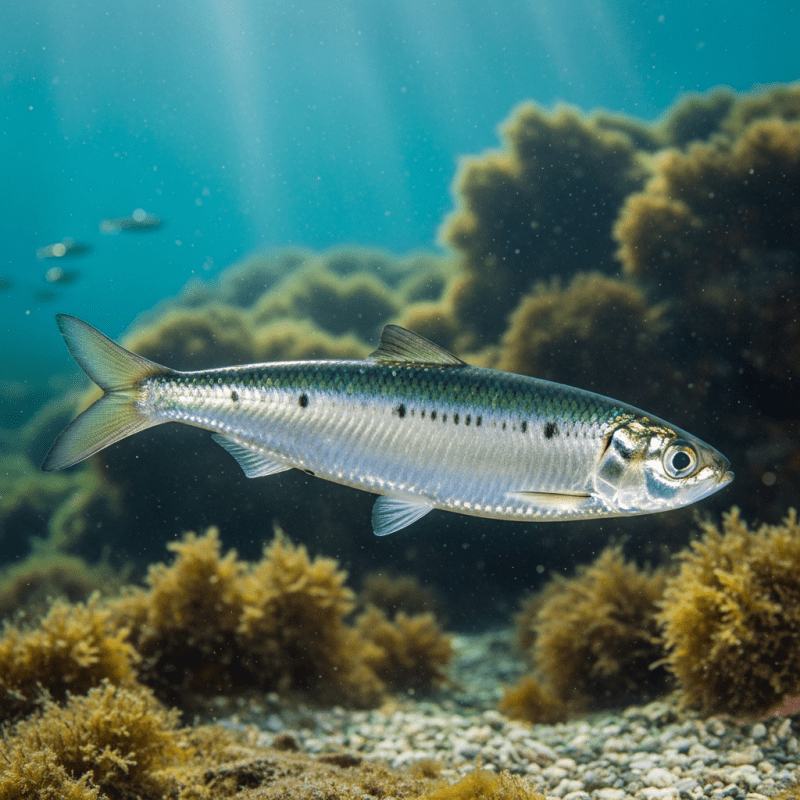
Soft cotton tee, unisex sizes
Buy ShirtPacific Sardines hold cultural importance in many coastal communities, where they are a dietary staple and feature prominently in traditional cuisines. Their abundance and nutritional value have made them symbols of coastal heritage and economic livelihood, especially in regions like California, Mexico, and Chile.
Pacific Sardines inhabit pelagic zones of the Pacific Ocean, ranging along the coasts of North and South America, Japan, and Australia. They prefer open marine waters where they form large schools, often migrating seasonally to follow plankton blooms and optimal environmental conditions.

As filter feeders, Pacific Sardines consume microscopic plankton such as copepods and diatoms by filtering water through their gill rakers. This diet positions them as essential intermediaries in marine food webs, supporting larger predators including fish, seabirds, and marine mammals.
Pacific Sardines reproduce by spawning pelagic eggs in large aggregations, with peak spawning occurring in spring and summer. Eggs hatch within days, and juveniles grow rapidly, reaching sexual maturity between one and two years. Lifespans typically range from five to thirteen years, influenced by environmental factors.
There is no known aquaculture or artificial breeding of Pacific Sardines; all commercial supply comes from wild capture fisheries. These fisheries operate primarily along the Pacific coasts of the United States, Mexico, Chile, Japan, and Australia, harvesting the species for fresh consumption, canning, smoking, salting, bait, and fishmeal production.
While Pacific Sardines are abundant, their populations are vulnerable to overfishing and environmental variability, particularly oceanographic cycles like El Niño. Management efforts focus on monitoring stocks and regulating catches to maintain sustainable populations, as rapid fluctuations can impact both ecosystems and fisheries.