Lake Sturgeon
The Lake Sturgeon (Acipenser fulvescens) is a large, long-lived freshwater fish native to North America, recognized for its ancient lineage and distinctive armored body.
The Lake Sturgeon (Acipenser fulvescens) is a large, long-lived freshwater fish native to North America, recognized for its ancient lineage and distinctive armored body.
First described by Constantine Samuel Rafinesque in 1817, the Lake Sturgeon belongs to a lineage dating back over 150 million years. Indigenous to North America, it has never been subject to domesticated breeding or hybridization, maintaining its wild heritage in large river and lake systems.
The Lake Sturgeon is classified within the family Acipenseridae, genus Acipenser, and species fulvescens. This family represents some of the most primitive ray-finned fishes, linking modern species to ancient evolutionary roots.
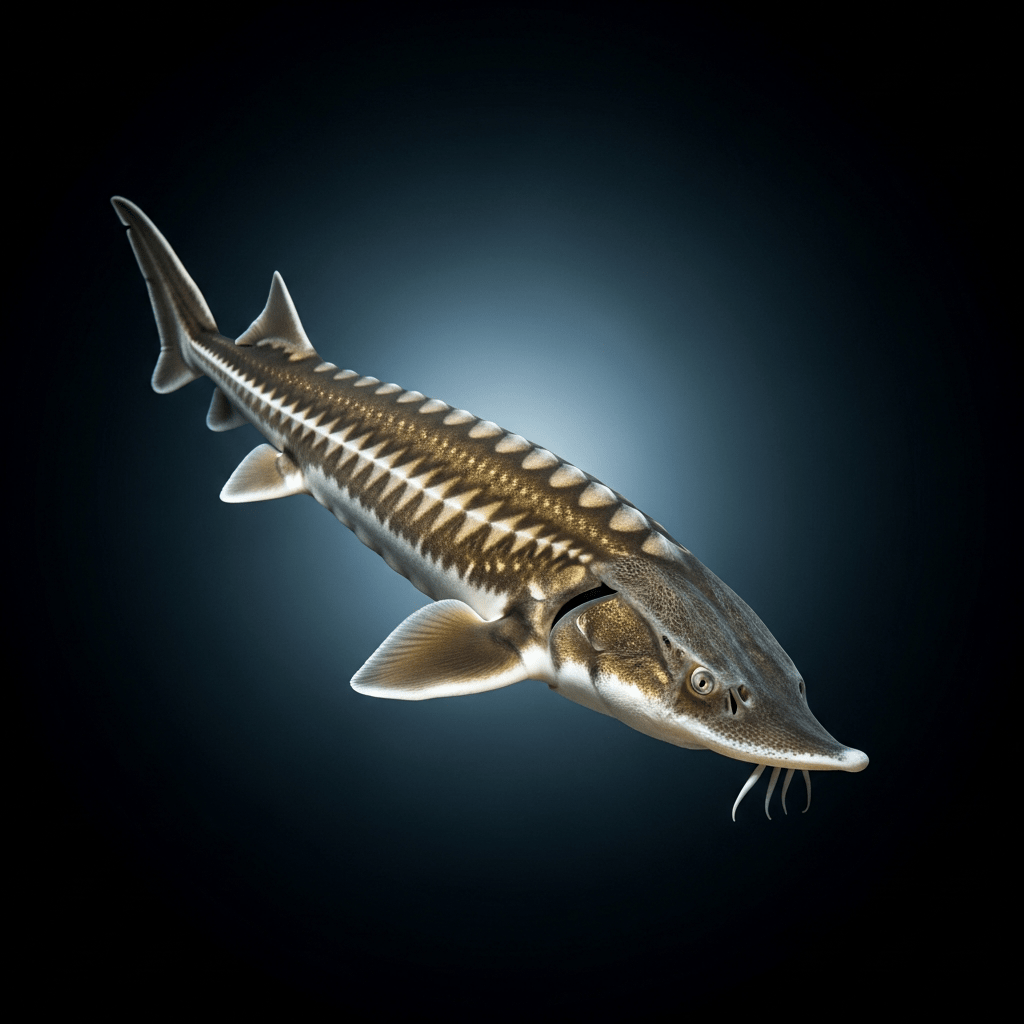
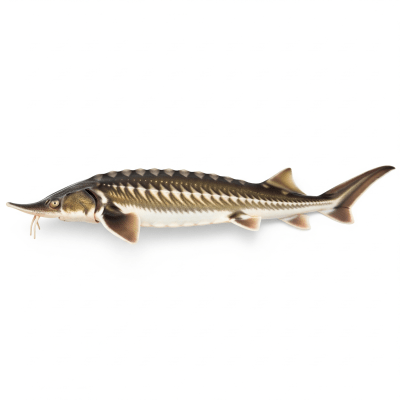
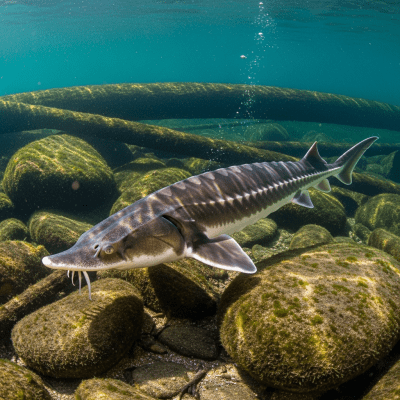
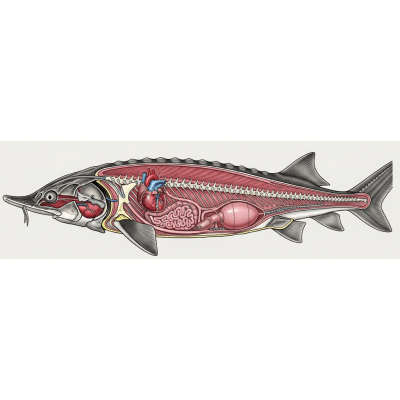
Lake Sturgeon have an elongated, torpedo-shaped body armored with five rows of bony scutes. Their coloration ranges from gray to brown on the dorsal side, fading to a lighter ventral surface. They feature a heterocercal tail with a longer upper lobe and a protrusible, toothless mouth located underneath, adapted for bottom feeding. Adults typically measure 1 to 2 meters in length, with some exceeding 2.5 meters and weighing over 100 kilograms.
This species is a bottom feeder, using its specialized mouth to forage for invertebrates and small fish along river and lake beds. Its slow growth and longevity, with individuals living over a century, reflect a life strategy adapted to stable freshwater environments. Human interaction includes regulated recreational fishing and limited caviar production, emphasizing conservation and sustainable use.
Bring this kind into your world illustrated posters, mugs, and shirts.
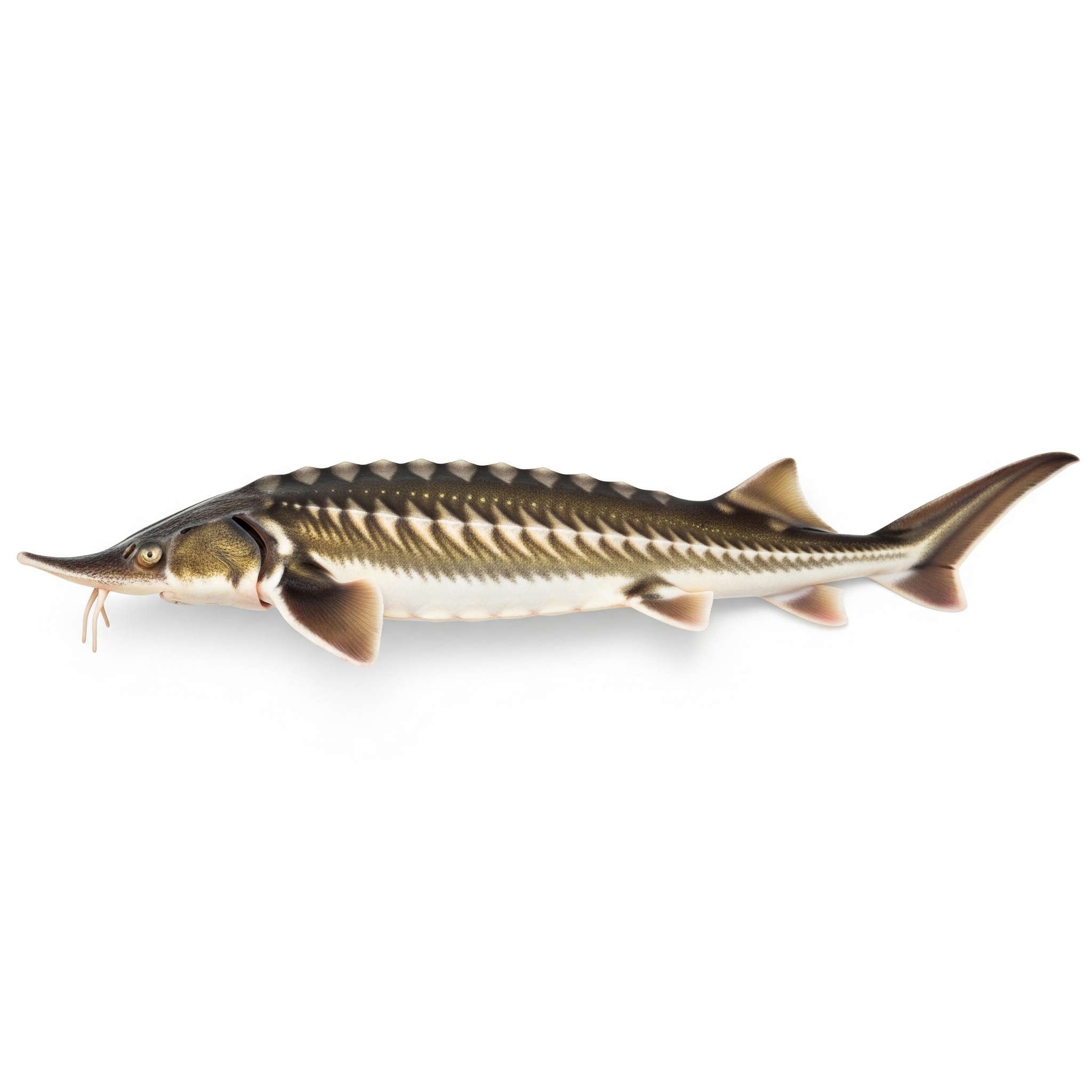
Archival print, museum-grade paper
Buy Poster
Stoneware mug, dishwasher safe
Buy Mug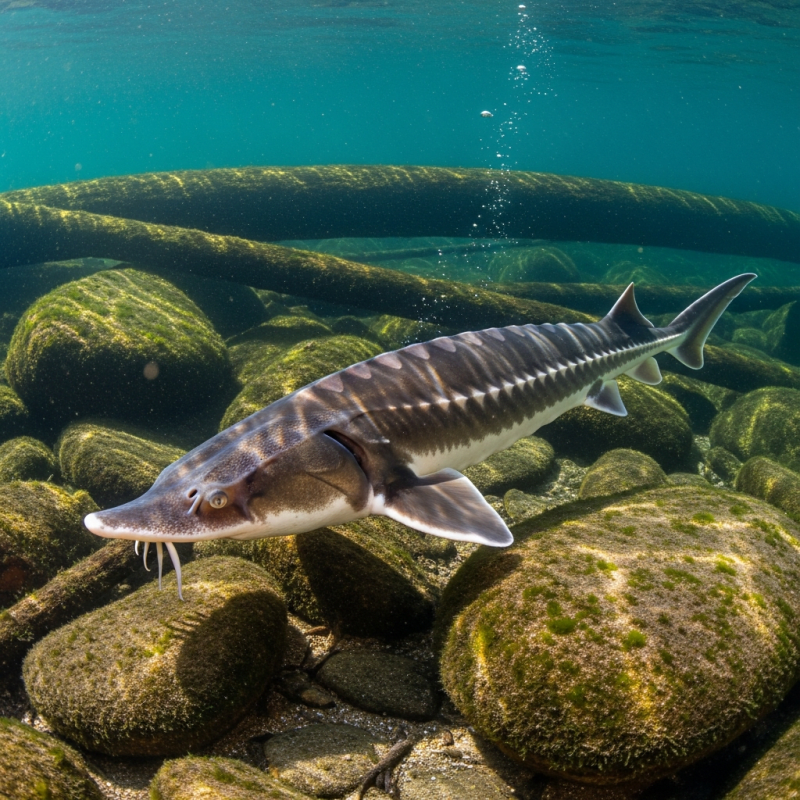
Soft cotton tee, unisex sizes
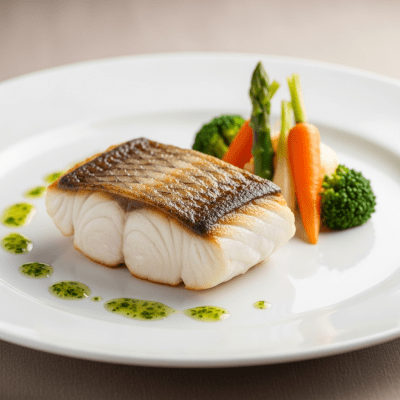
Buy ShirtThe Lake Sturgeon holds deep cultural importance, especially among Indigenous peoples of North America, where it features in traditional diets and ceremonial practices. Historically valued for its flesh, eggs, and swim bladders, it remains a symbol of regional heritage in the Great Lakes area and beyond.
Lake Sturgeon inhabit freshwater rivers and lakes across North America, especially within the Great Lakes region and major river systems. They favor large, deep waters with clean, fast-flowing tributaries for spawning, demonstrating resilience to cold temperatures and low-oxygen environments.
Primarily bottom feeders, Lake Sturgeon consume a diet of invertebrates such as insect larvae, mollusks, and crustaceans, along with small fish. Their toothless, protrusible mouth allows them to vacuum prey from riverbeds and lake bottoms efficiently.
Lake Sturgeon are iteroparous, spawning multiple times over their long lives but with intermittent intervals of 4 to 9 years for females. Sexual maturity is reached late—between 14 and 33 years for females and 8 to 22 years for males. Spawning takes place in fast-flowing rivers over gravel or rocky substrates, where eggs develop before hatching.
Due to their slow growth and late sexual maturity, Lake Sturgeon are rarely farmed commercially. Wild harvests are highly regulated or prohibited to protect dwindling populations. Limited aquaculture exists primarily for controlled caviar production, while recreational fishing is permitted in some areas under strict quotas and catch-and-release policies.
Lake Sturgeon populations have declined significantly due to overfishing, habitat disruption, and pollution. They are sensitive to environmental changes but show resilience to cold and low oxygen. Conservation efforts focus on habitat restoration, fishing regulations, and monitoring to support population recovery and sustainable coexistence.