Haddock
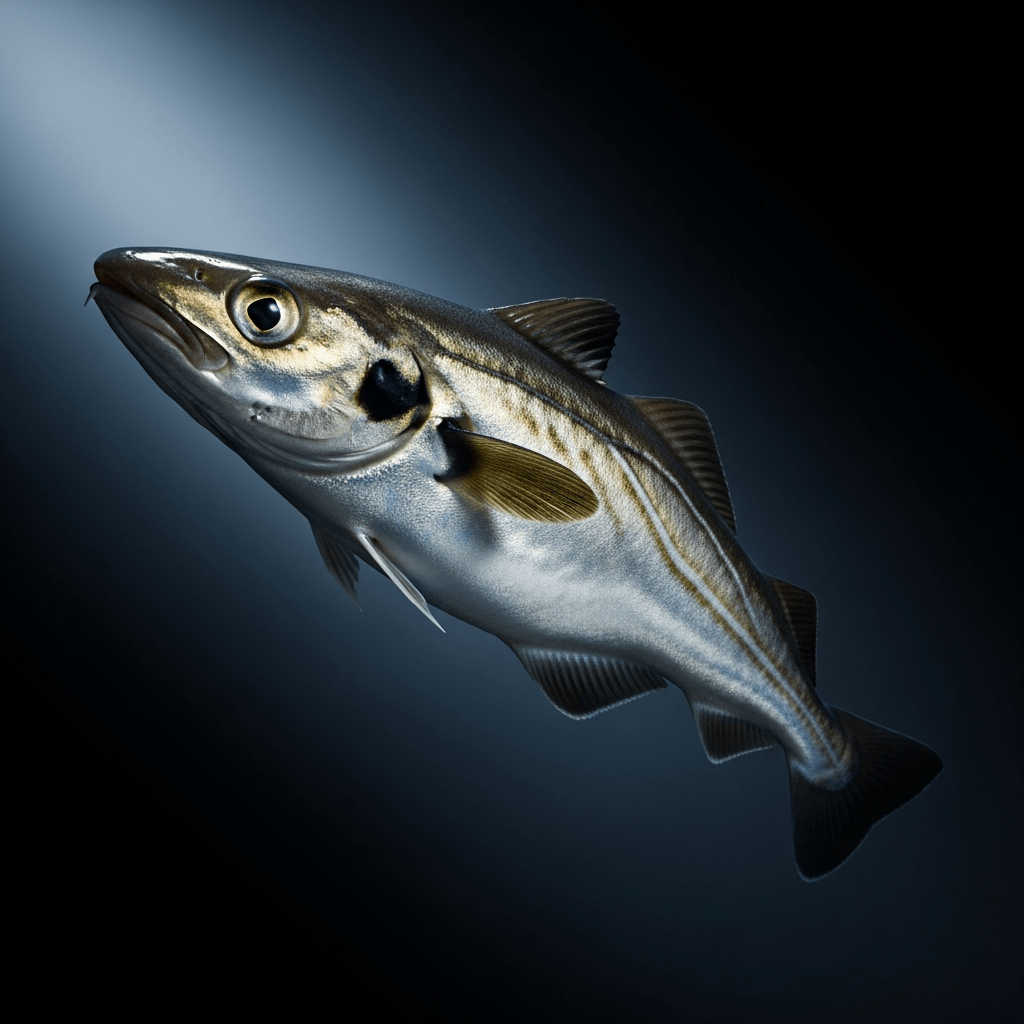
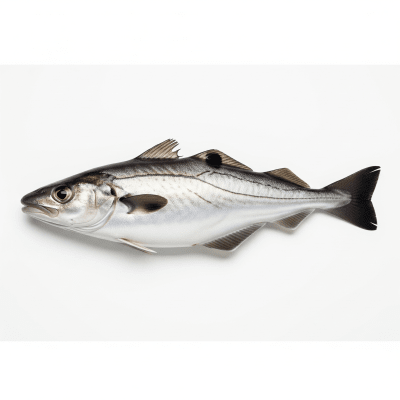
Haddock (Melanogrammus aeglefinus) is a medium-sized marine fish native to the North Atlantic Ocean, recognized for its silvery body, distinctive black lateral line, and a characteristic dark blotch above the pectoral fin.
Haddock (Melanogrammus aeglefinus) is a medium-sized marine fish native to the North Atlantic Ocean, recognized for its silvery body, distinctive black lateral line, and a characteristic dark blotch above the pectoral fin.
First formally described by Carl Linnaeus in 1758, haddock has long been known as a key species of the North Atlantic marine fauna. It has no history of domestication or artificial breeding, with all commercial stocks sourced from wild populations across its native range.
Haddock belongs to the family Gadidae, genus Melanogrammus, placing it among the cod-like fishes. Its scientific name, Melanogrammus aeglefinus, reflects its taxonomic position within this important group of commercially valuable marine species.
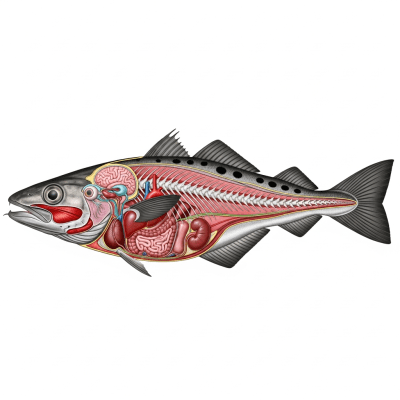
Haddock has a moderately elongate, laterally compressed body typically ranging from 30 to 70 centimeters in length, with some individuals reaching up to 112 centimeters and weighing as much as 19 kilograms. Its silvery-grey coloration is marked by a prominent black lateral line and a distinctive dark 'thumbprint' blotch just above the pectoral fin. The dorsal fin is divided into three sections, and the caudal fin is slightly forked, contributing to its streamlined form.
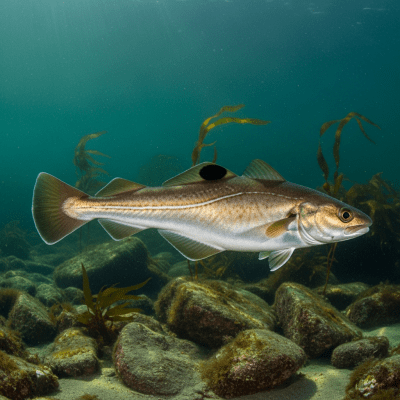
As a demersal fish, haddock inhabits cold, temperate waters over sandy or muddy seabeds at depths between 10 and 450 meters. It is an opportunistic feeder, consuming a varied diet of benthic invertebrates, smaller fish, and crustaceans. Haddock plays a vital role in marine ecosystems and supports significant commercial fisheries, prized for its delicate, mild-flavored flesh.
Bring this kind into your world illustrated posters, mugs, and shirts.
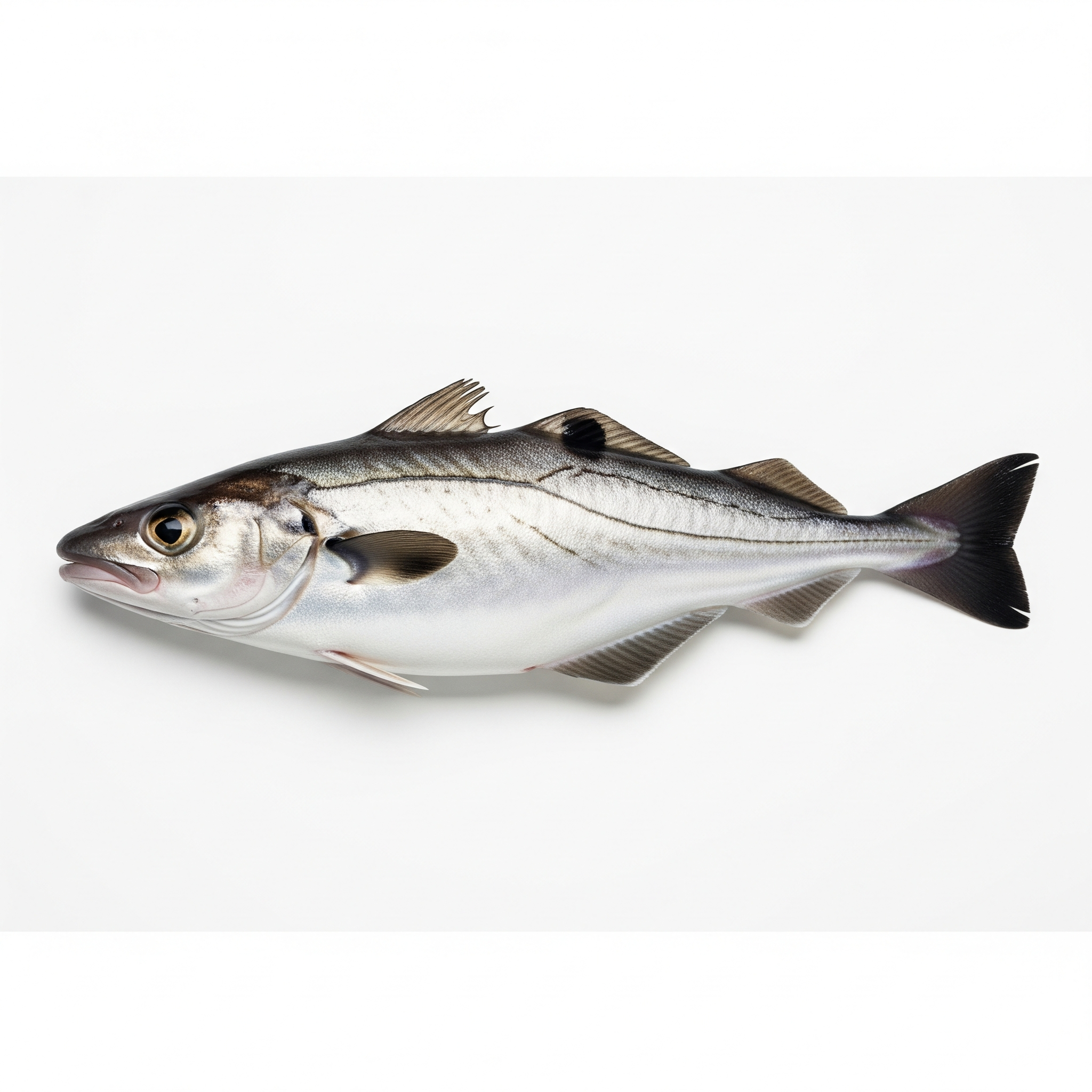
Archival print, museum-grade paper
Buy Poster
Stoneware mug, dishwasher safe
Buy Mug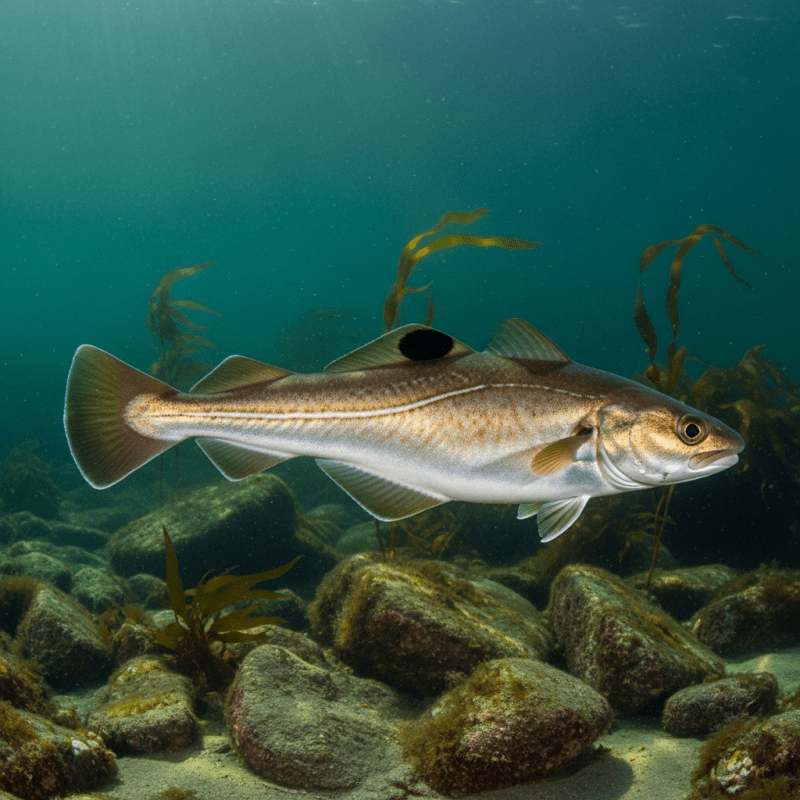
Soft cotton tee, unisex sizes
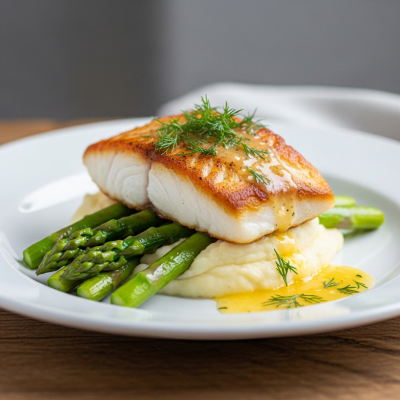
Buy ShirtHaddock holds a cherished place in culinary traditions, especially in Europe and North America. It is central to iconic dishes such as fish and chips and is renowned for smoked preparations like the Scottish Finnan haddie and Arbroath smokie. These cultural specialties highlight haddock’s enduring role in regional food heritage and seafood markets.
Haddock is native to the North Atlantic Ocean, with populations distributed across the North Sea, Norwegian Sea, Barents Sea, and waters off Iceland, Canada, and the northeastern United States. It occupies demersal zones at depths from 10 to 450 meters, favoring cold, temperate marine environments with sandy or muddy seabeds.
Haddock is an opportunistic feeder that preys on benthic invertebrates, small fish, and crustaceans. It forages along the seabed, using its sensory adaptations to locate a varied diet that supports its growth and reproductive cycles.
Haddock reaches sexual maturity between 2 and 4 years of age. Spawning takes place from late winter through spring, with eggs deposited on sandy or muddy substrates in demersal habitats. This reproductive timing aligns with environmental conditions favorable for larval survival and growth.
Haddock is predominantly harvested through commercial wild fisheries regulated by regional bodies such as ICES and NAFO. While there is some experimental research into aquaculture, no major farming operations currently exist. Fishing practices focus on sustainable quotas to maintain population health, with careful post-harvest handling to preserve the delicate flesh.
Haddock faces pressures from overfishing and environmental changes, making sustainable management essential. Some stocks demonstrate resilience to moderate fishing, but others have experienced depletion. Conservation efforts include regulated quotas and monitoring to ensure long-term viability of populations across their native range.