European Perch
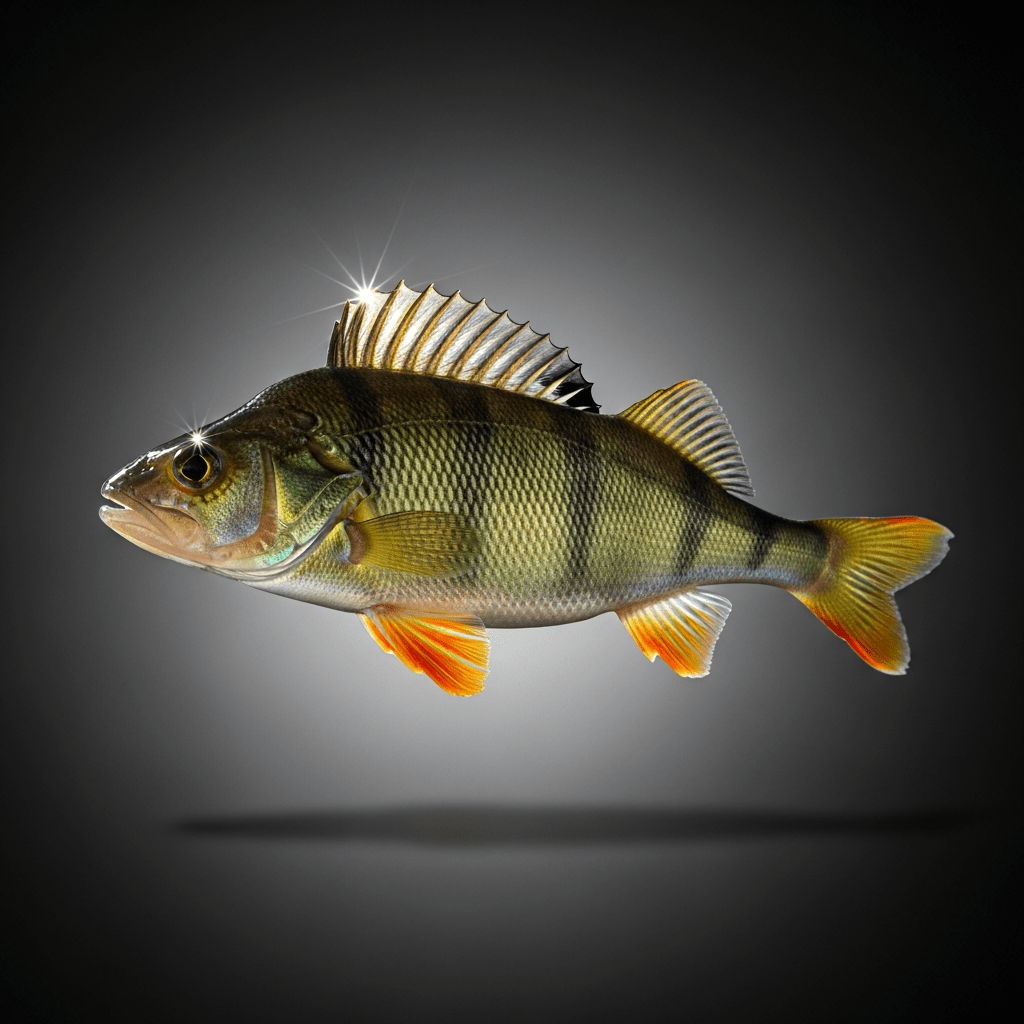
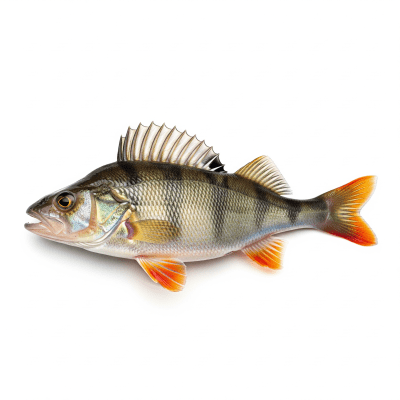
The European Perch (Perca fluviatilis) is a freshwater fish native to Europe and northern Asia, easily recognized by its greenish body marked with vertical dark stripes and striking red-tipped fins.
The European Perch (Perca fluviatilis) is a freshwater fish native to Europe and northern Asia, easily recognized by its greenish body marked with vertical dark stripes and striking red-tipped fins.
First formally described by Carl Linnaeus in 1758, the European Perch naturally inhabits rivers and lakes across Europe and northern Asia. It is a wild species with no history of domestication or selective breeding.
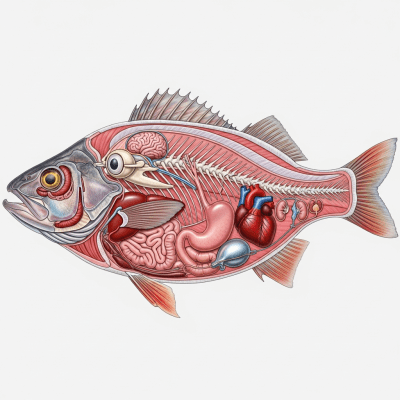
The European Perch belongs to the family Percidae and genus Perca. It is part of the diverse group of bony fishes known for their spiny fins and ecological importance in freshwater habitats.
This species has a laterally compressed body typically ranging from 20 to 40 cm in length, with some individuals reaching up to 60 cm and 4 kg in weight. Its coloration features greenish to yellowish flanks adorned with 5 to 9 prominent vertical dark bars. The pelvic and anal fins are vividly red or orange, while the dorsal fin is spiny and distinctly divided into two parts, giving the perch a recognizable silhouette.
European Perch are opportunistic carnivores, feeding on invertebrates, small fish, and zooplankton. Juveniles often form schools, while adults tend to be more solitary. They are valued by recreational anglers for their spirited fight and are also used in ecological research as a model freshwater species.
Bring this kind into your world illustrated posters, mugs, and shirts.
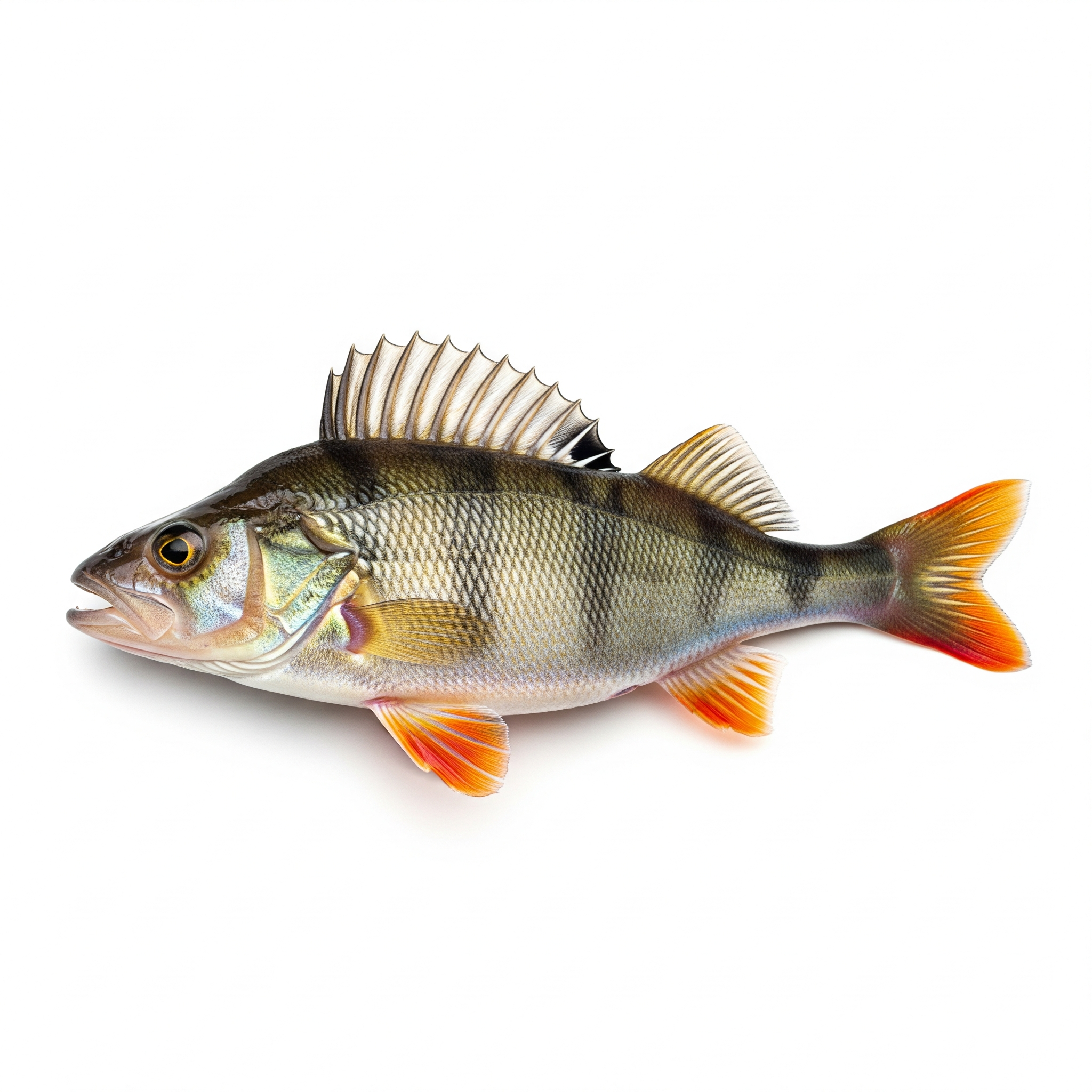
Archival print, museum-grade paper
Buy Poster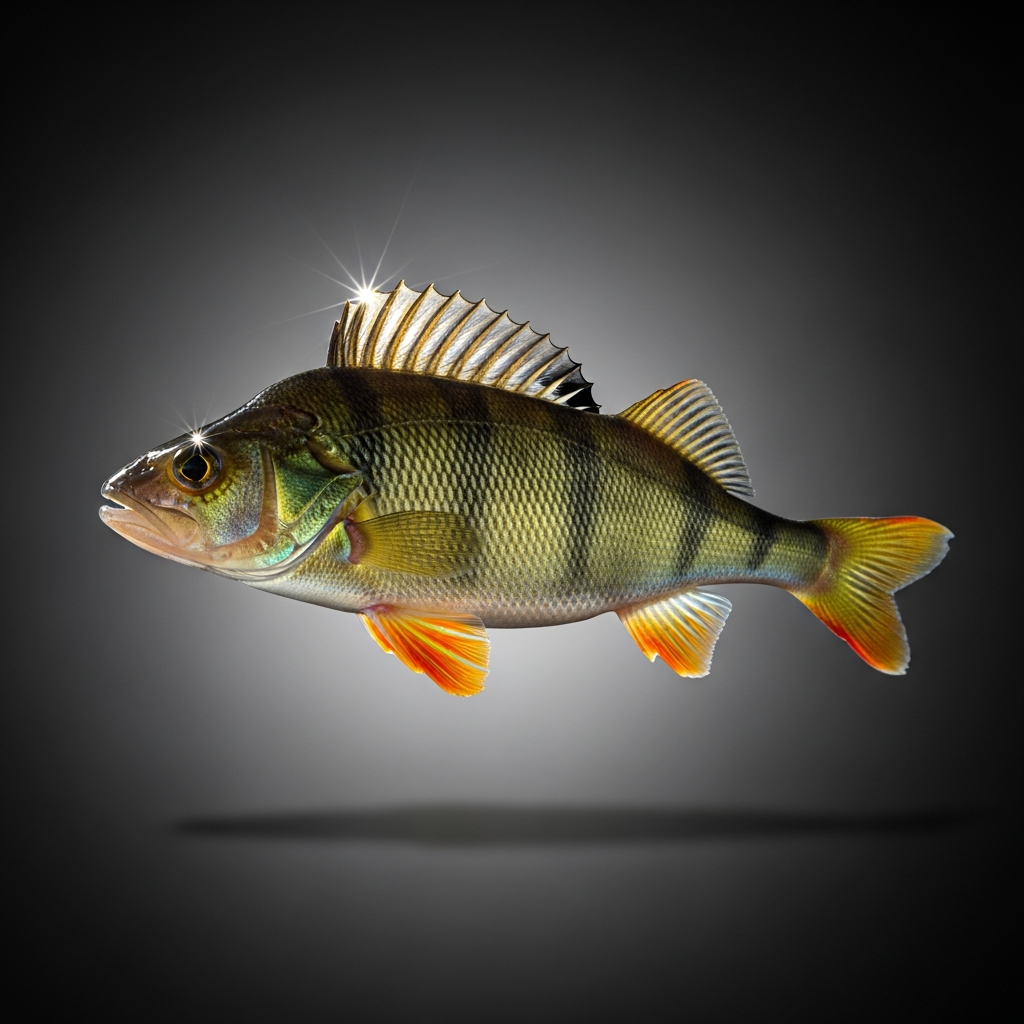
Stoneware mug, dishwasher safe
Buy Mug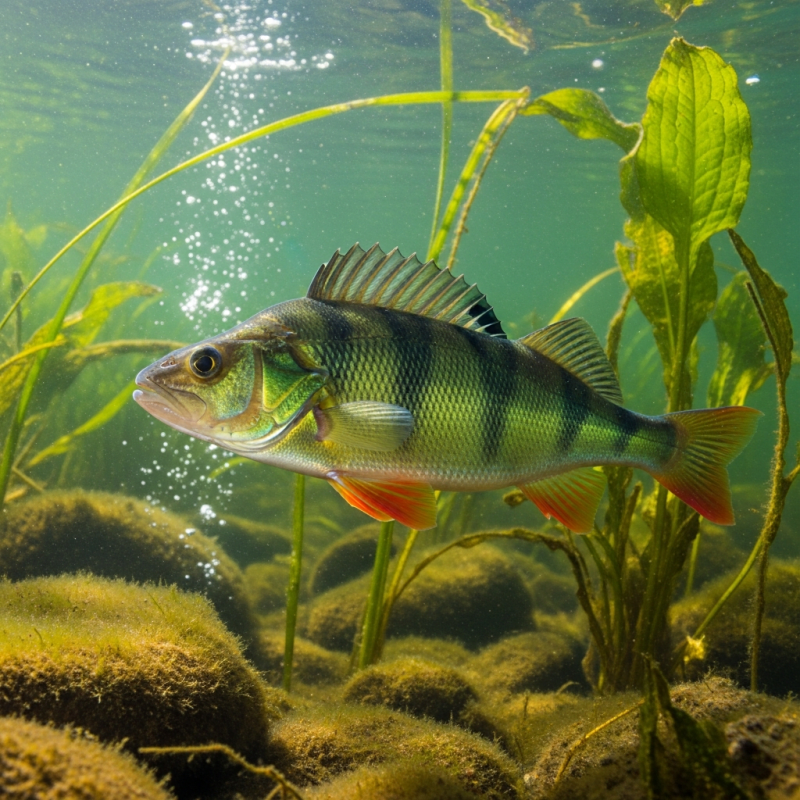
Soft cotton tee, unisex sizes
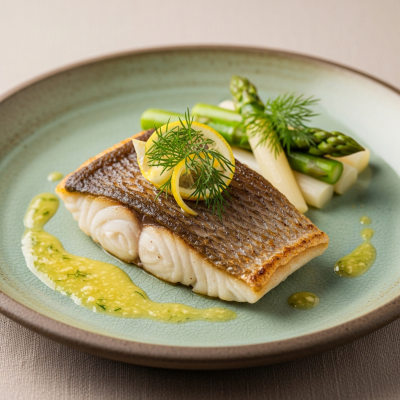
Buy ShirtPopular in recreational fishing across Europe, the European Perch holds a place in regional cuisines, especially in Central and Eastern Europe. Its firm, white flesh is prized for various cooking methods, including frying, baking, and poaching. Additionally, it serves as an important subject in educational and ecological studies.
The European Perch inhabits freshwater environments such as rivers and lakes across a broad native range spanning Europe and northern Asia. It prefers clear, well-oxygenated waters but can tolerate moderate pollution and eutrophic conditions.
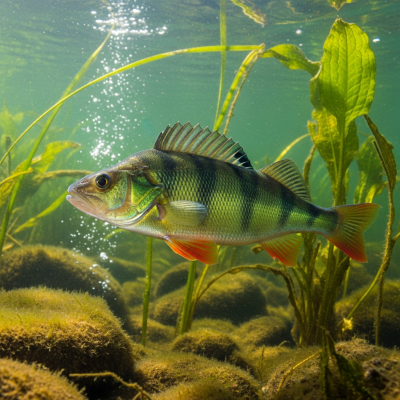
As an opportunistic carnivore, the European Perch feeds on a variety of prey including aquatic invertebrates, small fish, and zooplankton. Juveniles often feed in schools, while adults hunt more independently, adapting their diet based on availability.
While specific reproductive details are not extensively documented here, European Perch typically spawn in freshwater habitats during the spring. The species reaches sexual maturity within a few years and can live up to two decades, with juveniles exhibiting schooling behavior before becoming more solitary as adults.
Most European Perch are harvested from wild populations, with commercial fishing active in several European countries. Although aquaculture remains limited, interest is growing due to the species’ adaptability and valued culinary qualities. Growth rates in captivity vary, generally improving in warmer, nutrient-rich waters.
The European Perch currently faces no major threats and maintains stable populations across its range. Its resilience to environmental changes and widespread distribution contribute to a secure conservation status, though monitoring continues to ensure sustainable fisheries and habitat quality.